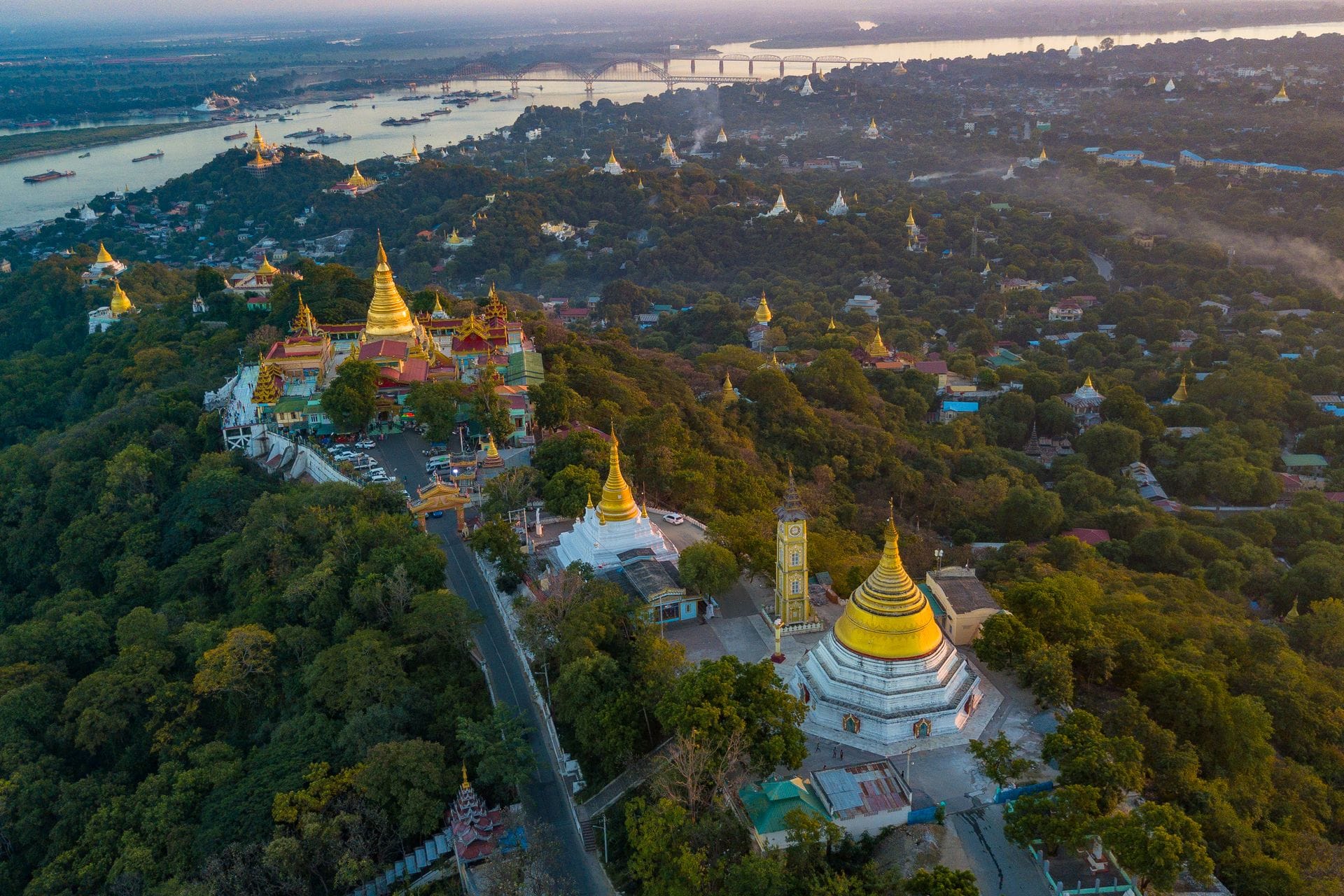
The great and winding Irrawaddy is the artery of Myanmar, flowing from the icy peaks of the Himalayas down through the heart of the country before fanning out into the Andaman Sea. For centuries, it has been a highway of commerce, culture and faith, connecting the people who live along its banks in a continuous thread of tradition. While the Mekong may capture more international attention, the Irrawaddy offers something rarer: a journey into a world that has remained largely untouched by the rapid currents of modernity.
With most river cruises in the region focusing on Vietnam and Cambodia, few travellers venture as far as Myanmar. Quieter and more contemplative than its neighbours, Myanmar is the spiritual wellspring of South East Asia. The arrival of the Sule, a newly launched vessel that made its maiden voyage earlier this year, has opened up this extraordinary waterway for deeper exploration.
A Vessel of Timeless Grace
The Sule is a study in refined simplicity. At just 45 metres, it is small enough to feel intimate, yet spacious enough to offer every comfort. Its decks are designed to frame the changing landscape, with a rooftop terrace perfect for sunrise tea and sunset cocktails. With only ten suites, the boat fosters a sense of quiet community among its guests, a shared experience of drifting through a world that seems suspended in time.
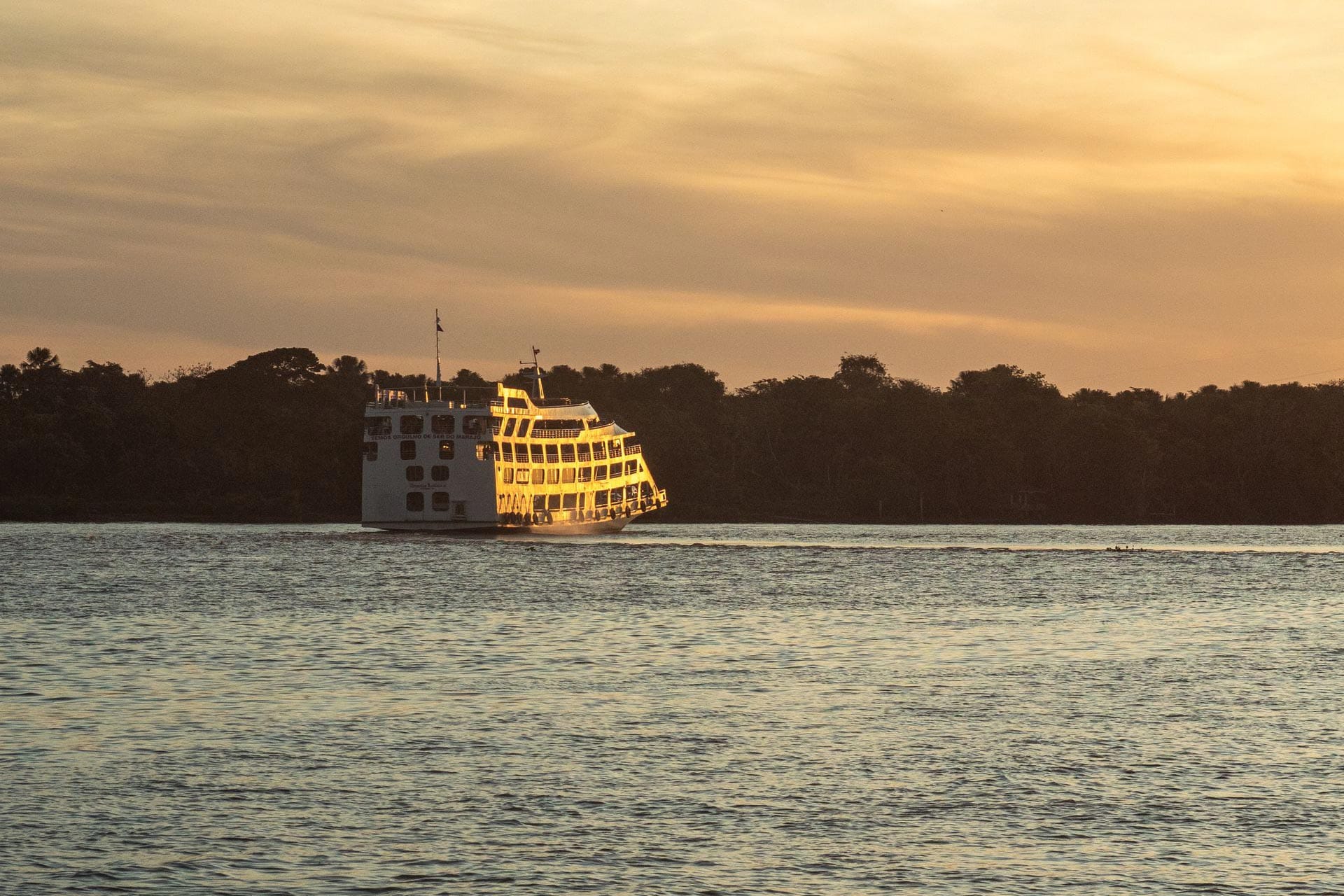
The interiors are a celebration of local craftsmanship: handwoven cotton, intricate lacquerware, and furniture carved from Myanmar's legendary teak. Each morning, I woke to the gentle creak of the boat and the soft light filtering through the mist, the river alive with the calls of birds and the distant chime of temple bells.
Floating Through a Living Museum
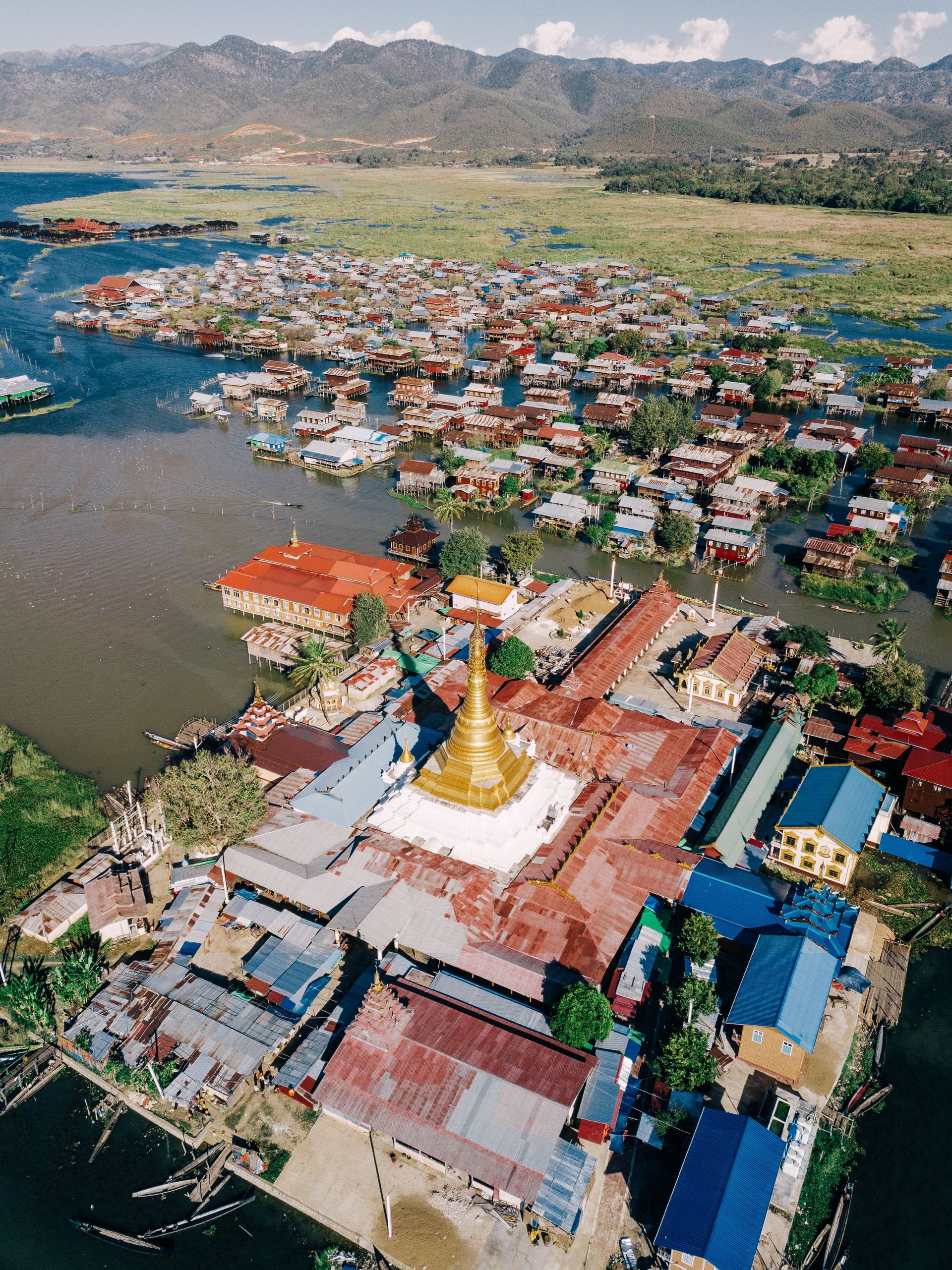
On our journey from Bagan to Mandalay, the river revealed itself as a living museum. We drifted past villages of stilt houses where children waved from the banks, through gorges where golden pagodas clung to cliff edges, and across stretches of water so still they mirrored the sky.
The temple-studded plains of Bagan are the crown jewel of Myanmar, a vast archaeological site where over 2,000 ancient pagodas rise from the earth like a forest of stone. We disembarked at sunrise and climbed one of the taller temples, watching as the first light set the spires aglow. Balloons drifted silently overhead, their passengers suspended in the golden dawn.
The Spirit of the River
Spirituality in Myanmar is not confined to temples. It is present in the daily rituals of giving alms to monks, in the water blessings of the Thingyan festival, in the quiet reverence of a nation that has endured much and preserved its faith.
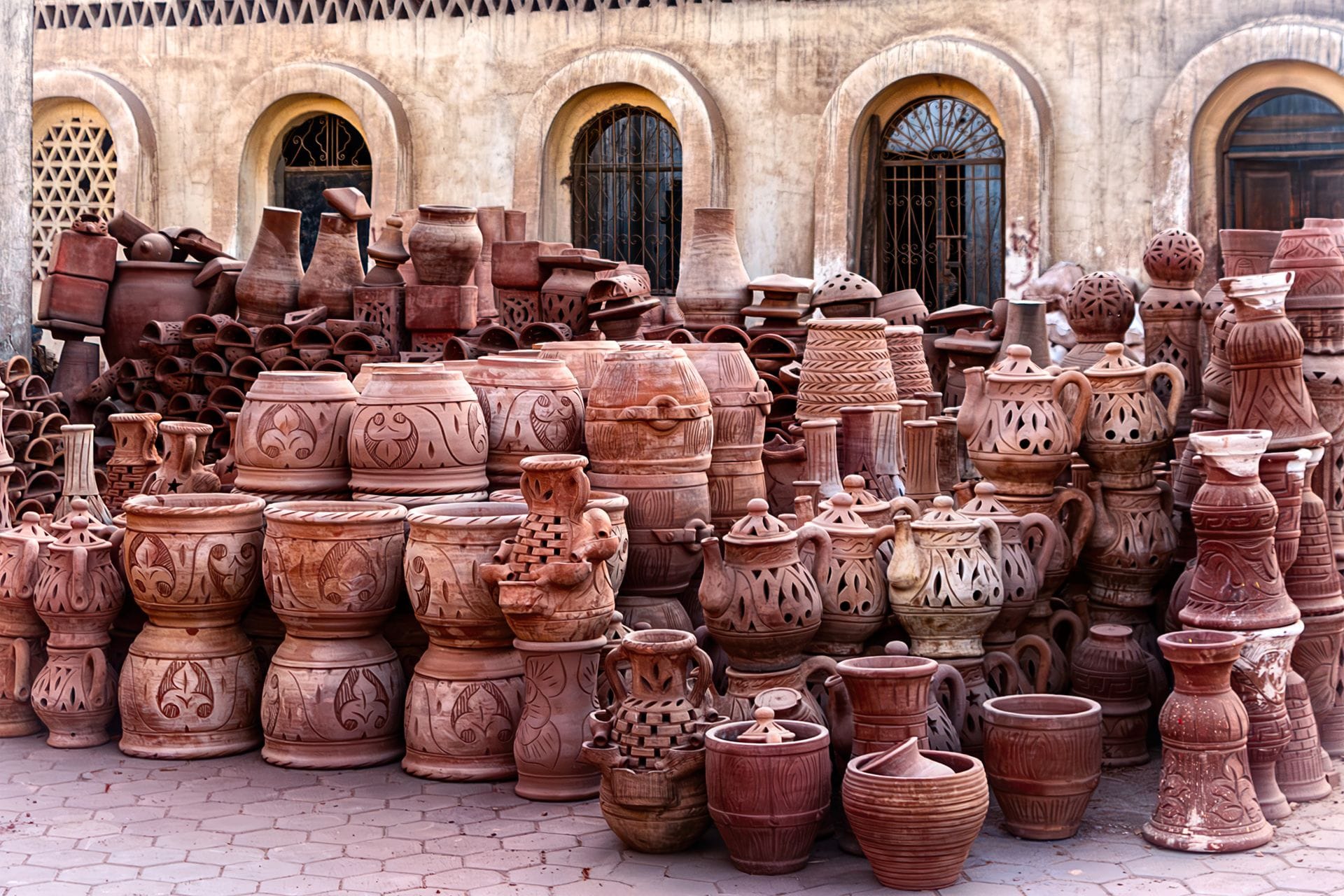
In the village of Yandabo, famous for its terracotta pottery, I witnessed an unexpected ceremony. A group of villagers were preparing for a pwe, a traditional theatre performance that combines dance, music and storytelling, often performed to honour the spirits. The performers were dressed in elaborate costumes, their faces painted in bright colours, and the entire village had gathered to participate.
A Meeting with the Past
In the village of Myittha, we encountered a way of life that has changed little in centuries. The women were weaving cotton on handlooms, their movements as fluid as the river itself. The men were casting bronze bells, their rhythmic hammering echoing through the village. The bells, I learned, are used in temples throughout the country, their tones believed to carry prayers to the heavens.
The Royal City of Mandalay
Our final destination was Mandalay, the last royal capital of the Konbaung dynasty. The city, though sprawling and modern in parts, still holds echoes of its regal past. The wooden palace, painstakingly reconstructed from the ashes of war, stands as a reminder of a lost world.
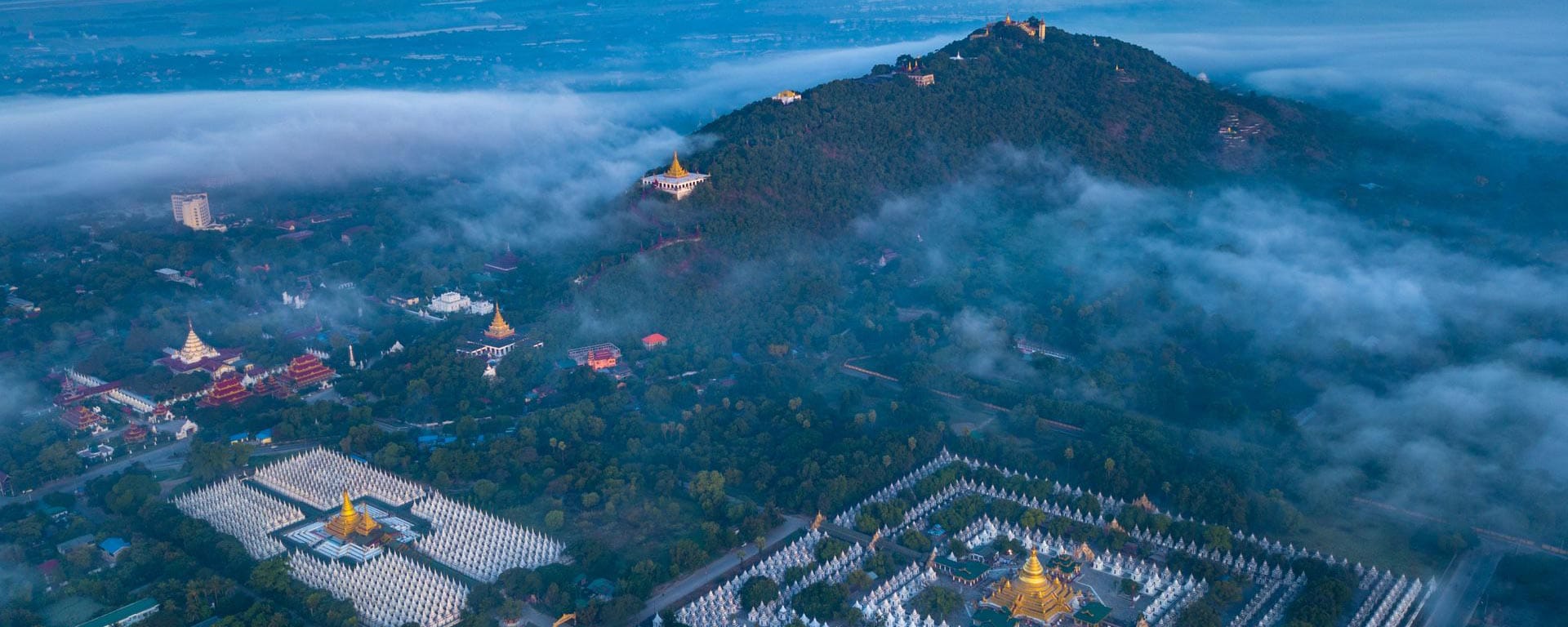
In the monastery of Mahagandayon, I witnessed the daily ritual of the monks' meal. Over a thousand saffron-robed figures filed through the halls in silence, their bowls held out for offerings of rice and curry. The silence was profound, a deep and shared stillness that seemed to hold the entire room in its grip.
The Art of Stillness
What I will carry from this journey is not a single sight or moment, but a sensation: a deep, pervasive stillness that seemed to settle in my bones. Myanmar is a country that does not rush. Its rhythms are ancient, its values unshaken by the chaos of the outside world.
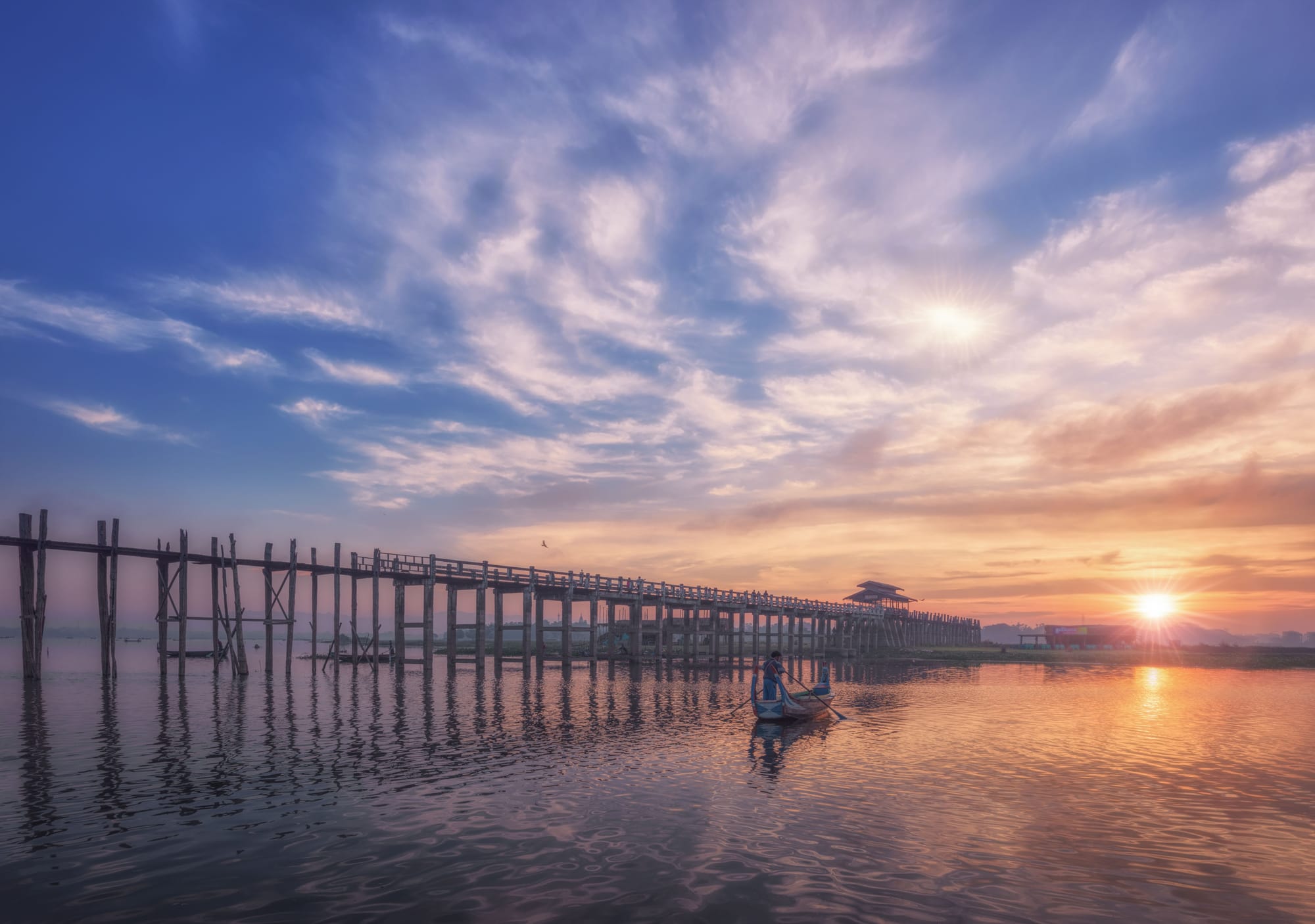
"We have been through many storms," said U Soe, as we watched the sun set over the Irrawaddy. "But we remain. The river remains. The pagodas remain. That is our strength – not in wealth, but in continuity."
I think of the village women weaving cotton, of the monks in their silent procession, of the bronzeworker hammering in his workshop – all of them living in the same rhythm as the river, flowing with the same timeless grace. In a world that insists on speed, Myanmar offers a counterpoint: a reminder of the value of patience, of faith, of a life lived in harmony with the earth.