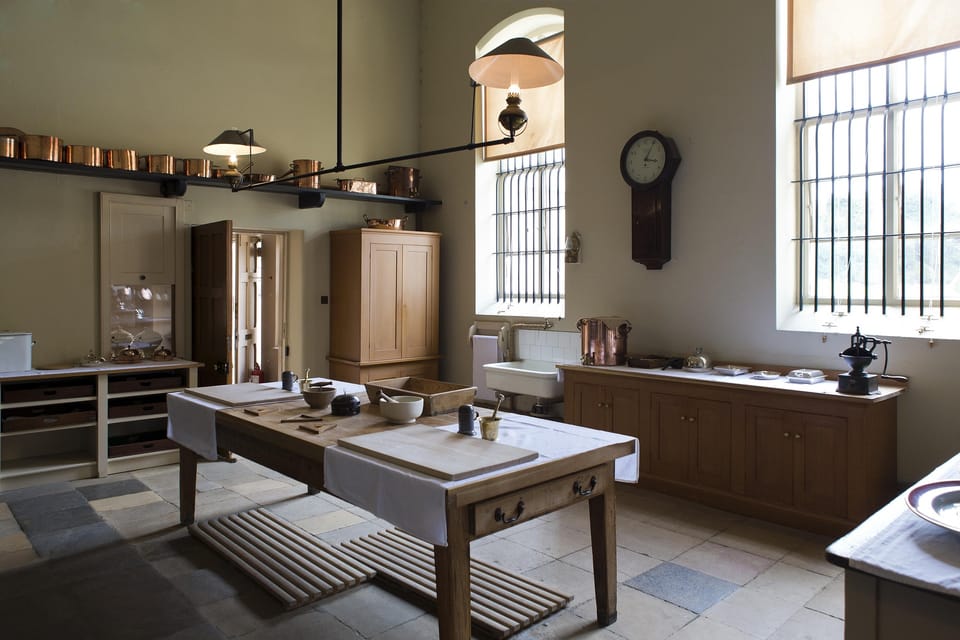
There is a particular alchemy to a well-considered kitchen. While the colour palette, cabinetry and worktops tend to command the most attention, any seasoned designer will tell you that a kitchen's success lies in a constellation of smaller decisions. A great kitchen is not the result of a single bold gesture but the accumulation of thoughtful, often invisible choices. Poor decisions, however, will invariably undermine how the space feels and, more importantly, how it functions.
I spoke to a designer who described the kitchen as the most complex room in the house to get right. She explained that the kitchen is not just a room. It is a system, a network of relationships between surfaces and storage, light and shadow, movement and stillness. Getting it right requires understanding not just how the space looks, but how it will be lived in.
The Storage That Works
The most common mistake in kitchen design is storage that does not align with how people actually cook. A designer I spoke to described the frustration of a kitchen where the pans are stored on the other side of the room from the cooker, where the spices are tucked away in a cupboard that requires stretching, where the everyday items are hidden behind the ones used once a year.
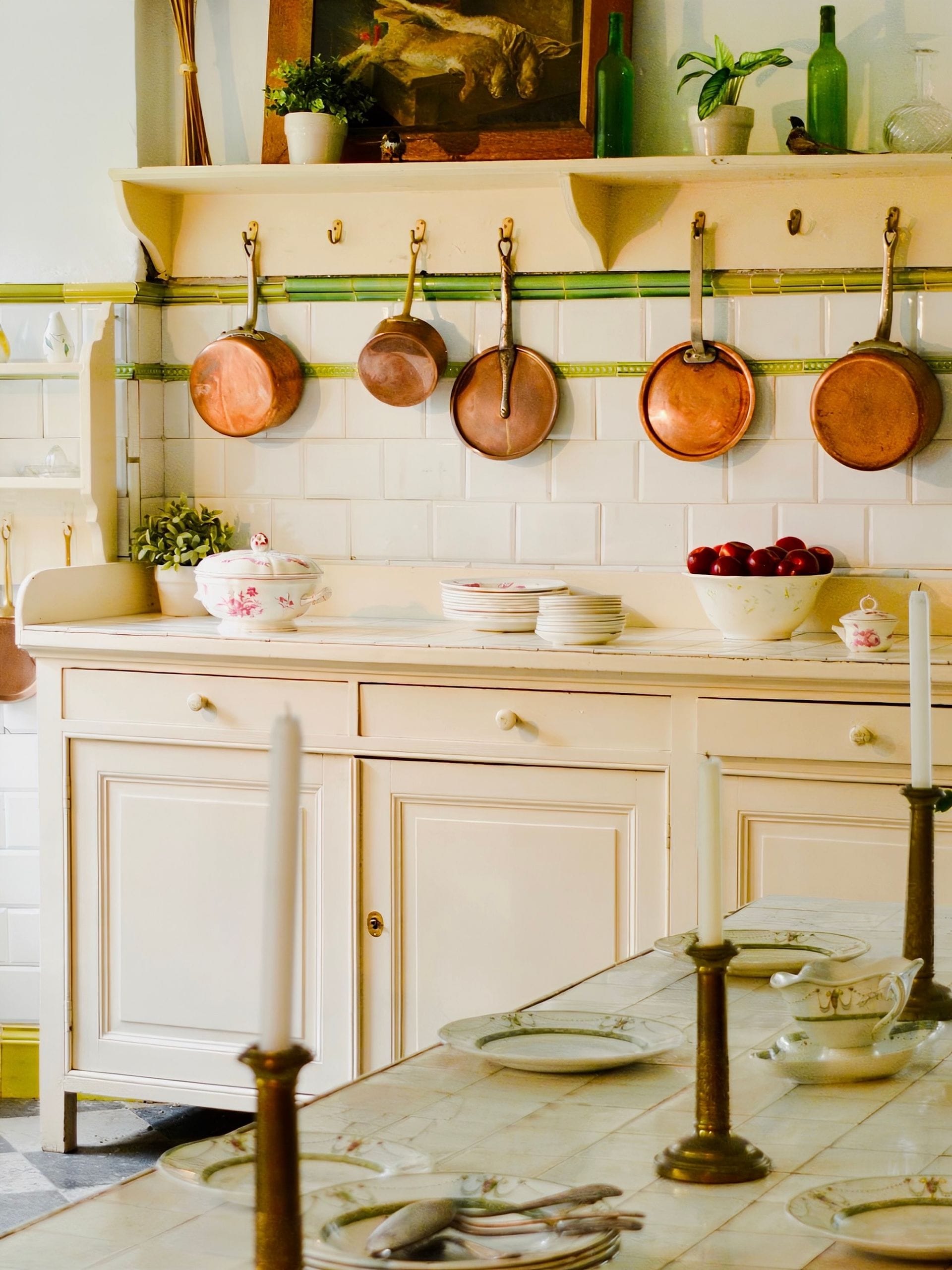
Storage should not be an afterthought. It should be designed to support the rhythm of daily life. The things you use most should be the most accessible. The things you use rarely can be stored further away. This sounds simple, yet it is surprisingly easy to get wrong.
A drawer for pans beside the hob. A rack for oils and vinegars near the chopping board. A place for everything that is used every day, in the place where it is used every day. These are the details that make the difference between a kitchen that works and a kitchen that frustrates.
Another designer stressed the importance of drawers over cupboards. Cupboards require you to reach into dark spaces, to rummage, to pull things out to find what you need. Drawers open everything at once, presenting the contents in a single view. They are more efficient, more organised, and they prevent the clutter that accumulates in the depths of a cupboard.
The Island Question
The kitchen island has become a staple of modern kitchen design, but it is not without its pitfalls. I spoke to a designer who warned against the common mistake of placing the sink on the island. The island is the centre of the kitchen, a gathering place, a surface for preparation and conversation. When the sink is there, it inevitably becomes a dumping ground, a collection point for dirty dishes and clutter.
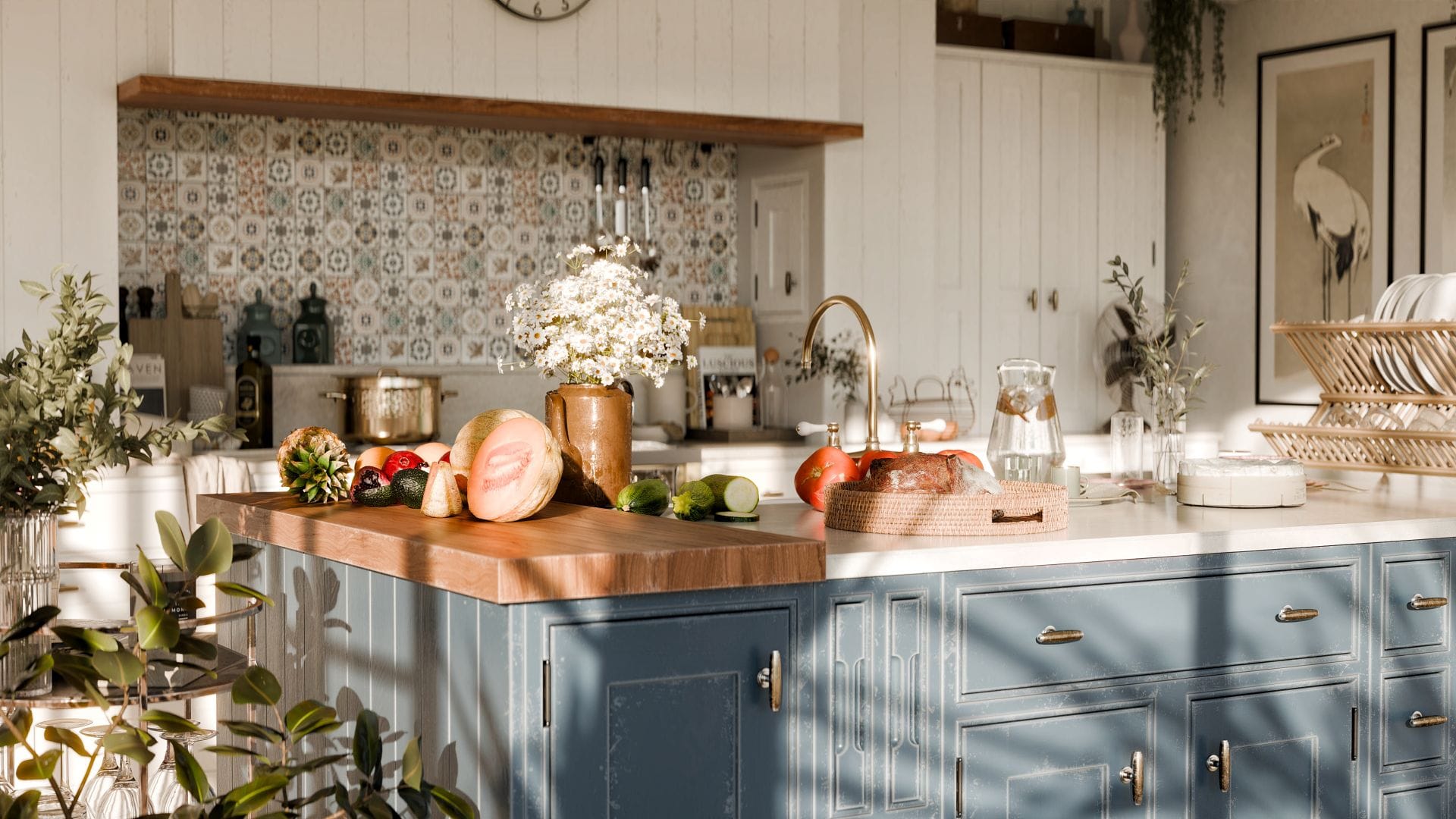
The island should be a free-standing piece of furniture, a place to gather, not a place to wash up. Consider it as a piece of furniture with interesting legs, open shelving, a bold colour, a different material. It should be the heart of the room, not the site of its mess.
The Relationship to the House
A designer I met with emphasised the importance of a kitchen that speaks to the architecture of the house. A kitchen that has no relationship to the building it is in creates a sense of dislocation, of something imposed rather than something grown. The proportions, the details, the materials—all should reflect the character of the house.
A modern kitchen in a Georgian house will always feel wrong, no matter how well executed. A kitchen that respects the architecture of the house, that echoes its proportions and materials, will always feel right. Bigger is not always better. A massive extension that dwarfs the rest of the house will not create a better kitchen. It will create an imbalance.
The Investment in Quality
It can be tempting to save money on the smaller details after spending so much on the major elements. But the quality of the fittings is essential to the functioning of the kitchen. Taps, for instance, are among the most hardworking elements in a kitchen. Cheap taps will fail, will leak, will need to be replaced. Quality taps will last.
The same is true of appliances. An oven that does not heat evenly, a fridge that struggles to maintain temperature, a dishwasher that does not clean properly—these are not minor inconveniences. They are daily frustrations that will undermine the pleasure of the kitchen. Quality matters.
A designer I spoke to warned against lacquered finishes. They are fixed, they cannot be changed, and when they are damaged, they need to be replaced. Natural finishes, on the other hand, improve with age. Stone wears in, developing patina. Painted wood can be touched up. These materials are not just more sustainable. They are more beautiful, more alive.
The Lighting That Transforms
Lighting is one of the most transformative elements in a kitchen, but it is often treated as an afterthought. A single central light fixture will not provide adequate lighting for a space that serves so many functions. You need different types of lighting for different activities.
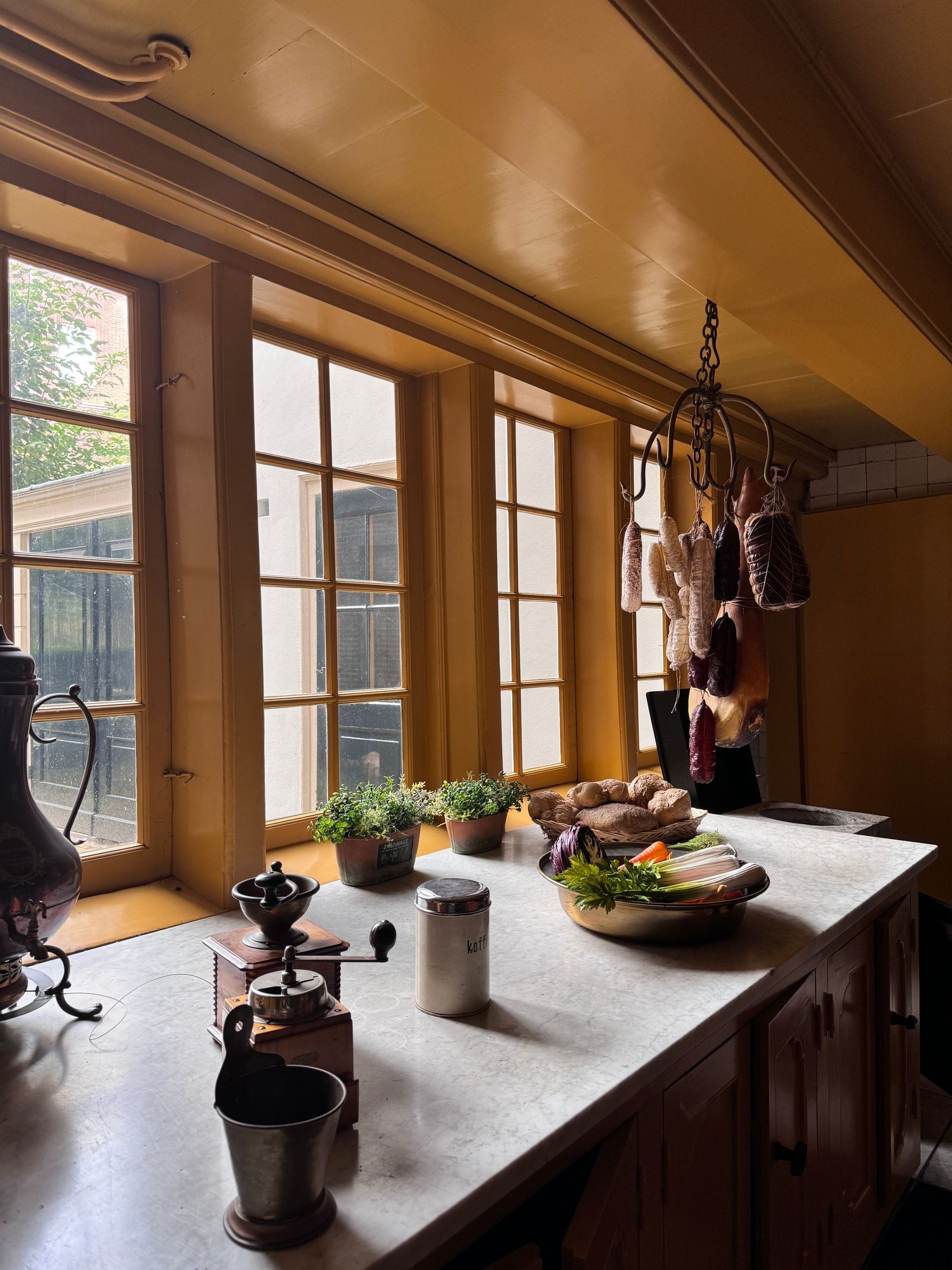
Task lighting for preparation. Ambient lighting for dining. Accent lighting for display. Each type of lighting serves a different purpose, and each should be considered carefully. A kitchen that is lit well is a kitchen that works well. A kitchen that is lit badly is a kitchen that feels wrong, no matter how carefully it has been designed.
The lighting should be layered, should be flexible, should allow the kitchen to change its mood depending on the time of day and the activity. A bright, functional kitchen for cooking. A softer, more intimate kitchen for dining and conversation. The lighting makes this possible.
The Finishing Details
A designer I visited with reminded me that the most successful kitchens are the ones that feel personal. A kitchen is not just a functional space. It should be a place of beauty, a reflection of the people who use it.
Art on the walls. Antiques on the shelves. Objects that have meaning, that tell a story. These are not additions. They are essential. They are what give the kitchen its soul.
The best kitchens are the ones that feel lived in, that carry the marks of the people who use them. Not the ones that are too perfect, too clean, too controlled. The spaces that can be changed over time, that can evolve, that can absorb the life that happens in them—these are the spaces that last.
A Final Thought
The kitchen is a space of paradoxes. It must be practical, but it should not feel clinical. It must be efficient, but it should not feel cold. It must be durable, but it should not feel industrial. These are not contradictions. They are challenges, invitations to think more carefully, to design with more attention.
The details matter. The storage, the island, the taps, the lighting, the placement of the pan drawer, the decision to have drawers rather than cupboards, the choice of natural materials over synthetic ones, the art on the walls, the antique on the shelf. These are the choices that determine whether a kitchen is merely a room or the heart of a home. They are not visible to the casual observer. But they are felt, in the way the kitchen works, in the way it feels to be in it, in the way it supports the life that happens within its walls.