Europe has for centuries been a magnet for travellers, drawn by its rich artistic heritage, dramatic landscapes and generous food culture. But while cities like Paris, Rome, Barcelona and Amsterdam still take much of the spotlight, many smaller towns can be a great alternative for those looking for a slower and more concentrated experience — not to mention the chance to avoid crowds and over-priced hotels. Some are set along rivers or clustered on hilltops, others unfold across coastlines or look onto narrow valleys; what they share is a distinct character shaped by natural setting, architecture and time. From the Pyrenees to the Baltic, these places are less-often talked about but remain some of the continent's most rewarding places to visit.
1. Albarracin, Aragon, Spain
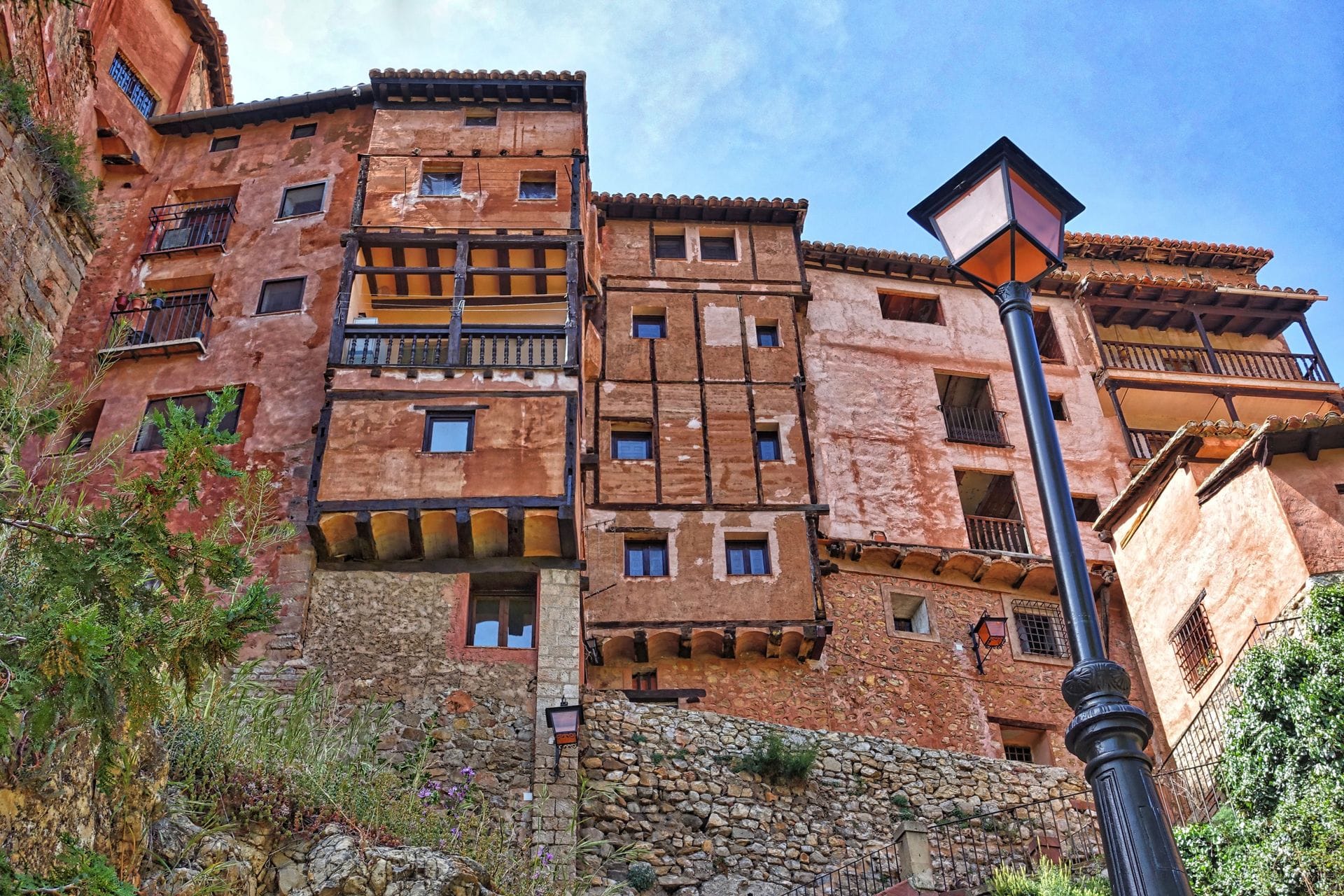
Perched on a limestone ridge above the meandering Guadalaviar River, Albarracín feels like a town that time forgot. Its pink-hued buildings, narrow cobbled streets and ancient defensive walls create a medieval ensemble that rivals any in Spain — yet it remains blissfully free of the crowds that descend on nearby Teruel or Cuenca.
The town's maze-like layout invites aimless wandering, with every corner revealing another hidden courtyard or wrought-iron balcony. The 16th-century cathedral and the remains of the old Alcázar offer glimpses into its Moorish and Christian past, while the surrounding Sierra de Albarracín provides excellent hiking and birdwatching. It's the kind of place where you can lose an afternoon in a sun-drenched plaza, watching the light shift across the hills.
Don't miss: The view from the old city walls at sunset, when the pink stone glows like embers.
2. Koszeg, Hungary
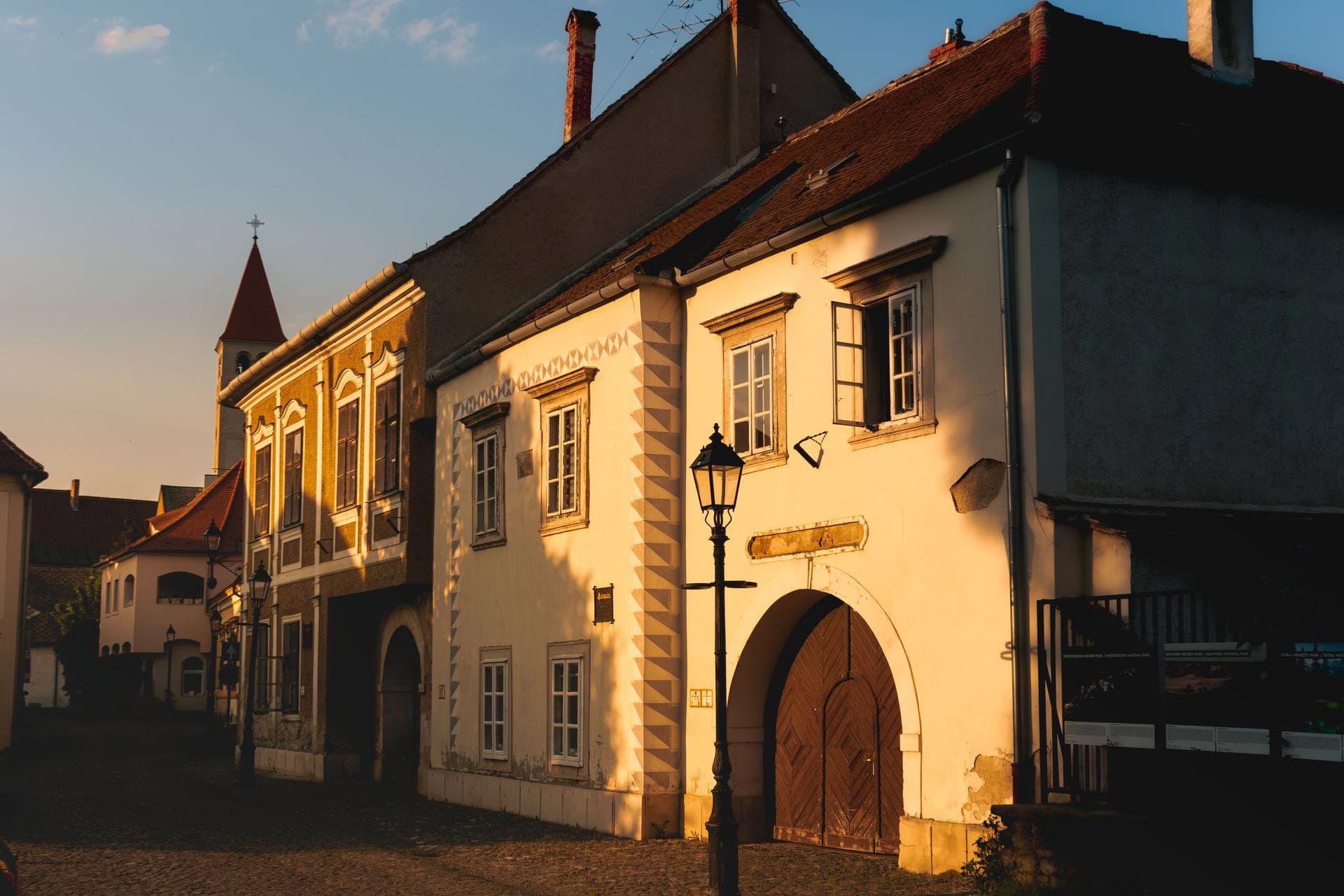
Just a few kilometres from the Austrian border, Kőszeg is a beautifully preserved medieval town that feels worlds away from the tourist trails of Budapest. Its cobbled main square, lined with pastel-coloured burgher houses and dominated by the 13th-century Jurisics Castle, could be the setting for a fairytale.
The town's location at the foot of the Írott-kő mountain makes it a natural base for hiking, while its rich Habsburg history is evident in the architecture and the annual Castle Days festival. Unlike the more famous towns of the Hungarian countryside, Kőszeg has managed to retain a quiet authenticity — it's a place where life moves at the unhurried pace of a provincial backwater.
Don't miss: A slice of retes (strudel) at one of the traditional cafés on Fő tér, the main square.
3. Sighisoara, Transylvania, Romania
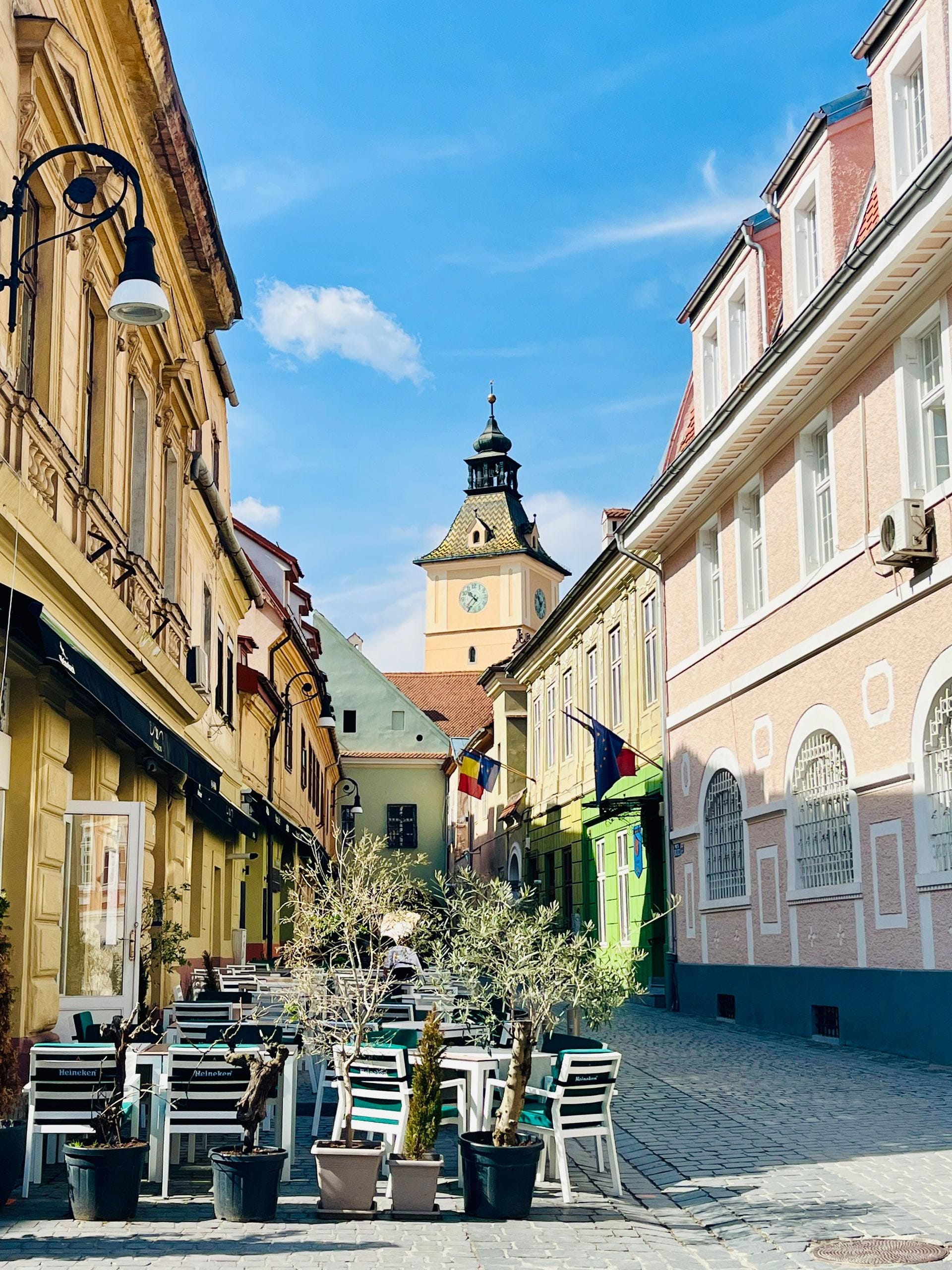
Sighișoara is one of the best-preserved medieval citadels in Europe and a Unesco World Heritage site — yet it remains remarkably under-visited. Its hilltop fortress, with its nine surviving towers and cobbled lanes, is a labyrinth of history that rewards exploration. The town is also the birthplace of Vlad the Impaler, the historical figure who inspired Dracula, but it's the vibrant Saxon heritage and the sweeping views over the Transylvanian countryside that are the real draw.
The town's hilltop cemetery and the covered staircase leading to the upper citadel are highlights, as is the annual Medieval Festival, which transforms the town into a living history museum each July. Outside festival dates, however, you'll find it refreshingly free from the tourist hordes.
Don't miss: Climbing the 175 steps of the Covered Staircase to the upper citadel for panoramic views.
4. Nafplio, Peloponnese, Greece
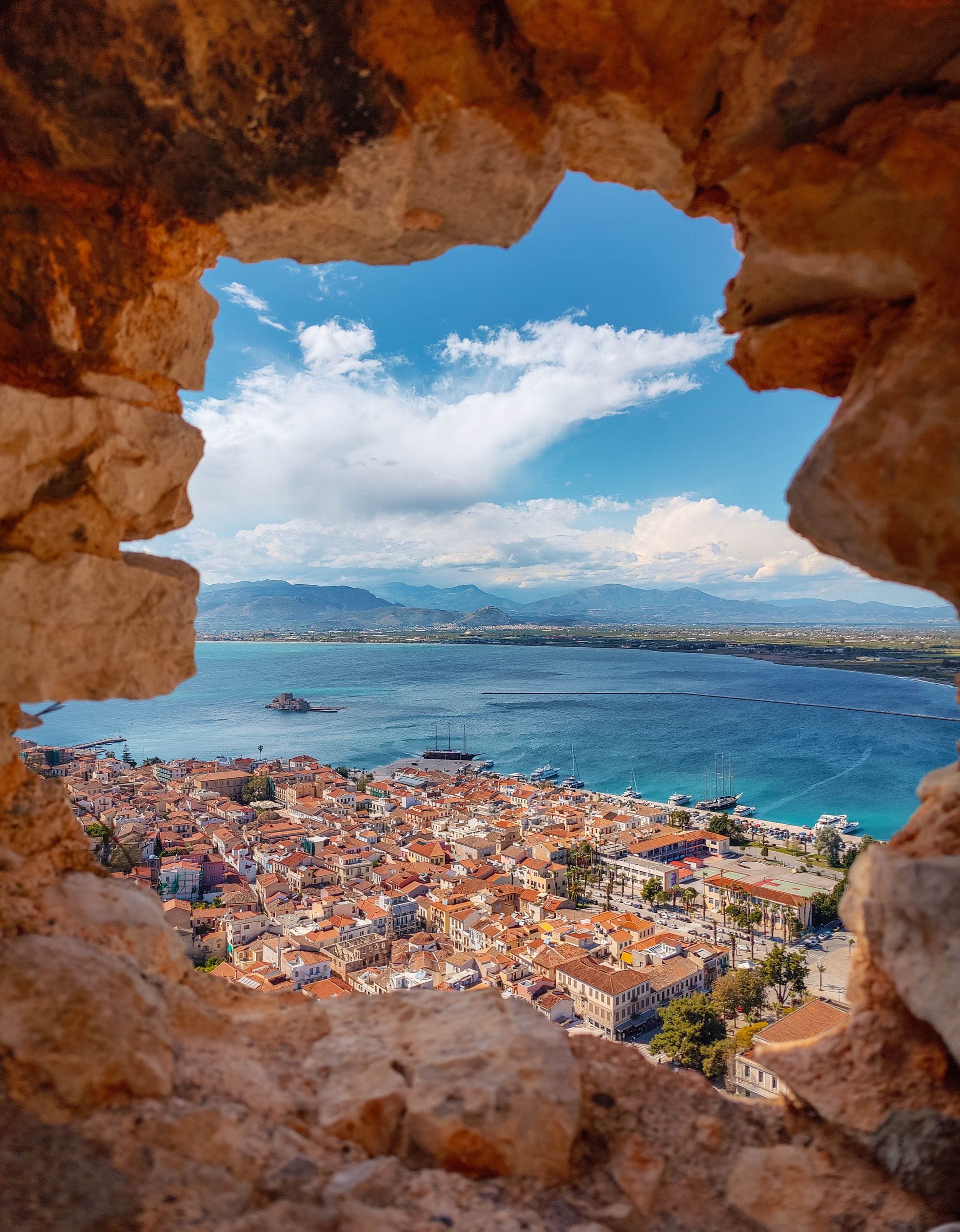
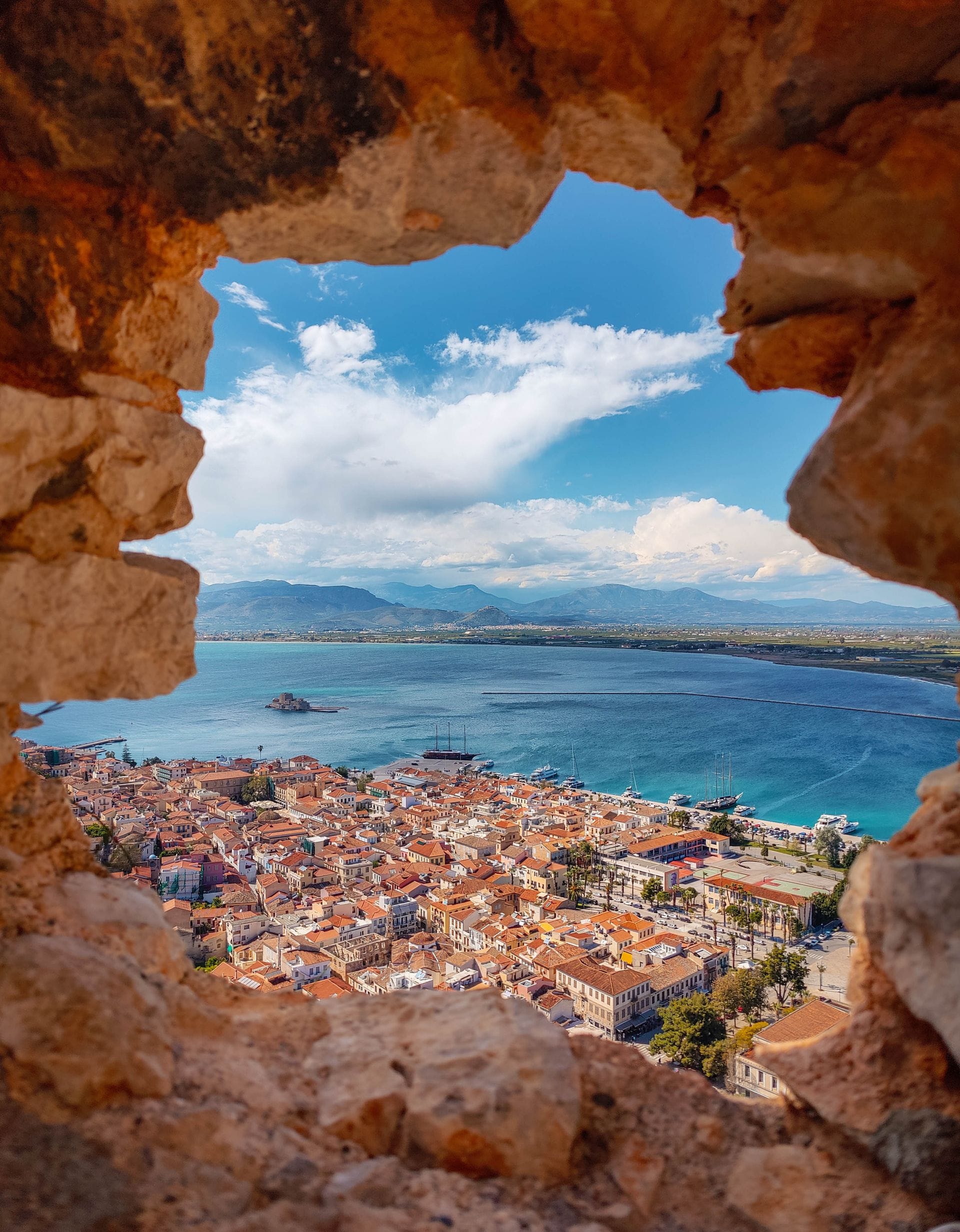
Often overlooked in favour of Athens and the islands, Nafplio is arguably the most charming town in mainland Greece. Its elegant Venetian architecture, neoclassical mansions and winding alleys lead down to a harbour front that glitters with fishing boats and cafés. The town's three fortresses — Palamidi, Acronafplia and the tiny Bourtzi — provide a constant reminder of its strategic importance.
Nafplio has a distinctly Mediterranean pace, with long lunches and lazy afternoons spent in the shade of the plane trees that line the main square. It's also an excellent base for exploring the Peloponnese, including the ancient sites of Epidaurus and Mycenae.
Don't miss: The sunset view from the Palamidi fortress, with the Argolic Gulf stretching out below.
5. Dinan, Brittany, France
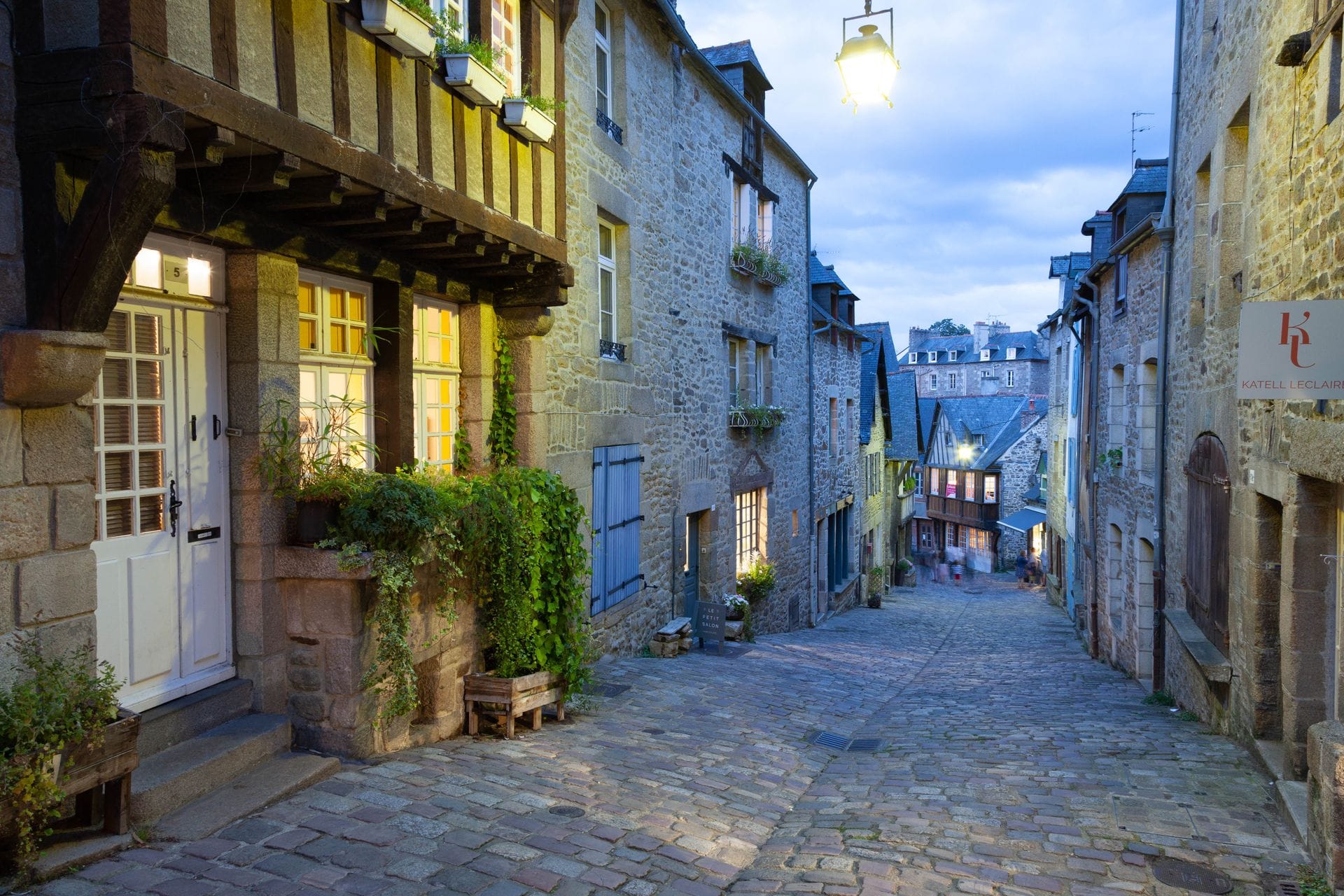
While the towns of the French Riviera and Provence draw the crowds, Dinan in northern Brittany remains a hidden gem. Its half-timbered houses, cobbled streets and medieval ramparts rise dramatically above the River Rance, creating a townscape of rare beauty. The Château de Dinan, with its massive twin towers, dominates the skyline, while the narrow streets below are lined with artisanal shops and crêperies.
Dinan's position on the river makes it a popular stop for boaters, but it's the town's character — proudly Breton and resolutely unpretentious — that makes it so memorable. The Saturday market is a riot of local produce, with fresh oysters, scallops and the region's famous buckwheat galettes.
Don't miss: The view from the Jardin des Anglais, a public garden that offers the best perspective over the town and river.
6. Trogir, Dalmatia, Croatia
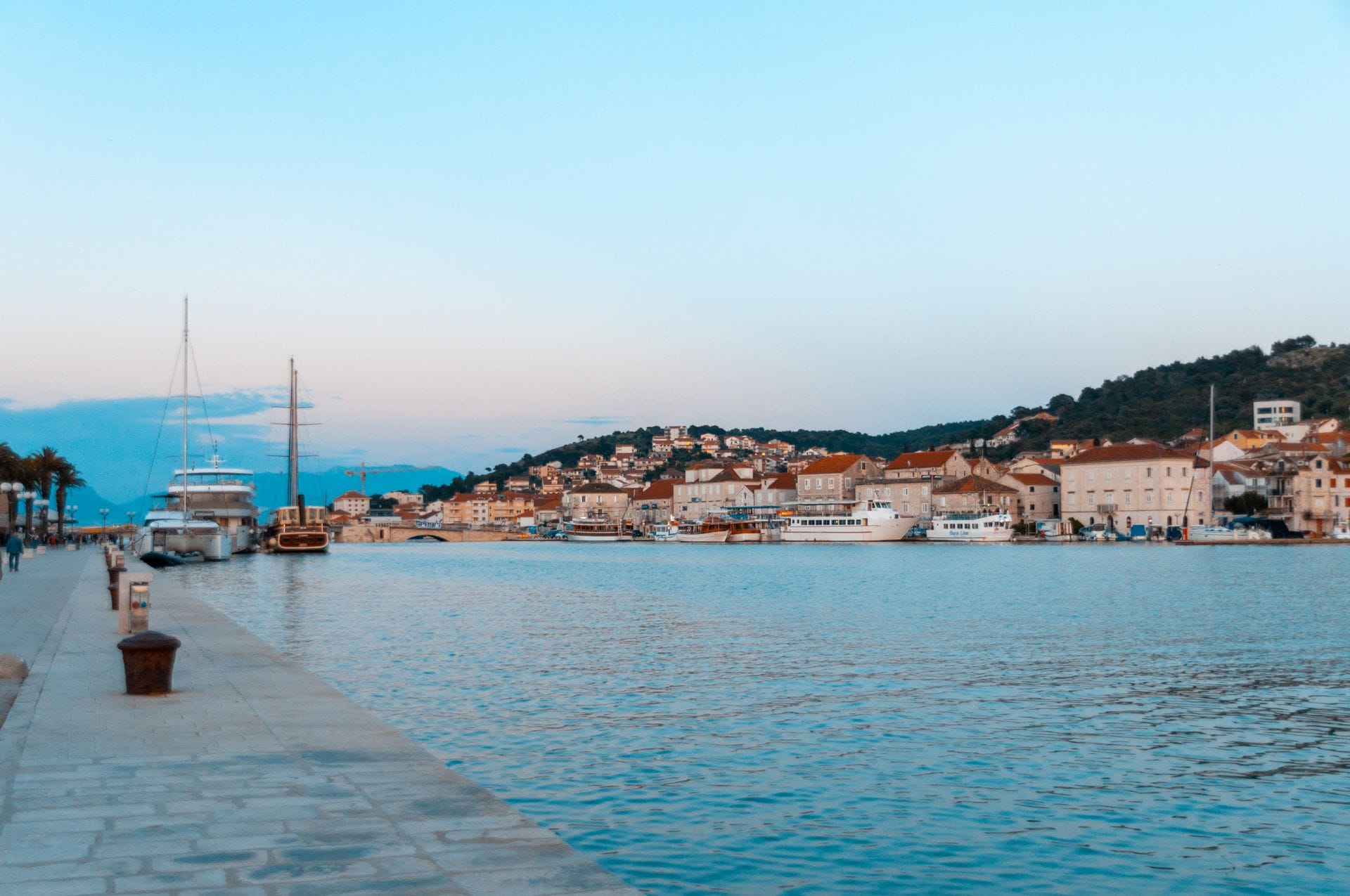
Often overlooked in favour of nearby Split and Dubrovnik, Trogir is a small island-town connected to the mainland by a bridge. Its perfectly preserved Romanesque and Renaissance architecture earned it a Unesco listing, but it remains a living, breathing town rather than an open-air museum. The cathedral of St Lawrence, with its magnificent portal carved by Master Radovan, is a masterpiece of Dalmatian art.
Trogir's compact scale makes it ideal for a day of aimless wandering, with its narrow alleys opening onto sun-drenched squares where locals gather for coffee. The yacht-filled marina adds a touch of glamour, but the town's soul remains resolutely Mediterranean.
Don't miss: Taking a small boat across to the nearby island of Čiovo for a swim in the crystal-clear Adriatic.
7. Girona, Catalonia, Spain
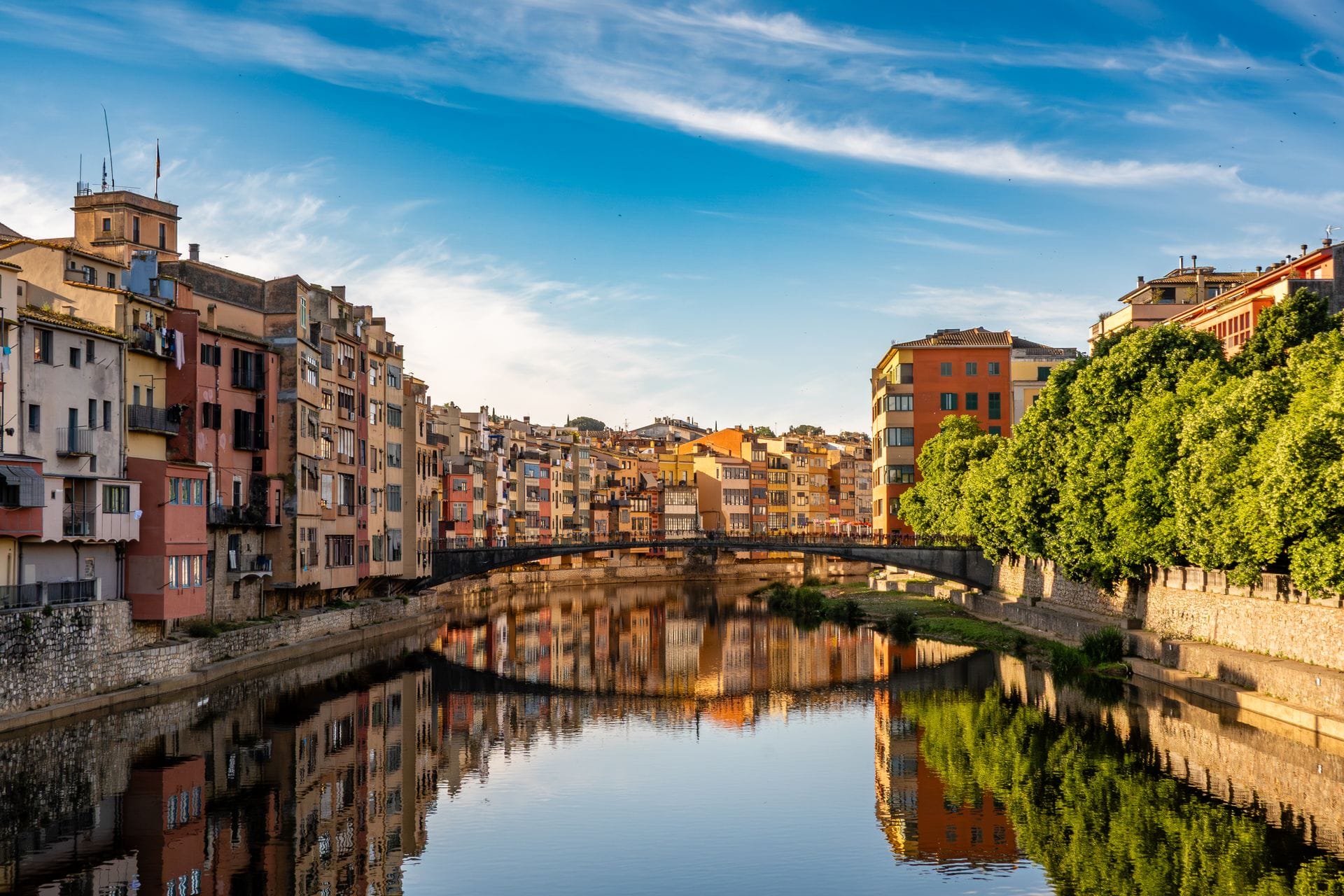
Girona is just an hour from Barcelona by train, yet it feels a world apart. Its medieval Jewish quarter, known as the Call, is one of the best-preserved in Europe, and its cathedral, with the widest Gothic nave in the world, is a testament to the town's former power. The colourful houses that line the River Onyar, reflected in the water, are iconic Catalonia.
Girona's culinary scene is exceptional, with several Michelin-starred restaurants including El Celler de Can Roca, which needs little introduction. But the town's real charm lies in its timeless atmosphere — it's a place of steep staircases, hidden courtyards and long views across the Catalan countryside.
Don't miss: Walking the Passeig Arqueològic, a path that follows the old city walls with stunning views over the town.
8. Trondheim, Norway
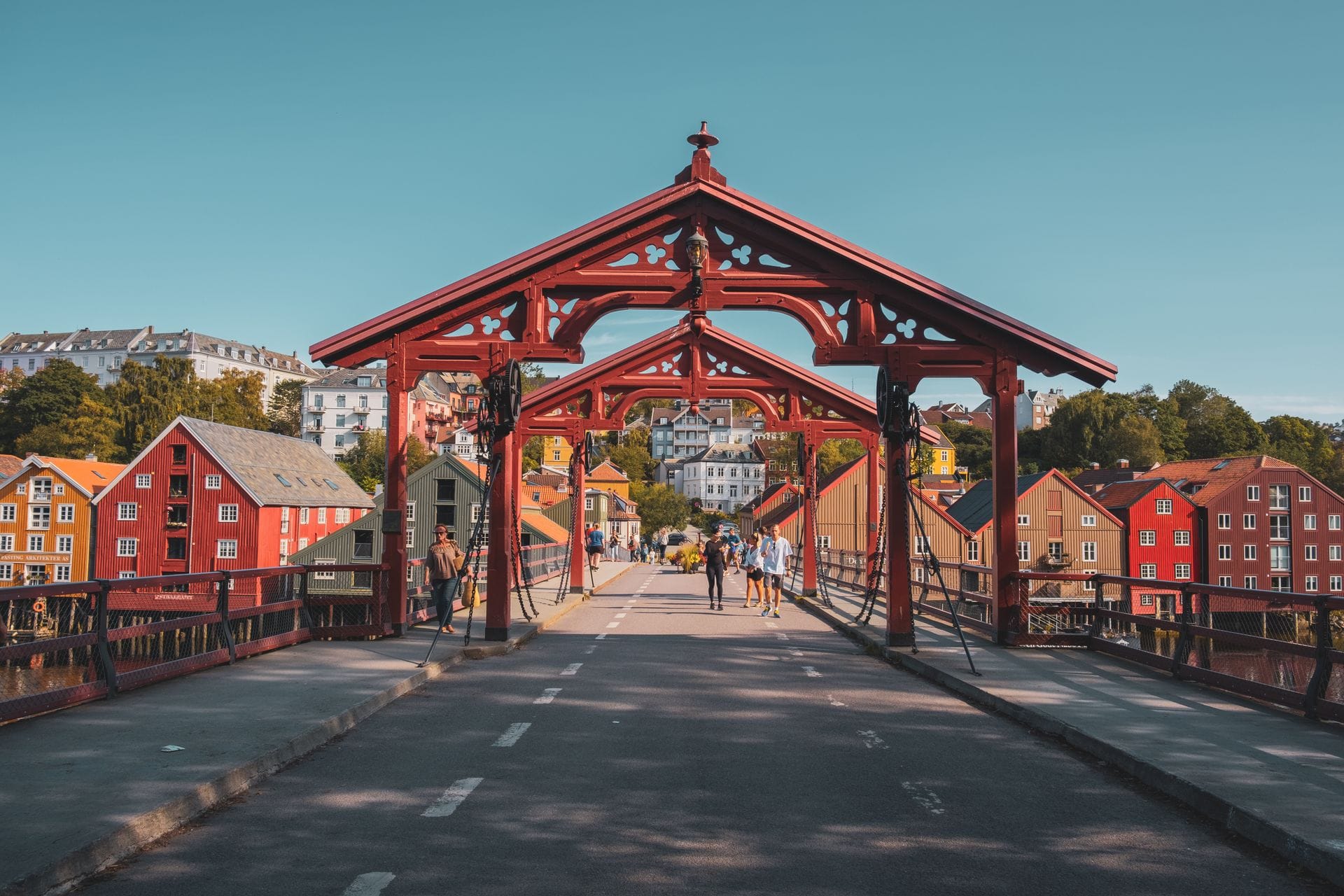
While Oslo and Bergen get most of the attention, Trondheim offers a quieter, more intimate Norwegian experience. Its colourful wooden warehouses line the banks of the Nidelva River, and its Gothic cathedral — Nidarosdomen — is one of the most impressive in Scandinavia. The city has a youthful, academic atmosphere, thanks to its university, yet it feels far removed from the tourist trail.
Trondheim's location in the heart of the Trøndelag region makes it a natural base for exploring the surrounding fjords and countryside. The city's commitment to food is also noteworthy, with a growing reputation for farm-to-table dining.
Don't miss: Cycling along the river path and crossing the old city bridge for the classic postcard view of the colourful houses.
9. Cognac, Nouvelle-Aquitaine, France
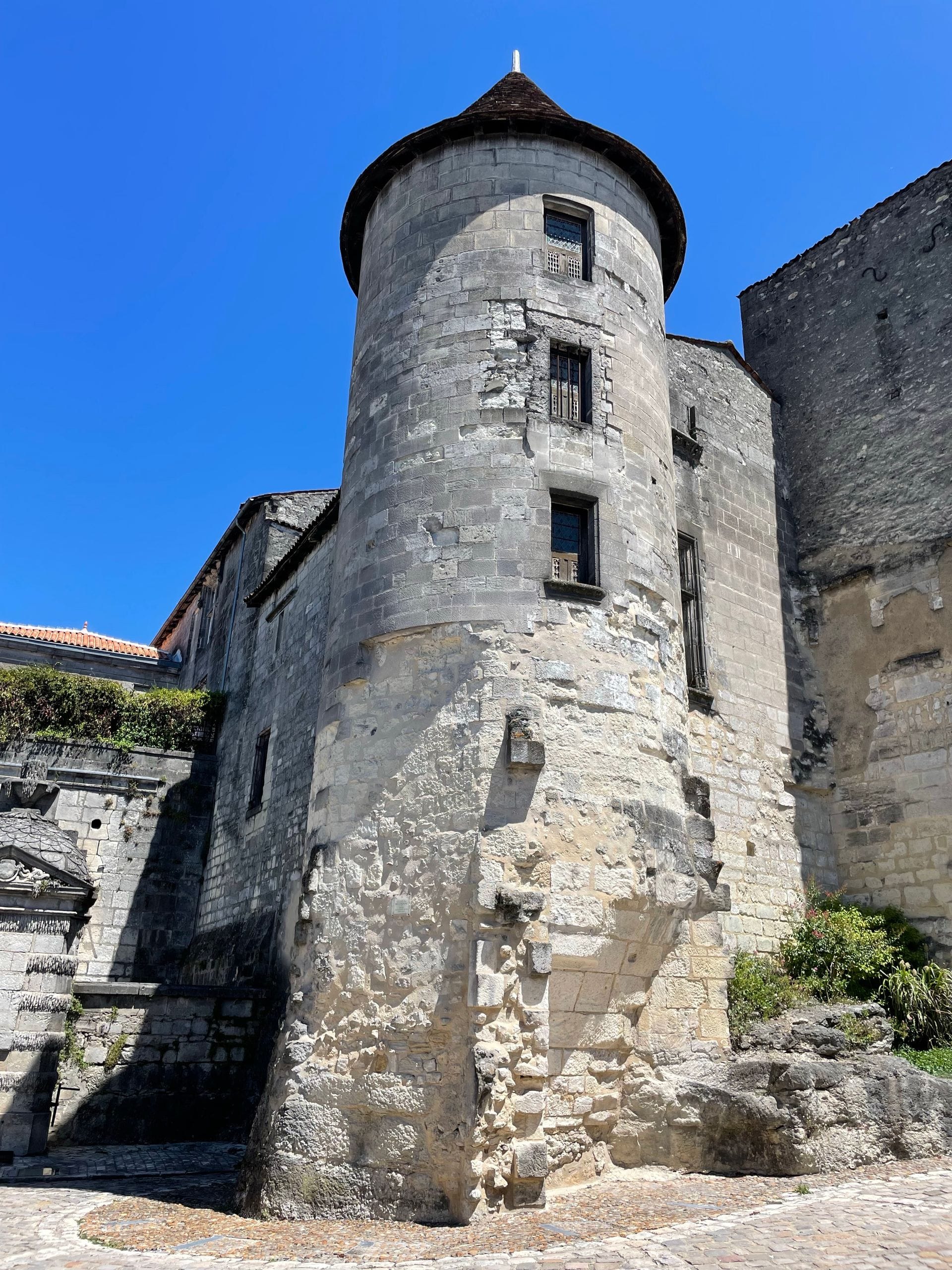
Cognac's name is synonymous with the spirit that bears it, but the town itself is far more than a single industry. Its handsome stone buildings line the Charente River, and its streets are filled with the scent of ageing spirits from the many distilleries that still operate in the town centre. The old town, with its half-timbered houses and quiet squares, rewards exploration.
The town's real charm lies in its unhurried pace and its connection to the landscape — the surrounding vineyards and rolling hills make for beautiful cycling country. And, of course, there's the small matter of the brandy itself; tours of the major houses are easily arranged, but the smaller, family-run operations offer a more personal experience.
Don't miss: A boat trip along the Charente River, which offers a unique perspective on the town's architecture.
10. Ferrara, Emilia-Romagna, Italy
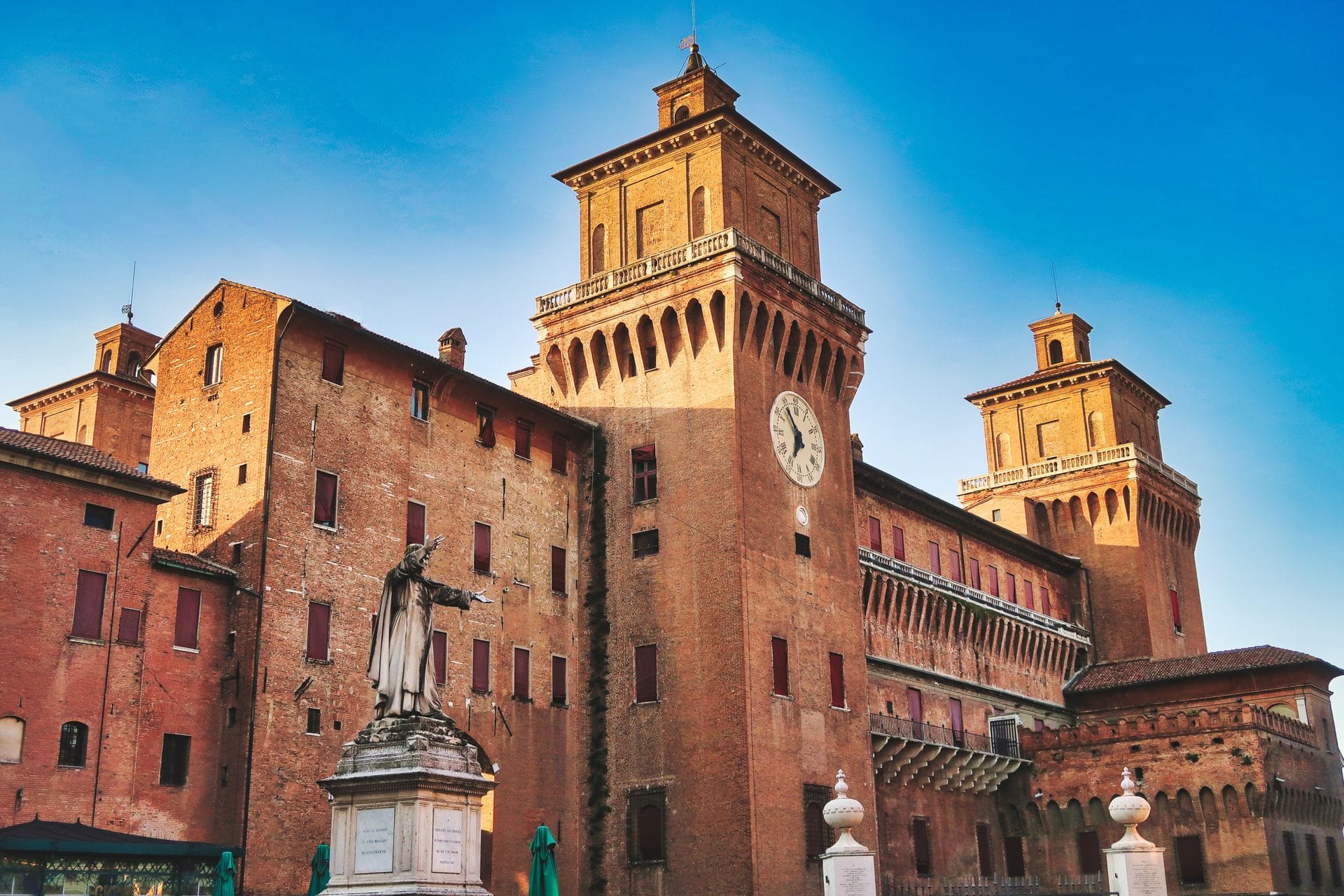
Ferrara is a Renaissance gem that many visitors to Italy overlook in favour of Bologna or Modena. Its handsome palaces, wide streets and massive moated castle — the Castello Estense — speak to its former power as the seat of the Este dynasty. The town's Renaissance layout, designed by Biagio Rossetti, is a masterpiece of urban planning.
Ferrara is also one of Italy's great food cities, with a tradition of hearty, unfussy cooking. The local speciality is cappellacci di zucca — pasta parcels filled with pumpkin — and the town's salami and cured meats are legendary. Despite its treasures, Ferrara remains a calm, provincial city with few crowds.
Don't miss: The view from the top of the Castello Estense, which offers a bird's-eye perspective over the town.
11. Verbania, Piedmont, Italy
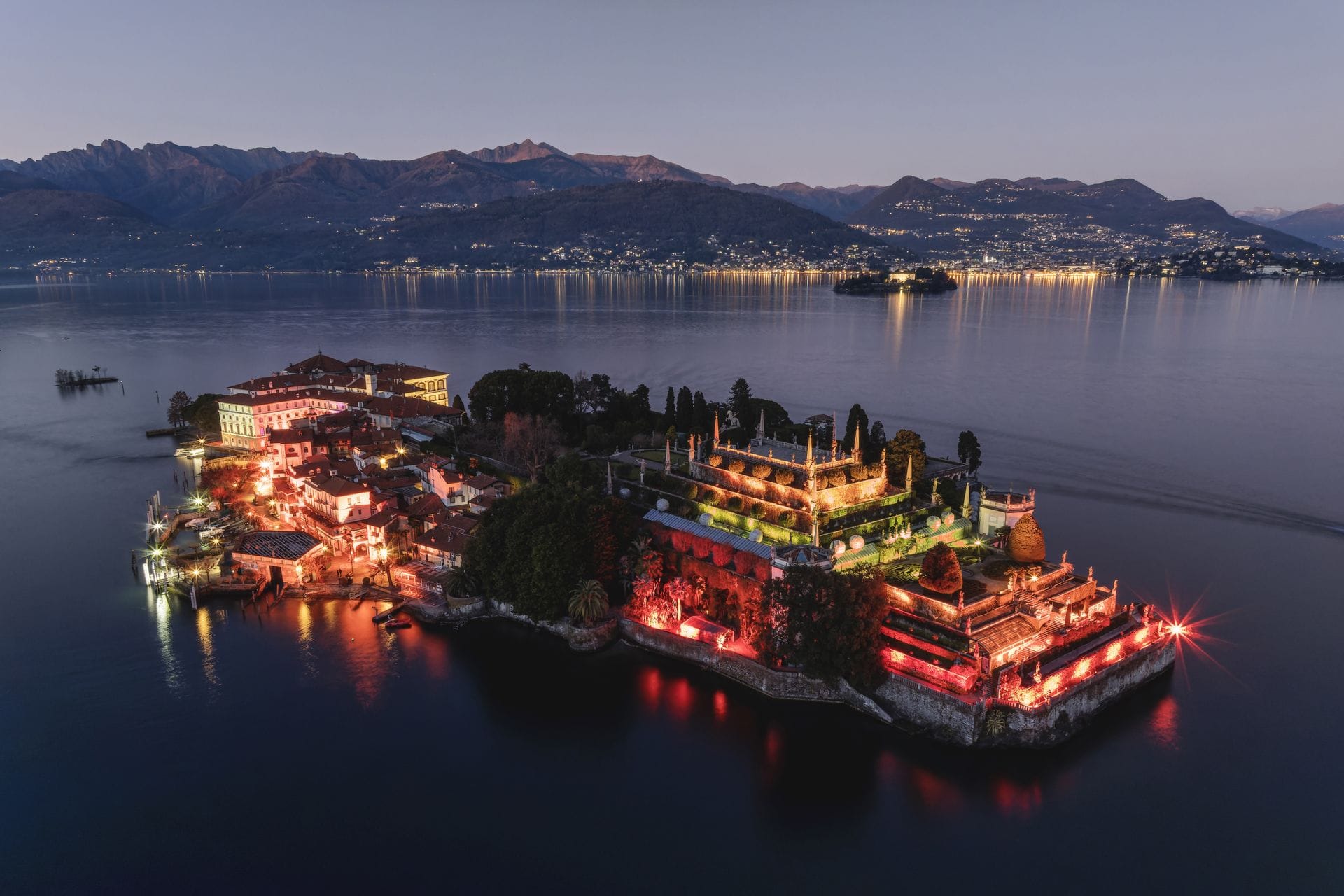
On the western shore of Lago Maggiore, Verbania has none of the swagger of Stresa on the opposite bank. Its grand villas, including Villa Taranto with its magnificent botanical gardens, are relics of the era when Italian aristocrats summered on the lake, but the town itself has a modest, workaday atmosphere that is refreshingly different from the nearby resort towns.
The lake is the main attraction, and a day spent exploring its islands — Isola Madre, Isola Bella and Isola dei Pescatori — is easily arranged. Verbania's position also makes it a good base for exploring the surrounding mountains and the quieter reaches of the Piedmont countryside.
Don't miss: The gardens of Villa Taranto, which are considered among the finest in Europe.
12. Piran, Slovenian Istria, Slovenia
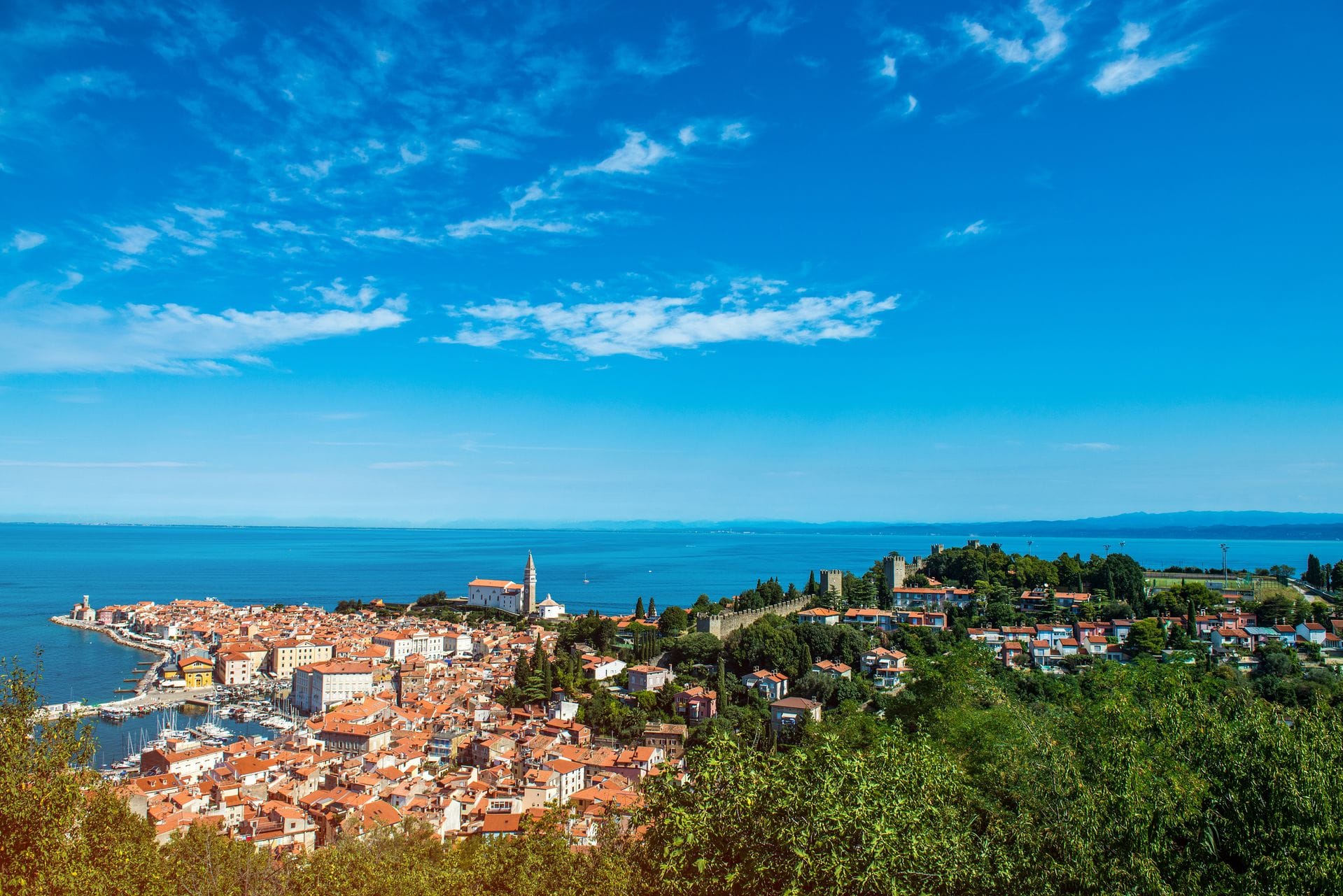
Piran is the undisputed jewel of the Slovenian coast, a narrow peninsula of Venetian architecture that juts into the Adriatic. Its red-tiled roofs and pastel walls rise steeply from the harbour, and its narrow alleys are a joy to explore. The town has been shaped by centuries of Venetian rule, and its architecture, language and culture still reflect that heritage.
Piran's small size means that it can feel crowded in high summer, but it remains far less visited than the Croatian towns just down the coast. The views from the bell tower of St George's Church are magnificent, and the local seafood is some of the best in Slovenia. It's a place of dreams and a reminder that the Adriatic's charm extends well beyond the borders of Italy.
Don't miss: Watching the sunset from the Punta, the tip of the peninsula where the sea stretches out towards Venice.