There is a particular quality to a life lived with intention. It is not about doing nothing but about doing things with care, about being present for the moments that matter. In a world that celebrates busyness, that equates productivity with worth, the choice to slow down is a quiet act of resistance. It is a decision to prioritise what truly matters, to let go of what does not, to reclaim the time that has been stolen by the relentless demands of modern life.
I spoke to three wellness experts about how to embrace a more intentional, calmer life. They shared their key starting points, from stepping away from screens to rediscovering the pleasure of movement, from learning to say no to reconnecting with the natural world. Each one offered a perspective that was both practical and profound, a reminder that the intentional life is not a luxury but a necessity.
Step Away from the Screen
The first step to living more intentionally is to create distance from the digital world. Our lives have become hyper-connected, our attention fragmented by notifications and screens. The constant ping of a phone, the endless scroll of social media, the pressure to respond instantly—these are the forces that keep us trapped in a cycle of busyness.

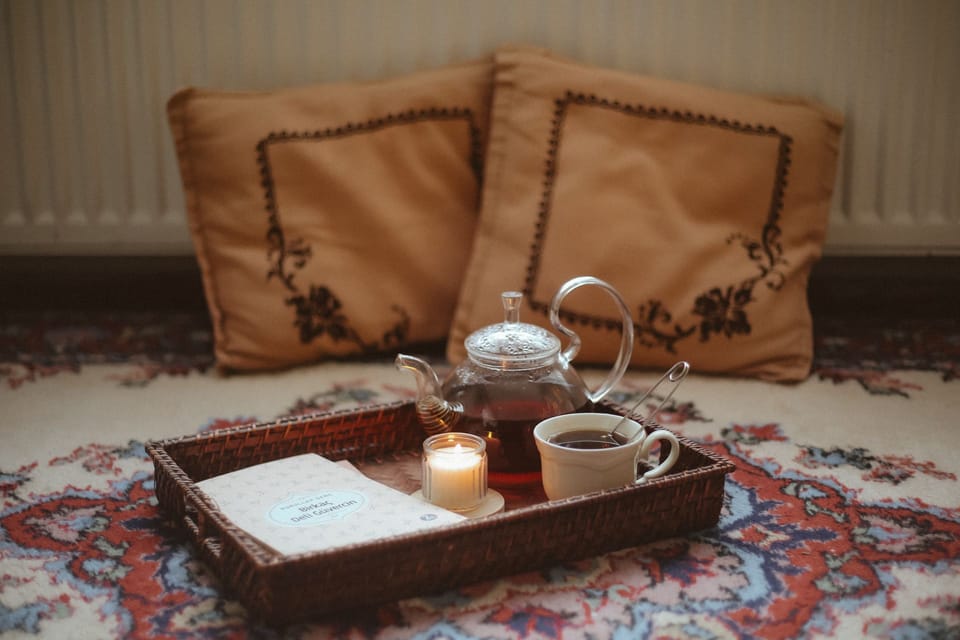
Jodie Rogers, a yoga teacher and founder of the Slower Space, suggests exploring ways to unplug from digital devices and experimenting with what you can add instead. Reading, baking, journaling, knitting—any activity that involves using your hands and requires focus can help bring more mindfulness to your actions.
The act of stepping away from the screen is not about deprivation. It is about creating space, about making room for something else. When you put down the phone, you open up a possibility for presence.
She recommends starting small. Choose an hour each day to be screen-free, perhaps in the morning or before bed. Use that time to do something that requires attention, that slows you down, that forces you to be present. The benefits, she says, are cumulative. Over time, you will find that you are less distracted, more focused, more connected to the world around you.
Rediscover the Pleasure of Movement
Exercise is often framed as a chore, something we do to achieve a particular outcome—fitness, weight loss, health. But movement can also be a form of mindfulness, a way of connecting with the body and slowing the mind.
Maud Eeckman, a yoga teacher and mindset coach, advocates for creative movement as a path to a more intentional life. She describes the experience of a playful yoga class as a way to force the mind to pay attention, to try new movements that instantly connect you to the body. The intention is not to achieve anything, but simply to be in the moment.
The body knows exactly what to do. When you close your eyes and let it move, without worrying about how it looks, you allow yourself to be guided by something deeper than thought.
She suggests starting with simple movements on a yoga mat, wiggling without any agenda other than to feel into the movement. Within a few minutes, the mind begins to slow down. There is also a physical benefit: moving and stretching can release emotions stored in the connective tissue, leaving you feeling lighter both physically and emotionally.
Learn to Say No
The fear of missing out is one of the defining anxieties of the modern age. It drives us to say yes to things we do not really want to do, to attend events that drain us, to maintain connections that do not nourish us. Its opposite, the joy of missing out, offers a different path.
Hector Hughes, co-founder of Unplugged digital detox cabins, describes this shift as the antithesis of FOMO. It is about saying no to things that do not align with your values or priorities, about moving away from the status quo that glorifies being in the fast lane. It is about reflecting on where you want to invest your energy and making conscious choices.
The ability to say no is not about isolation. It is about discernment. It is about choosing the things that truly matter and letting the rest fall away.
To embrace this approach, start by getting clear on what really matters to you. Every time something comes up—an invitation to a party, a request for a coffee, a new project—consider whether it feels aligned with your priorities. Use this as your guide. Over time, you will find that you are saying yes to fewer things but that the things you say yes to are more meaningful.
Reconnect with the Natural World
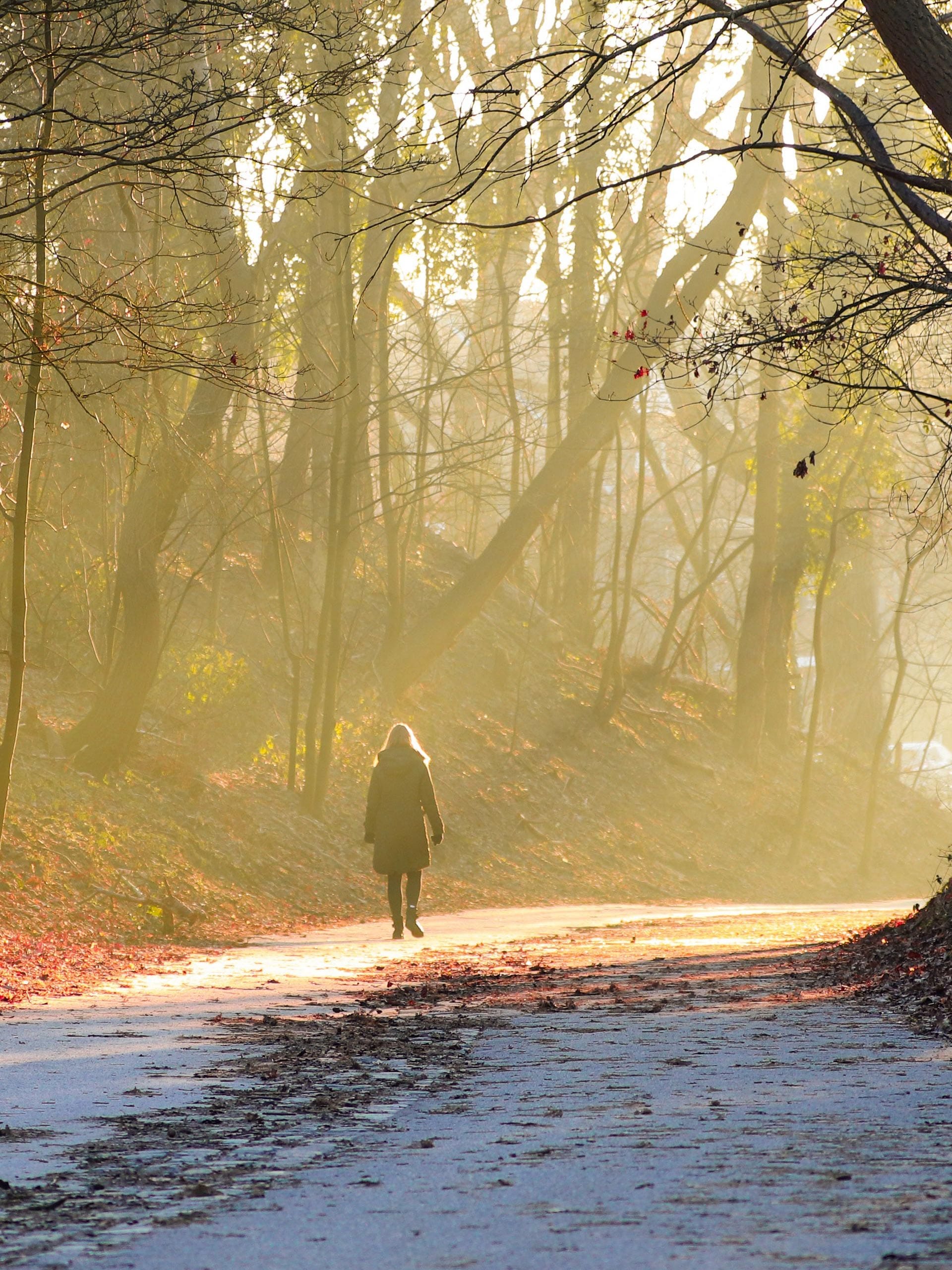
The connection between nature and wellbeing is well-documented. Studies have shown that even a short time spent in a natural environment can lower stress hormone levels, improve mood, and reduce symptoms of anxiety and depression. For Hector Hughes, a daily walk in nature is essential to a more intentional life.
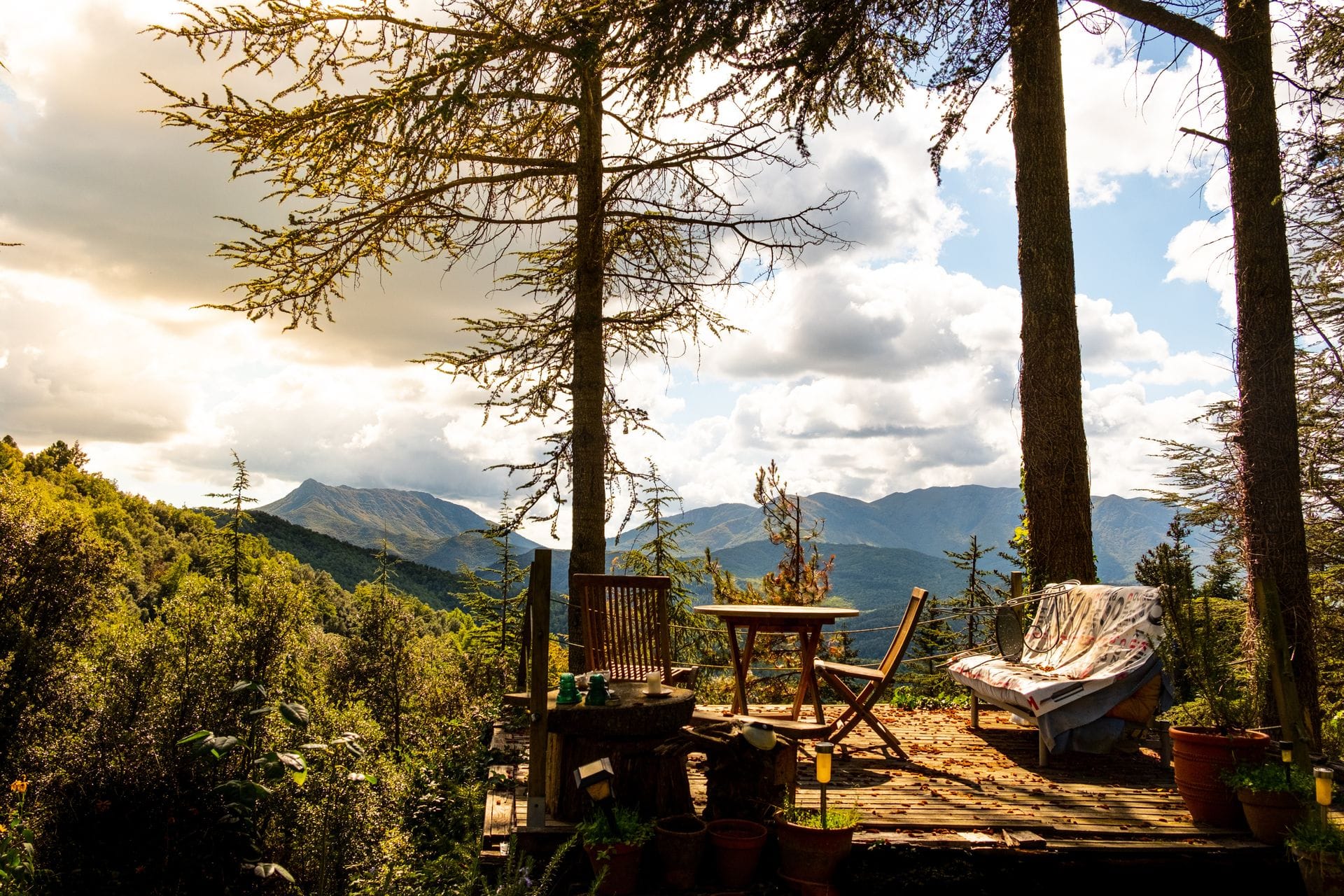
The world moves too fast. Nature does not. A walk in the woods or along the coast is a reminder that there is a different rhythm, a slower pace, a way of being that is not governed by the demands of productivity.
He recommends leaving the phone at home to reduce the mental clutter driven by constant connectivity. Instead, focus on the details: the sound of birds, the colour of the leaves, the feel of the air on your skin. These small observations are a form of mindfulness, a way of being present in the moment.
Create a Vision for Your Life
If you spend your days rushing around ticking tasks off your to-do list, the idea of a more intentional life can feel abstract, almost unattainable. Visualisation is a practical tool for bringing that vision into focus.

Maud Eeckman recommends taking a few deep breaths to ground yourself and then visualising the life you want to create. Consider every aspect: what it looks like in your daily life, how it feels, what you are doing, what you are not doing. This practice helps you get clear on what intentional living means to you and allows you to identify daily habits you can build upon.
The act of visualisation is not about dreaming. It is about preparing. When you create a clear image of what you want, you are more likely to take the steps to make it real.
Whenever life feels too fast, you can return to this visualisation as a reminder of what you are working towards. It is a way of staying connected to your intention, of remaining focused on the path you have chosen.
A Final Thought
Slowing down is not a luxury. It is not something to be postponed until the work is done, the list is complete, the demands have been met. It is a practice, something that must be cultivated and chosen, day after day. The experts I spoke to all agreed on this: a more intentional, calmer life is not about doing less but about doing things with more attention, more presence, more care. It is about reconnecting with what matters and letting go of what does not. And in a world that never stops demanding, it is one of the most radical choices you can make.