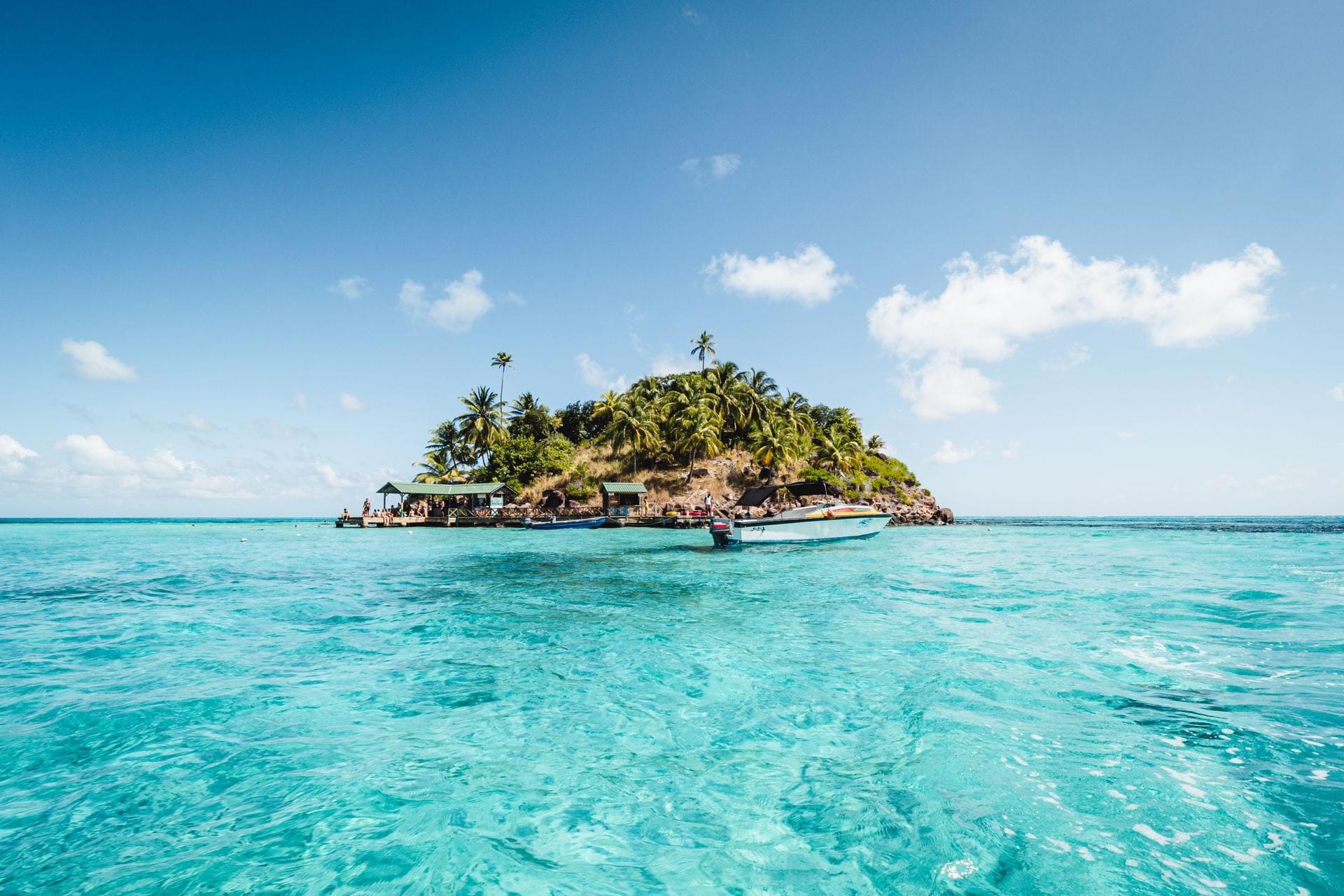
There is a moment, just after the wheels touch down on the tiny airstrip of Union Island, when you realise you have crossed into a different world. The runway is short, almost impossibly so, and it ends at the edge of a shimmering lagoon. A warm breeze carries the scent of salt and frangipani, and the light—that extraordinary Caribbean light—seems to soften everything it touches, turning the water to liquid sapphire and the sand to powdered sugar.
I have long believed that you can judge a destination by its airport. The quality of the welcome, the efficiency of the process, the journey from plane to paradise—all of it speaks volumes. Here, the path from tarmac to transfer was a leisurely stroll past a single-room terminal, where luggage was handed over with a smile, and we were ushered onto a waiting boat within minutes. No queues. No stress. Just the promise of the islands ahead.
Setting Sail Through the Jewels of the Caribbean
The Grenadines are a necklace of 32 islands and cays, stretching from St Vincent in the north to Grenada in the south. Only a handful are inhabited; the rest remain untouched, wild and pristine. This is not a destination for those seeking bustling nightlife or packaged entertainment. It is a place for those who understand that true luxury lies in solitude, in untrammelled nature, and in the rhythm of wind and water.
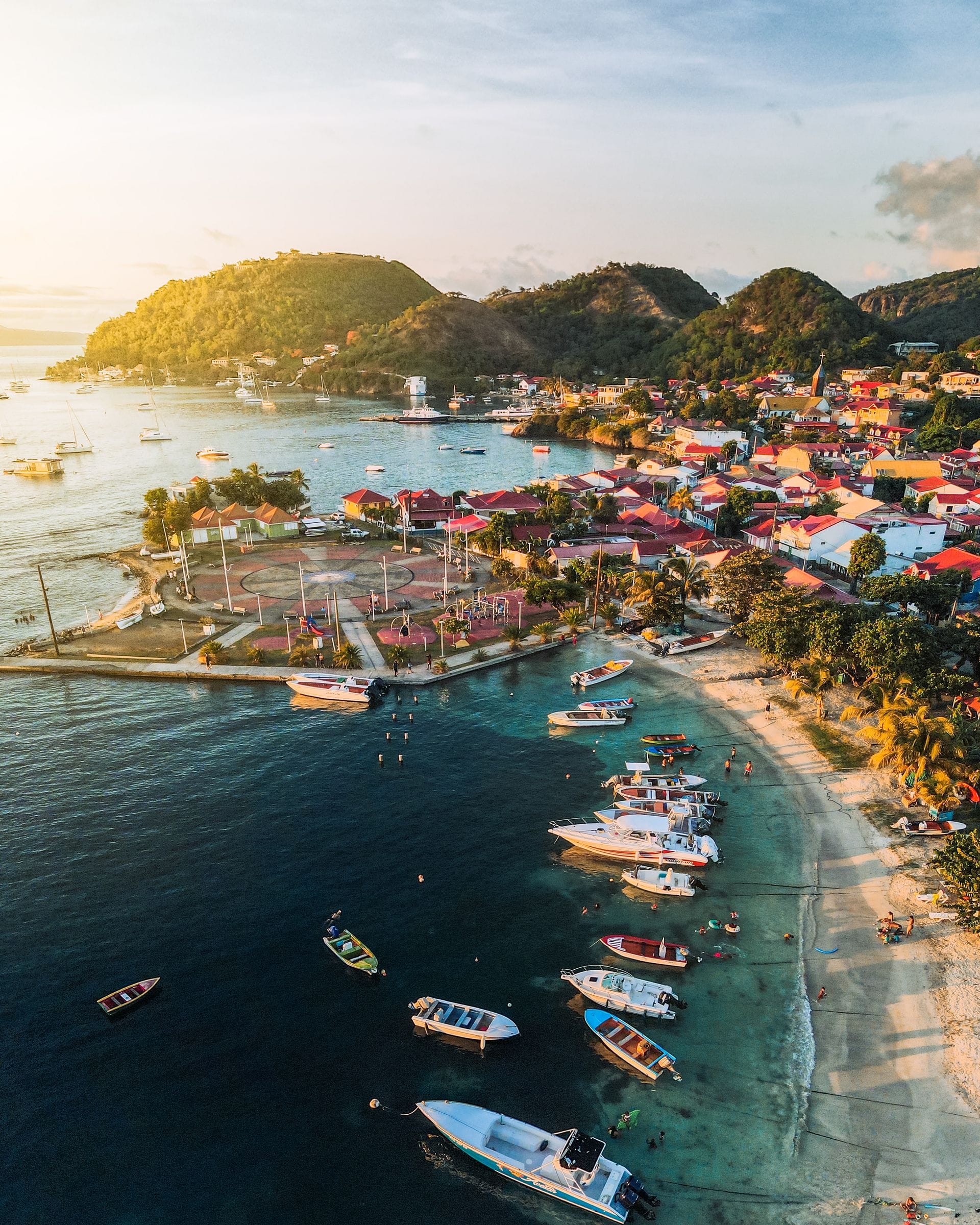
My journey began on the island of Canouan, where the recently opened Mandarin Oriental has breathed new life into this once-sleepy outpost. Approached by boat across the impossibly blue waters of the Tobago Cays, the resort reveals itself gradually—a low-slung collection of villas and pavilions in soft Caribbean hues, their shingled roofs blending into the surrounding vegetation.
Canouan has always been special,” said a local guide, as we skirted the coast. “The islanders have known it for generations. It's only now that the rest of the world is beginning to discover its secrets.
The Mandarin Oriental's design is a masterclass in island living, with interiors that marry Caribbean vernacular with contemporary elegance. The villas are generously proportioned, each one with its own infinity pool overlooking the sea, and the bathrooms are temples to light and space, with rainwater showers and freestanding tubs placed to capture the views.
A Private Island Sanctuary
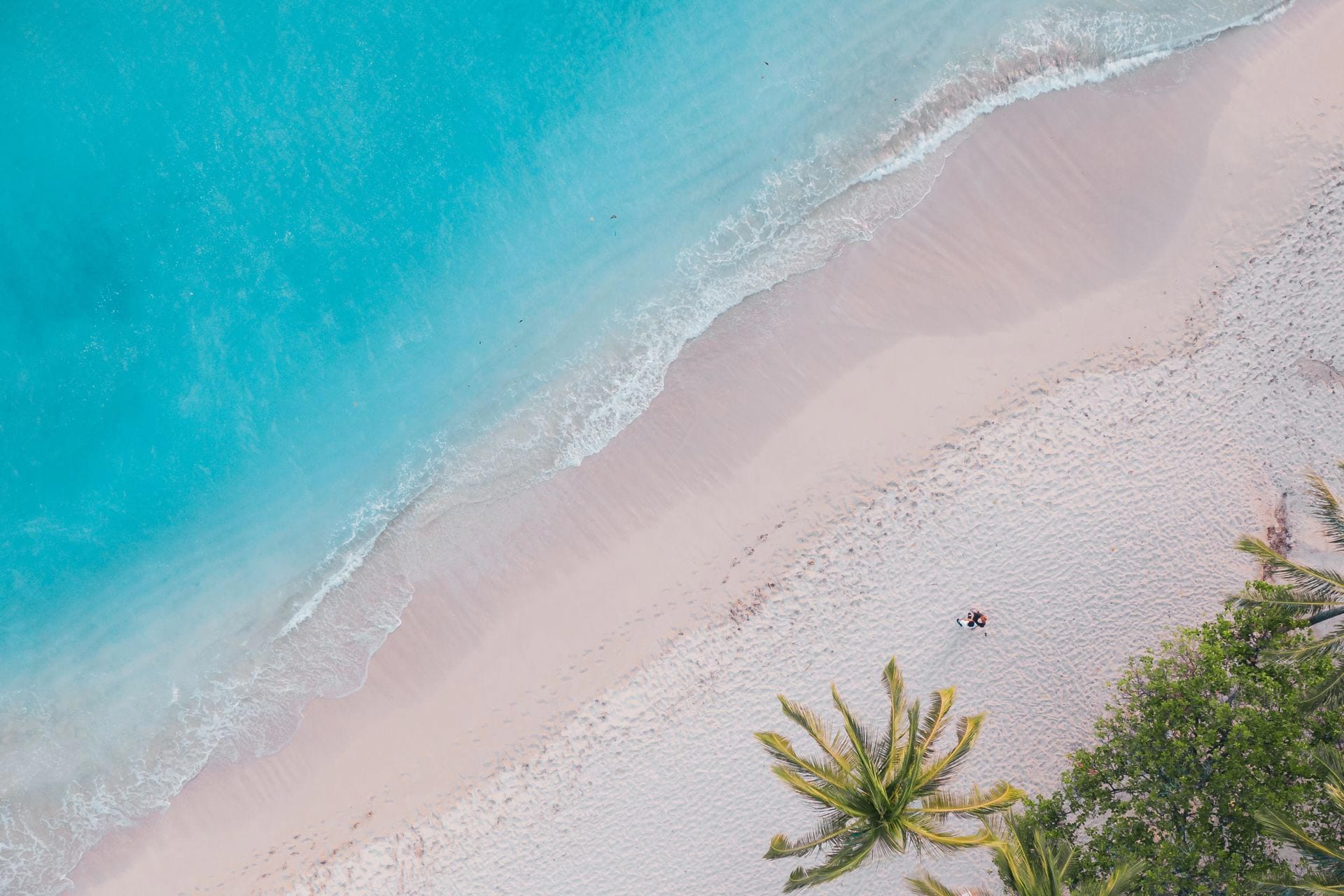
From Canouan, a short hop by boat took me to the private island of Petit St Vincent, a palm-fringed retreat where the 20th century seems never to have arrived. There are no phones, no televisions, and no Wi-Fi in the rooms. Instead, communication with staff is conducted via a system of flags—a yellow flag for service, a red flag for privacy.
"It's the only way to truly disconnect," explained the resort's manager, a veteran of several Caribbean properties. "We want our guests to forget the world exists. The flag system is a gentle reminder that this is a place where time moves differently."
The cottages at Petit St Vincent are built from local stone and timber, their walls thick and cool against the heat of the sun. Each one is secluded, hidden among the dense vegetation, and each commands a private stretch of beach that feels like it was made for you alone. The food, too, is exceptional—freshly caught fish, local fruit, and organic vegetables grown on the resort's own farm.
Dining Under the Stars
The Grenadines are a haven for food lovers, with a culinary scene that draws on African, Indian, Caribbean and European influences. In Canouan, the resort's signature restaurant serves dishes that are both inventive and rooted in local tradition. A starter of grilled conch with mango and lime was a revelation—tender, sweet and tangy—while a main course of snapper with a coconut and ginger sauce was pure perfection.
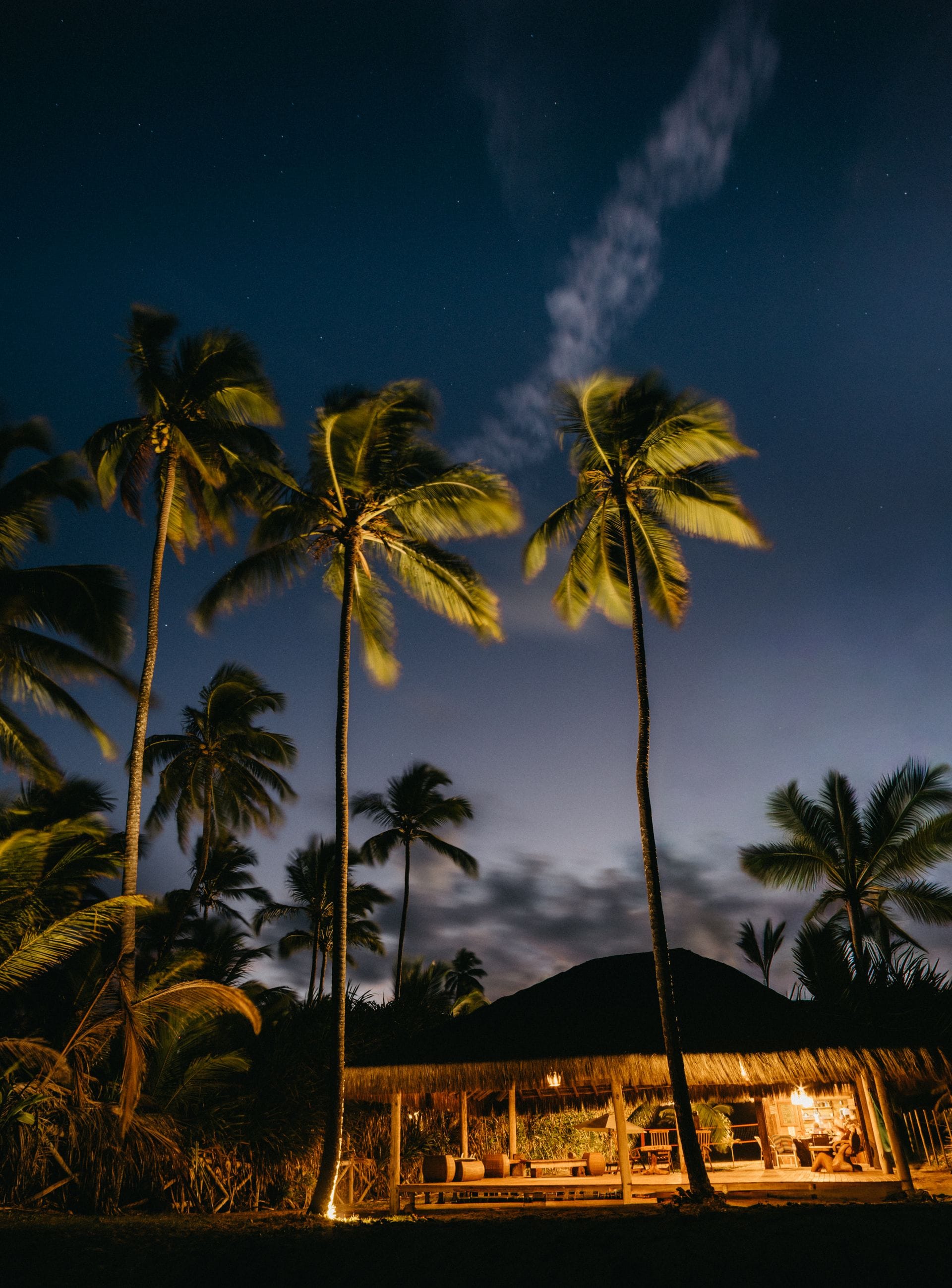
But the true magic happens at the more informal beachfront eateries, where you can sit barefoot in the sand and watch the sun set over the Caribbean. "The food is simple but honest," said the chef at a local spot. "We let the ingredients speak for themselves."
Beyond the Beaches
The Grenadines are not just about beaches, spectacular as they are. The islands are also home to a rich and fascinating history. Bequia, the largest island in the chain, was a haven for whalers in the 19th century, and the whaling tradition—now long abandoned except for a small, regulated fishery—still echoes in the maritime museum. The island is also famous for its model boats, meticulously carved by local craftsmen and prized by collectors around the world.
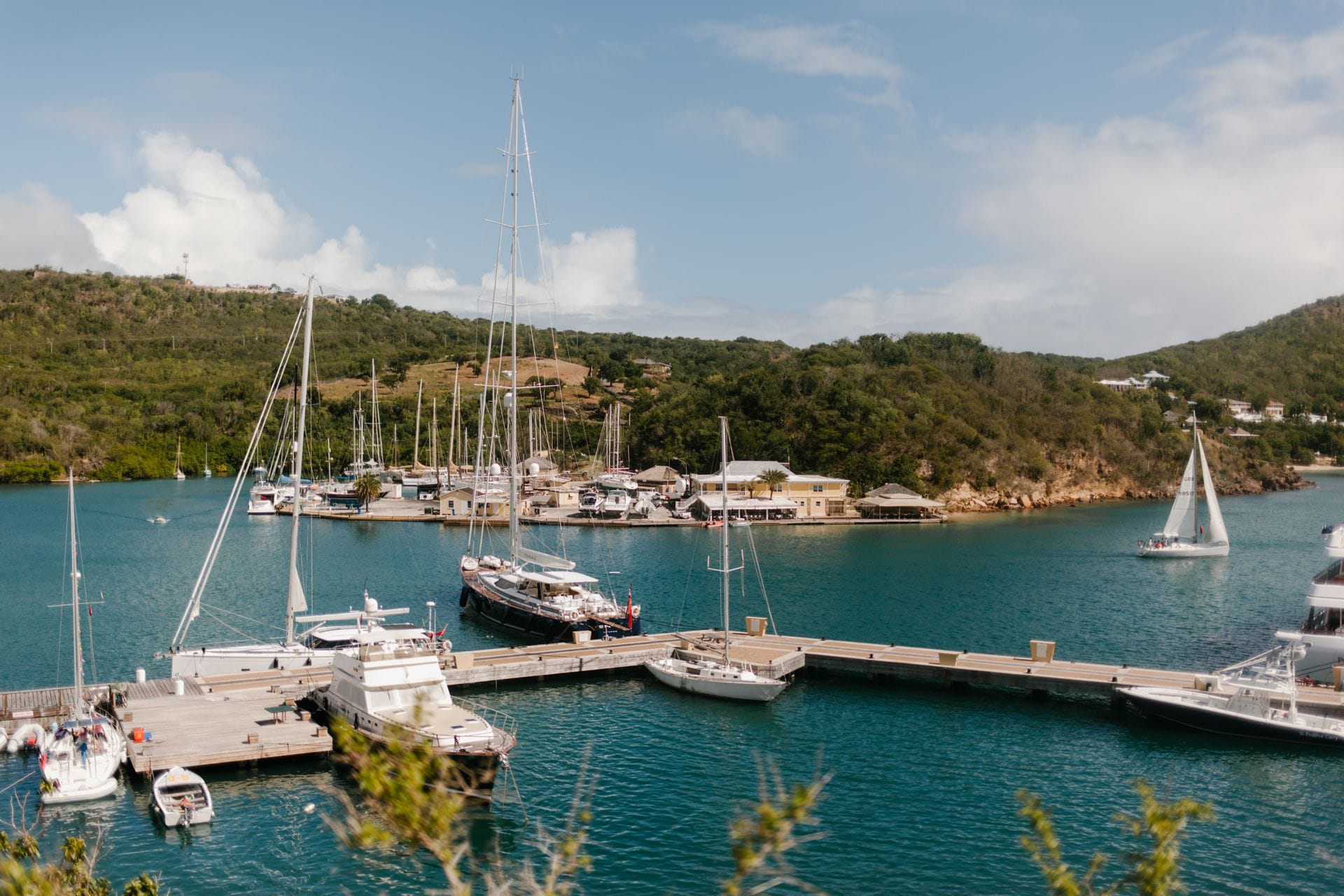
On the island of Mustique, private and exclusive, the ghosts of the 1960s and 70s linger in the villas that once hosted Princess Margaret, Mick Jagger and David Bowie. It remains a playground for the rich and famous, but there is something undeniably charming about its ramshackle glamour—the open-air bars, the unpaved roads, the sense of a place that has never quite been tamed.
The Tobago Cays
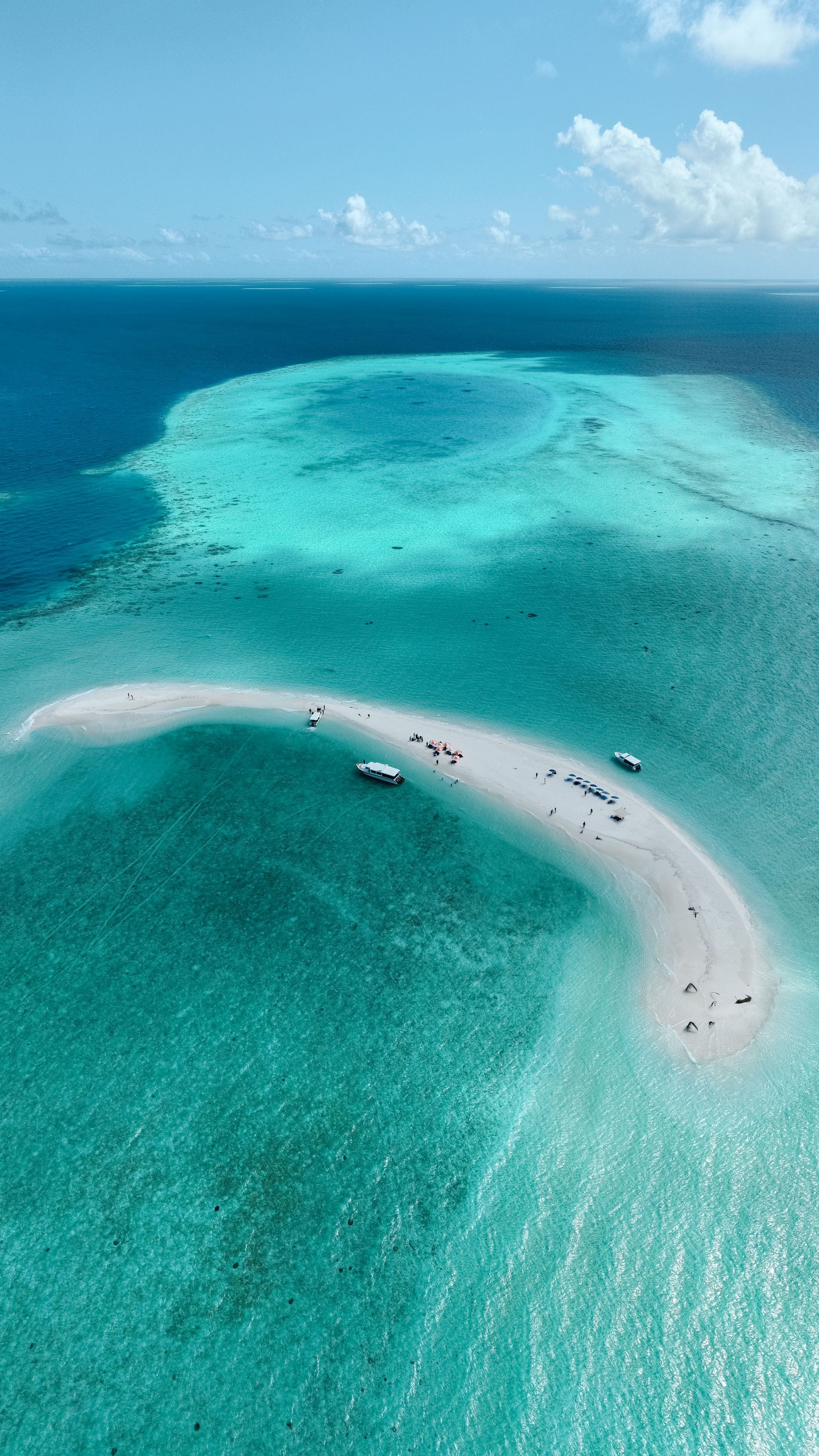
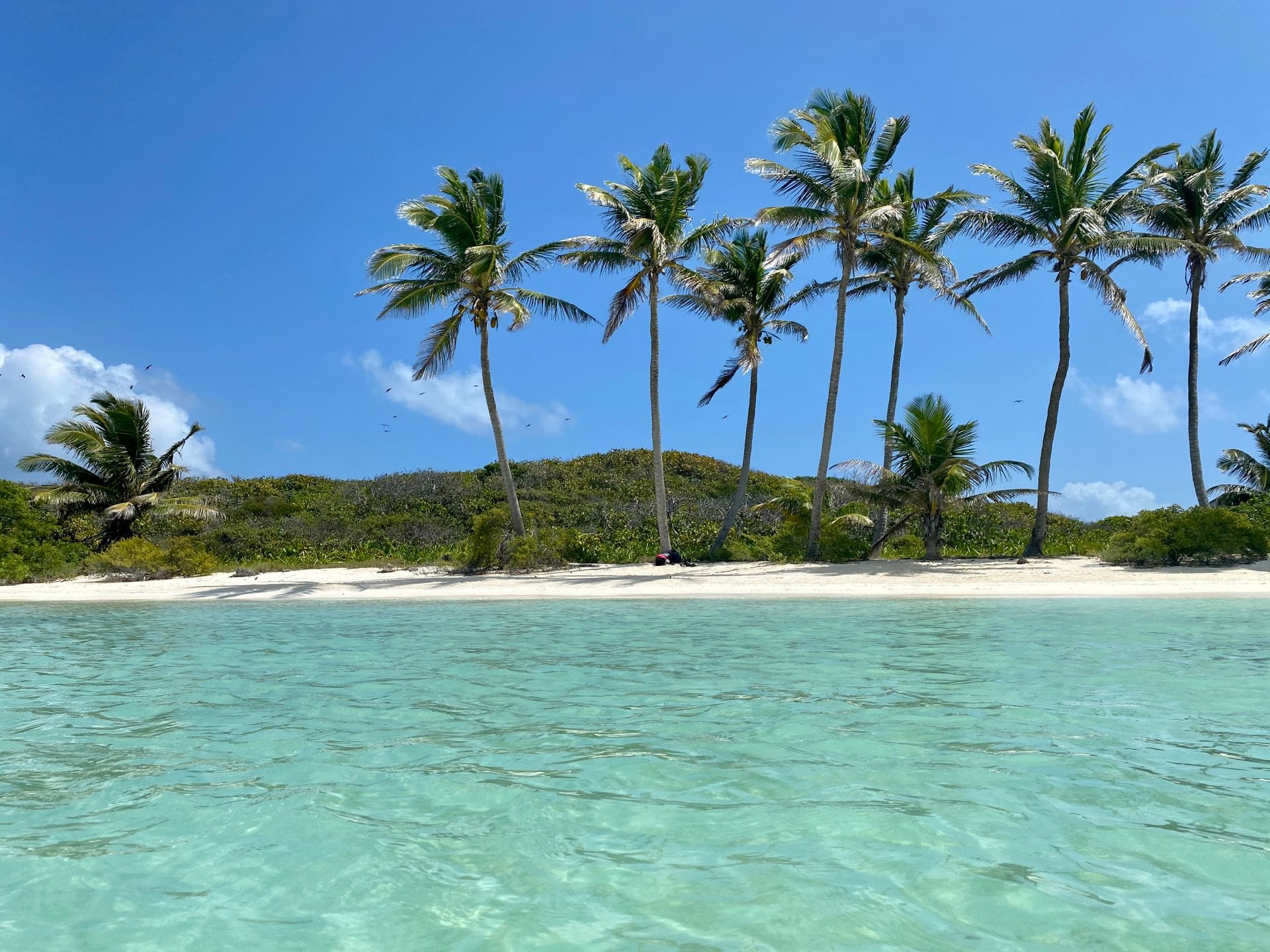
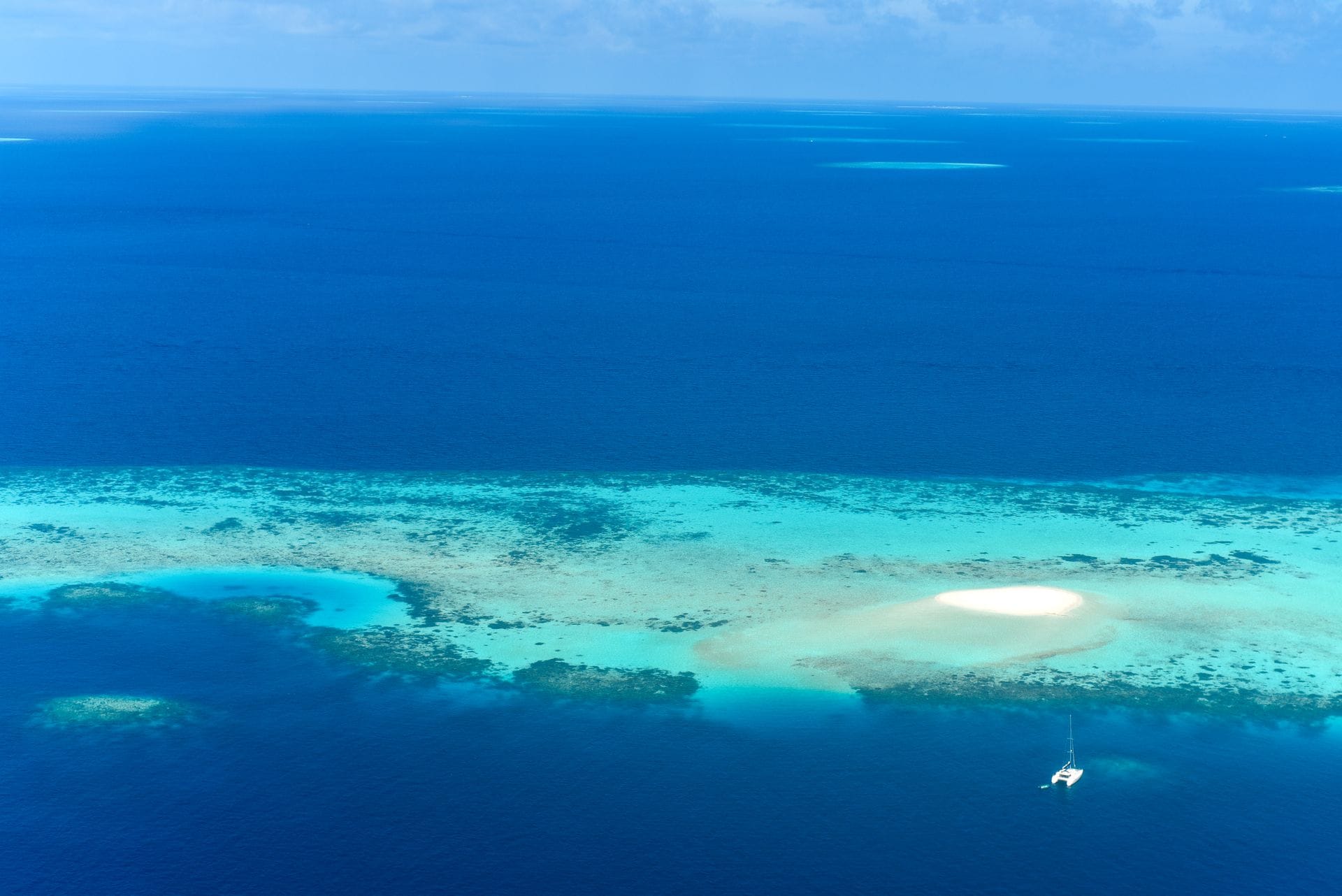
No visit to the Grenadines would be complete without a day in the Tobago Cays, a marine park that protects a cluster of tiny islands and the surrounding reef. The water here is the clearest I have ever seen—so transparent that you can count the individual fish swimming around your feet.
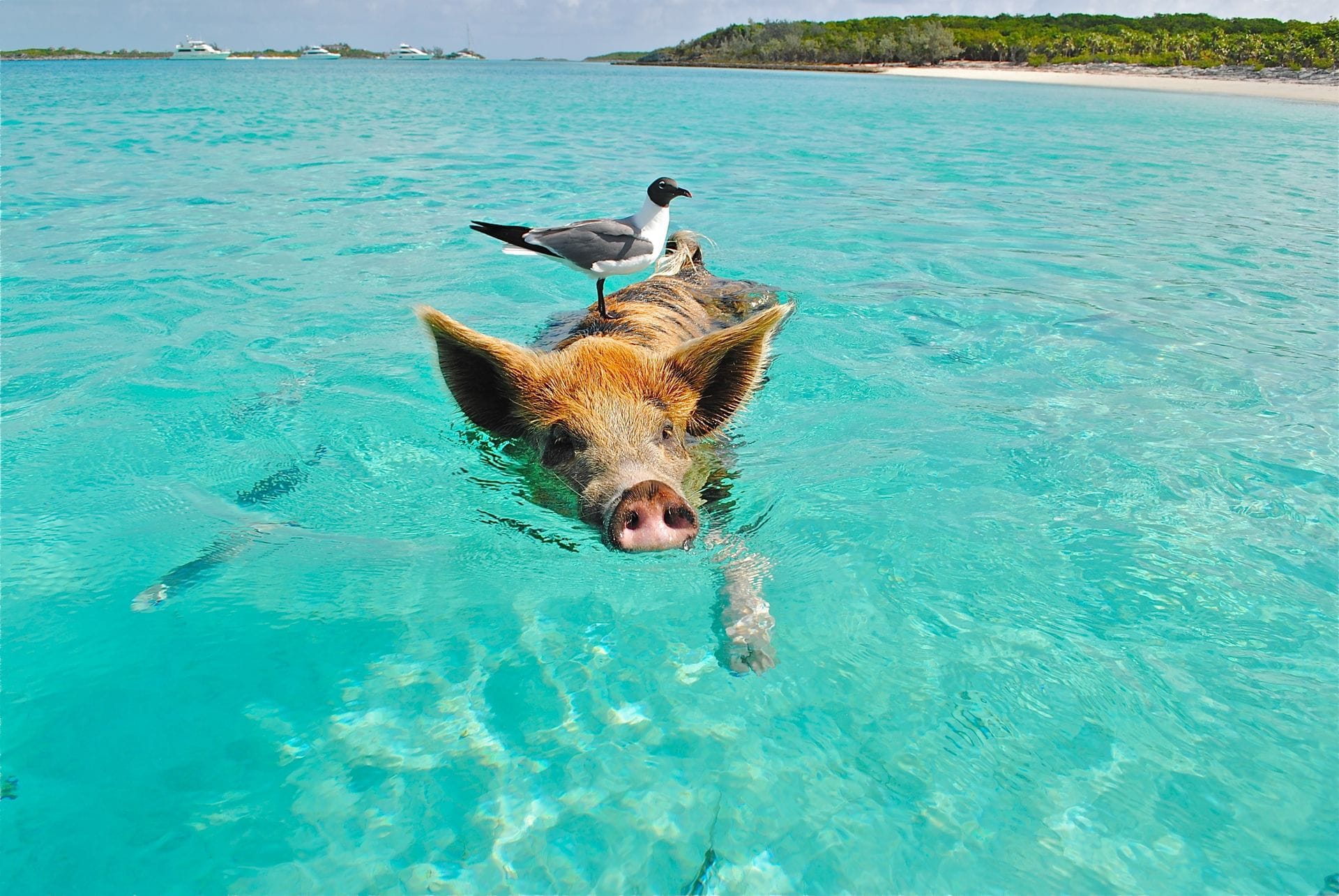
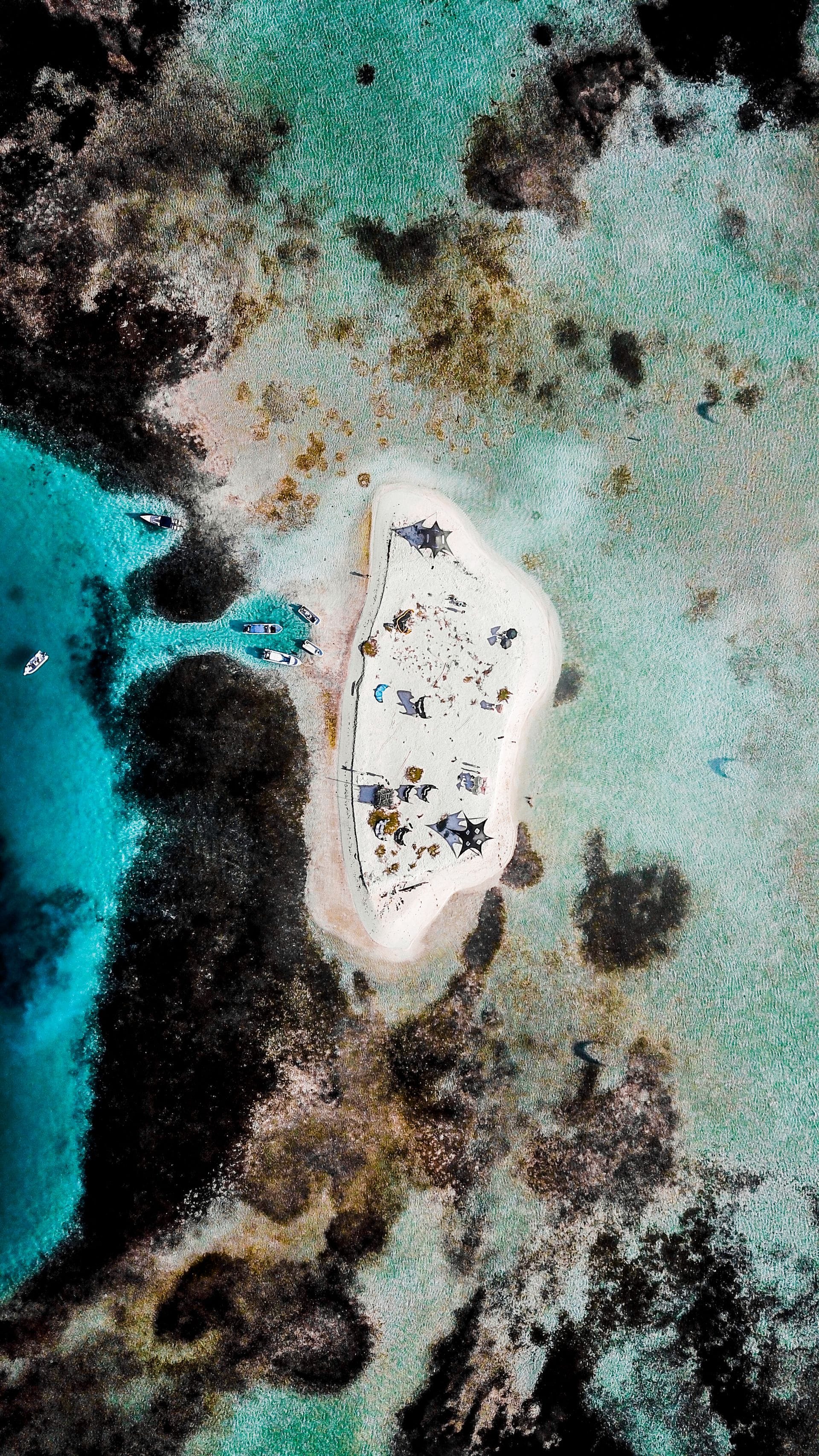
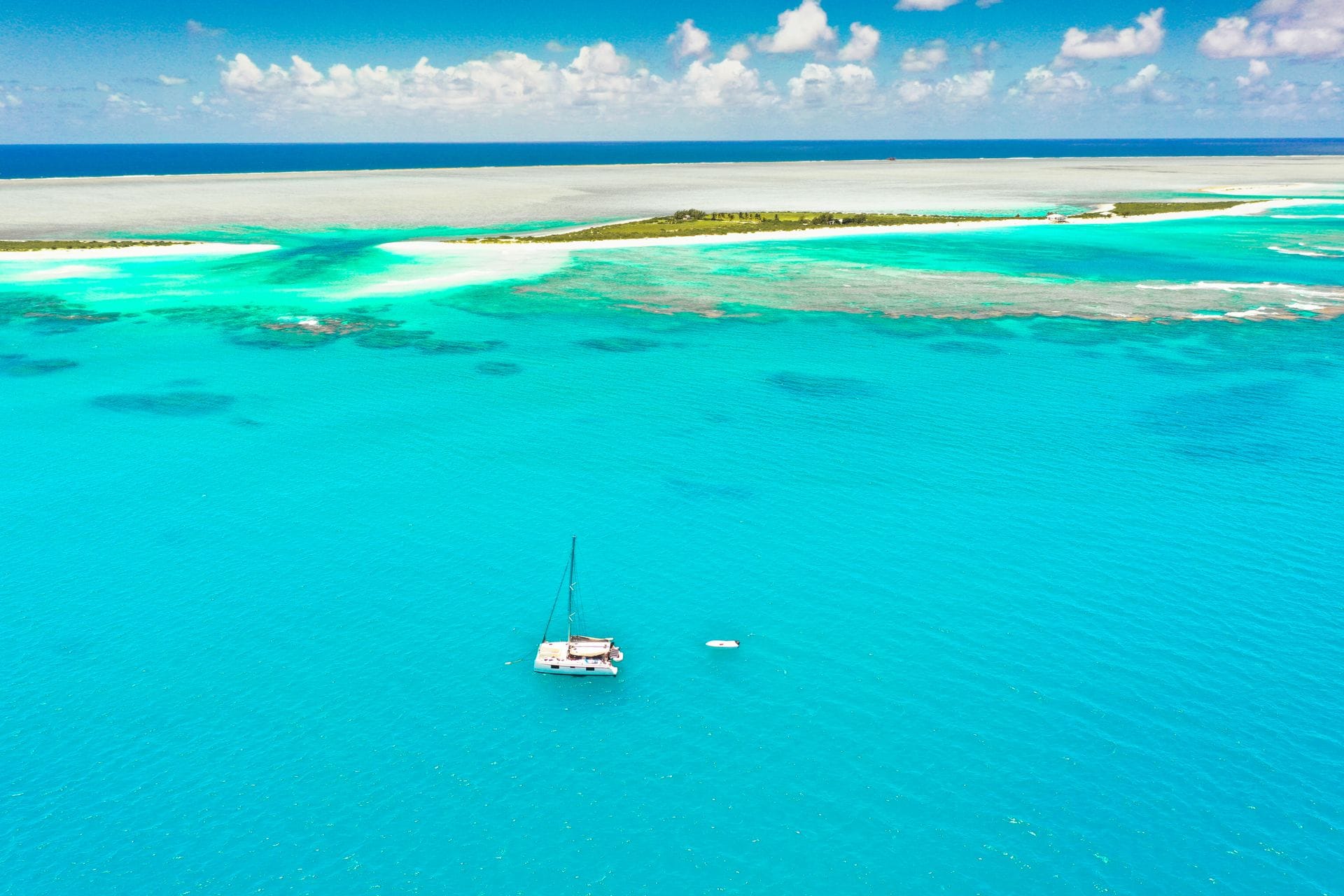
Snorkelling in the Cays is an unforgettable experience. Sea turtles drift lazily through the shallows, their shells glinting in the sunlight; stingrays glide across the sandy bottom like underwater birds; and the coral is a riot of colour—purple, orange, electric blue.
"We have to protect this," said a park ranger, as we floated above the reef. "It's not just for the tourists—it's for the future. The turtles were here long before us, and they should be here long after we're gone."
A Place of Contrasts
The Grenadines are a land of contrasts—luxury and simplicity, wildness and refinement, ancient and modern. They are a destination that rewards patience and openness, where the journey is as important as the destination, and where the true magic lies not in the resorts, but in the rhythm of island life.
"I always tell visitors that the islands have a rhythm," said a local woman I met on Bequia, as we watched the sun set over the bay. "You have to slow down to hear it. The boats, the birds, the waves—it's all part of the same music. Once you hear it, you'll never want to leave."
The Journey Home
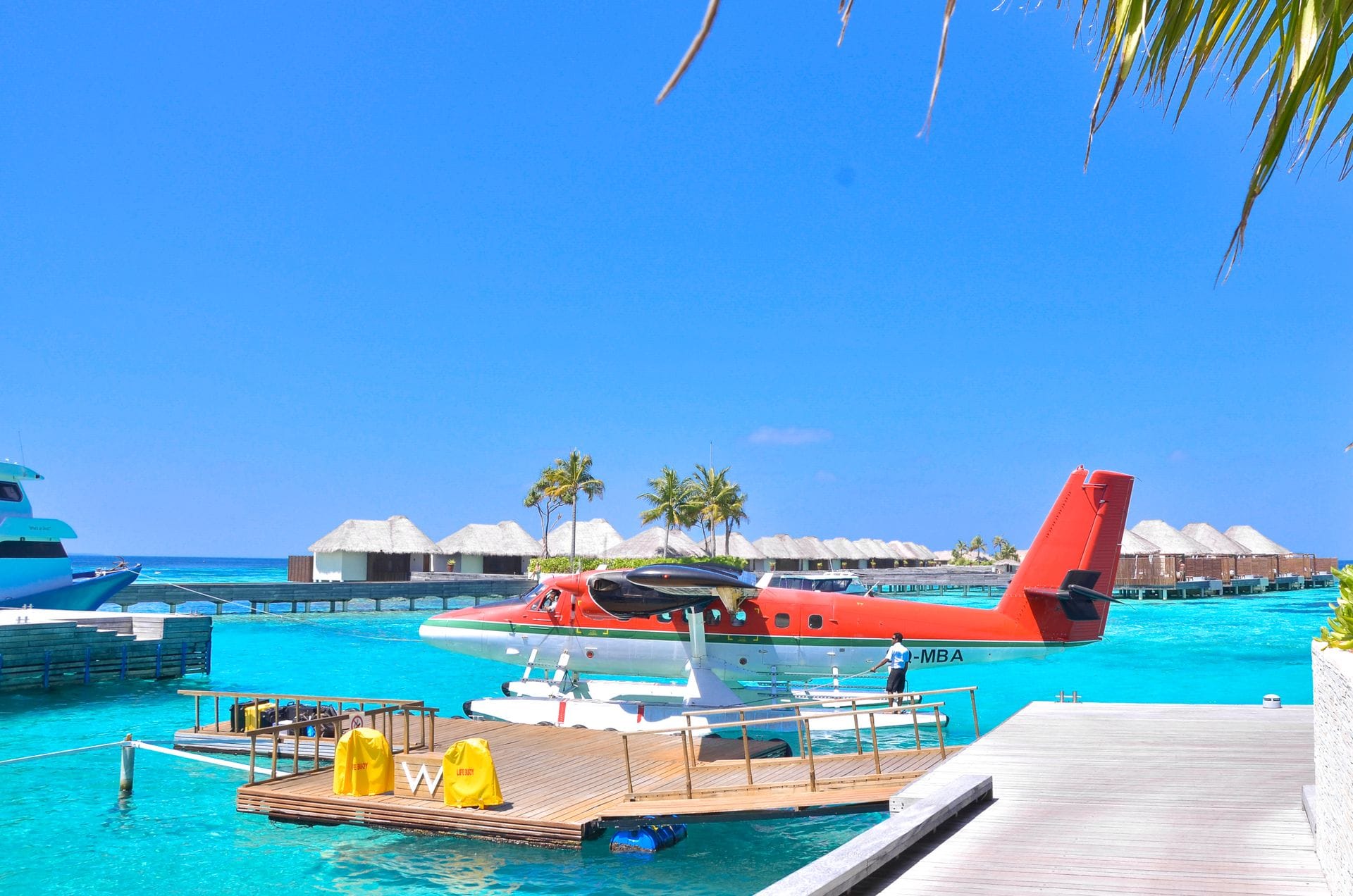
As I boarded the small plane that would take me back to the mainland, I found myself already planning a return. The Grenadines had cast their spell—the kind of spell that lingers long after you've left, that calls you back with the memory of turquoise water and the scent of frangipani.
Come back soon,” said the pilot, with a smile. “The islands will be waiting.
I looked out of the window as the plane rose above the clouds, and the necklace of islands disappeared into the sea. But I knew, as I always do, that I would return. The Caribbean has a way of calling you home, and in the Grenadines, home is a place of extraordinary beauty.
A Note on Responsible Travel
The Grenadines are home to a fragile marine ecosystem, including endangered sea turtles, coral reefs and mangrove forests. Visitors are encouraged to support local conservation efforts, choose eco-friendly tour operators, and respect the delicate environment. The islands' future depends on the careful stewardship of both residents and visitors alike.