
There is a particular moment, at the end of a long day, when you stand before the mirror and begin the ritual of removing the day from your face. The first splash of water, the scent of a cleanser that you have chosen with care, the slow, deliberate motion of your fingers against your skin. It is not just about hygiene. It is about transition, a shift from the demands of the day to the quiet of the evening, a way of attending to yourself.
I have always believed that skincare is not about perfection. It is about presence, about the willingness to slow down and care for the body you inhabit. The most effective skincare routine is not the one with the most products but the one you perform with attention, with intention, with the understanding that the act of caring for your skin is a form of self-respect.
I spoke to a facialist who has spent her career helping women develop skincare routines that work for them. She told me that the secret to good skin is not in the products but in the consistency, in the willingness to show up for yourself every day, to perform the small acts of care that accumulate over time.
The skin is the largest organ of the body, and it is also the most visible. When you care for your skin, you are not just improving its appearance. You are telling yourself that you are worth the time, that you are worth the effort.
The Pleasure of the Cleanse
The cleanse is the foundation of any skincare routine. It is the act of removing the day, of washing away the dirt and the pollution and the residues that accumulate on the skin. A good cleanser should leave the skin feeling clean but not stripped, soft but not greasy, prepared for the next steps.
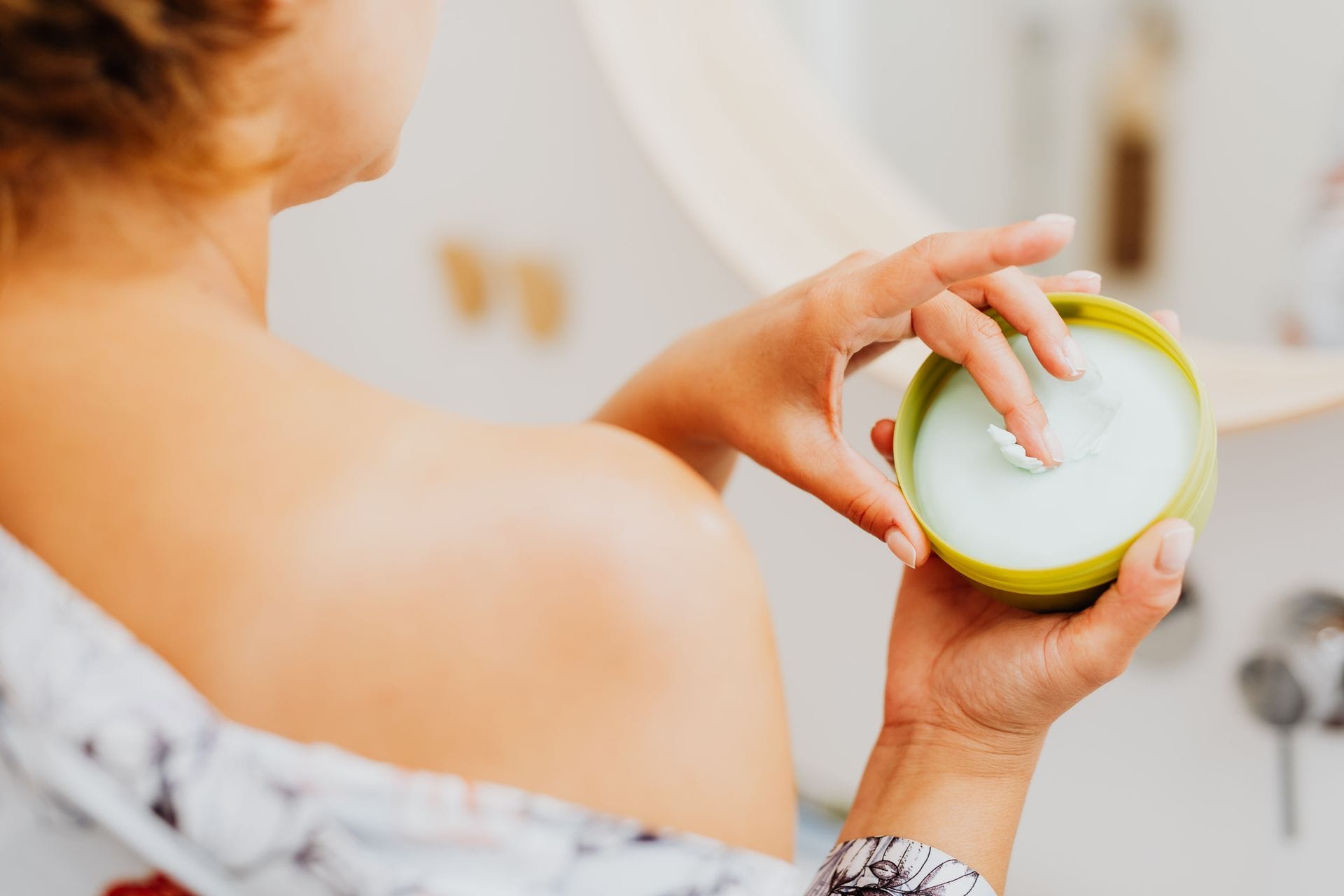
I spoke to a skincare formulator who has developed cleansers for some of the most respected brands in the industry. She explained that the texture of a cleanser is as important as its ingredients. A cleanser that is too thick can feel heavy; a cleanser that is too thin can feel insubstantial. The ideal cleanser is the one you look forward to using, the one that transforms a chore into a pleasure.
The ritual of the cleanse is more than a chore. It is a conversation between you and your skin. You learn what it needs, how it responds, what makes it feel its best.
She recommends taking a full minute to massage the cleanser into the skin, using the warmth of your hands to activate the ingredients. This is not just about cleansing. It is about circulation, about moving the lymphatic fluid, about encouraging the skin to glow. A minute may not seem like much, but over time, it accumulates into a practice of care that supports healthy, radiant skin.
The Art of Layering
Once the skin is cleansed, the act of layering products begins. A toner to balance the pH, a serum to target specific concerns, a moisturiser to lock in hydration. Each product has a purpose, each layer contributes to the overall health of the skin. But the art is not in the products themselves. It is in the sequence, in the texture, in the time allowed for each layer to absorb.

I visited a skincare clinic where the aesthetician explained that layering is not just about applying products. It is about patience. It is about waiting for each product to absorb before applying the next, allowing the active ingredients to penetrate the skin. Rushing through a routine negates the benefits of the products themselves.
Layering is an act of attention. You are not just applying products. You are performing a ritual of care that requires presence and patience.
The Ingredients That Matter
The world of skincare is filled with ingredients, each one claiming to do something extraordinary. But the most effective skincare is not the one with the most complex ingredient list. It is the one with the ingredients that your skin actually needs.
I spoke to a cosmetic chemist who has spent decades formulating skincare products. She told me that the most important thing is to understand your own skin, to pay attention to how it responds to different ingredients, to choose products that are appropriate for your skin type and concerns. Not every ingredient works for every person, and the best skincare is the one that is tailored to you.
Skincare is not a one-size-fits-all solution. What works for someone else may not work for you. The key is to be patient, to give products time to work, and to pay attention to how your skin responds.
She recommended a few key ingredients that are universally beneficial: vitamin C for brightness and protection, hyaluronic acid for hydration, retinol for renewal, and niacinamide for calming and balancing. These ingredients have been shown to be effective in scientific studies, and they are suitable for a wide range of skin types.
The Texture and the Sensation
The texture of a product is as important as its ingredients. A serum that is too thick can feel heavy; a moisturiser that is too light can feel insubstantial. The texture of a product determines how it feels on the skin, and how it feels determines whether you will use it.
I spoke to a product developer who specialises in texture. She described the process of creating a moisturiser, of balancing the ingredients to achieve a particular consistency, of testing it to ensure it absorbs properly. She said that texture is often overlooked, but it is one of the most important factors in the success of a product.
If a product doesn't feel good on the skin, you won't use it. It doesn't matter how effective the ingredients are if the texture is wrong.
The Importance of Sun Protection
The most important step in any skincare routine is also the most often overlooked: sun protection. The sun is the single greatest cause of premature ageing, and daily application of a broad-spectrum sunscreen is the most effective way to protect the skin.

I spoke to a dermatologist who emphasised the importance of sunscreen. She said that sunscreen should be applied every day, regardless of the weather or the season, and that it should be reapplied every two hours when spending extended time outdoors.
Sunscreen is the most effective anti-ageing product available. It is also one of the most affordable and accessible. Yet so many people neglect it. Sunscreen should be a non-negotiable part of any skincare routine.
The Value of the Ordinary
In the end, skincare is not about luxury products or complex routines. It is about the ordinary, the daily, the small acts of care that accumulate over time. The moisturiser you apply before bed, the sunscreen you apply in the morning, the gentle cleanse that begins and ends your day. These acts are not extravagant. They are essential. They are the foundation of a life lived with attention and care.
The most beautiful skin I have ever seen was not on the face of a celebrity or a model. It was on the face of a woman who had taken the time to care for her skin every day, who had developed a routine that worked for her, who had found pleasure in the process. Her skin was not perfect, but it was healthy. It had a quality that no product could replicate: the quiet radiance of a life lived with presence.
A Quiet Constancy
The ritual of skincare is a form of self-care, a way of saying that you are worth the time. It is a practice that requires no audience, that asks for nothing but your attention, that rewards you in ways that go beyond the surface. The products, the techniques, the ingredients—these are tools, not the goal. The goal is the act of attention itself, the quiet constancy of caring for yourself, day after day.