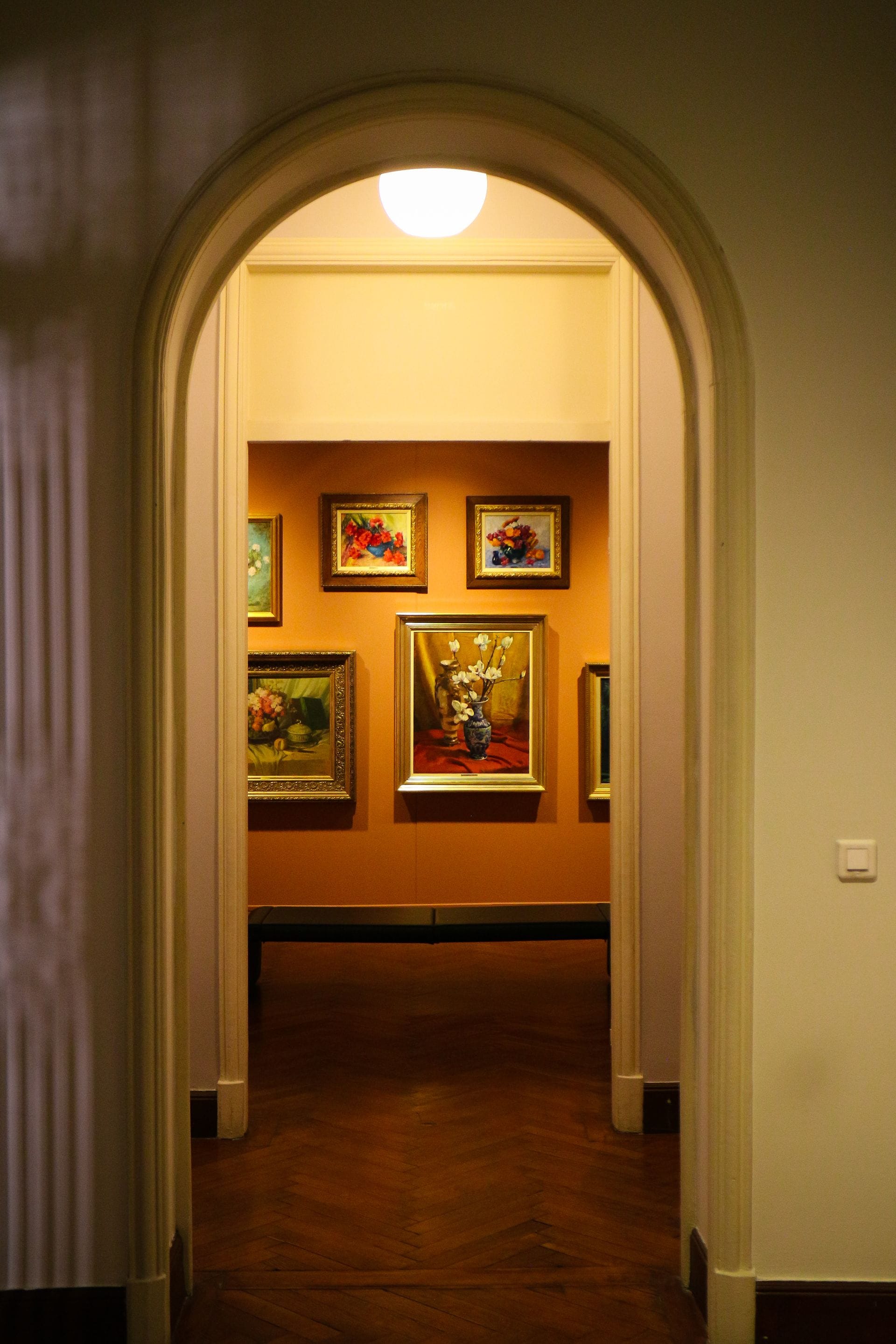
There is a particular quality to a room filled with art. It is not just the works themselves but the space they create, the invitation to slow down, to look, to attend. I have always believed that a gallery is not a place to accumulate information but a place to encounter, to allow a work of art to enter your consciousness without the filter of interpretation. It is a rare and precious thing, a space where the mind can be still.
I visited a gallery recently, a small one in a city I was passing through. The works were not famous, not expensive, not the kind that attract crowds. But they were quiet, considered, made by hands that had taken the time to attend to their craft. I stood in front of one painting for a long time. It was a landscape, not of any particular place, but of a quality of light, of a feeling of space. I could not explain why it moved me. It simply did.
It is this capacity to move, to affect, to shift something without explanation, that makes art so important. It does not need to be understood to be felt.
The Experience of Looking
Looking at art is not a passive activity. It requires attention, time, a willingness to be present. The experience of looking is different from the experience of seeing. Seeing is the act of registering an image. Looking is the act of engaging with it, of allowing it to affect you.
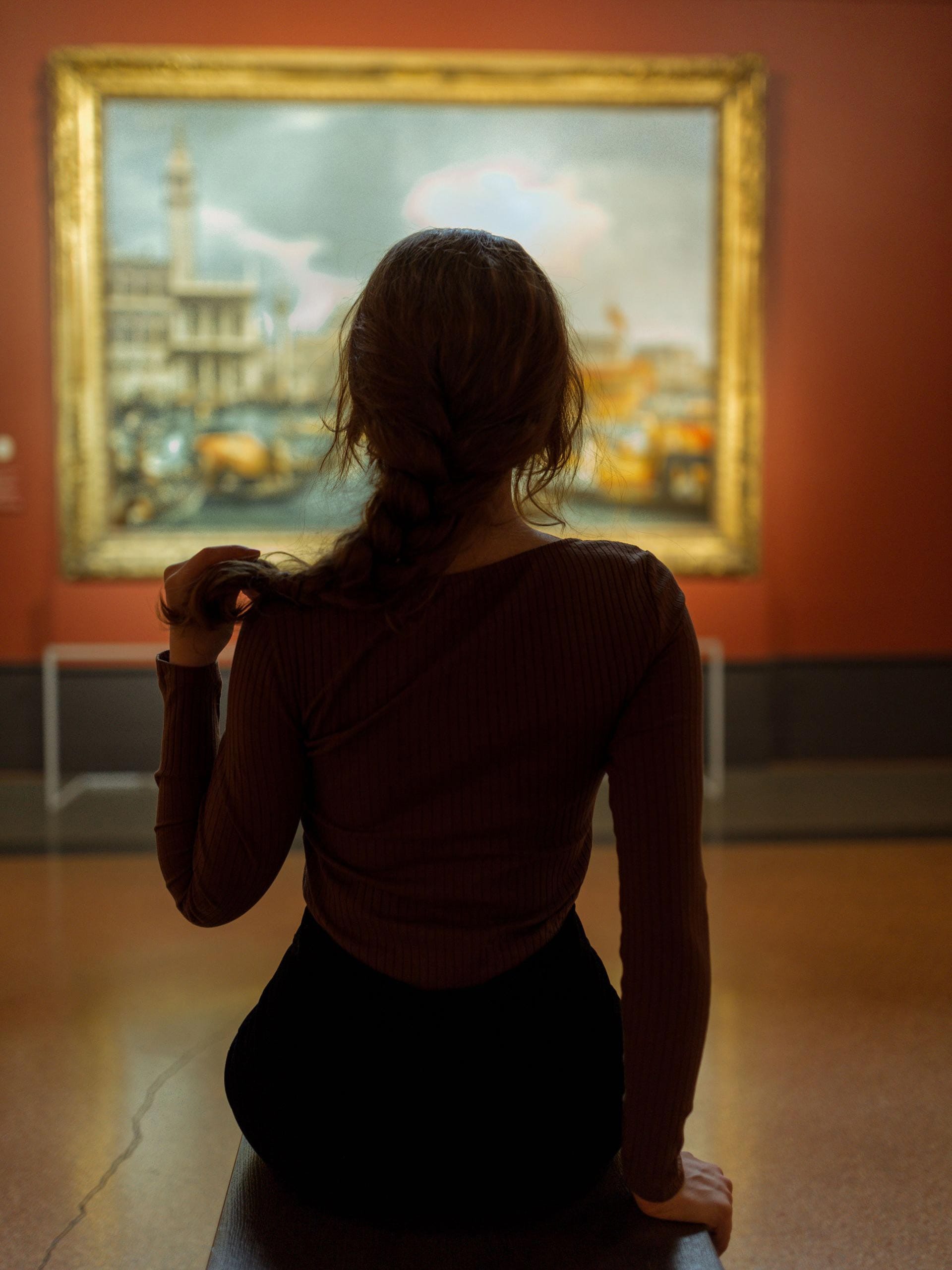
I spoke to a curator who has spent her career thinking about how people experience art. She told me that the average viewer spends less than ten seconds looking at a work of art. A painting that an artist may have spent months, even years, creating, is dismissed in moments. This is a loss, not just for the art but for the viewer, who misses the opportunity to be moved.
The act of looking is a skill that can be cultivated. It requires slowing down, being open, allowing yourself to be affected by what you see. The rewards are often subtle.
She suggested that we approach art differently, not as something to be understood but as something to be experienced. A painting is not a message to be deciphered. It is a presence to be felt. The art that changes us is often the art that we cannot explain.
The Power of the Unfamiliar
One of the great pleasures of visiting a gallery is the encounter with the unfamiliar. A work of art that you do not understand, that challenges your assumptions, that refuses to fit into your existing categories. This is not a reason to turn away. It is a reason to stay, to allow the work to work on you.
I spoke to an artist who described the experience of encountering a work that he did not initially understand. He said that the works that have stayed with him the longest are the ones that unsettled him, that he could not immediately comprehend. They require patience, a willingness to sit with the discomfort of not knowing.
Art is not always comfortable. It is not always beautiful. But it is always worth engaging with, even when it challenges you.
The Value of the Quiet
The act of looking at art is also a form of stillness, a moment of quiet in a world that is always demanding our attention. A gallery is a space where you can be silent, where the noise of the world falls away, where you can simply be present with a work of art. It is a rare and precious thing, a space where the mind can be still.
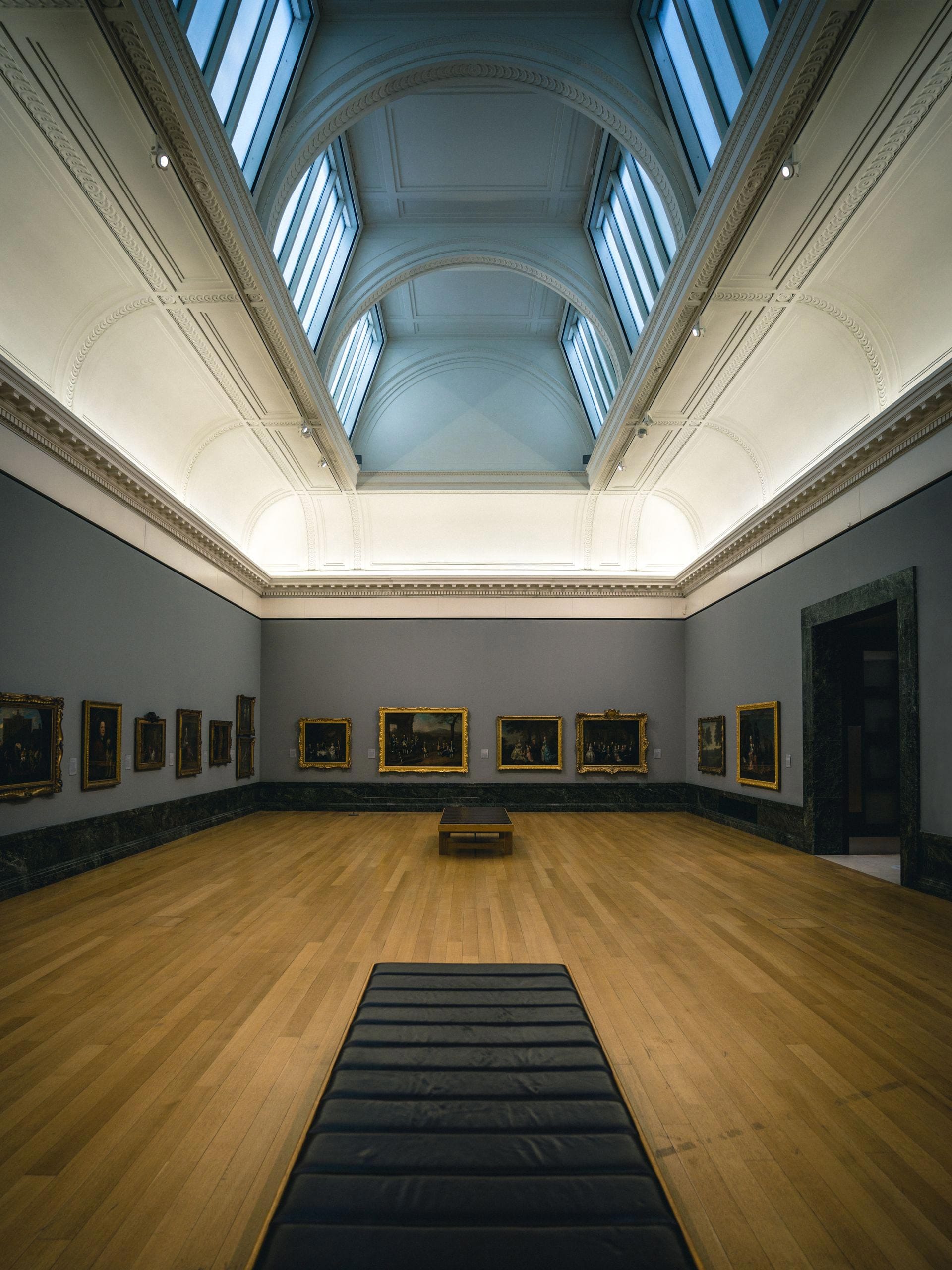
I visited a gallery on a quiet afternoon, one of those spaces that is rarely crowded. The silence was tangible, the works waiting patiently, the light falling on them in a particular way. I stayed for a long time, moving slowly from one work to the next, allowing each one to register. It was not a productive use of time, not in any conventional sense. But it was a restorative one, a reminder that there are things that exist beyond the demands of the day.
A quiet room, a painting that is not trying to impress, a moment of stillness. These are the moments that allow us to reconnect with ourselves.
The Long Arc of Art History
To engage with art is also to engage with history, a connection across centuries to the people who made the works and the people who have looked at them before. A painting from the Renaissance was looked at by someone five hundred years ago, who may have had a similar response to yours. This is a form of continuity, a thread that runs through time.
I spoke to an art historian who emphasised the importance of context, of understanding the world in which a work of art was made. But she also acknowledged that the experience of looking is ultimately personal, that each viewer brings their own perspective, their own history, their own set of associations.
A work of art has a history, but it also has a future. Every time someone looks at it, it is seen anew.
The Role of the Gallery
The gallery is not a neutral space. It is a place of encounter, where the work can be seen in conditions that allow it to reveal itself. The way a work is hung, the light that falls on it, the space that surrounds it—all these factors contribute to the experience of looking.
I visited a gallery where the works were arranged with extraordinary care. There was a particular piece that had been placed in a corner, where the light fell in a particular way, where it could be seen without distraction. The curator told me that the placement had been chosen to allow the work to speak for itself, to create a space for the viewer to be present with it.
The arrangement of a gallery is an act of generosity, a way of creating the conditions for the experience of looking.
The Memory of Looking
The act of looking at art is not just an experience in the moment. It is also a memory, an image that stays with you, that surfaces at unexpected times, that continues to affect you long after you have left the gallery.
I still remember a painting I saw years ago, in a gallery I visited on a trip. It was a work that was not particularly famous, not particularly large, but it stayed with me. I do not know why it affected me so much, only that it did. It is a reminder that the experience of art is not always rational, not always predictable. It is a gift, an encounter that you cannot force but that you can be open to.
A Private Encounter
In the end, the experience of looking at art is a private one. It is the relationship between the viewer and the work, the attention you bring, the willingness to be affected. No one else can tell you what to feel, what to think, what to see. The work is there, waiting, and you are there, looking. That is the relationship. It is a quiet and intimate encounter, a moment of presence, a conversation that takes place in the space between the work and the self. And it is one of the most valuable things we can do, a way of being present that is becoming increasingly rare in a world that demands constant motion.