I have stayed in many hotels over the years, from grand city establishments to modest seaside inns. The ones I remember best are not the most luxurious, not the ones with the most expensive furnishings or the most impressive lobbies. They are the ones that felt like they had been shaped by a particular vision, a personal touch, a sense of care.
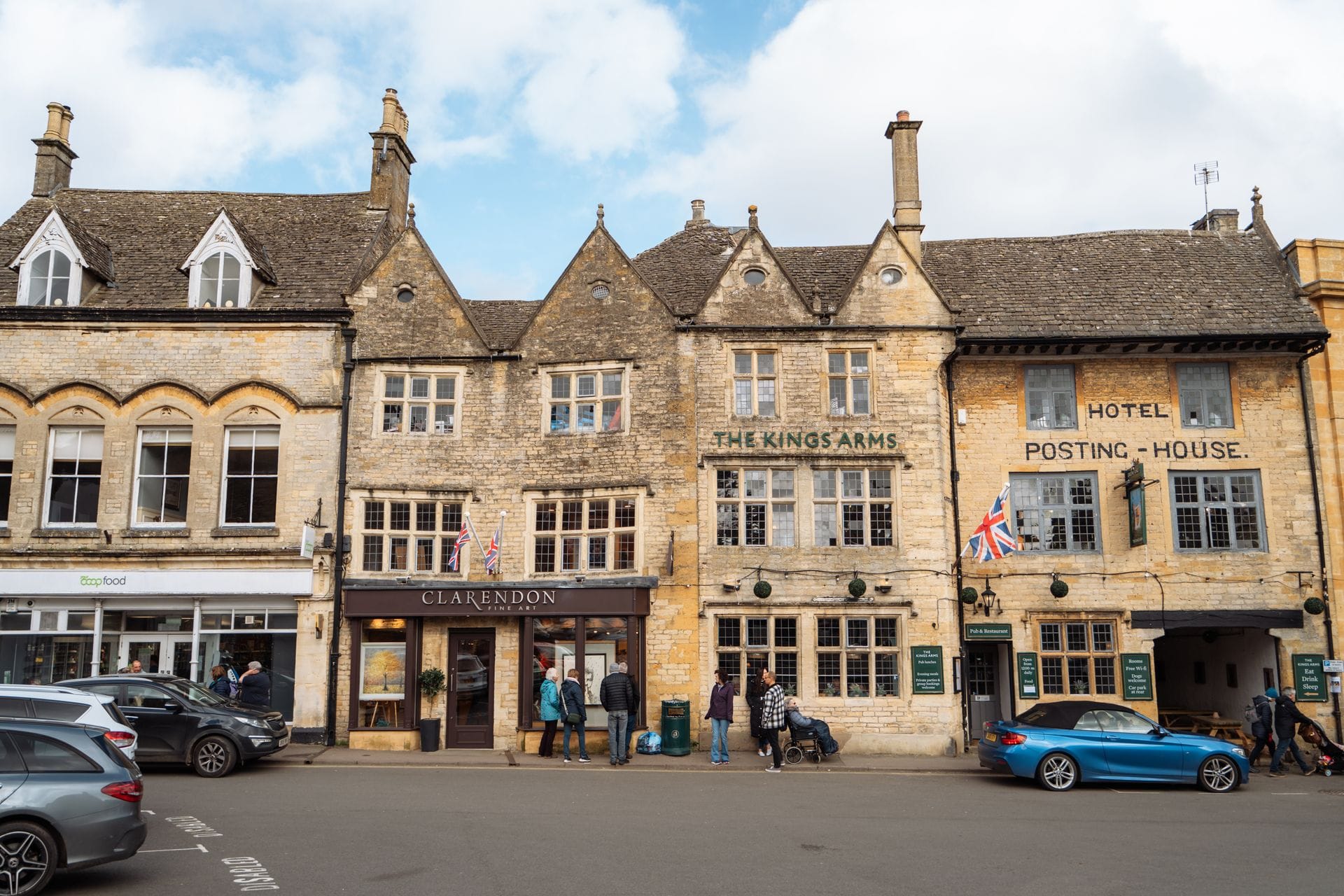
I recall a hotel in a small town in Italy, a converted farmhouse at the edge of a olive grove. The room was simple: white walls, a wooden bed, a window that looked out onto the hills. It was not a room that was trying to impress. It was a room that was trying to be comfortable. The bed was soft, the linen was crisp, and the woman who ran the hotel brought me a plate of figs from her garden as a welcome. There was no request for a review, no attempt to upsell. There was just the pleasure of a simple room, a warm welcome, and a view of the hills.
The Welcome That Matters
The first impression of a hotel is the welcome. It is the moment when you arrive, tired and uncertain, and the receptionist looks up from the desk and smiles. It is the moment when you know whether you are a guest or just another booking.
I have arrived at hotels where the check-in was a formality, efficient and impersonal. I have arrived at hotels where the receptionist knew my name, asked about my journey, and offered to carry my bag. The difference is not about the size of the hotel or the star rating. It is about the quality of the attention, the sense that the people who work there are present and responsive.
The Room as a Sanctuary
The room should feel like a place to rest. It should not feel like a display case, a sterile space, a room designed for a photograph. A room that feels like a sanctuary is a room that has been considered in relation to the person who will stay there. The light, the texture, the furniture, the quiet attention to detail.
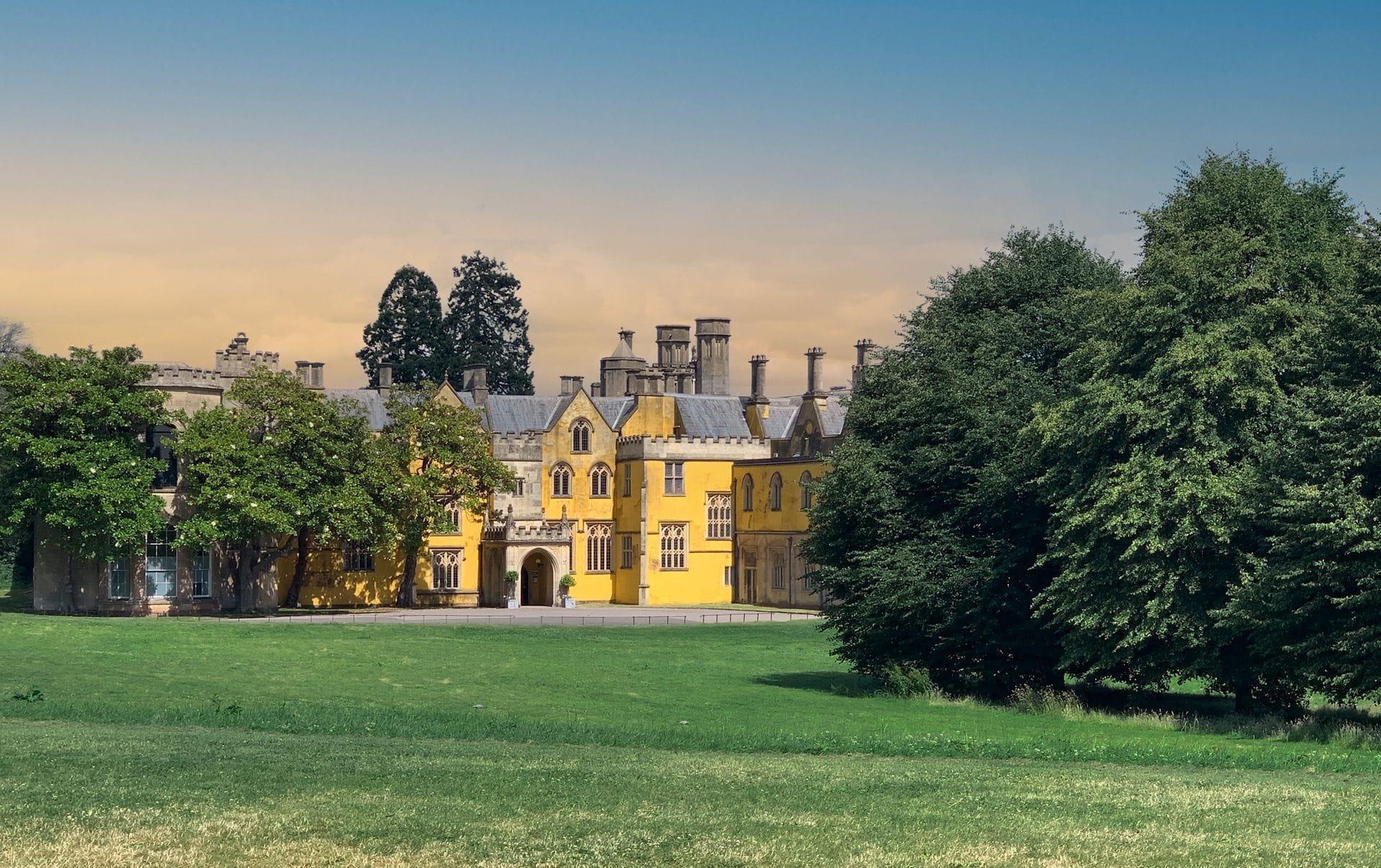
I have stayed in rooms with high ceilings and large windows, with furniture that was both beautiful and comfortable, with spaces that felt like they had been designed for the pleasure of being in them. These are the rooms that I remember, not the ones that are the most expensive, but the ones that have been shaped by a particular sensibility.
The Unrequested Kindness
The most memorable stays are the ones where something unexpected happens. A plate of figs from the garden. A recommendation for a restaurant that was not in the guidebook. An upgrade to a better room because it was available. These are small acts, but they are the ones that stay with you.
The Sense of Place
A hotel should also feel connected to its place. A hotel that could be anywhere is a hotel that is forgettable. A hotel that is shaped by its surroundings, by the climate, the architecture, the culture of the place, is a hotel that is memorable.
A hotel that feels like it belongs to its place is a hotel that has been shaped by the conditions of its environment. The materials, the food, the design, the atmosphere. A hotel in the Cotswolds should feel different from a hotel in Cornwall. A hotel in Tuscany should feel different from a hotel in the Highlands. The most memorable hotels are the ones that are rooted in their place.
The Meal That Lingers
The food is also important. A hotel that serves good food is a hotel that is worth returning to. A hotel that serves food that is connected to the place, to the seasons, to the traditions of the region, is a hotel that is memorable.
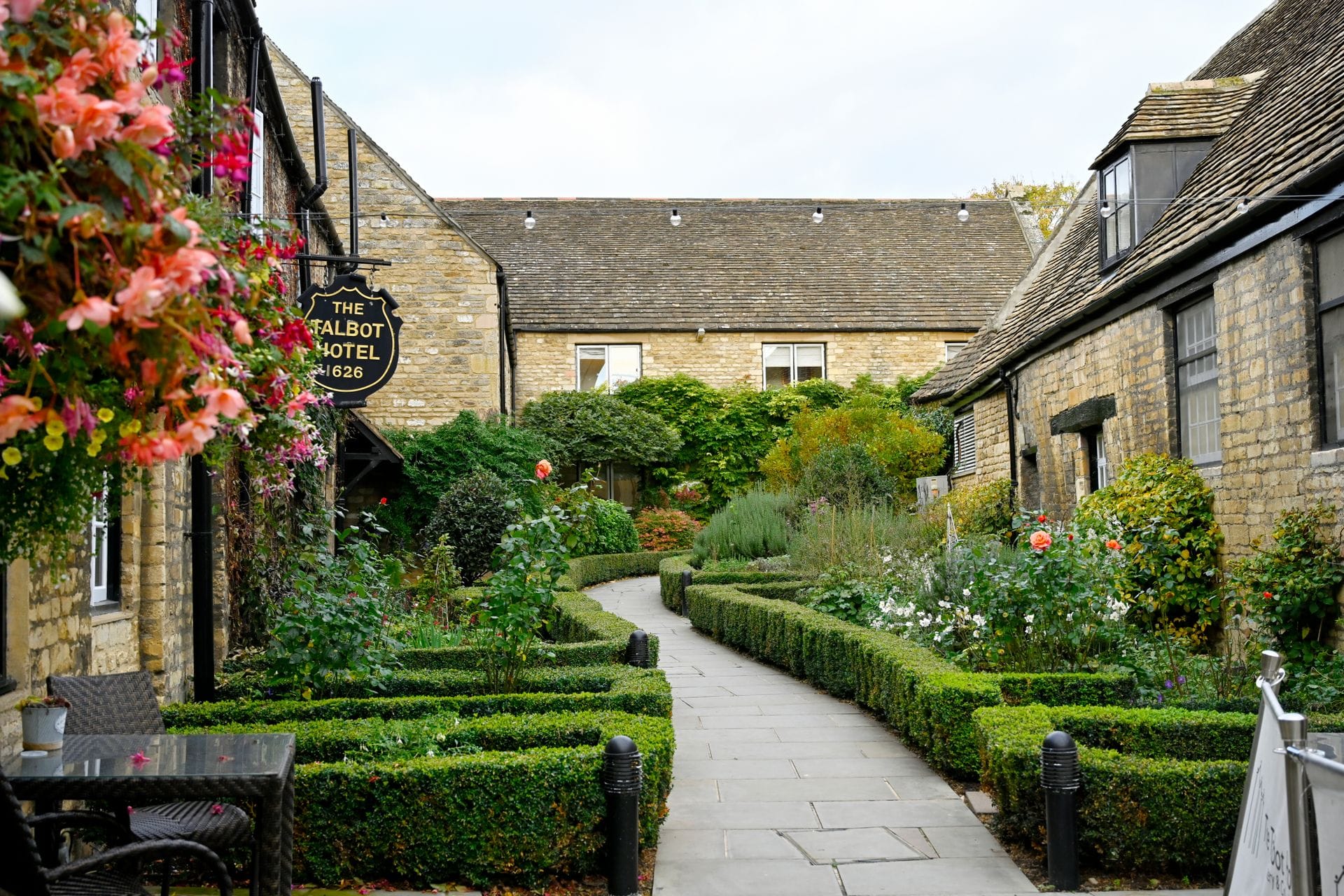
I have eaten meals in hotels that I still remember, meals that were simple and generous, meals that were a celebration of the local ingredients, meals that were a reflection of the place. These are the meals that stay with me, not the most elaborate, but the most authentic.
A Place to Remember
In the end, the most memorable hotels are not the ones that are the most luxurious. They are the ones that feel personal, a place that has been shaped by care and attention, a place that offers a welcome that is genuine.