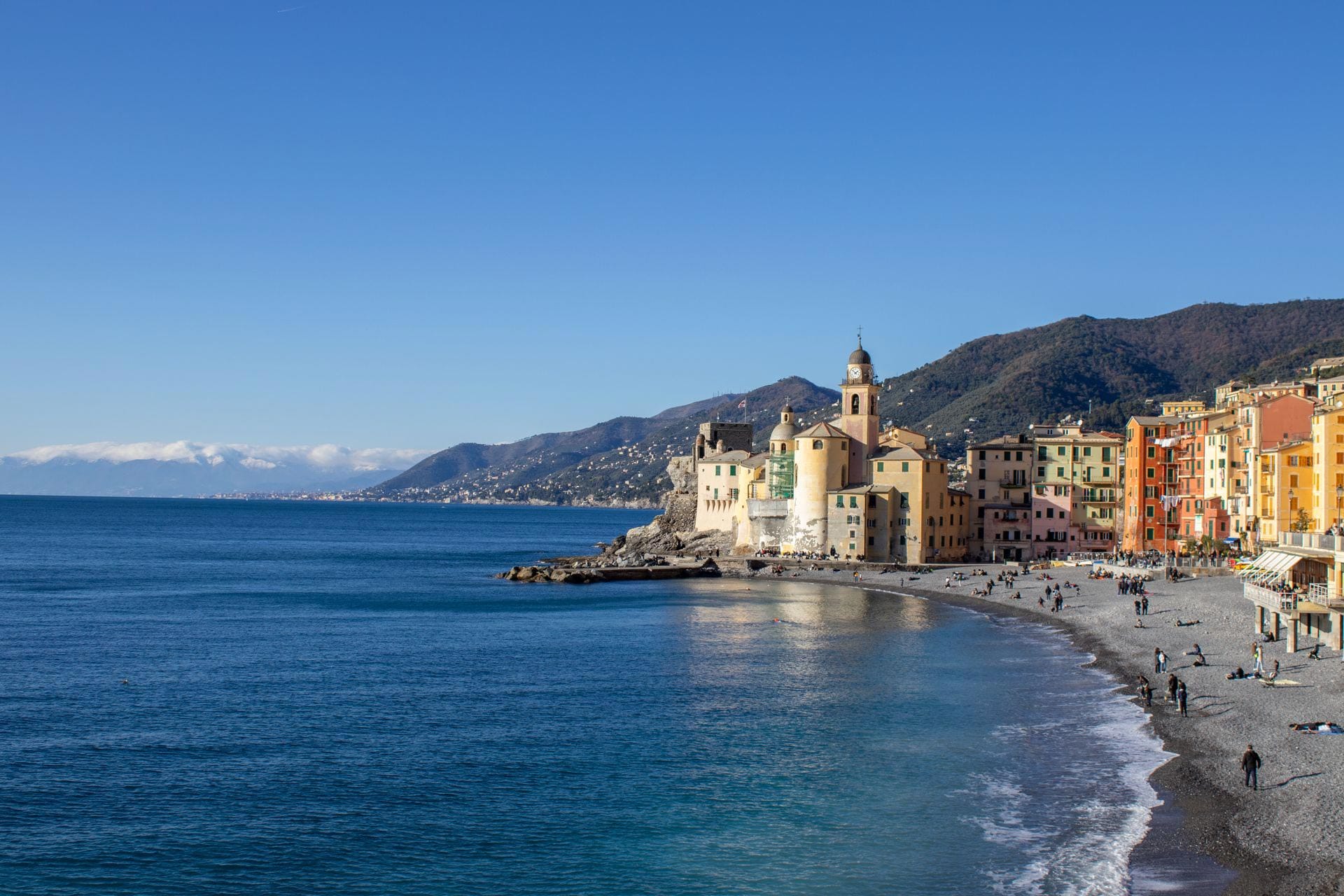
The Italian Riviera has long been synonymous with la dolce vita—a shimmering stretch of coastline where pastel houses tumble down to the sea, fragrant lemon groves terrace the hillsides, and the Mediterranean glitters in an endless blue. Yet this rugged arc of Ligurian shoreline, with its vertiginous cliffs and sweeping vistas, offers so much more than a postcard-perfect escape. Here you can hike between ancient villages, uncover centuries-old traditions of olive oil pressing and ceramics, explore hidden vineyards, dine in family-run trattorias and discover Romanesque churches that have stood for a thousand years.
When to Visit
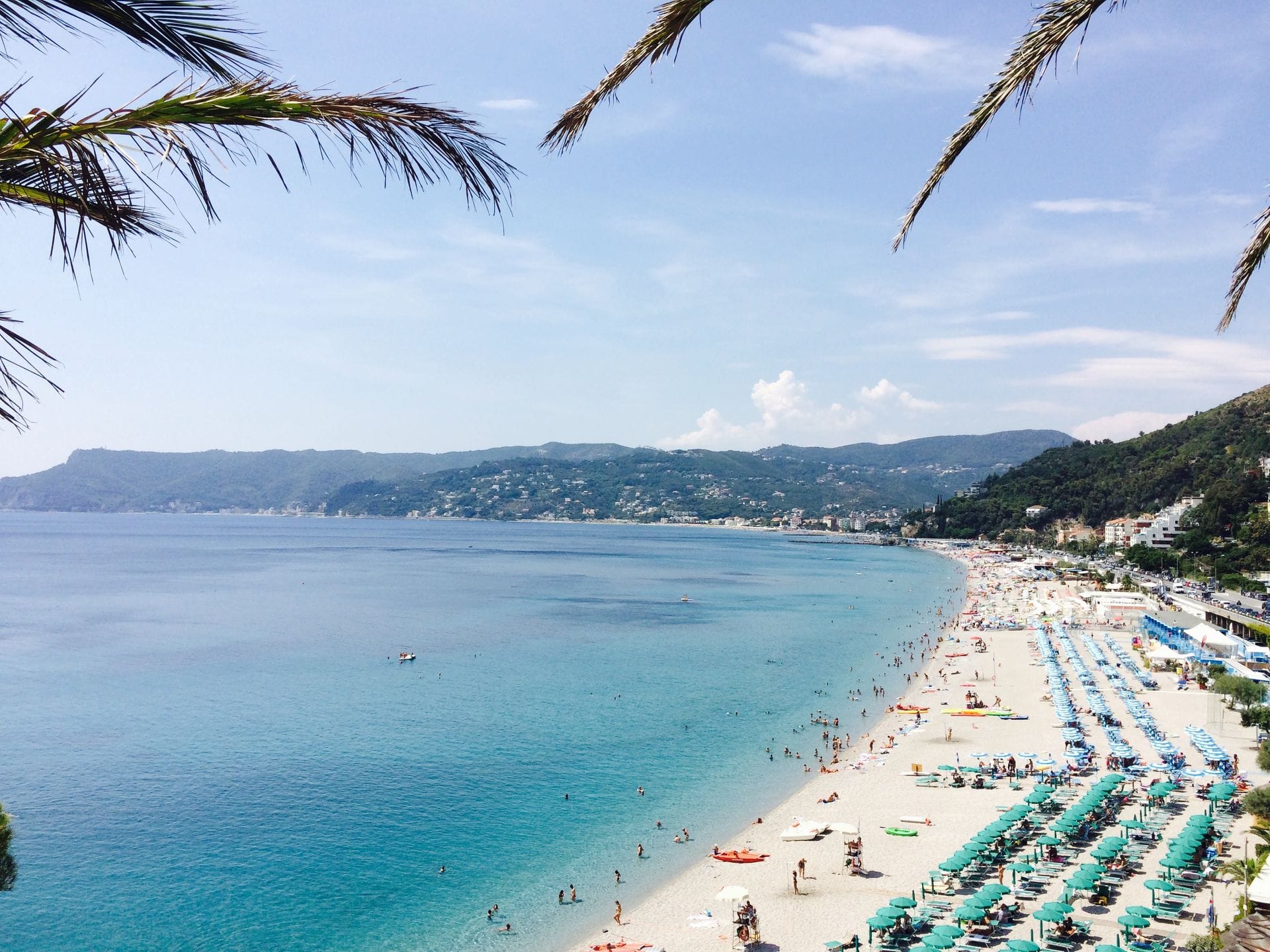
The coast has long been a magnet for summer travellers, particularly from June to September. But if you truly wish to understand this region, aim for the shoulder seasons. During the peak months, you'll find yourself sharing the narrow streets and beaches with crowds, navigating packed public transport and contending with sweltering heat. Spring and early autumn are ideal—the weather remains warm, the amenities are open, and the pace of life is more gentle. For an insider's perspective on local events and seasonal rhythms, consult the invaluable resources provided by local experts, whose weekly newsletters offer a window into the authentic rhythms of coastal life.
Getting Around
The region's topography—winding mountain roads and precipitous drops—makes leaving the car behind a wise decision. Instead, embrace the coast's network of ferries, which run a reliable service between Easter and late October, connecting the majority of the coastal towns. There are also routes to the larger cities and to the nearby islands, all easily booked online or at the ferry terminals.
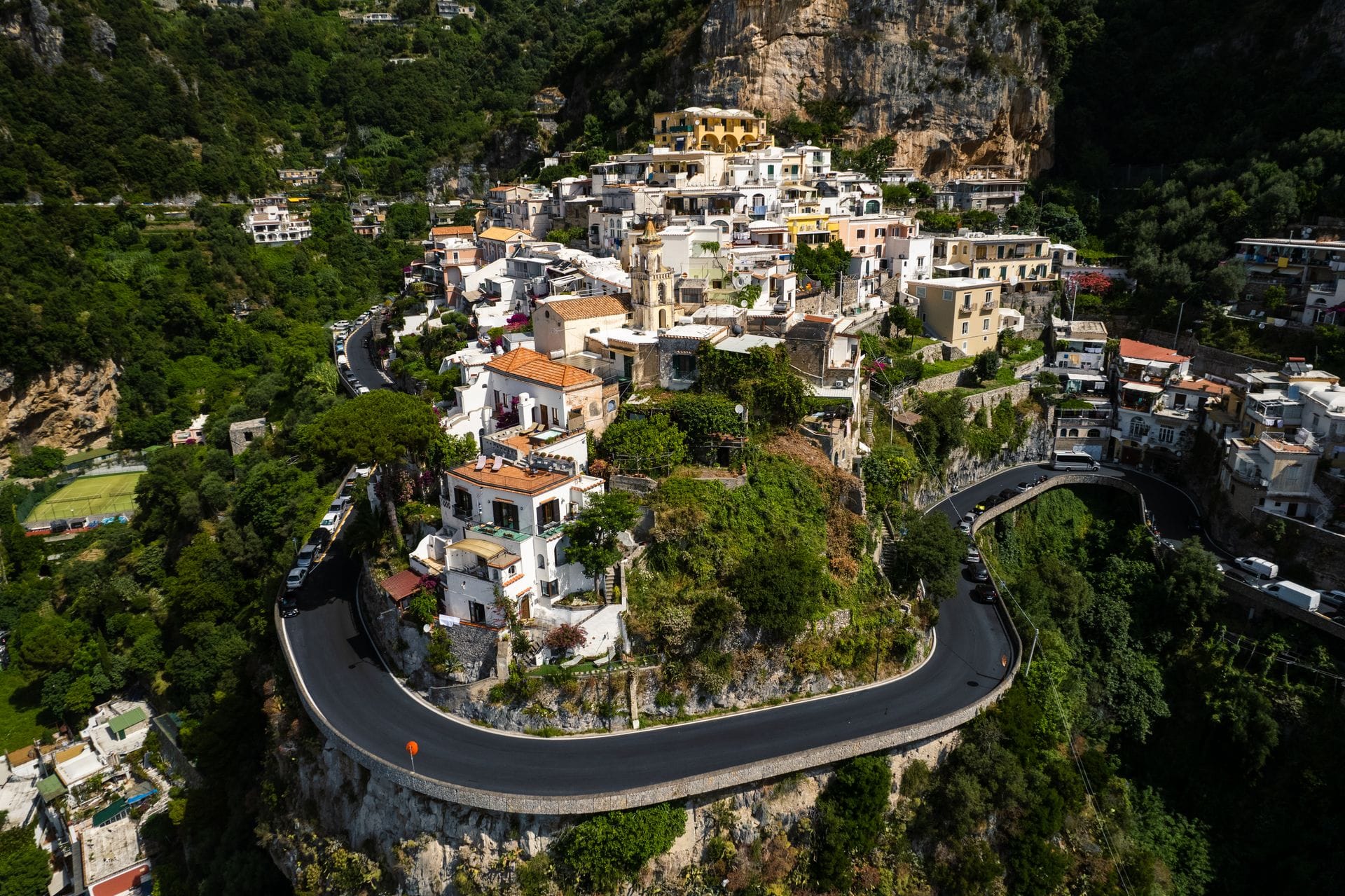
For inland hilltop towns such as those perched high above the sea, opt for the regional bus network. Tickets are purchased in advance from local tabacchi or via the practical regional transport app. During high season, buses can be crowded, so consider booking a private shuttle instead—a comfortable and efficient way to explore without the queues.
Explore the Landscape on Foot
Visiting during the milder seasons opens up the possibility of walking between villages, revealing breathtaking vistas at nearly every turn. One of the most rewarding trails connects two neighbouring towns via a leisurely route that winds through terraced lemon groves and olive orchards. It is a gentle 45-minute trek that rewards walkers with sweeping coastal views and an intimate glimpse of the region's agricultural heritage.
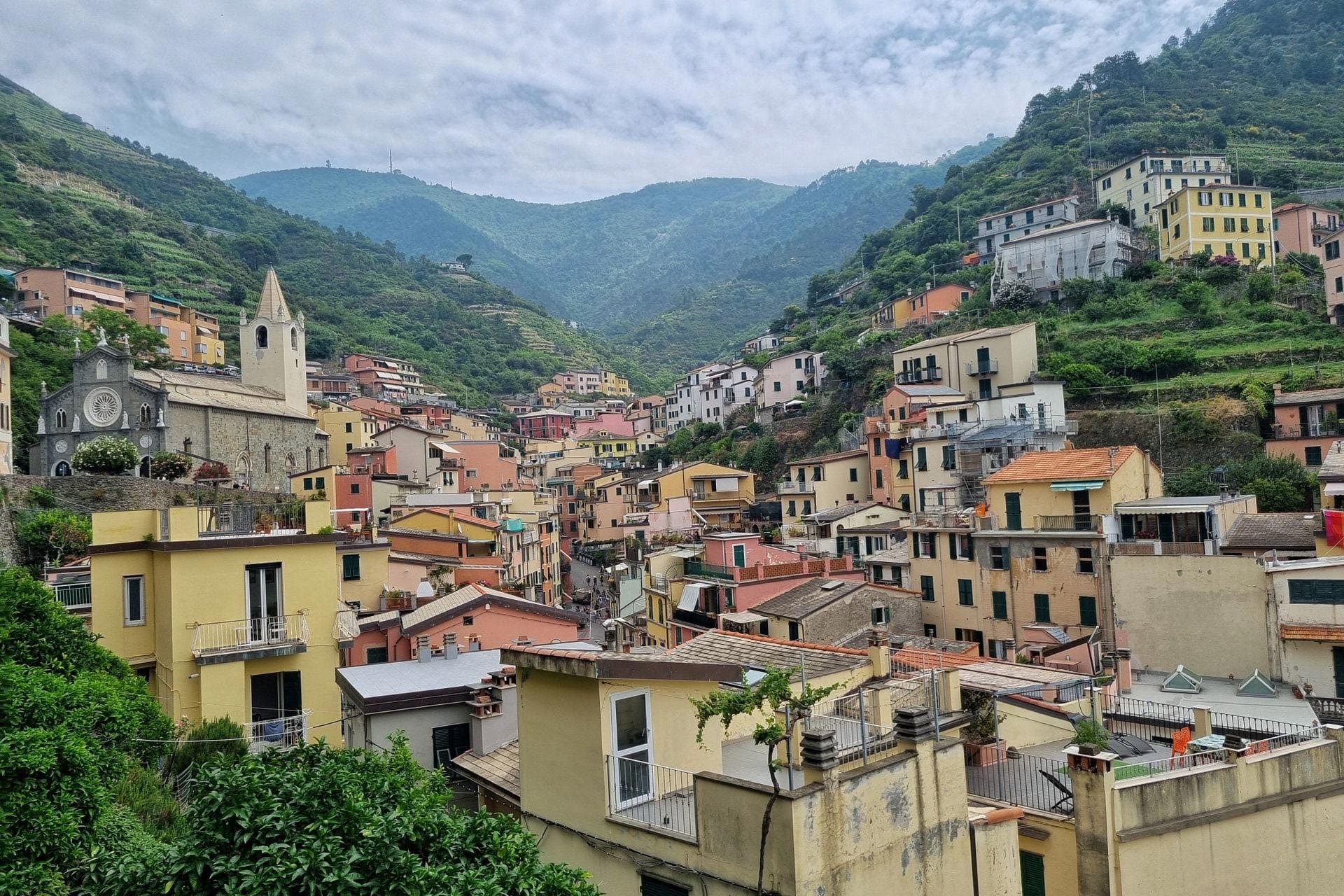
Another path connects a coastal town to a hilltop village, beloved by writers and artists for centuries. This route, comprising around a thousand steps, takes you past tiny stone churches, simple farmhouses, and wayside shrines embedded in the walls. A third option begins at a small mountain settlement, accessible by bus from the coast, and leads along a well-marked trail to a medieval watchtower, built to guard against Saracen pirates. The path winds through pine forests, where the scent of wild herbs and fig trees mingles with the salt-laden breeze. From there, descend to one of Italy's smallest towns for a restorative seaside lunch.
Unearth the Region's History
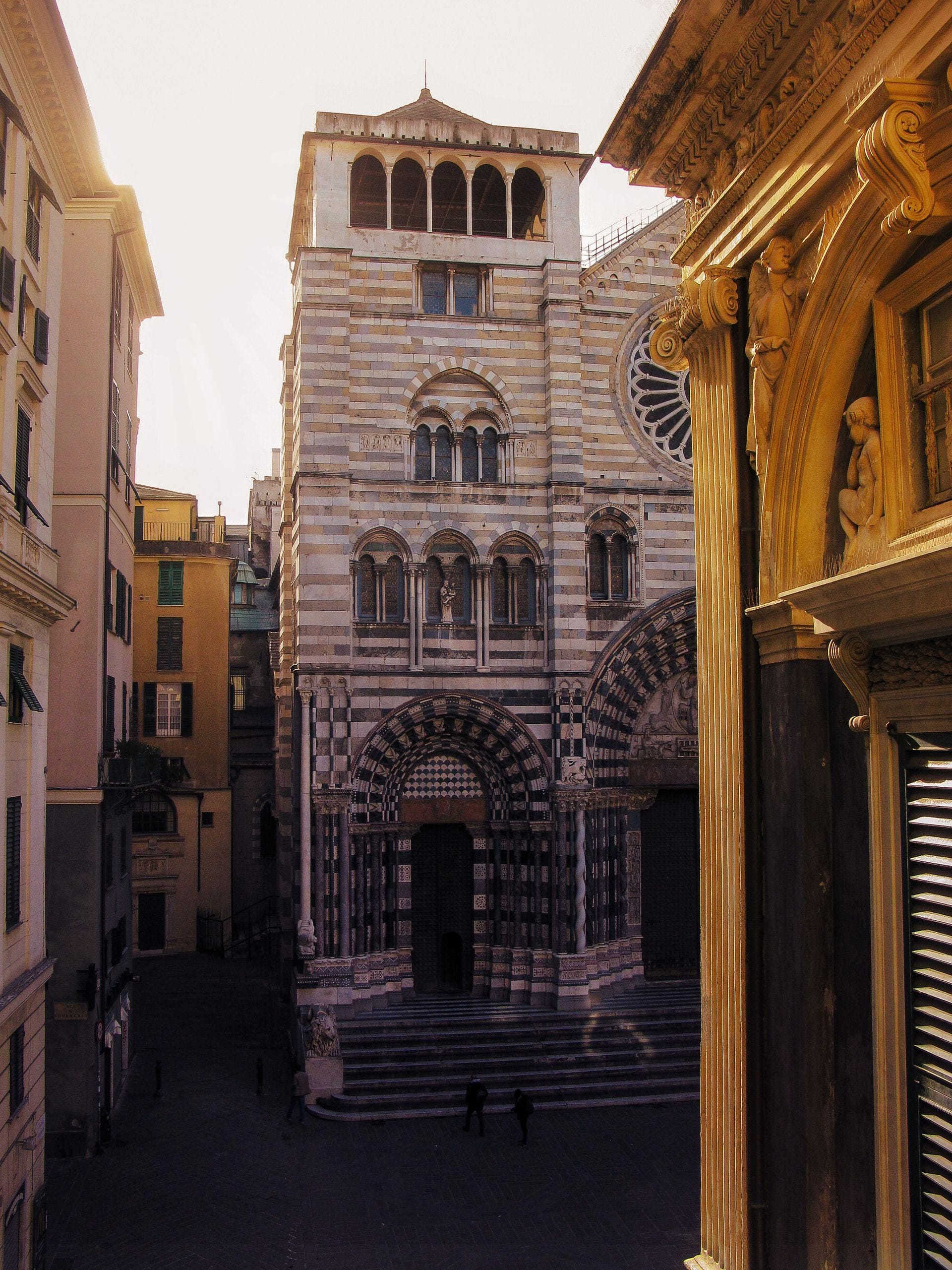
Anchoring the coast is the former maritime republic of the region's principal town, famed for its cathedral with its distinctive striped Byzantine façade. Avoid lingering in the main thoroughfare during high season and instead seek out the public lift, which transports you up to a belvedere offering peaceful views of the town and sea beyond—particularly beautiful at dusk.
The coast also boasts a long tradition of paper-making, dating to the Middle Ages. Although many of its mills are no longer in operation, the handmade paper remains highly prized. The Museo della Carta, housed in a 13th-century paper mill, offers a fascinating insight into ancient production methods, while nearby shops sell beautiful stationery, including cards, notebooks and writing paper.
The Humble Lemon
The local lemon, known as the Sfusato, is sovereign in this region. At lemon grove tours, under the guidance of families who have cultivated the land for generations, you can get close to these beautiful fruits, learning about their cultivation and the many uses to which they are put—from the famous liqueur limoncello to traditional preserves and desserts.
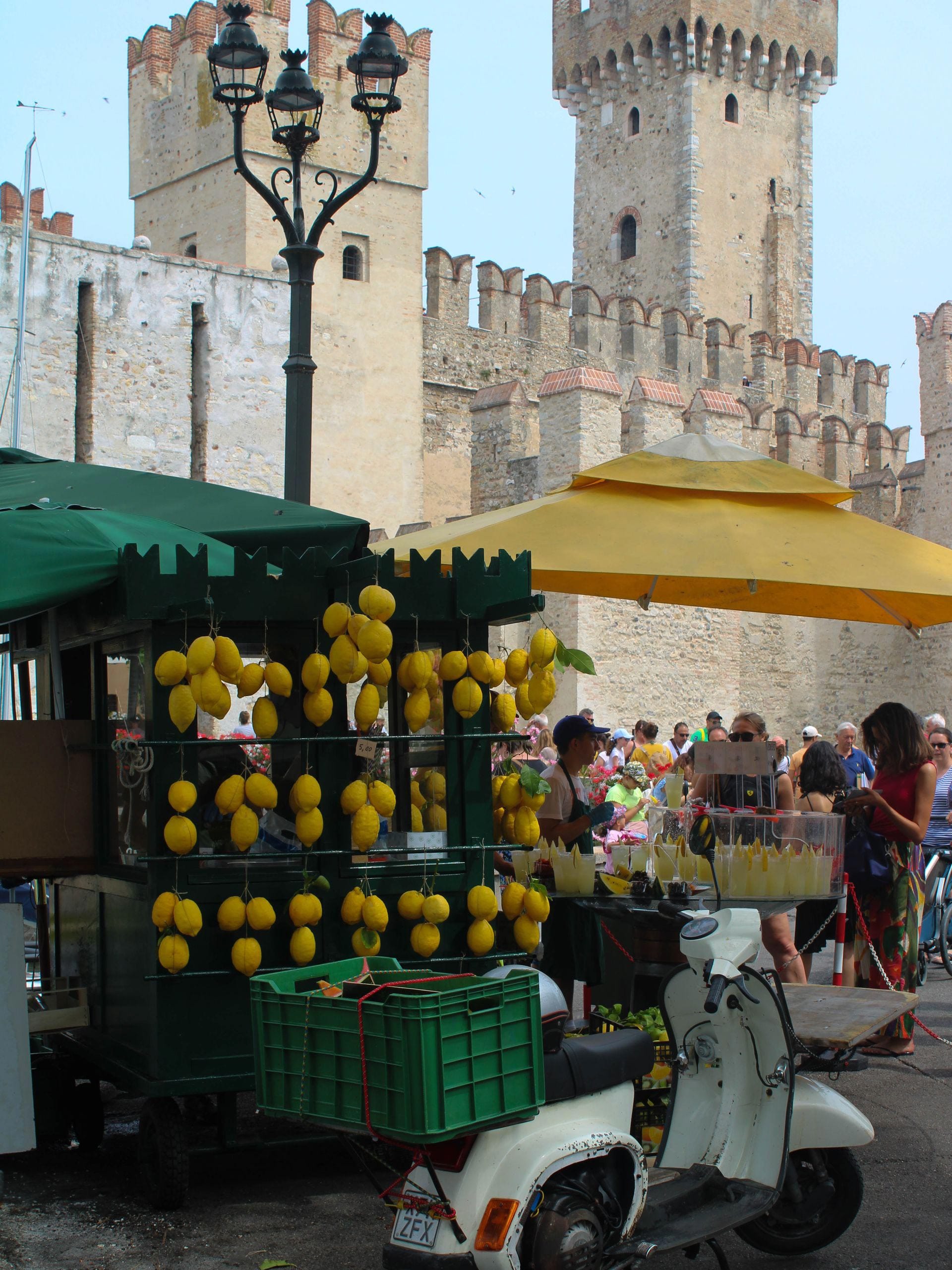
Tailored visits include guided walks through the groves, picnics among the trees, and cooking sessions alongside the families who have tended these terraces for centuries.
Eat Like a Local
There is perhaps no better way to know the region than to eat your way around it. It comes as little surprise that lemons, fresh fish and seafood star in signature dishes, from pasta al limone to the legendary pesto of the nearby region. In the main town, several respected restaurants are favoured by locals for their refined dishes presented with a contemporary twist—perfect for elegant lunches and suppers. For a sense of unfussy Mediterranean home cooking, seek out family-run trattorias, while beachfront establishments are excellent choices for fresh seafood.
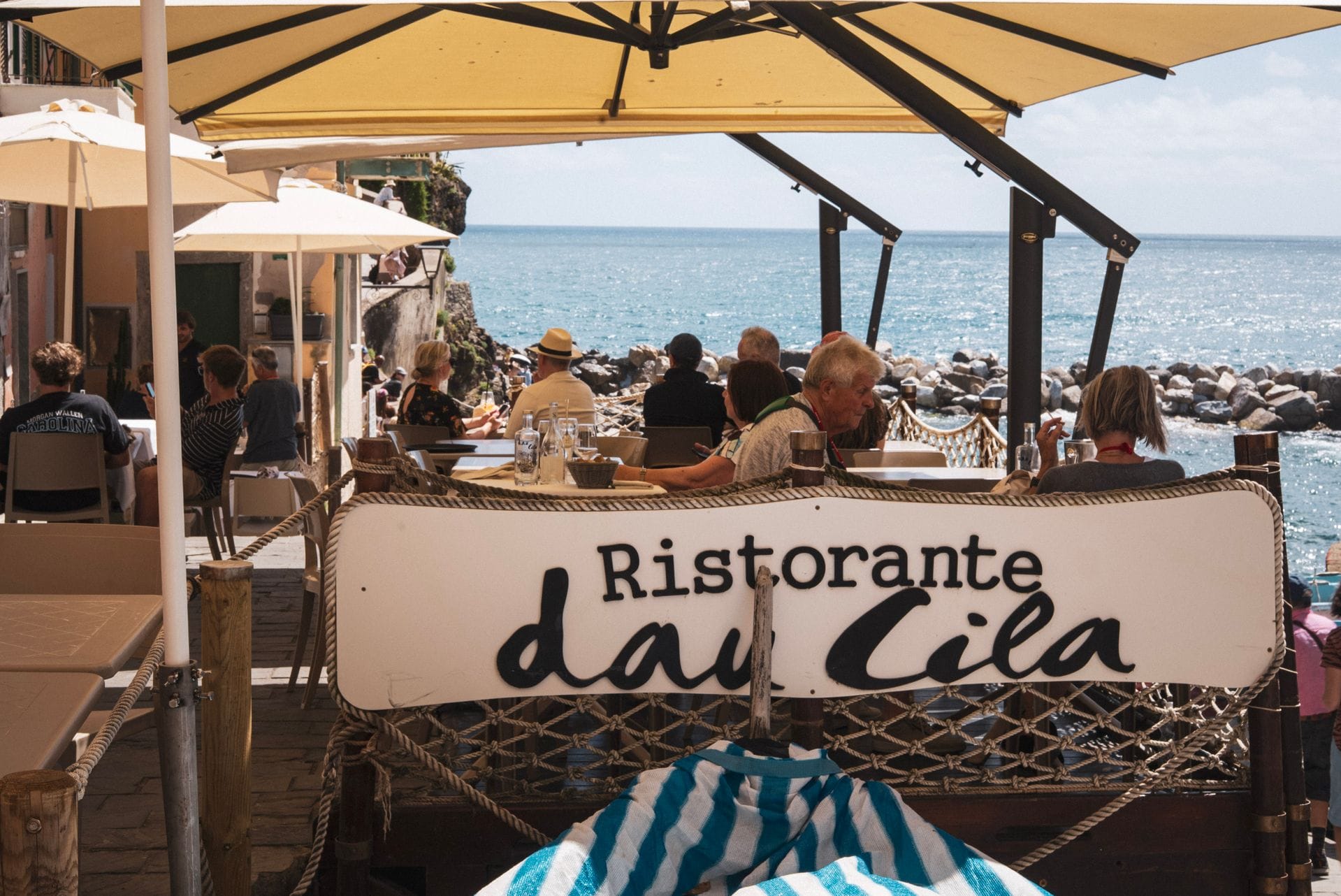
Don't forget to head inland for the best under-the-radar experiences. In the surrounding hills, modest osterias offer generous platters of antipasti, perfect for sharing, alongside excellent pizzas. In tiny mountain villages, hidden gems with red-and-white check café curtains offer ever-changing menus of traditional Ligurian dishes, favoured by those in the know.
Choose Memorable Places to Stay
The coast offers a wealth of options, from private apartments perfect for longer stays to cosy bed and breakfasts, alongside a handful of coveted luxury hotels. The most celebrated properties include cliffside hotels that balance easy access to the coast with a sense of being far from the crowds; former convents prized for their secluded terraces and breathtaking views; and historic palazzos with gardens considered among the finest on the coast.
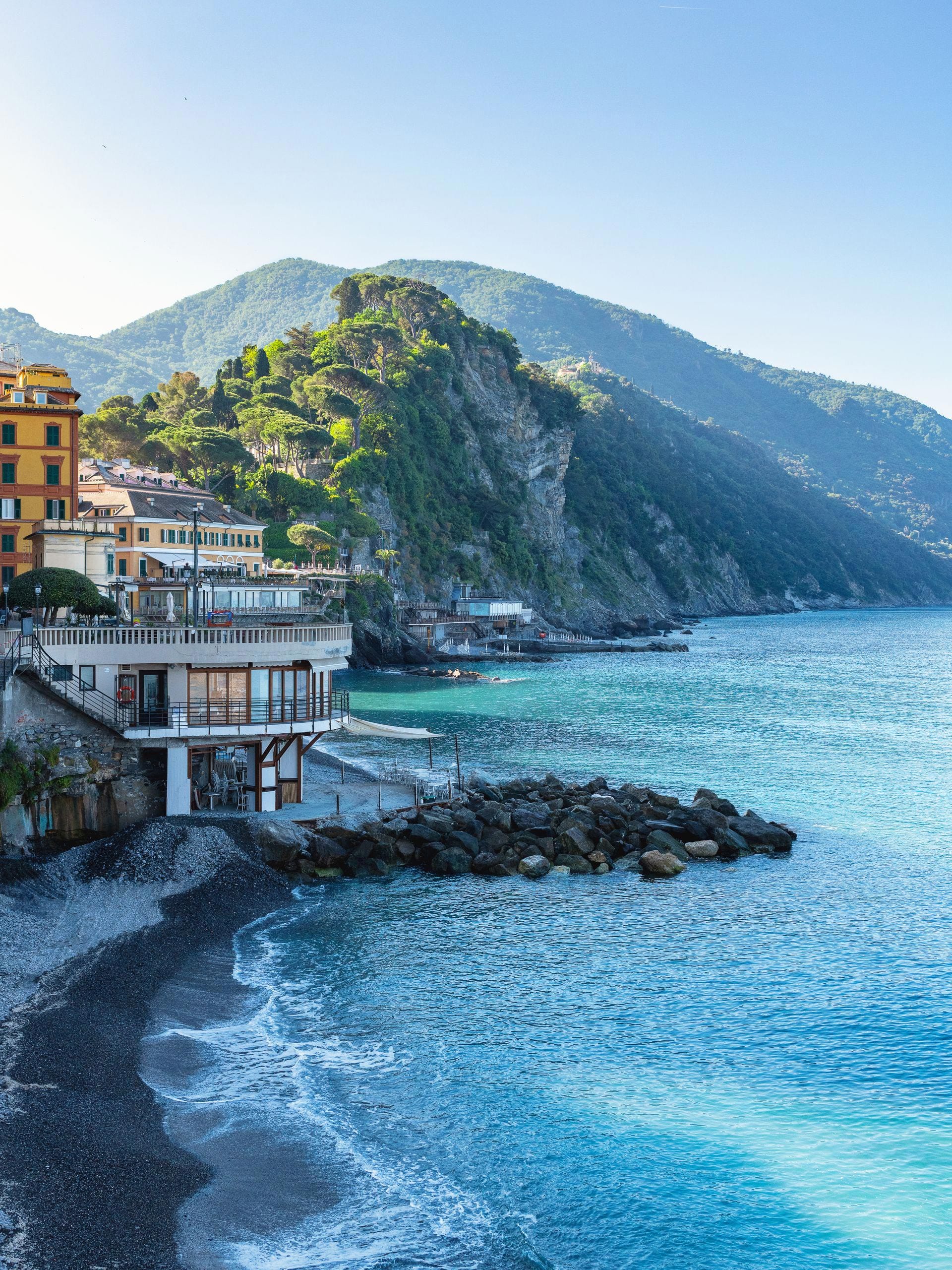
For a simpler choice, family-run guesthouses in the heart of the historic centre offer frescoed ceilings, tranquil courtyards, generous home-cooked breakfasts and the expert knowledge of local hosts.
Adventure by Sea
There is no better way to appreciate the majesty of the coast, with its vertiginous terraces carved into the cliffs, than from the sea. Ferry travel offers an effortless way to hop between the area's villages, each one surprisingly distinctive. A few minutes by boat from the main town, one town's labyrinth of winding alleyways unfurls from the main street, while another houses an impressive custard-coloured church and the remains of a semi-excavated Roman villa.
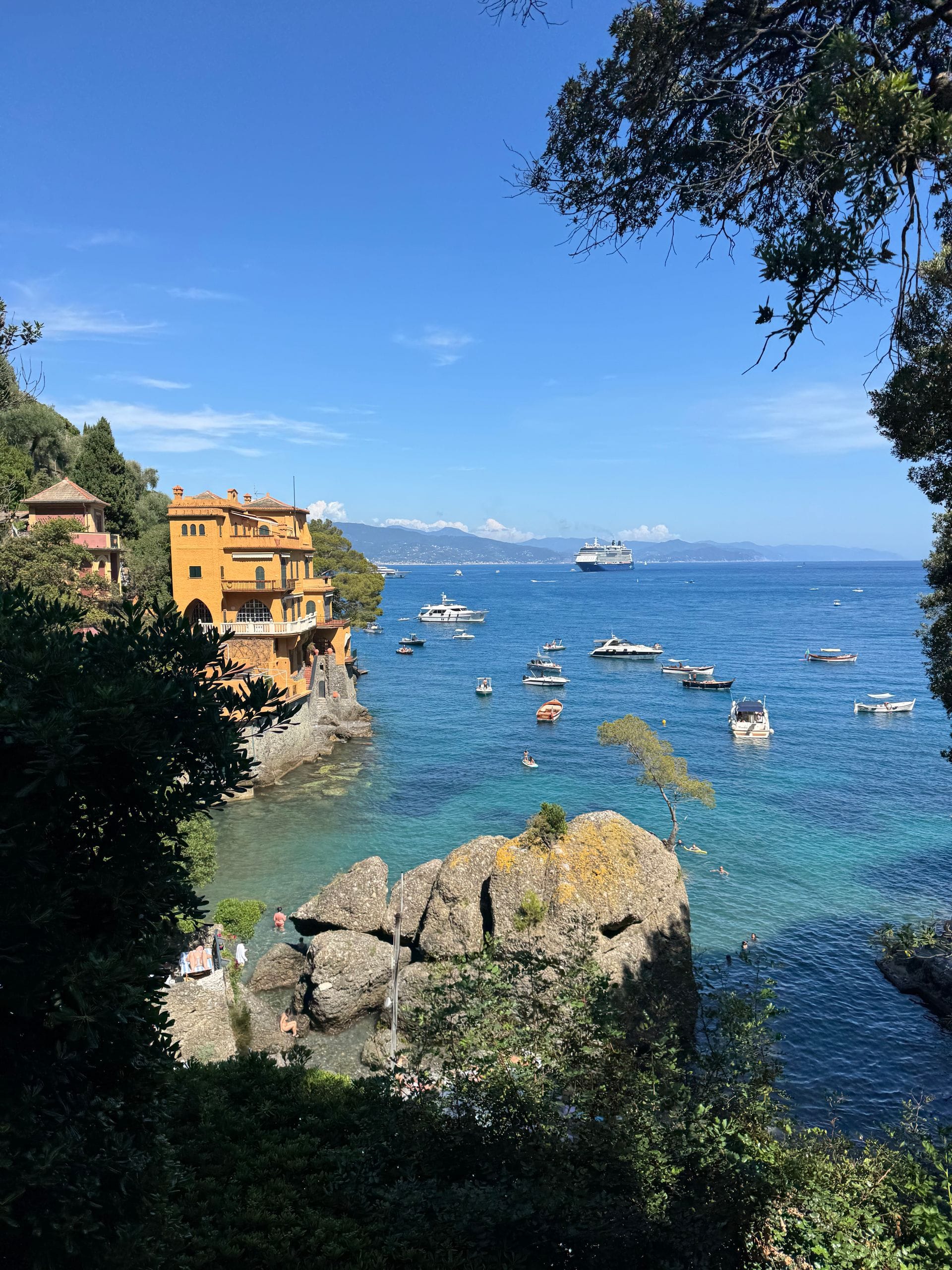
To avoid the crowds or to explore a more low-key side to the coast, head to the small fishing villages, sequestered between larger towns. Famed for their anchovies, celebrated every which way on restaurant menus, these villages have colourful boats bobbing in the port, compact beaches and pretty churches with majolica-tiled domes.
A little farther along the coast, a town is home to the region's colourful ceramics, with a cluster of independent makers lining the main street. With over a dozen towns to explore, this rugged stretch of Italy offers something greater than a simple beach escape—all the more reason to return many times over.
Insider's Itinerary: A Perfect Weekend
Day 1: Arrival and Exploration
- Morning: Arrive by ferry into the main port. Take the public lift to the belvedere for panoramic views. Visit the cathedral and its museum.
- Afternoon: Walk the Sentiero dei Limoni to the neighbouring village. Explore the Roman villa and sample local lemon granita.
- Evening: Dine at a family-run trattoria, where the pasta al limone is legendary and the conversation flows as freely as the local wine.
Day 2: Hills and Hidden Gems
- Morning: Take the bus to a hilltop village and walk to the medieval watchtower. The views over the coast are unforgettable.
- Afternoon: Descend to Italy's smallest town for a seafood lunch at a beachfront restaurant. Spend the afternoon exploring the town's winding streets and church.
- Evening: Return to the main town for sunset drinks at a rooftop bar, followed by a final dinner at a contemporary restaurant known for its inventive take on local cuisine.
Day 3: Ceramics and Departure
- Morning: Take the ferry to the town known for its ceramics. Spend the morning browsing the workshops and buying a handmade piece to take home.
- Afternoon: Enjoy a final lunch of fresh seafood at a harbour-side restaurant before taking the ferry back to the port and onward to your departure.