I have always believed that you can judge a city by its bookshops. Not the chain stores, with their predictable layouts and uniform selections, but the independent ones, the ones that seem to have grown organically from the pavement, that occupy buildings too awkward for anything else, that are run by people who have chosen a life of modest returns and immense satisfaction.
My pilgrimage began in Paris, at a bookshop that has been in the same family for four generations. It occupies a narrow building on the Left Bank, its windows filled with books stacked in careful arrangements, its interior a labyrinth of shelves and staircases. The owner, a woman in her seventies, greeted me with the warmth of someone who has seen generations of readers pass through her doors.
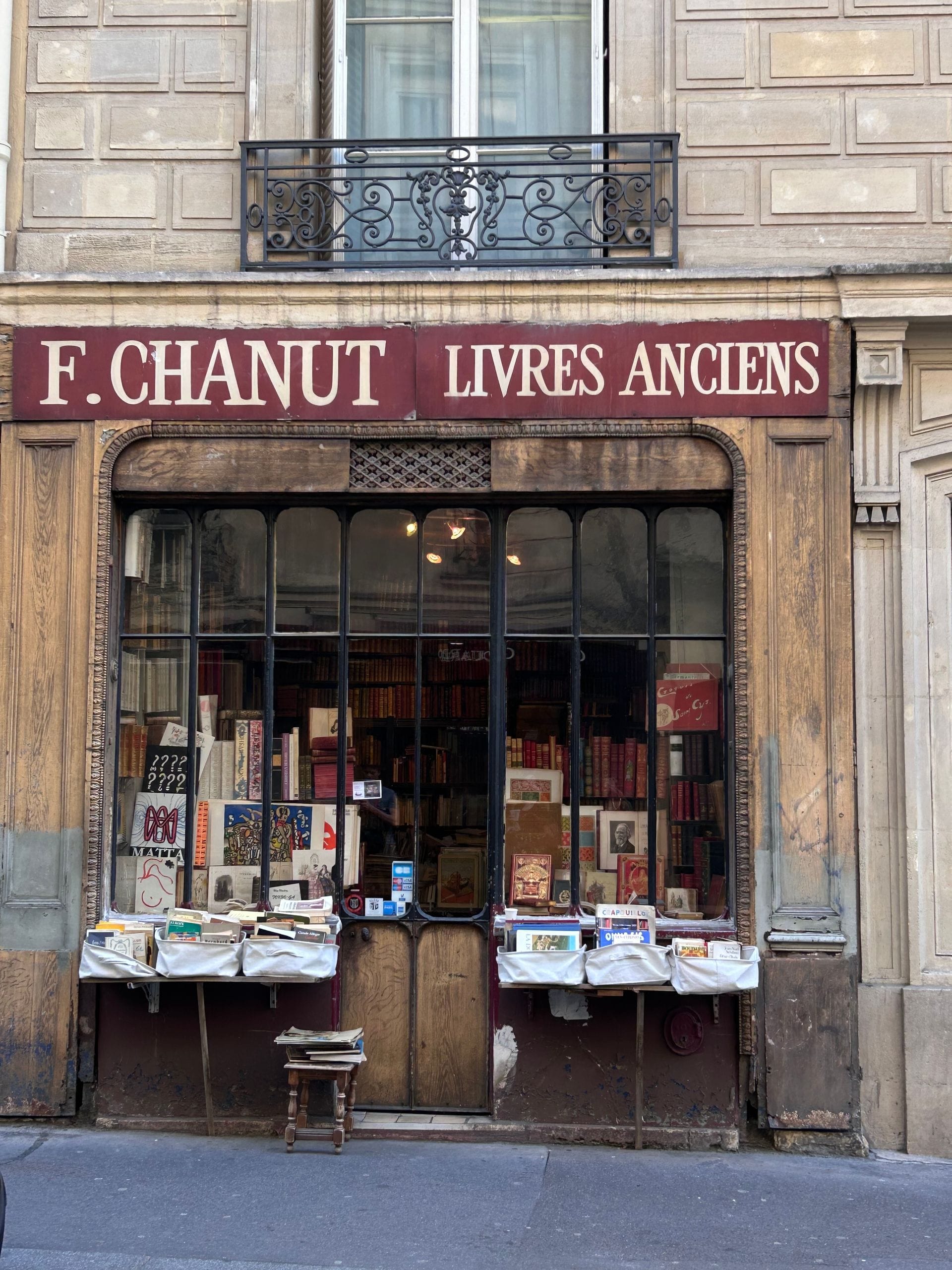
She told me that she took over the shop from her father in the 1970s, when the street was still a place where writers and artists gathered. Some of them became friends. Some of them became regulars. Some of them left books behind, inscriptions, memories. The shelves are full of these traces, a silent archive of a city's intellectual life.
The Shop That Refused to Close
In a narrow street in the heart of Bologna, I found a bookshop that specialises in poetry. It is a tiny space, barely wide enough for two people to pass, and every surface is covered with volumes of verse, from the classics to contemporary collections. The owner is a poet himself, and he runs the shop with a devotion that borders on the religious.
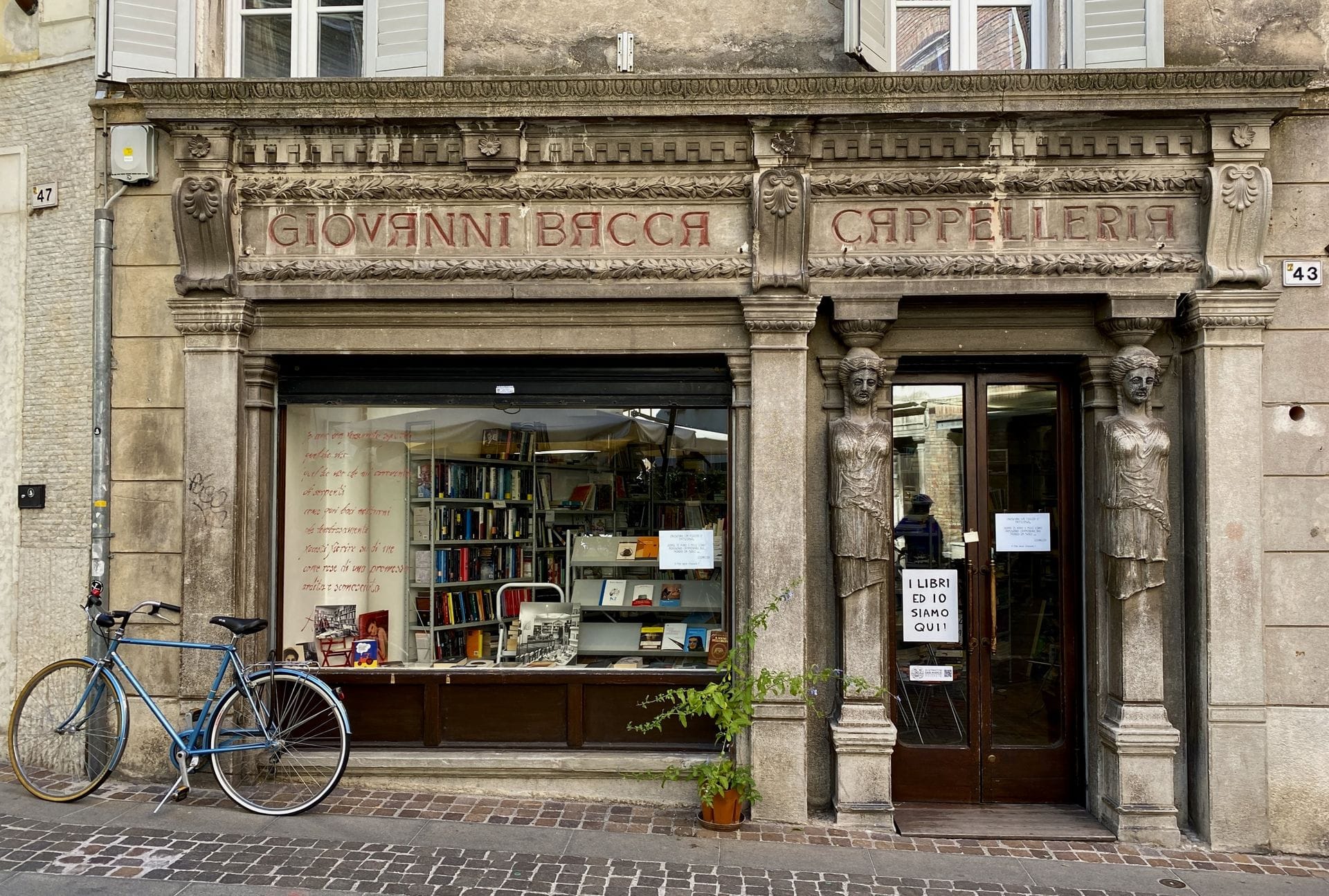
He told me that poetry is not a commercial proposition, that the margins are almost non-existent, that he keeps the shop open because he believes that poetry matters, that in a world of noise, it is the only form of language that can still articulate silence.
The shop has been open for ninety years. In that time, the street has changed, the city has changed, the country has changed. But the shop remains.
The act of selling poetry is not about profit. It is about presence, a statement that poetry still matters, that words arranged with care can still change how we see the world.
He lives above the shop, in a small apartment filled with books that have no shelf space downstairs. When I asked him what keeps him going, he gestured to the shelves. A young woman brought a volume to the counter, a collection by a poet neither of us had heard of. He smiled, placed it in a bag, and handed it to her with the care of someone entrusting a valuable object to a new owner.
The Return of the Social
The independent bookshop is also a space of encounter, a place where the solitary act of reading becomes a shared experience. In a shop in Edinburgh, I found a room at the back where readings are held. The owner told me that the shop was founded in the 1980s, that it has been through recessions, changes in reading habits, the rise of the ebook, the dominance of the chains.
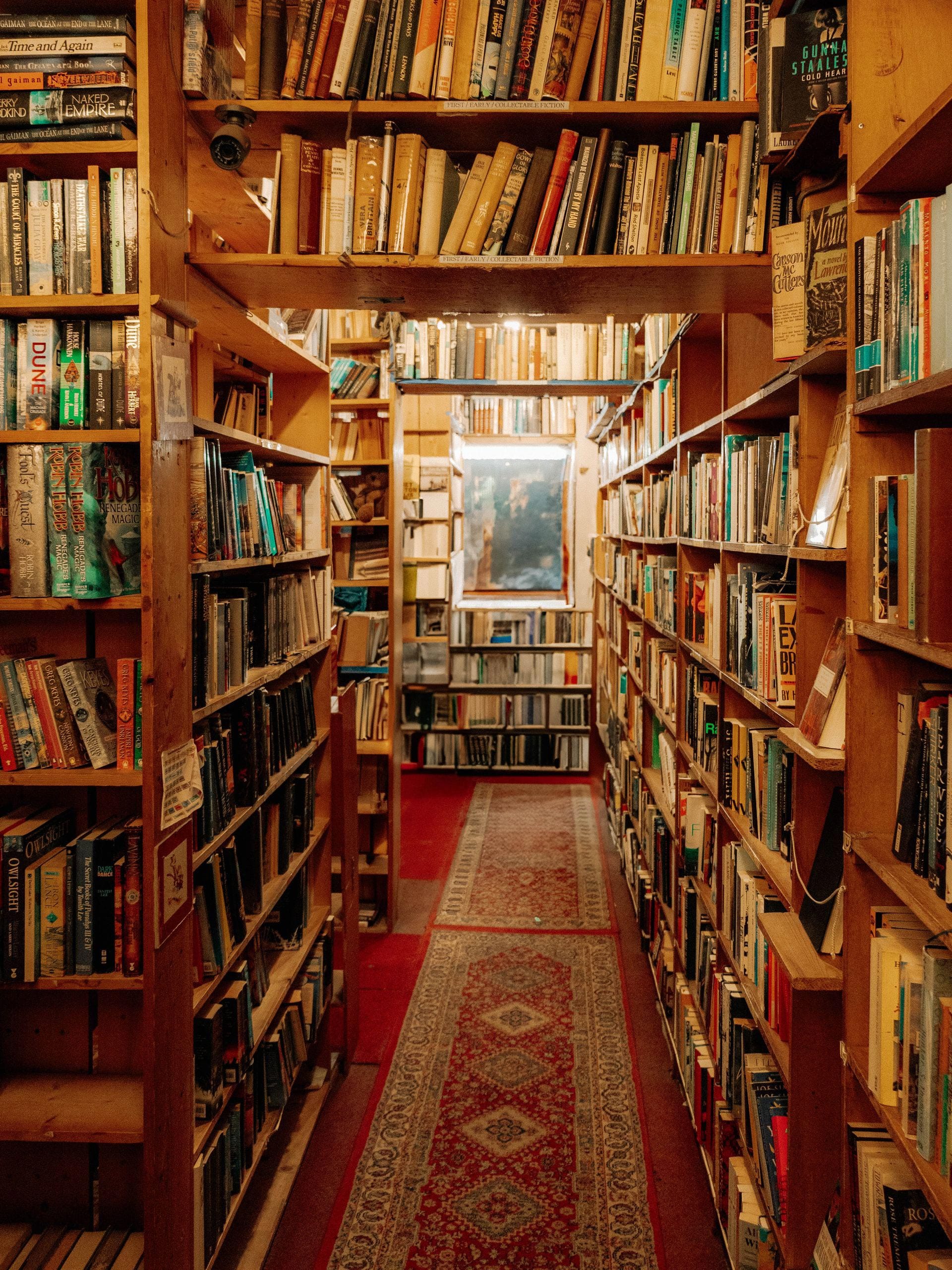
She said that the readings have become more important over the years. People are hungry for connection, for the experience of hearing a writer speak, of asking a question, of being part of something larger than themselves. The bookshop provides that space, that opportunity, that reminder that reading is not just a solitary act.
The bookshop is a container for a certain kind of experience. When you walk into a good independent bookshop, you are not just entering a retail space. You are entering a world shaped by the choices of a single person, a person who has dedicated their life to the selection and promotion of particular books. That experience cannot be replicated online.
The Unlikely Survival
Not all independent bookshops have survived. I visited a town in the south of France where the last bookshop had closed several years ago. The building was still there, its windows blank, its sign faded. A local told me that the owner had tried everything to keep it open. Events. Discounts. Extended hours. But the economics had become impossible.
The town now has no bookshop. The nearest one is a forty-minute drive away. The children of the town grow up without the experience of wandering into a bookshop, of discovering a book by chance, of being recommended something by a person who knows what they are talking about.
This is not a minor loss. It is a significant one. The bookshop is not just a place to buy books. It is a place where culture is transmitted, where taste is formed, where the encounter between a reader and a book is mediated by a human being.
The Importance of the Unknown
One of the pleasures of the independent bookshop is the discovery of the unknown. The algorithm offers you more of what you already like. The independent bookseller offers you something you had never considered, something that challenges your assumptions, something that introduces you to a world you did not know existed.
I visited a bookshop in Berlin that specialises in translated literature. The owner, a woman who has spent her life promoting books from other cultures, told me that translation is one of the most important acts of cultural exchange that exists. It allows us to hear voices that would otherwise be lost, to understand worlds that would otherwise remain closed.
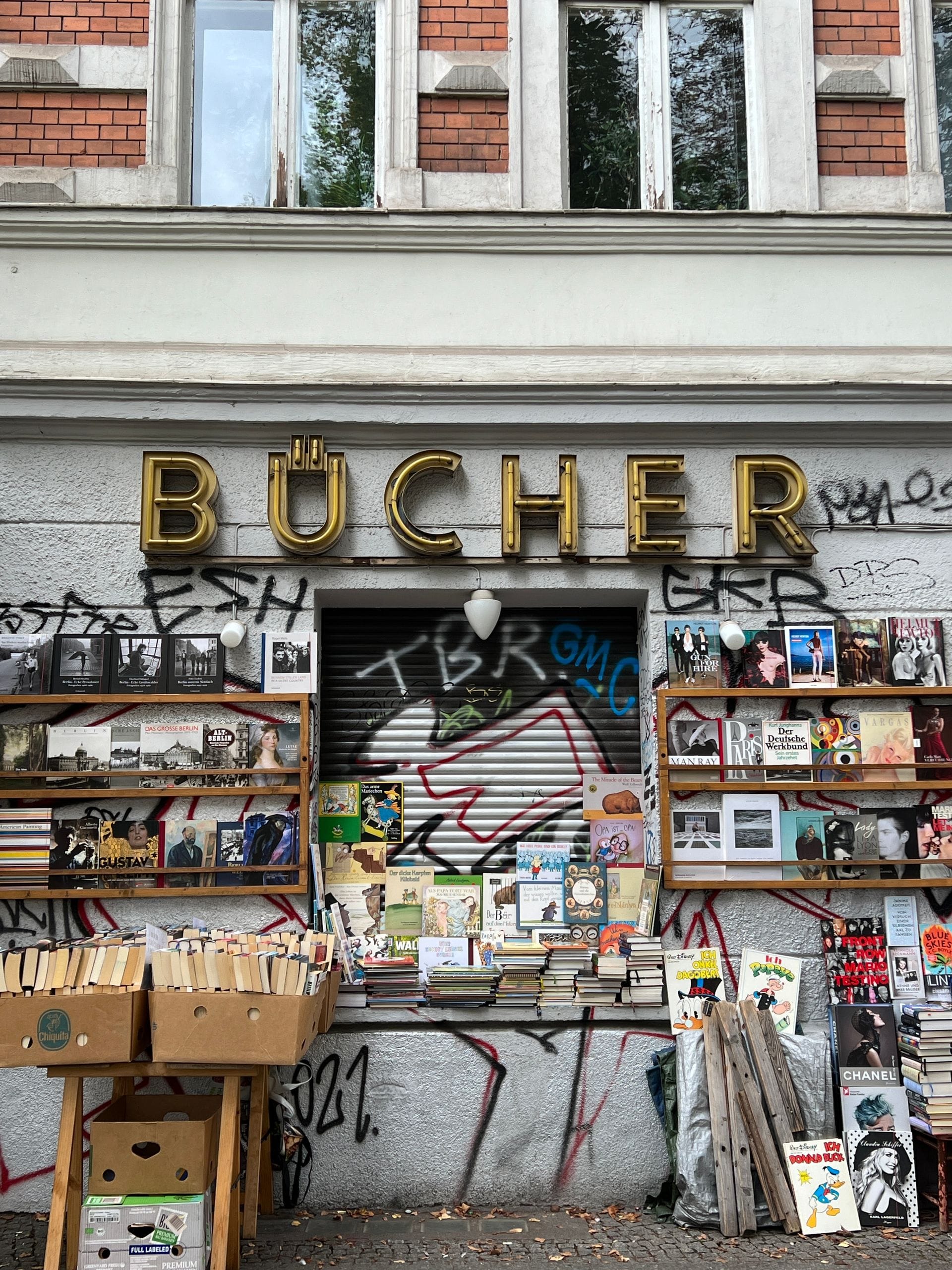
She told me about a customer who came in looking for a book by a particular writer. They had read everything by that writer and were looking for more. Instead, she recommended a book by a writer they had never heard of, a writer from a country they had never visited, writing about a world they had never imagined. The customer took the book home, read it, and returned to buy everything the writer had written.
This is the power of the independent bookshop. It is not just about selling books. It is about opening doors. It is about the encounter between a reader and a book that would not have happened without the intervention of a human being, a person who knows the value of what they are offering, who is willing to take the risk of recommending something that might not be expected.
The Shop as a Sanctuary
I ended my journey in a small town on the west coast of Ireland, where a bookshop occupies a building that was once a church. The interior has been adapted to accommodate shelves and reading areas, but the structure remains, its high arched windows filling the space with soft, diffused light.
The owner, a man who left a career in finance to open the bookshop, told me that he had always wanted to create a space where people could feel at home, where they could sit and read, where they could escape the weather and the demands of the day.
He told me about a woman who came in every week to sit in the corner and read. She never bought anything. She would simply take a book from the shelf, sit in her chair, and read for an hour. He said that he was grateful for her presence, that it made the shop feel alive, that it was a reminder of what the place was for.
The bookshop is not just about selling books. It is about creating a space where books can be encountered, where they can be read, where they can be part of the life of a community.
The woman who comes to read and never buys anything is as important as the woman who comes to buy a book.
A Final Shelf
As my journey through Europe's independent bookshops came to an end, I found myself reflecting on what I had seen. These shops are not just surviving. They are thriving, in their own way, on their own terms. They are adapting, changing, finding new ways to connect with readers. They are making a space for themselves in a world that often seems to have no room for them.
The owners I met are not deluded about the challenges they face. They know that the economics are difficult, that the margins are thin, that the future is uncertain. But they also know that what they are doing matters. In a world that is increasingly dominated by algorithms and efficiency, they are offering something different: a human encounter, a recommendation based on taste and experience, a space where the act of reading can be shared.
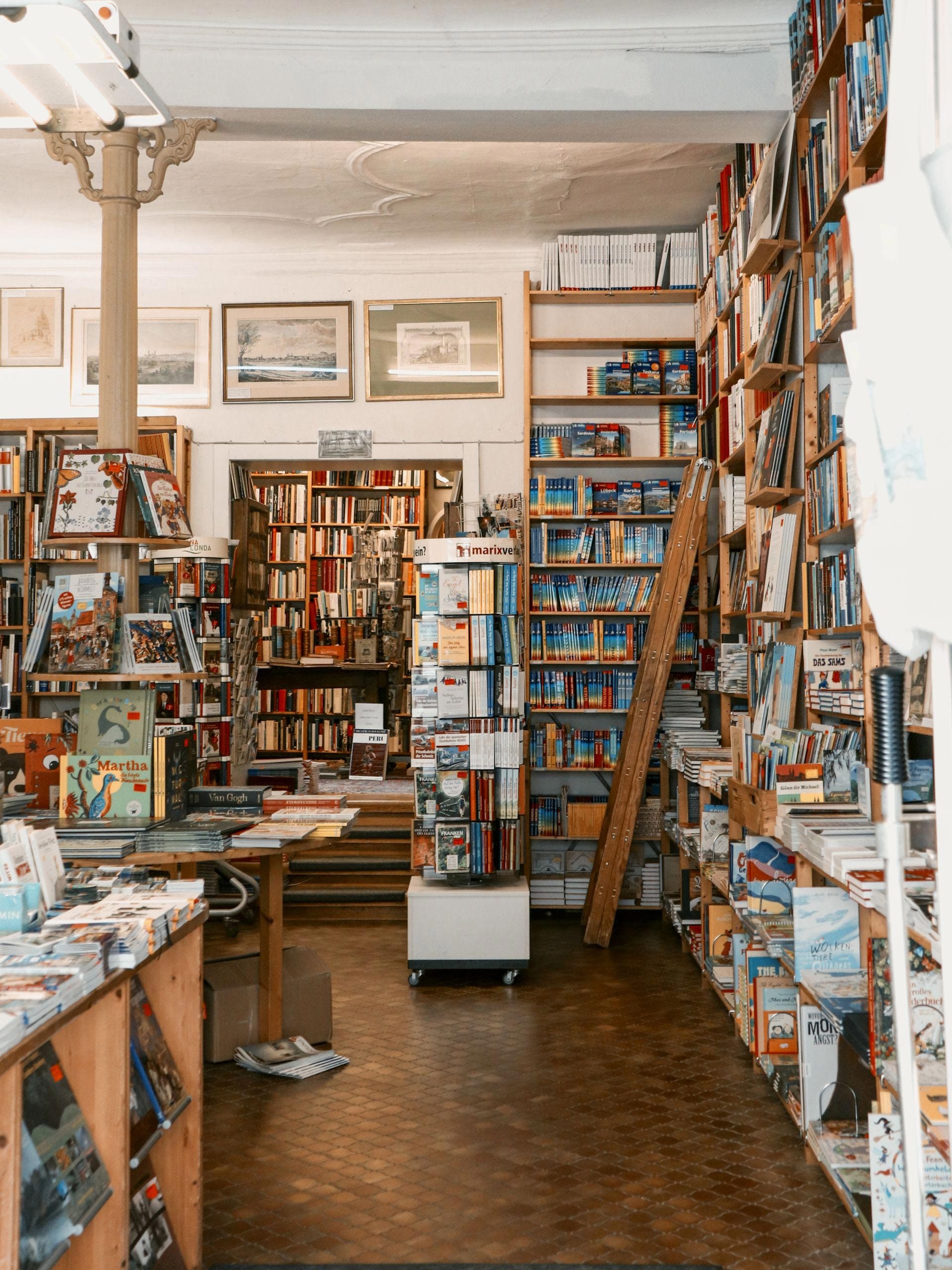
I returned home with a bag full of books I had not intended to buy, books I had not known I needed, books that had been chosen for me by people who understood what I might be looking for, even when I did not know it myself. That, I think, is the greatest gift of the independent bookshop. It offers not just books, but the possibility of discovery, the chance to be surprised, the experience of being led to something you did not know you were looking for.