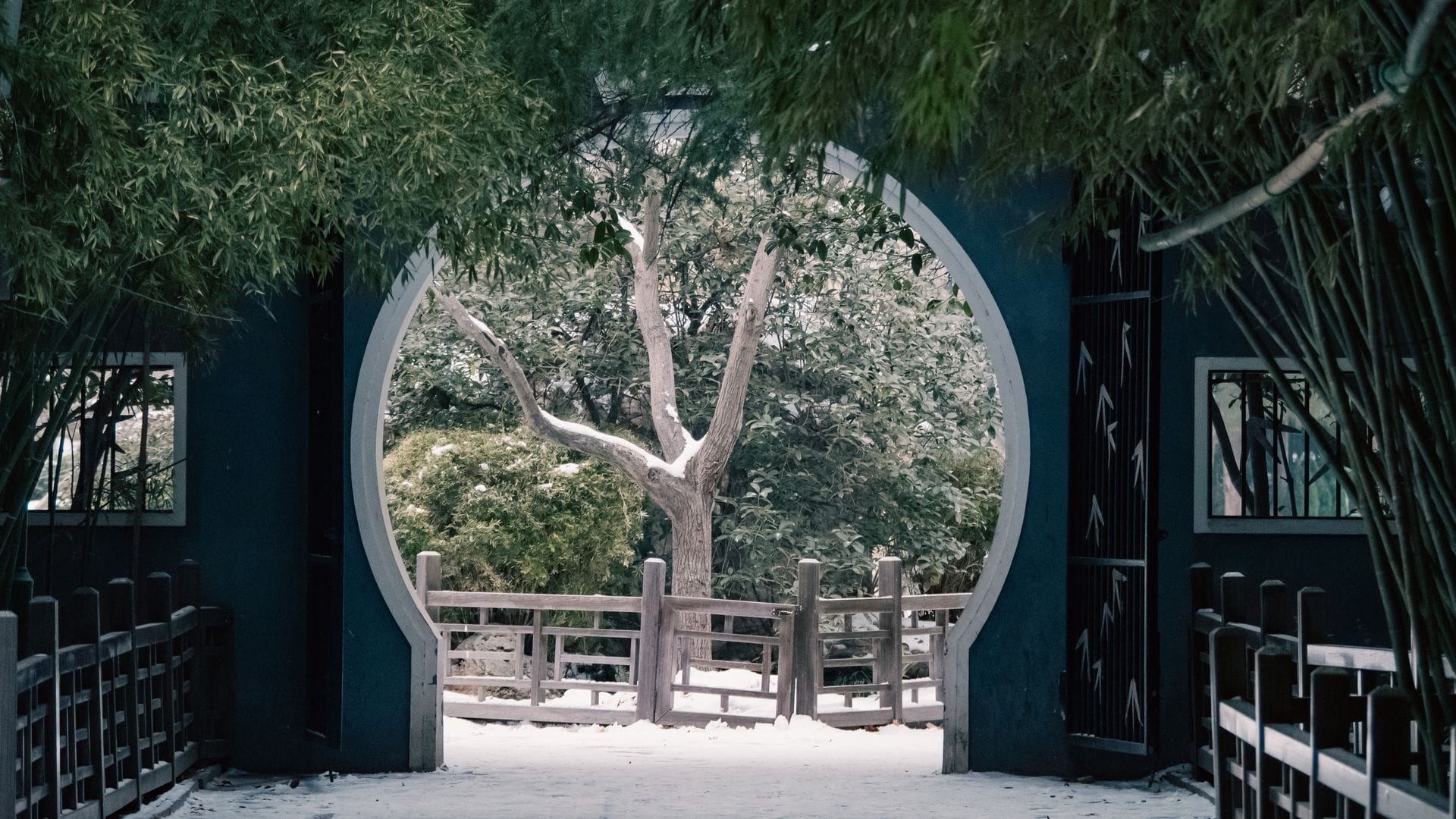
I used to think of the winter garden as a loss. The flowers had gone, the leaves had fallen, the colour had drained from the borders. It seemed like a garden in retreat, a space that had given up, a pause in the cycle of growth. I did not visit the garden in winter. There was nothing to see.
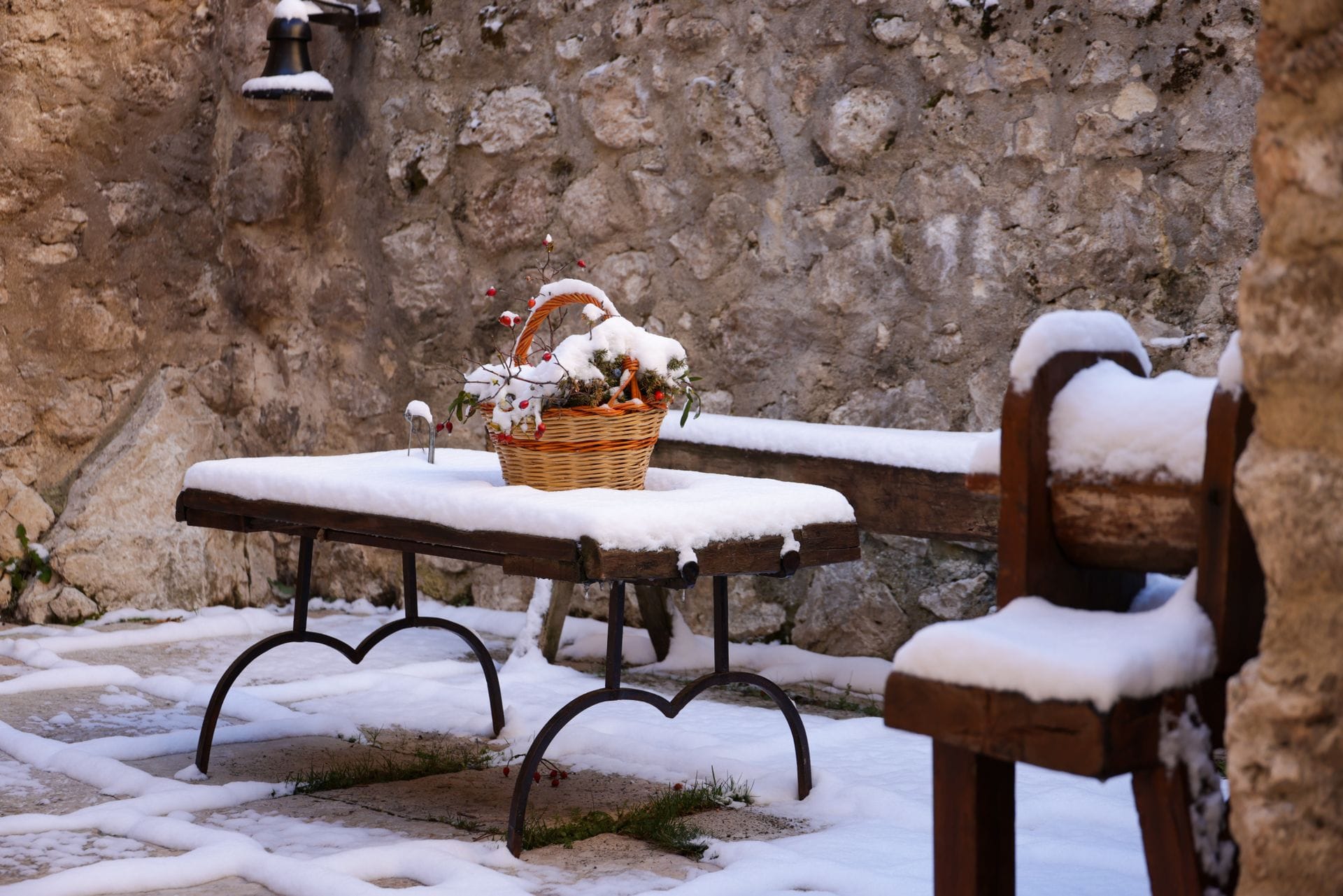
It took a change in perspective to see the garden differently. I was walking through a woodland in December, the trees bare, the ground covered with leaves, the light low and soft. It was not a landscape that was empty. It was a landscape that was resting, a landscape that was preparing, a landscape that had its own beauty. The shapes of the branches were more visible, the structure of the trees was clearer, the quality of the light was different. It was not a loss. It was a transformation.
I began to see the garden in winter as a space of possibility, a garden that was not empty but waiting, a garden that was gathering its strength for the return of spring.
The Architecture of the Bare Garden
In winter, the structure of the garden becomes visible. The bones of the garden are revealed, the shapes of the trees, the lines of the borders, the patterns of the paths. A garden that is full of leaves and flowers is a garden that is lush, but a garden that is bare is a garden that is clear.
A garden in winter is like a building without its decoration. You can see the architecture, the underlying structure that supports everything else. It is the garden in its purest form.
I walked through a garden in January, the frost on the grass, the branches etched against the sky. It was a garden that was stripped back to its essentials, a garden that was honest, a garden that did not need to impress. It was a reminder that a garden is not just about the flowers. It is about the structure, the form, the relationship between the elements.
The Beauty of the Frost
Frost is one of the great beauties of the winter garden. It transforms the ordinary into the extraordinary, turning a blade of grass into a sculpture, a fallen leaf into a jewel, a bare branch into a work of art. The frost is a reminder that beauty is not always about colour. It is about form, texture, the quality of the light.
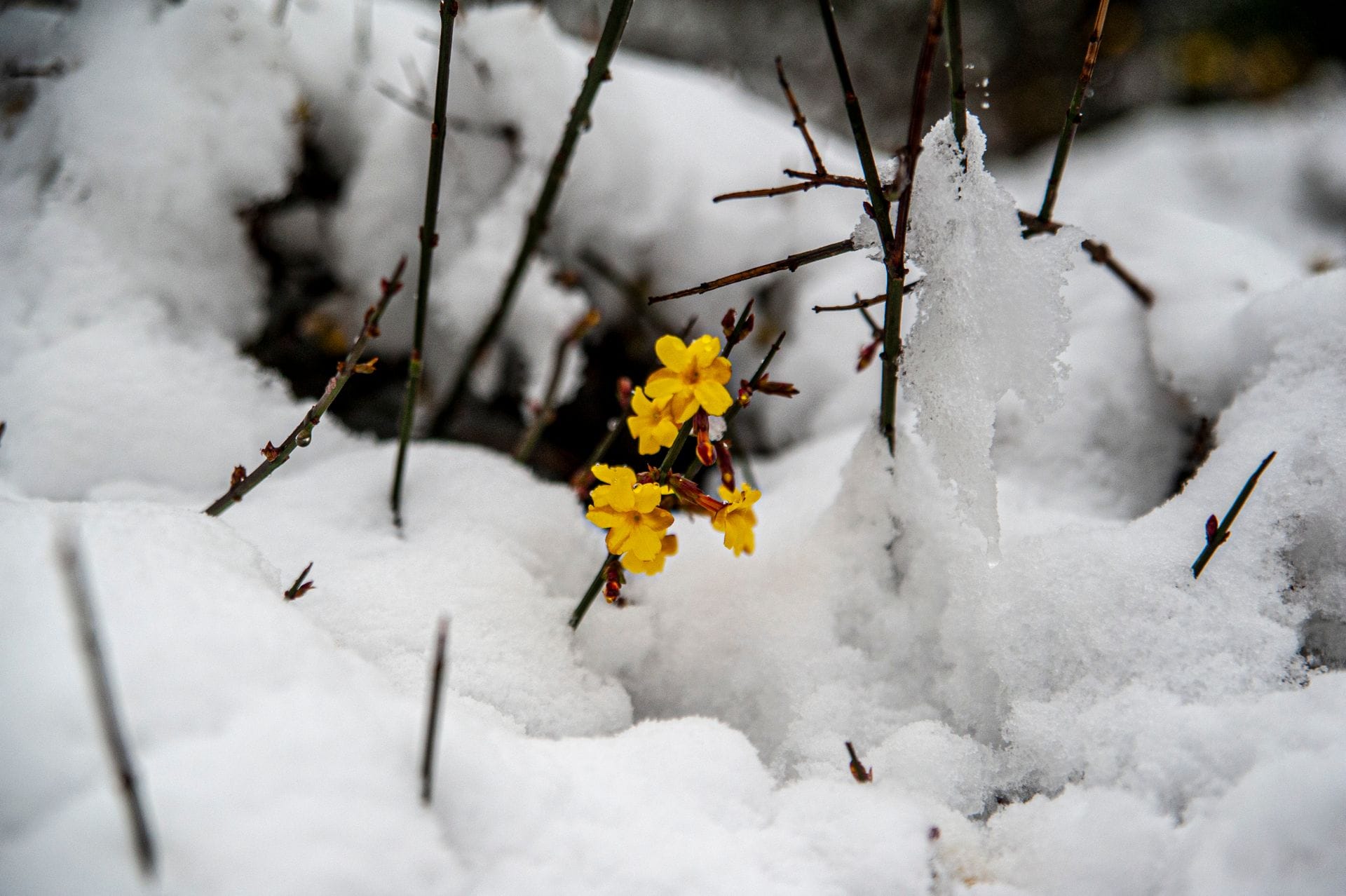
I have a photograph of a frost-covered spiderweb, the threads outlined in white, the web suspended between the bare branches. It is a photograph that I could not have taken at any other time of year. It is a photograph that captures the particular quality of the winter garden, the sense that the world has been transformed, that the ordinary has become extraordinary.
The Promise of the Bud
The winter garden is not empty. It is full of promise. The buds that will become leaves, the bulbs that will become flowers, the seeds that will become plants. They are waiting, gathering their strength, preparing for the return of spring.
I have a magnolia tree in my garden. In winter, it is bare, its branches dark against the sky. But the buds are there, small and furry, waiting for the warmth. They are a reminder that the garden is not dead, only dormant, that the cycle will turn, that the flowers will return. The winter garden is a garden of waiting, a garden of patience, a garden of faith in the return of the warmth. And the waiting is a form of attention, a way of being present with the process of growth.
The Quality of the Light
The quality of the light in winter is different. It is lower, softer, more oblique. It creates longer shadows, deeper contrasts, a different kind of beauty. The winter light is not as bright, but it is more subtle, more atmospheric, more conducive to reflection.
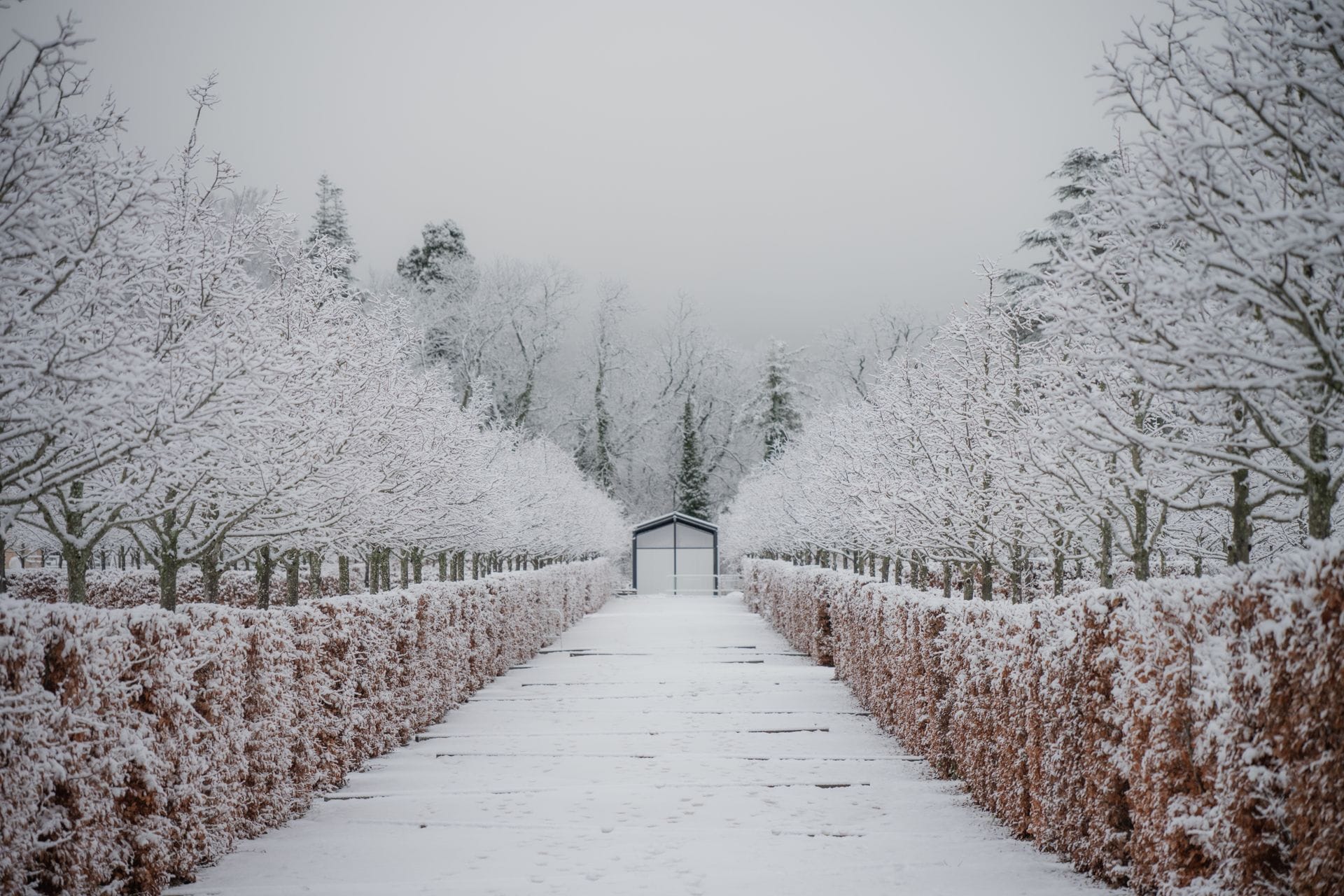
I often walk in the garden in the late afternoon, when the light is low and the shadows are long. It is a time when the garden seems to slow down, when the pace of the day eases, when the world seems to hold its breath. The winter light is a light that invites contemplation, a light that asks you to stop and look, a light that reveals the garden in a different way.
The Resilience of the Evergreen
There is a value in the evergreens, the plants that hold onto their leaves through the winter. They are not the most dramatic plants in the garden, not the ones that attract attention. But they are the ones that provide structure, that hold the garden together, that remind us of the persistence of growth.
I have a box hedge in my garden. It is not the most beautiful plant, not the one that people notice. But it is there, in winter, when everything else has gone, a quiet presence, a reminder that some things endure. The evergreen is a symbol of resilience, a symbol of the life that continues, a symbol of the garden in winter.
A Garden Not Empty
In the end, the winter garden is not empty. It is a garden of possibility, a garden of waiting, a garden of faith. It is a garden that holds the promise of spring, that contains the seeds of future growth, that is not dead but dormant.

I have learned to appreciate the winter garden. I no longer see it as a loss. I see it as a transformation, a different way of being, a different kind of beauty. The bare branches, the frosted soil, the low light, the waiting buds. These are not a loss. They are a quality, a season, a way of being.