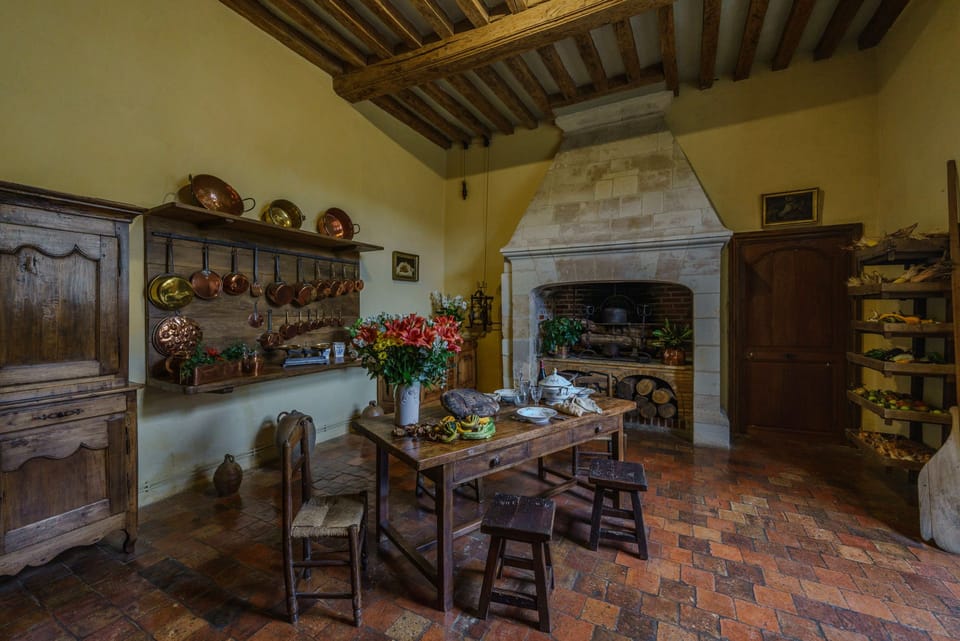
A year ago, I moved into a house with a kitchen that had been designed by someone who had clearly never cooked a meal in their life. The oven was positioned too low. The extractor fan was too weak. The fridge was placed so far from the work surface that preparing a meal felt like a logistical exercise. There was no space for a chopping board. The drawers opened in the wrong direction. The lighting was so harsh that it turned every vegetable into a shade of unappealing grey.
1. The oven position matters more than I expected.
I had never thought about the height of an oven until I found myself bending down to check on a roast every twenty minutes. The oven in that kitchen was set into the wall at knee level. It was fine for the first few minutes. By the end of a two-hour cook, my lower back was asking serious questions about the choices I had made in life. When I finally moved to a kitchen with an oven at a sensible height, I felt like I had been given a promotion. It is the kind of detail you notice only when it is wrong, but once you notice it, you can never un-notice it.
2. The fridge should be close to the counter.
A kitchen is a system of movement. The flow of a good kitchen is invisible when it is working and maddening when it is not. In my old kitchen, the fridge was at the far end of the room, separated from the main work surface by a small island that served no purpose except to block the way. Every time I needed an ingredient, I walked the length of the room, ducked around the island, retrieved the item, and walked back. I did this dozens of times a day. By the end of the year, I had developed the kind of weary resignation that comes from knowing that something is wrong but not being able to change it.
3. The importance of space for a chopping board.
This sounds trivial. It is not. A kitchen without space for a chopping board is a kitchen where the counter is too small, too full, too cluttered. In my old kitchen, I balanced the chopping board over the sink. It wobbled. Things fell. I caught a falling tomato with my foot once, an act of coordination that I did not know I possessed. When I moved into a kitchen with a generous counter, it took me weeks to adjust to the luxury of space. A chopping board that sits on a solid surface is not a privilege. It is a basic requirement, a simple pleasure that no one talks about because they assume everyone has it.
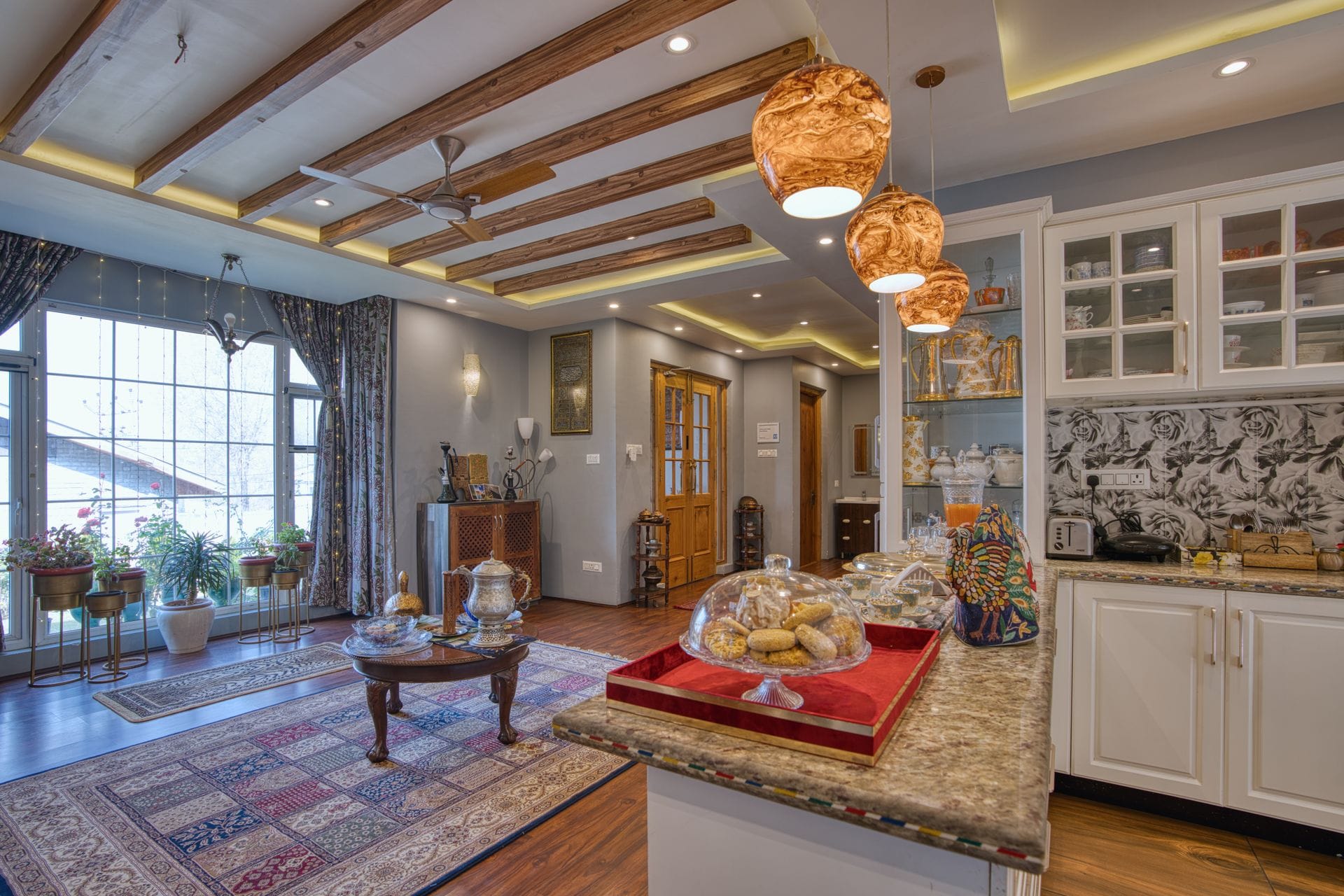
4. A poorly placed extractor fan is a quiet tragedy.
The extractor fan in my old kitchen was positioned directly above the cooker, as they often are. The problem was not the placement. The problem was that it did not work. It made a noise. It did not extract. Within minutes of starting to cook, the kitchen filled with steam and smoke, and the windows streamed with condensation. I learned to open the back door, even in winter, even when the rain was blowing in. Cooking became an act of endurance, a test of how much discomfort I was willing to tolerate for the sake of a decent meal.
5. A kitchen should not require acclimatisation.
In the first few weeks of living in that house, I assumed that I would get used to the kitchen. It would become familiar, easier to navigate, less frustrating. It did not. I never got used to it. Every meal was an exercise in problem-solving, a series of small workarounds that I had to invent and reinvent each time. A good kitchen does not require acclimatisation. It is intuitive, accessible, a space that supports you without your having to think about it.
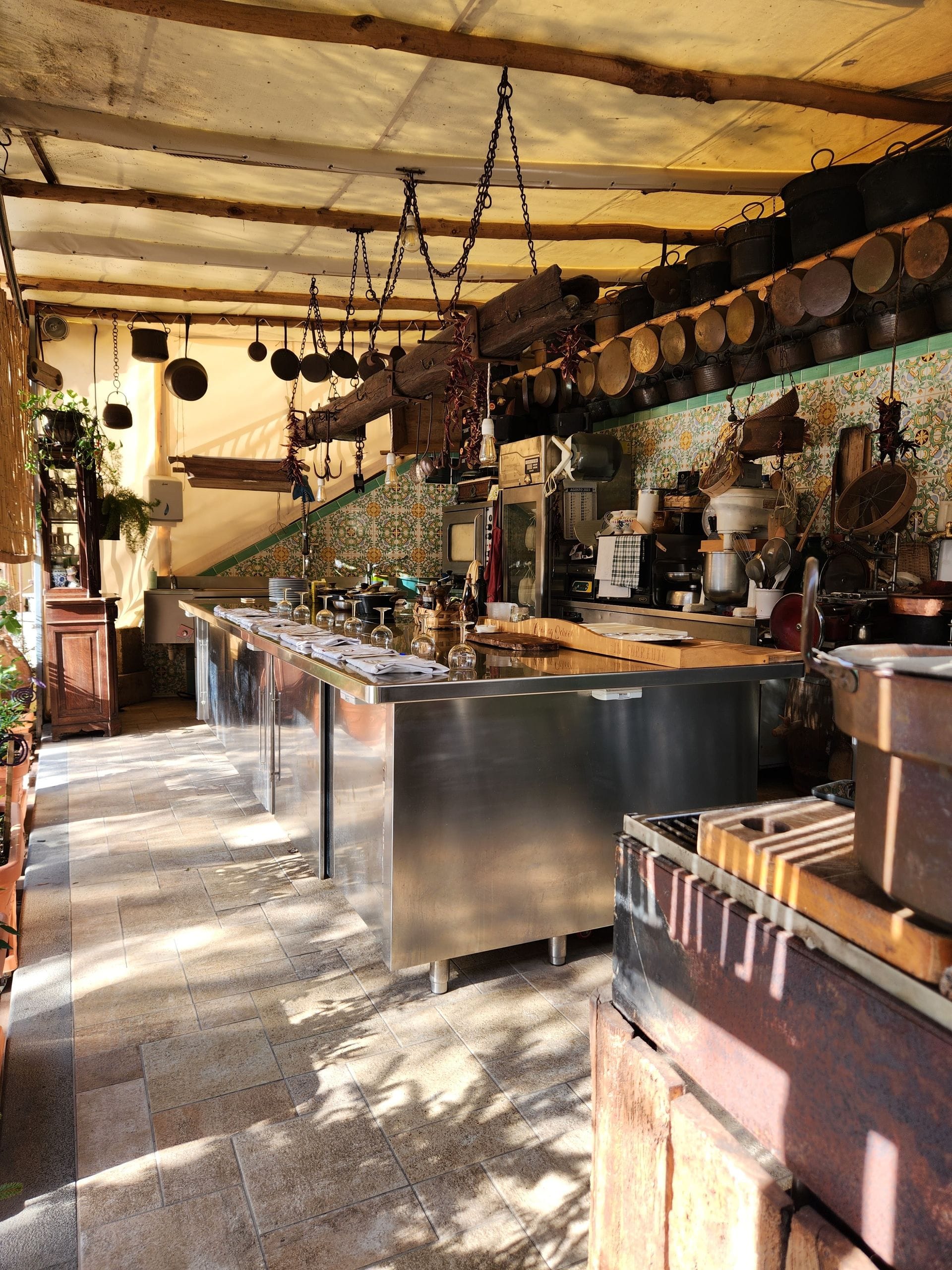
6. The hardest detail to get right is often the simplest.
The kitchen that worked was not the one with the most expensive appliances. It was the one where the details had been considered. The drawer for the pans was next to the hob. The spice rack was within arm's reach of the stove. The bin was where you needed it, not where it looked best. These are not the things you notice in a showroom. They are the things you notice in a kitchen that you use every day, the details that make the difference between a room that functions and a room that frustrates.
7. A good kitchen is a quiet presence.
In the new kitchen, I noticed that I did not think about the room at all. I moved through it without effort. I did not have to plan my movements or adjust my expectations. It was simply there, supporting the work without demanding my attention. A good kitchen, I have learned, is not a statement. It is not a room to be admired. It is a room to be used, a space that supports a life without imposing itself. The best kitchens are the ones you forget about, the ones that make it possible to do the things that matter without the distraction of bad design.
8. A kitchen is not a magazine page.
In the end, I learned that a kitchen does not have to be beautiful to be good. It does not have to be photogenic or follow the latest trends. It has to work. It has to be a place where you can move freely, where you can find what you need, where you can cook without thinking about the room itself. The kitchen that works is a kind of gift, a space that takes care of you without your having to ask. And that is a kind of beauty that no amount of styling can replicate.