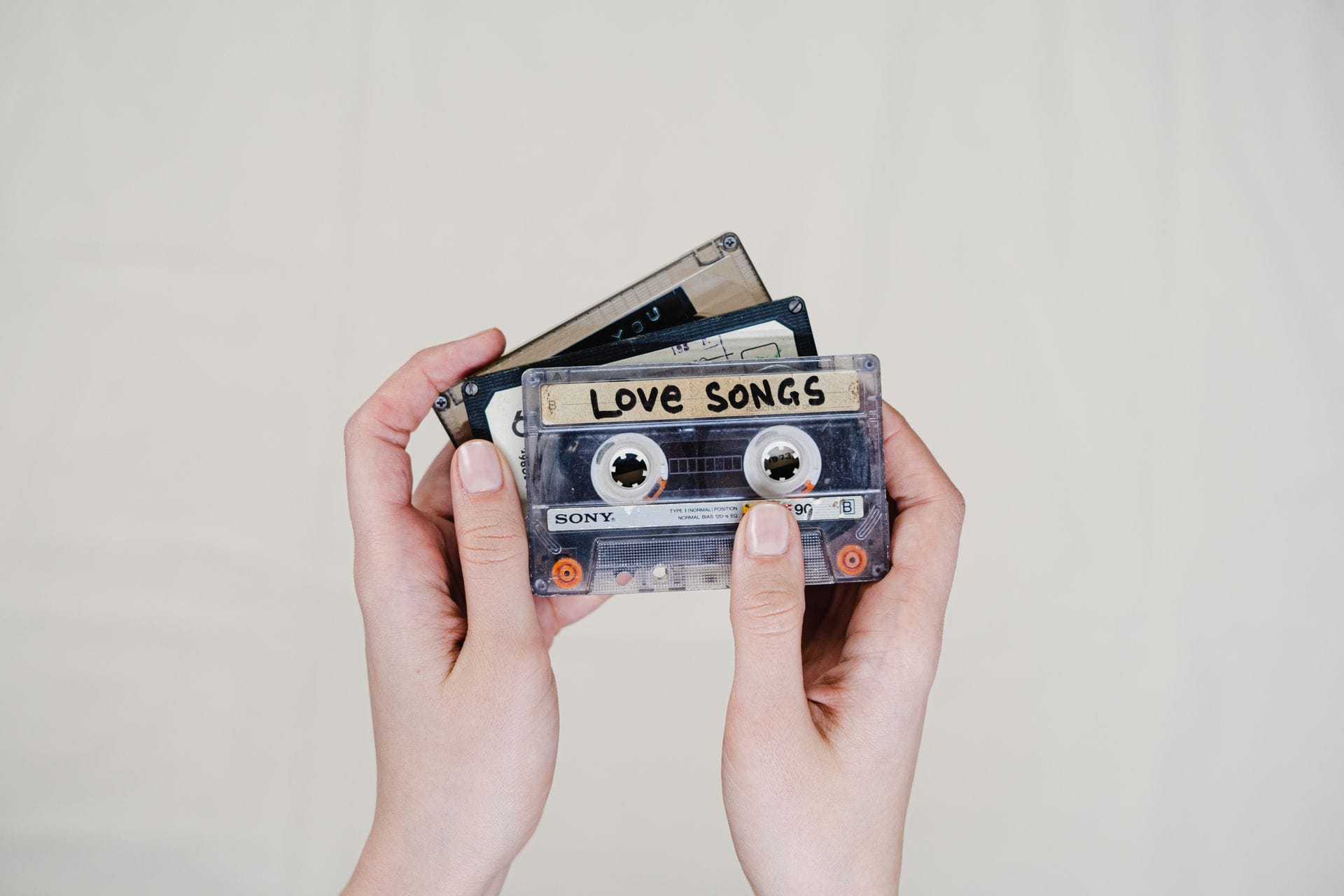
The first mixtape I ever received was from a girl I barely knew. She handed it to me at the end of a party, wrapped in brown paper, her handwriting on the front. I put it in my pocket and forgot about it until the next morning, when I found it on my bedside table and remembered that someone had given me something, something I had not asked for, something that represented a kind of attention that was unfamiliar to me.
I played it on a cassette deck that belonged to my brother. The first track was something I did not recognise, a piece of music that seemed to exist in a world I had not yet encountered. The second track was something I knew but had never really listened to. The third track was something I had never heard and would not hear again for years. The whole tape was a conversation, a sequence of choices that spoke of the person who had made it.
I did not understand all the choices. But I understood that they had been made. I understood that someone had taken the time to select each track, to arrange them in a particular order, to create something that was more than the sum of its parts. It was not just a collection of songs. It was a message, a communication, a way of saying something that could not be said in words.
The Intimacy of Curation
There is a particular quality to a mixtape that cannot be replicated by a playlist. A playlist is a convenience, a way of organising music into categories, a tool for discovery. A mixtape is something else entirely. It is a gift, a gesture, a transmission of something personal. It is a way of sharing a piece of yourself, of offering a glimpse into the world as you experience it.
I spoke to a man who has been making mixtapes for over thirty years. He told me that the process is as important as the result. The selection of the tracks, the order of the songs, the transitions between them, the cover art, the liner notes. Everything matters. Everything is a choice. And every choice reveals something about the person making it.
The mixtape requires a kind of attention that is increasingly rare in the age of streaming. You cannot simply add a song to a playlist and move on. You must listen to each track, consider its placement, think about how it relates to the tracks that come before and after. It is a slow process, requiring time and patience and a willingness to engage with the music on a deeper level.
The mixtape is a form of intimacy. To make a mixtape for someone is to say that you have listened, that you have understood something about them, that you have selected music with them in mind. The person who receives a mixtape is not just receiving a collection of songs. They are receiving a piece of the person who made it.
The Art of the Sequence
The arrangement of a mixtape is as important as the selection of the tracks. A well-constructed mixtape has a shape, a narrative arc, a movement from beginning to middle to end. The opening track sets the tone. The closing track provides resolution. The tracks in between build, develop, shift, create a sense of progression that echoes the structure of a piece of music itself.
A friend who makes mixtapes for his friends described the process to me. He said that he spends hours listening to music, selecting tracks, trying them in different orders, testing the transitions. He said that the best mixtapes are the ones that surprise, that take the listener on a journey, that introduce them to something they did not know they needed to hear.
The best mixtapes challenge you. They are not designed to be familiar. They are designed to expand, to question, to push you beyond the boundaries of your own taste. They are acts of generosity, a gift of something unexpected, something that might take time to understand, something that might not reveal its meaning immediately.
The first track should be a statement, a declaration of intent. The second track should offer a contrast, a shift in mood or pace. The third track should build on what came before. And so it continues, each track responding to the track before, creating a conversation that is both coherent and unpredictable.
The Materiality of the Tape
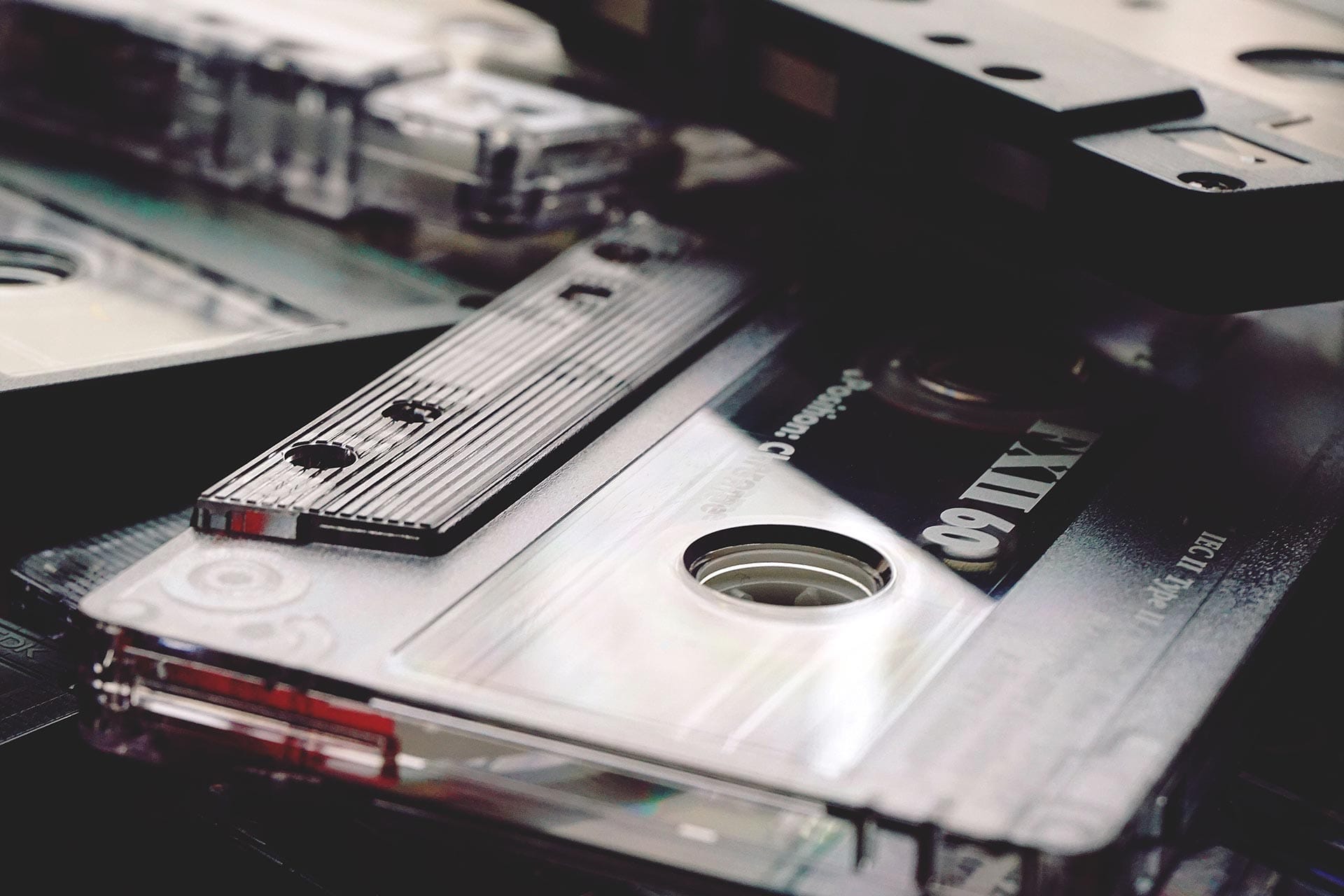
There is a physical quality to a mixtape that cannot be replicated by a digital playlist. The cassette itself is an object, something you can hold, something that wears with use, something that carries the marks of its history. The tape hiss, the crackle, the imperfections. These are not faults. They are part of the texture, part of the experience, part of what makes the mixtape a physical as well as an auditory experience.
I spoke to a collector who has a room filled with mixtapes. He told me that each one is a document, a record of a moment in time, a trace of the person who made it. He can tell the approximate date by the music, by the condition of the tape, by the style of the cover art. He can remember the circumstances of each one, the person who made it, the reason it was given.
The mixtape is a fragile thing. The tape degrades over time. The cover art fades. The memories attached to it become hazy. But the value of the mixtape is not in its permanence. It is in its presence, its ability to capture a moment and hold it for a while.
I remember the first time I heard a particular song. It was the first track on a mixtape given to me by someone I loved. The song was unfamiliar, strange, unlike anything I had heard before. But it lodged itself in my memory, became associated with that person, with that time, with that particular moment in my life. I still hear the song and remember the tape, the feel of the case, the handwriting on the label, the weight of the gift in my hand.
The Survival of the Form
In an age of streaming and infinite choice, the mixtape persists. It has evolved, changed, adapted. The cassette has given way to the CD, the CD to the digital playlist, the digital playlist to the curated online mix. But the impulse behind it remains the same: the desire to share music with someone, to communicate through sound, to offer a piece of yourself through the selection and arrangement of songs.
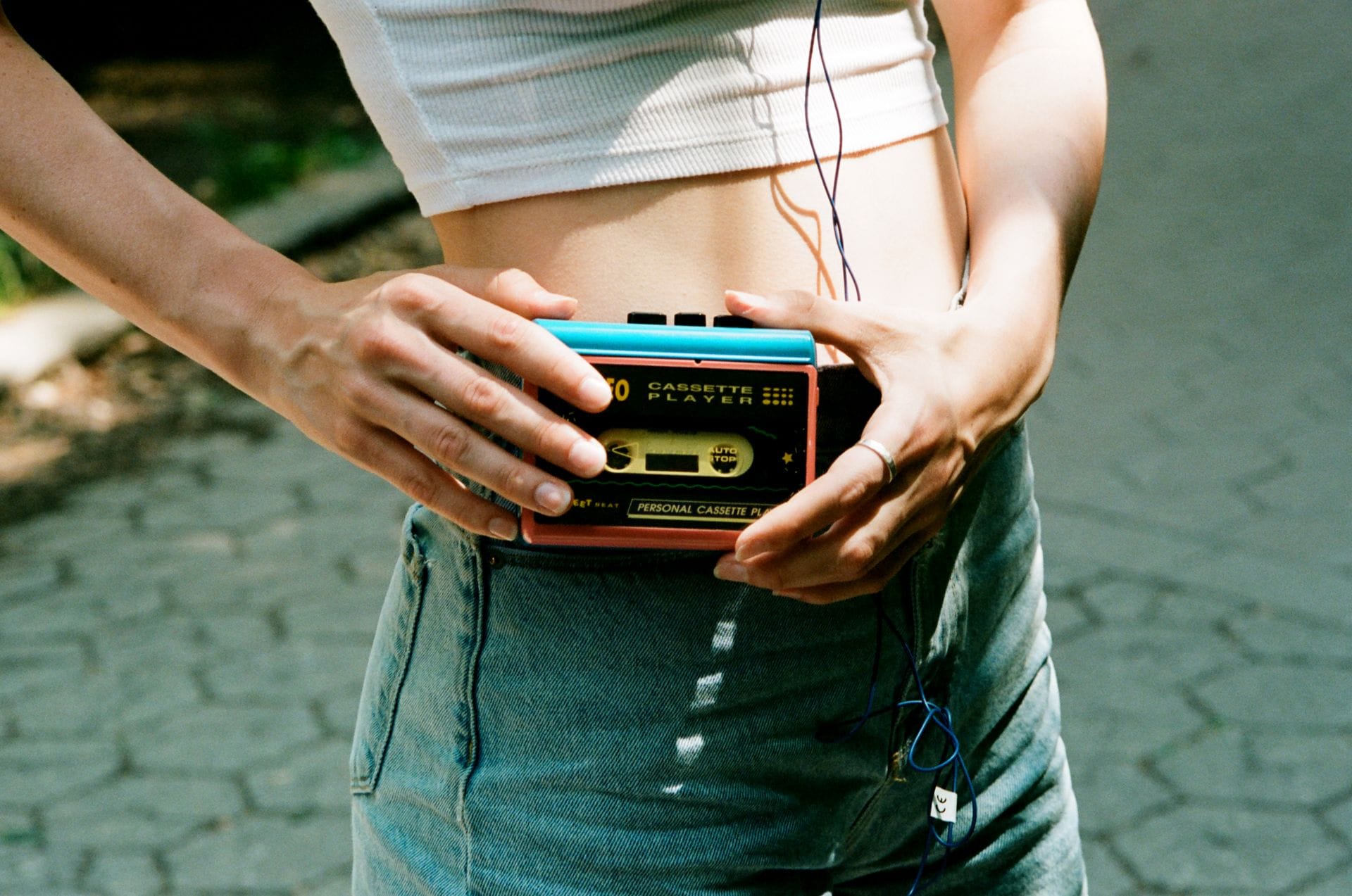
I attended a listening party in a small room in London, where a group of people gathered to share mixtapes they had made. Each person had a different approach, a different selection, a different way of ordering the tracks. There were mixtapes that told stories, mixtapes that explored specific moods, mixtapes that were designed to be listened to on long journeys. There were mixtapes that were intended as gifts, as messages, as declarations of feeling.
We gather to listen to music together, to talk about what we heard, to understand why someone chose a particular song. It is a form of conversation, a way of thinking through the music. We are not just listening. We are paying attention.
A Final Tape
I made a mixtape recently for a friend who was going through a difficult time. I spent a long time thinking about the tracks, the order, the transitions. I wanted to give them something that would offer comfort, that would remind them of beauty, that would help them see the world differently.
I found a cassette recorder in a charity shop and a stack of blank tapes. I arranged the tracks carefully, listening to each transition, adjusting the order until it felt right. I printed a cover on a piece of paper I had been saving. I wrote a note on the back, explaining the choices, offering the context, telling them why I had selected each track.
When I gave it to them, I did not expect them to understand everything immediately. I knew that some of the choices would not make sense until they had listened to the tape several times, until they had allowed the sequence to work its way into their understanding. That is the nature of the mixtape. It is not a message that is immediately understood. It is a gift that reveals itself over time, through repeated listening, through the slow process of allowing the music to become familiar.
It is a form of patience. A form of attention. A way of saying that you value someone enough to take the time, to choose carefully, to arrange thoughtfully, to offer something of yourself in the hope that it will be received.
That, perhaps, is the essence of the mixtape. It is not a product. It is an act of care. A human gesture in a world that often forgets the value of such things.