There is a particular quality to a room that smells of flowers. It is not just the fragrance itself but the way it changes the atmosphere, the way it softens the edges of a space, the way it invites you to pause and breathe deeply. I have always believed that scent is the most powerful of the senses, the one that bypasses thought and speaks directly to memory. A single whiff of a particular flower can transport you to a garden you visited years ago, a person you have not seen, a version of yourself that no longer exists.
I spoke to a grower whose flower farm produces an extraordinary array of plants throughout the year. She told me that fragrance is the most important quality in the flowers she grows, the one that her customers remember long after the blooms have faded. She described the pleasure of walking into a room filled with scented blooms, the way the perfume seems to fill every corner, the way it makes the space feel alive.
The choice of flowers is not just about colour or form. It is about how they make you feel. A room filled with the scent of stocks is different from a room filled with the scent of honeysuckle. It is a question not of taste but of atmosphere, of mood, of the quality of the air you breathe.
Spring
The first scent of spring is one of the most welcome of the year. After the quiet of winter, the arrival of fragrant blooms feels like a promise, a reminder that the world is waking up.
Daphne is one of the earliest and most intoxicating of spring flowers. Its small, unassuming blooms produce a fragrance that is almost impossibly powerful, a rich, honeyed scent that carries across a garden. A few branches of daphne brought indoors will scent an entire room. The variety Daphne odora, with its pink and white flowers, is particularly prized for its fragrance.
Viburnum is another early spring bloomer. Viburnum x bodnantense produces clusters of small pink flowers on bare stems, their scent sweet and spicy, like cloves and honey. Cut branches will last well in a vase and fill a room with their distinctive perfume.
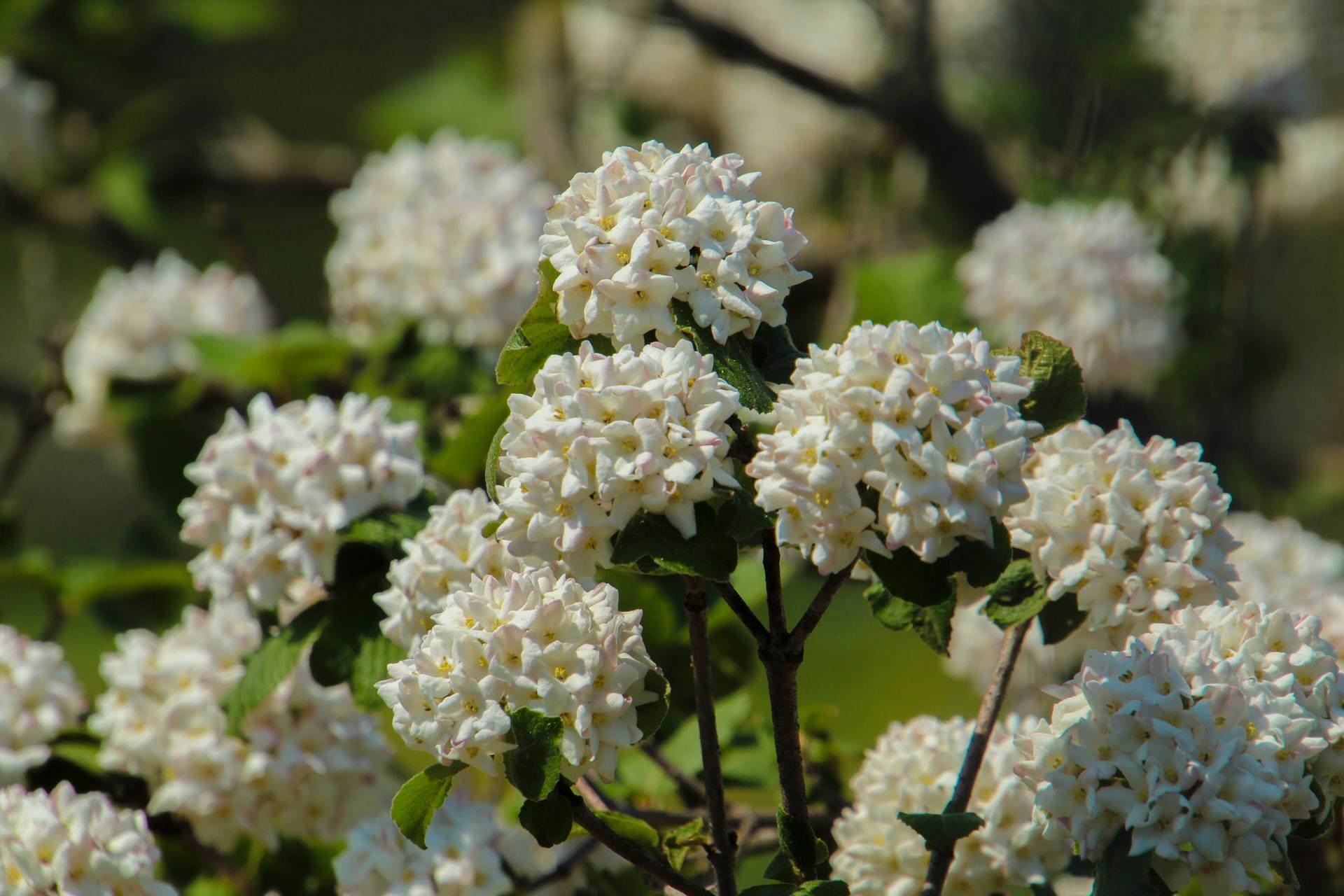
I remember the first time I brought viburnum into the house. The scent was so unexpected, so complex, that I stopped in the doorway and simply breathed. It was the middle of March, and the world outside was still grey. But inside, spring had already arrived.
Mock orange, or philadelphus, flowers in late spring and early summer, producing a fragrance that is often described as citrusy and sweet, reminiscent of orange blossoms. A few stems in a vase will fill a room with their heady perfume. The variety Belle Etoile is particularly fragrant.
Summer
Summer is the season of abundance, and the range of fragrant flowers available is extraordinary. It is the time of year when the garden is at its most generous, when the windows can be left open and the scent of the outdoors drifts in.
Stocks are among the most fragrant of summer flowers. Their scent is rich, sweet and spicy, like cloves and honey. I have often walked past a border of stocks and been stopped by their perfume, their fragrance so powerful and complex that it demands attention. In a vase, they will scent a room for days.
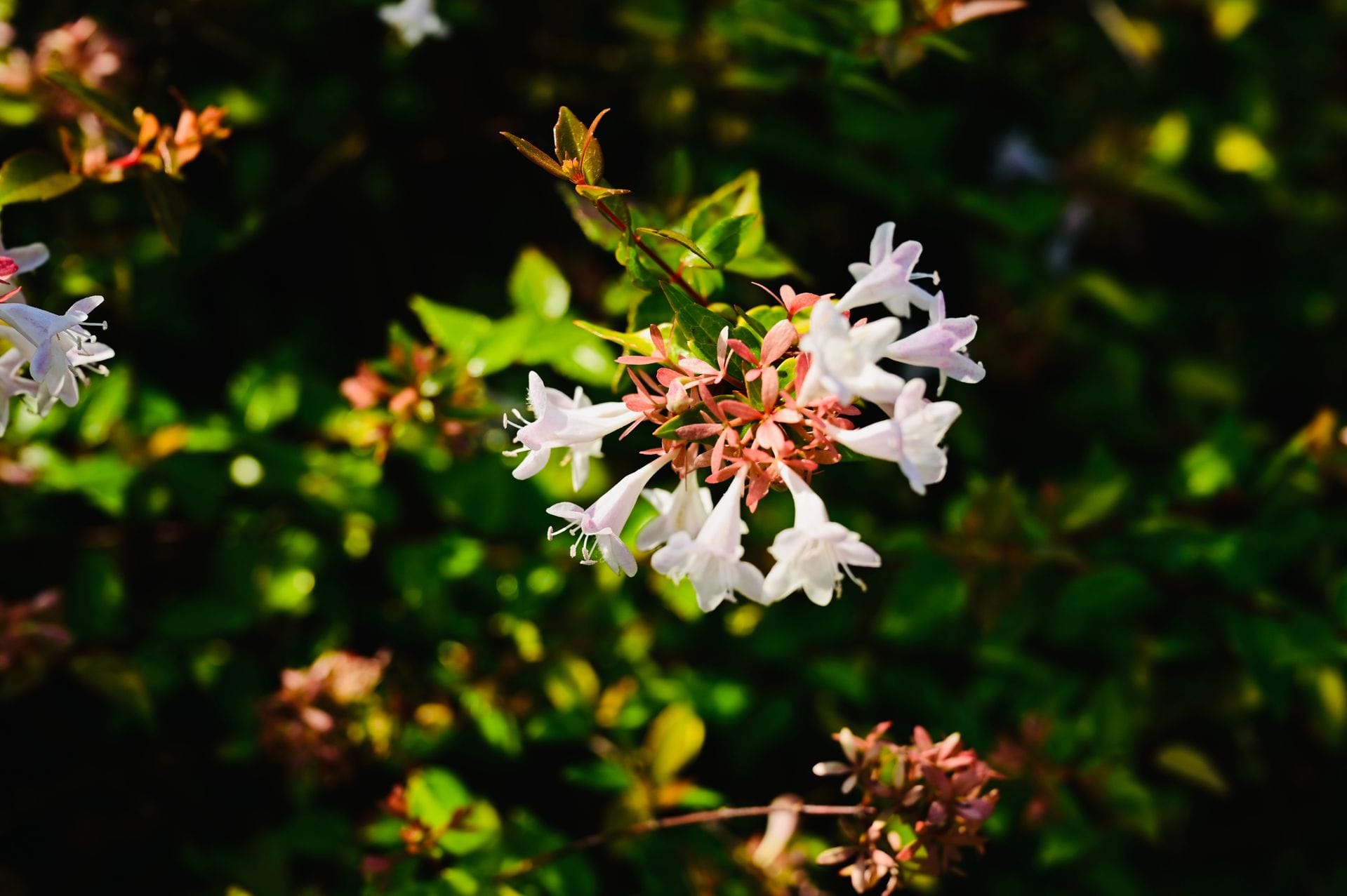
Honeysuckle is a climber whose fragrance is one of the great pleasures of summer evenings. Its scent is sweet and intoxicating, growing stronger as the sun goes down. I have often sat by an open window, breathing in the scent of honeysuckle from the garden, feeling the day slowly settle into evening.
There is no fragrance quite like that of honeysuckle on a warm evening. It is sweet and heady, almost intoxicating, as though the night itself is exhaling. I have often sat by an open window, breathing in that perfume, feeling the day slowly settle into evening.
Pinks and carnations are old-fashioned favourites, and their scent is one of the most distinctive in the garden. It is spicy and sweet, with a hint of clove. The variety called Dianthus, often known as pinks, produce this scent most strongly. A few stems in a vase will fill a room with their complex fragrance.
Lilies are among the most powerful of scented flowers. The fragrance is intense, heady and sometimes overpowering. The variety called Lilium regale has a particularly beautiful scent, sweet and exotic, with notes of vanilla and spice.
Flowering tobacco, or nicotiana, has a scent that is most powerful at night. A vase of nicotiana in the bedroom will release its rich, jasmine-like fragrance as you fall asleep, creating a sense of calm and relaxation.
Autumn
As the year begins to turn, there are still fragrant blooms to be found. The scent of autumn flowers is different from those of spring and summer, often richer and more earthy.
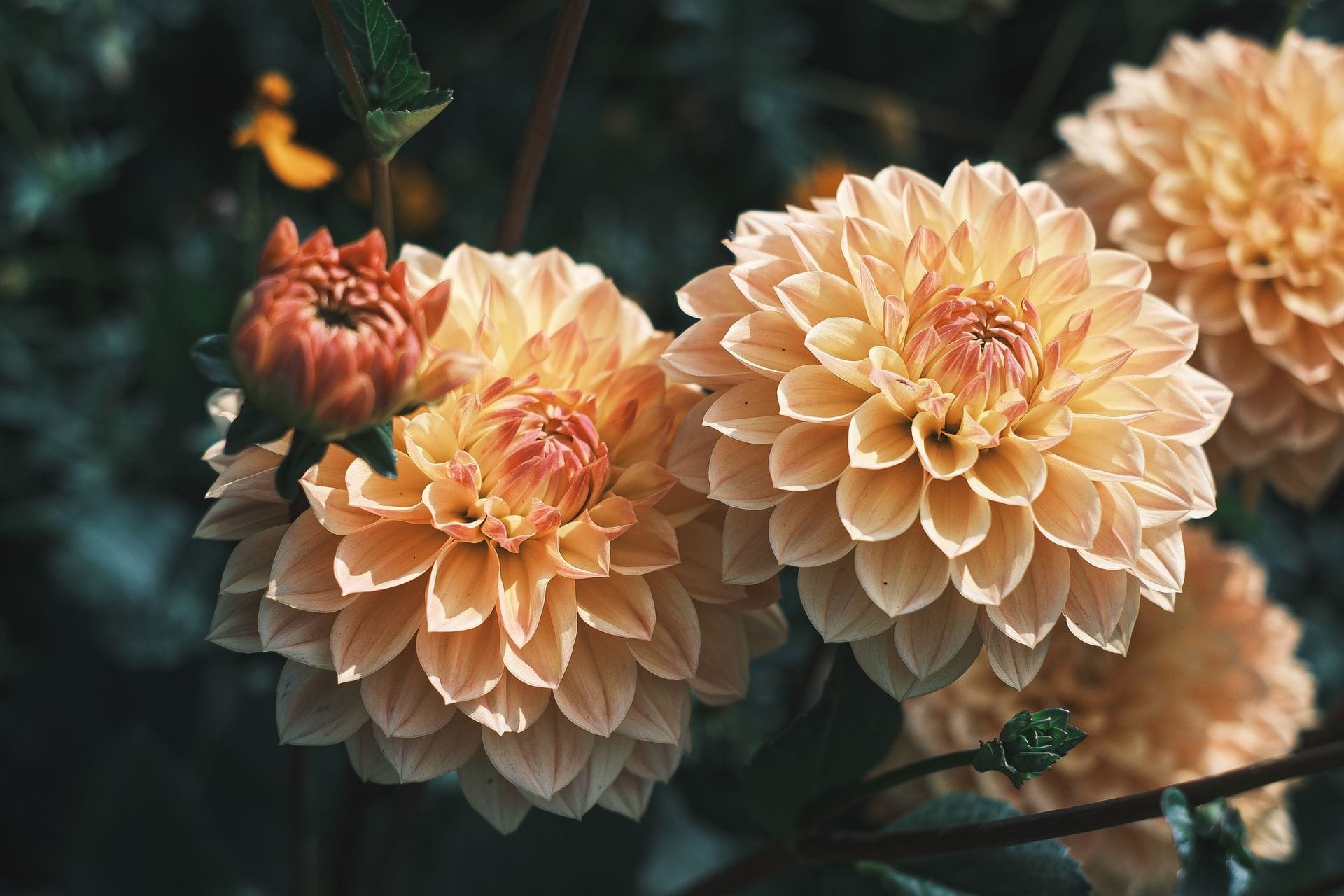
Dahlias are not often thought of as fragrant, but some varieties have a beautiful scent. The variety called Dahlia fragrans produces flowers with a sweet, fruity fragrance. It is a reminder that fragrance can be found in the most unexpected places.
Sedum produces clusters of small pink flowers in late summer and autumn. The flowers have a soft, honey-like scent that attracts bees and butterflies. A few stems of sedum in a vase will bring a touch of autumn colour and a gentle fragrance to a room.
The scent of autumn flowers is different from those of spring and summer. It is quieter, more subdued, like the season itself. The fragrance of sedum, with its hint of honey, feels like a last gift from the garden, a final offering before the winter closes in.
Winter
Winter is not a season of abundance, but there are still fragrant plants to be found. The scents of winter are often associated with Christmas, with warmth, with the comfort of being indoors.
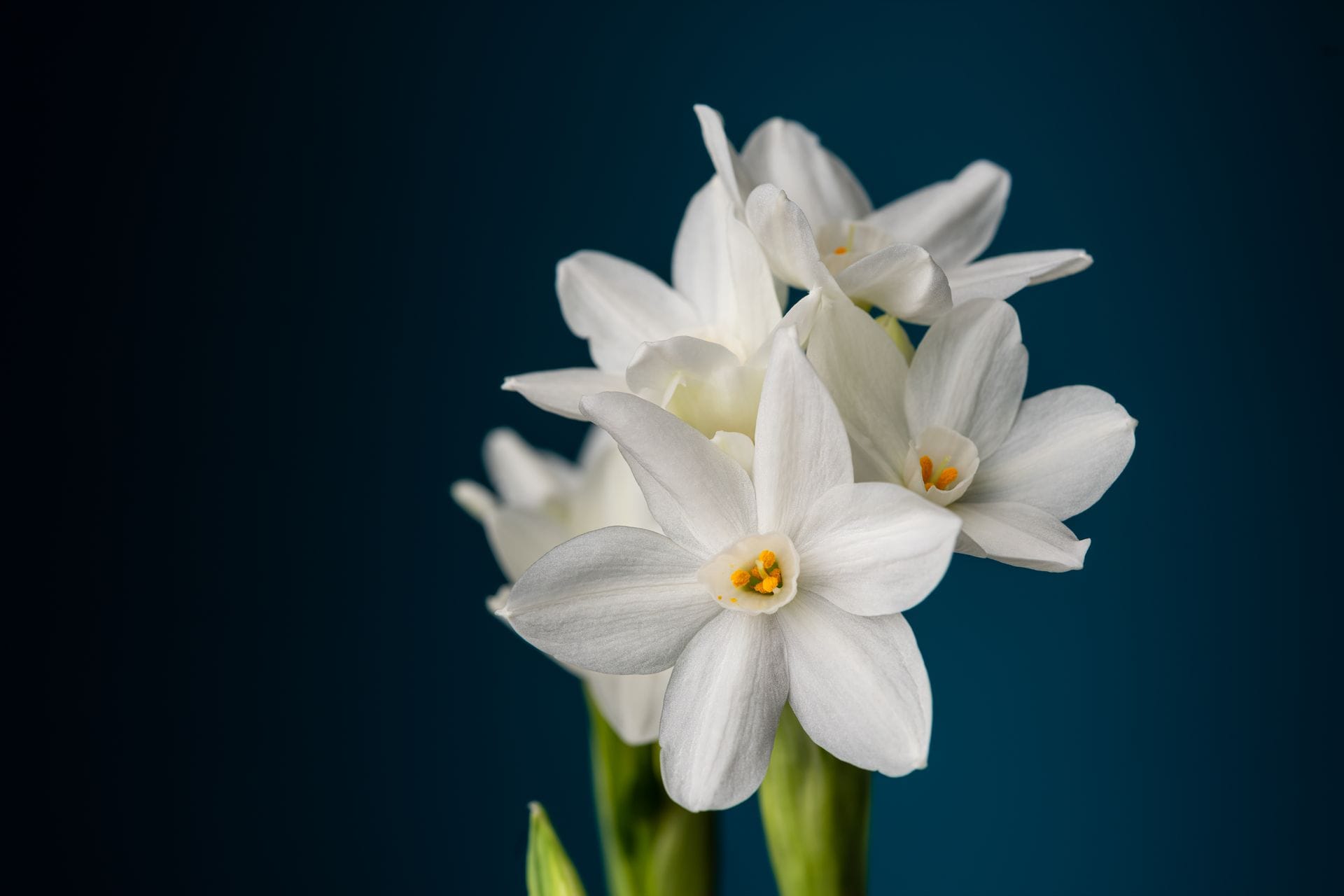
Paperwhites are a type of daffodil that is often grown indoors in winter. Their scent is sweet, almost heady, and a pot of paperwhites in a room will fill it with their fragrance. They are a reminder that the cycle of growth continues even in the coldest months.
Cinnamon bark is not a flower, but its scent is one of the most comforting of the winter season. A few sticks of cinnamon in a vase, or added to a potpourri, will fill a room with its warm, spicy aroma. It is a fragrance that seems to belong to winter, to cosy evenings and the comfort of being indoors.
There is something about the scent of cinnamon that feels like a hug. It is warm and familiar, a reminder of the kitchen, of baking, of being cared for. I have often added cinnamon to a pot of mulled wine, letting its fragrance fill the house, creating a sense of warmth and welcome.
Fir is the classic winter fragrance. The smell of a real Christmas tree is warm and slightly resinous, an incredibly comforting scent that fills a room with the spirit of the season. Use fir in swags, garlands and wreaths to bring its fragrance into your home.
Bay is an evergreen herb whose leaves can be used in cooking. Its scent is fresh and slightly peppery, and a few leaves added to a dish will fill the kitchen with a Mediterranean fragrance.
A Final Thought
Fragrance is a quiet presence in a home. It is not something that demands attention, but it shapes our experience of a space in ways we may not even notice. The scent of flowers is a connection to the natural world, a reminder of the seasons, a way of bringing the outdoors in. Whether it is the first daphne of spring or the comforting warmth of fir in winter, the right fragrance can transform a house into a home. It is not about decoration. It is about atmosphere, about feeling, about the quality of the air we breathe. And in a world that is often too loud, too fast, too full, a room that smells of flowers is a quiet act of resistance, a reminder that beauty still exists.