There is a particular pleasure in wearing a garment that has been chosen with care. It is not just the fabric against the skin, the weight of the wool, the drape of the silk. It is the knowledge that the piece has been selected not for its novelty but for its quality, its permanence, its ability to outlast the season and remain relevant for years to come.
I have always believed that style is not about following fashion but about knowing yourself well enough to know what suits you. The most stylish people I have known are not the ones who wear the latest trends but the ones who have a clear understanding of their own taste, who have built a wardrobe that reflects who they are and who they want to be.
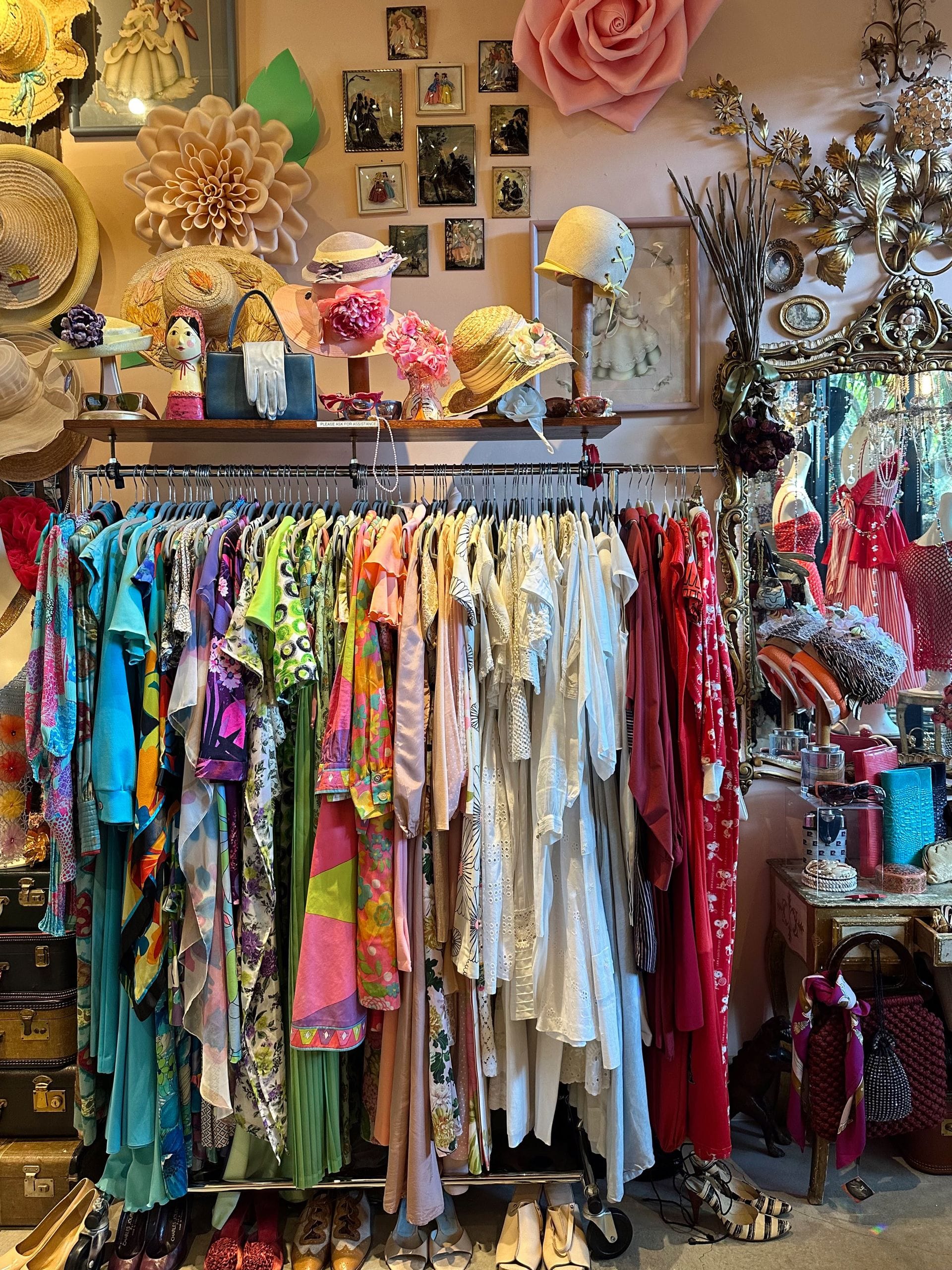
I spoke to a designer whose work is defined by its quiet elegance. She told me that the secret to lasting style is to invest in pieces that are both beautiful and functional, that can be worn in different ways, that do not announce themselves but instead reveal their quality over time.
The clothes that last are the clothes that do not shout. They do not demand attention. They invite it, quietly, through the quality of the fabric, the precision of the cut, the subtlety of the detail.
The Foundation of a Lasting Wardrobe
A lasting wardrobe begins with a commitment to quality. This does not mean spending more money but spending it more carefully. It means choosing natural fabrics over synthetic ones, well-constructed garments over poorly made ones, timeless designs over trend-driven ones.
The designer I spoke to emphasised the importance of starting with the essentials: a well-cut blazer, a pair of trousers that fit perfectly, a simple white shirt, a cashmere jumper that can be worn in any season. These are the pieces that form the backbone of a wardrobe, the ones you return to again and again.
There is a reason certain garments have remained in fashion for decades. They work. They suit the human form. They are not dictated by the whims of the season but by the enduring principles of proportion and balance.
She recommends investing in the best you can afford for these foundational pieces. The cost-per-wear of a well-made garment is lower than that of a cheap one that must be replaced after a few washes. It is not an expense. It is an investment.
The Joy of the Unexpected
While a strong foundation is essential, style also requires a willingness to take risks, to choose something unexpected, to allow a piece to bring surprise to an outfit. A colourful scarf, a pair of unusual shoes, a vintage jacket that has a story behind it. These are the touches that make a wardrobe personal.
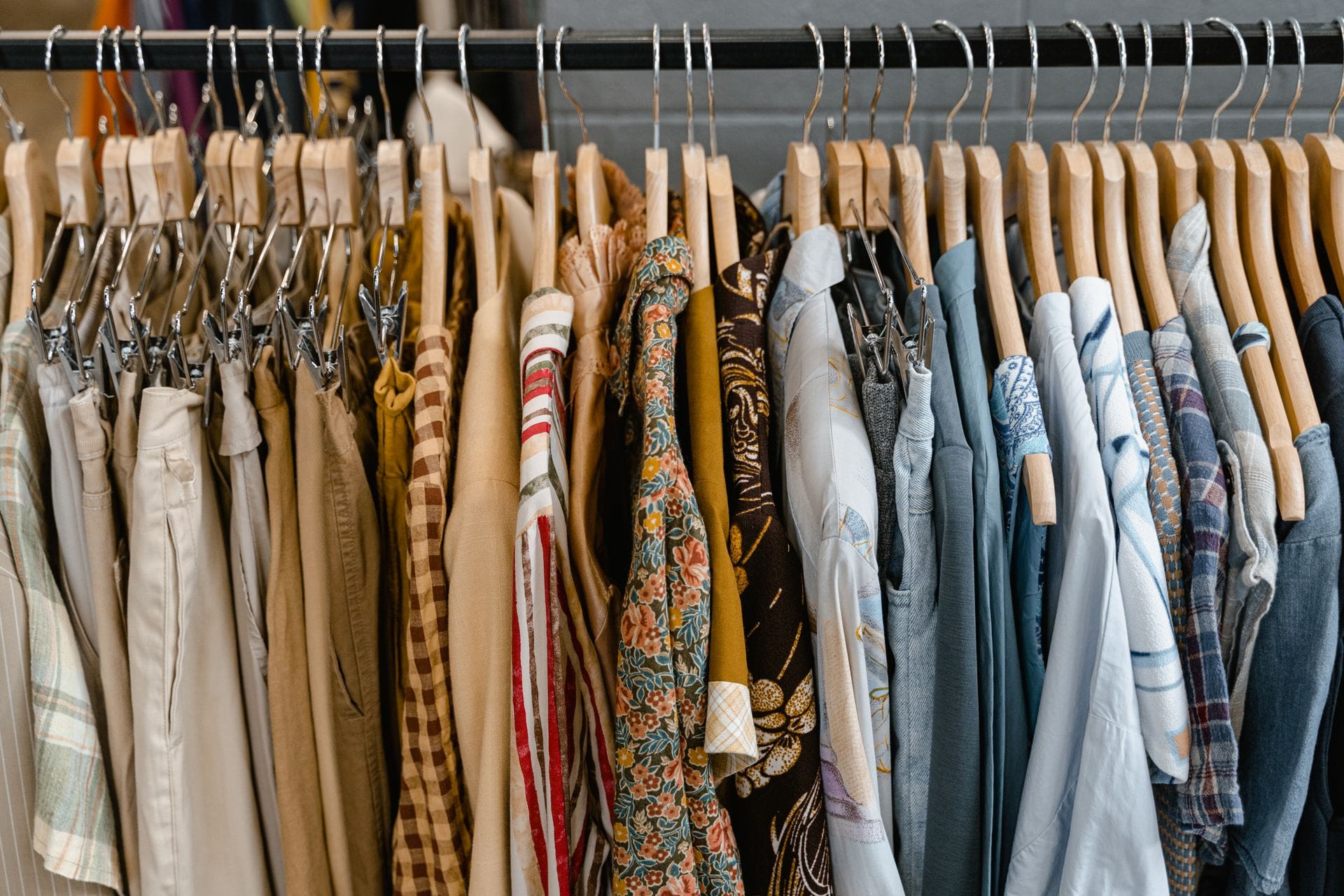
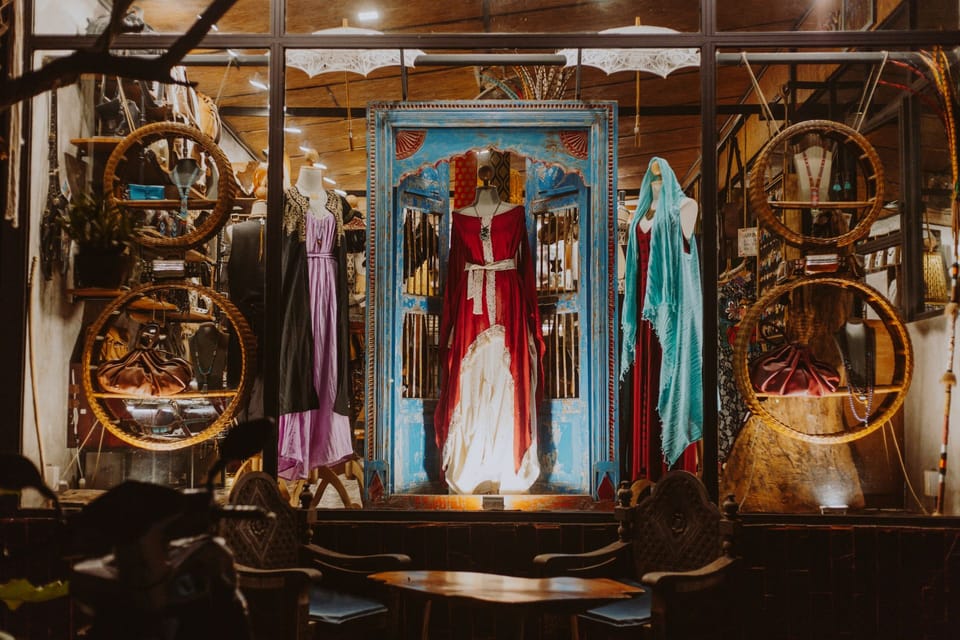
I visited a vintage shop in London that specialises in pieces from the mid-20th century. The owner, a woman with a passion for fashion history, told me that the best-dressed customers are the ones who mix periods, who combine a modern piece with a vintage find, who are not afraid to break the rules of what matches and what does not.
The people who dress best are the people who do not dress by formula. They trust their instincts. They choose pieces that speak to them, regardless of where they come from or what the current fashion might dictate.
She told me about a customer who came in looking for a coat. She tried on several, each one perfectly nice, but none of them quite right. Then she spotted a coat in the corner, an unusual piece from the 1960s, with a shape that was slightly unexpected. She tried it on, and it was perfect. It was not what she had been looking for, but it was what she needed.
The Value of Fit
Fit is the foundation of style. A garment that does not fit properly will never look right, no matter how expensive or beautiful it is. A garment that fits well will always look good, even if it is simple, even if it is inexpensive.
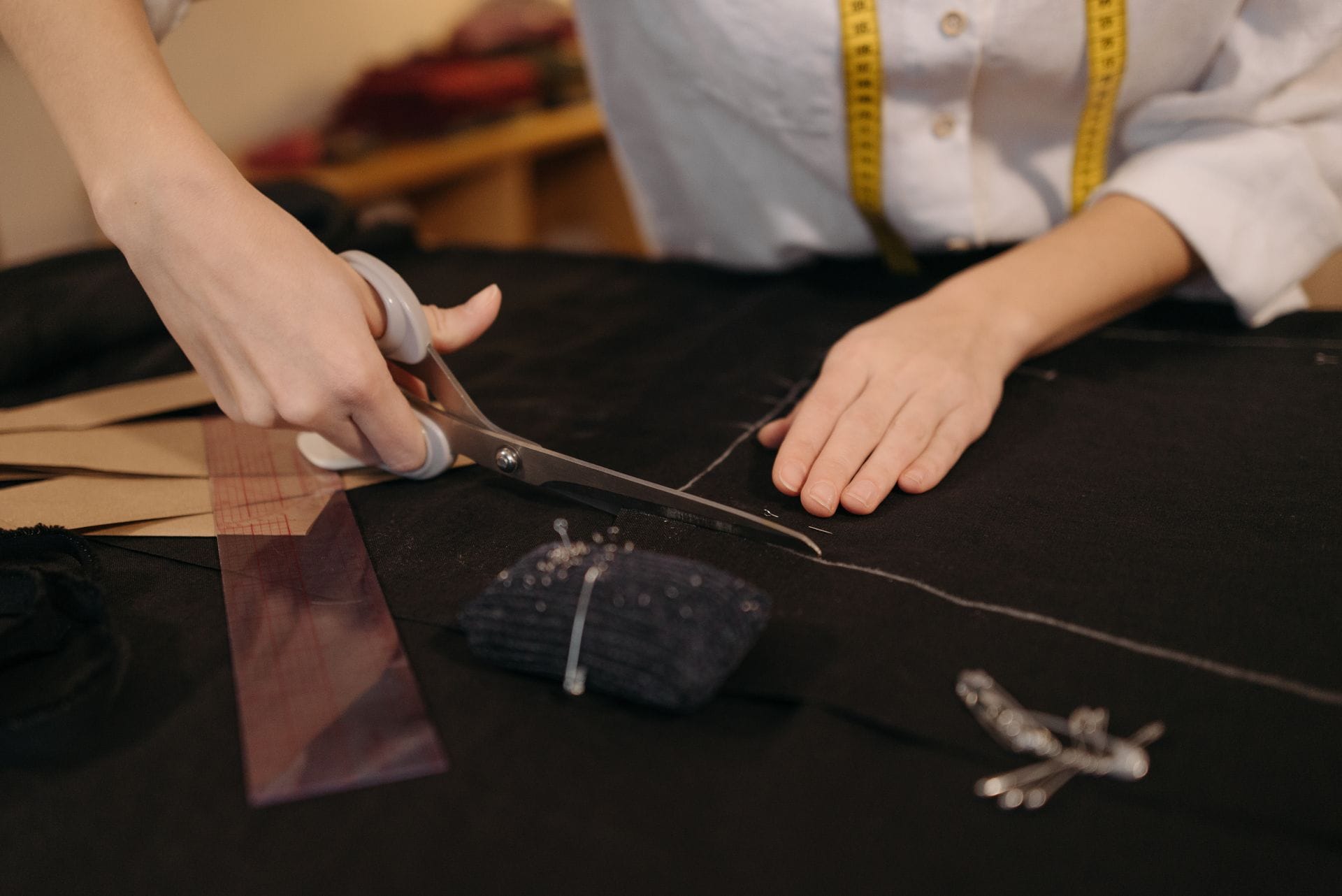
I spoke to a tailor who has been working in the same shop for forty years. He told me that the most common mistake people make is buying clothes that are too big, thinking that they will be more comfortable, or that they will provide room for movement. The opposite is true. A garment that fits correctly allows for movement, drapes correctly, and creates a line that is both flattering and comfortable.
A good tailor is worth the investment. Buy a garment that fits reasonably well, and have it adjusted by someone who knows what they are doing. The difference is transformative.
He recommends taking the time to have trousers hemmed, sleeves shortened, jackets adjusted. These small alterations make a significant difference to how a garment looks and feels.
The Ritual of Dressing
There is a particular pleasure in the act of dressing, in the quiet attention to detail that transforms the ordinary into the considered. I spoke to a woman whose approach to style is defined by this ritual. She told me that she does not rush in the morning. She takes the time to choose her clothes, to put them on with care, to create a composition that reflects her mood and her intention for the day.
Dressing is a form of presence. It is a way of honouring your body, of acknowledging that how you present yourself to the world matters, that the act of choosing what to wear is not trivial but meaningful.
She said that she often chooses her outfit the night before, laying it out in the corner of her room. This allows her to consider it in the quieter moments of the evening, to ensure that it works, to avoid the stress of a rushed decision.
Style is Presence
Style is not about what you wear. It is about how you wear it. It is about the attention you bring to the act of dressing, the care you take in choosing your clothes, the confidence you feel when you are wearing something that feels true to you.
The most stylish people I have known are not the ones who spend the most money or who follow the latest trends. They are the ones who know themselves, who have taken the time to understand what works for them, who have built a wardrobe that reflects their values and their taste. They are the ones who understand that style is not about fashion but about presence.