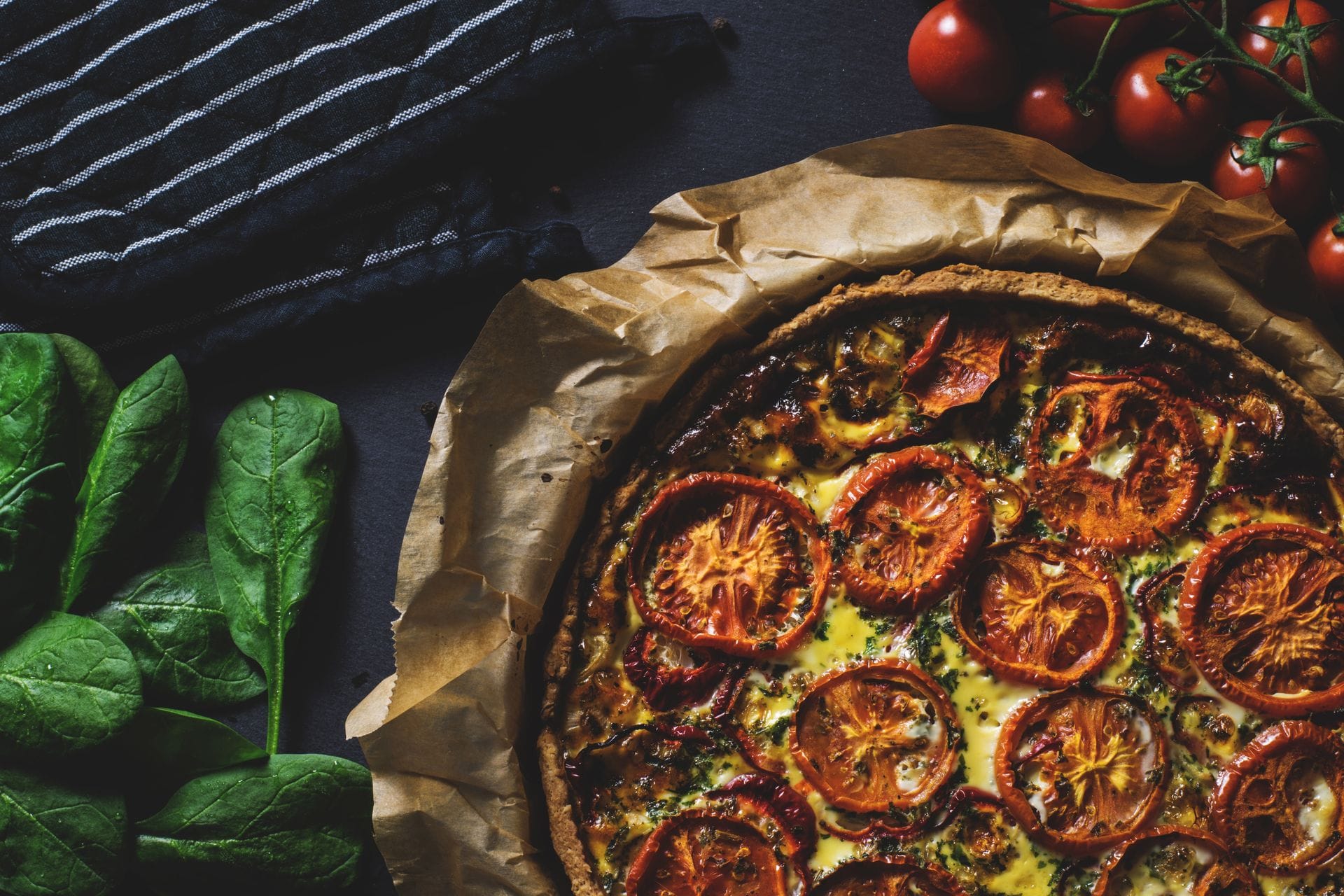
I used to believe that a meal was only worth cooking if it was elaborate. I spent hours on complicated recipes, sourcing unusual ingredients, perfecting techniques. The meals were impressive. They were also exhausting. I would finish cooking too tired to enjoy the food. I would sit down at the table, the wine poured, the candles lit, and feel nothing but relief that it was over.
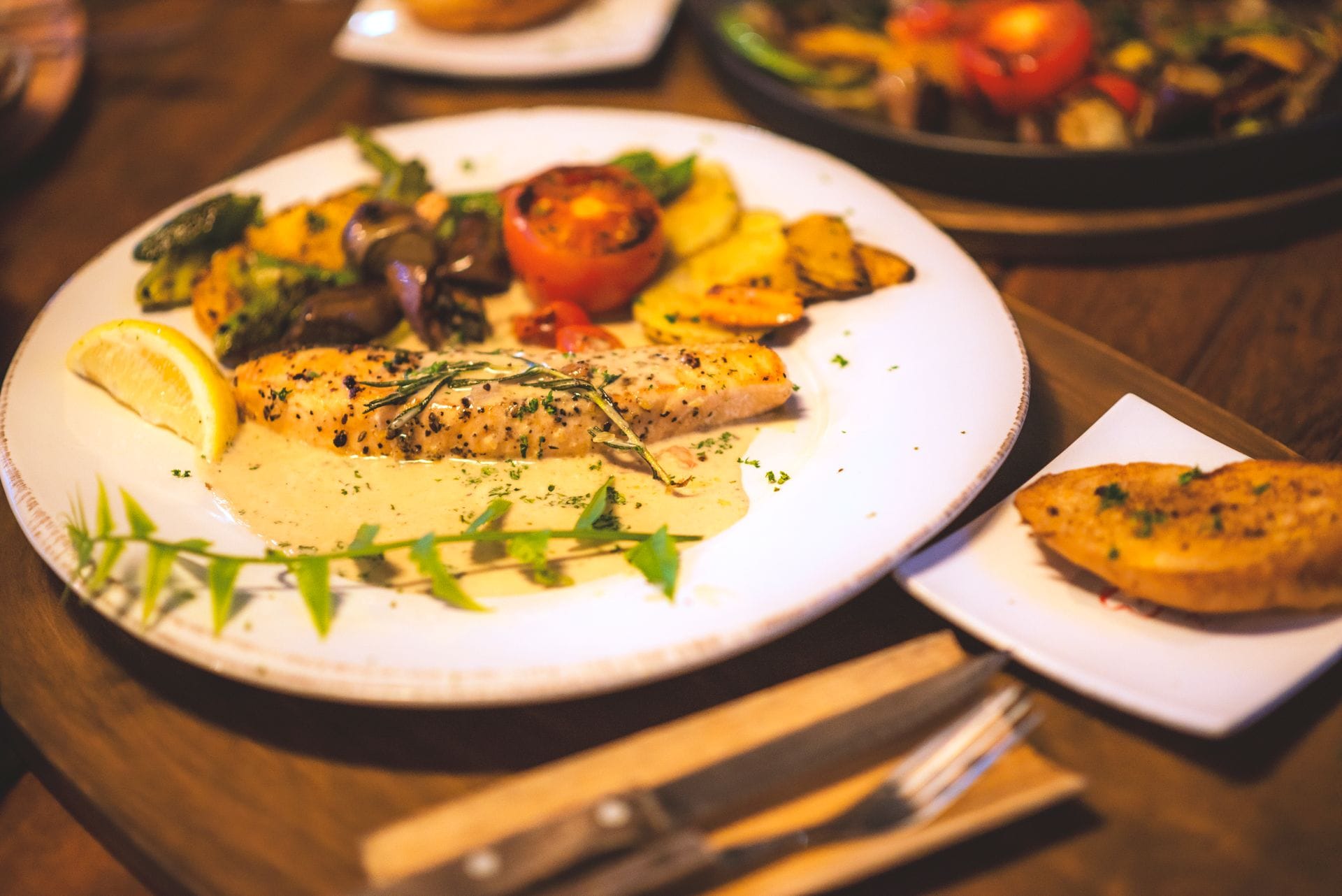
It was a friend who showed me a different way. She invited me to dinner on a weekday evening. There was no elaborate menu, no special occasion, no attempt to impress. She served a simple meal: a piece of fish, some vegetables, a loaf of bread. The food was good, but the meal was more than that. It was a conversation, a connection, a moment of ease.
That meal changed my understanding of what cooking could be. It did not have to be a performance. It could be a presence, a way of being with others, a way of caring for them. The simple supper is not a compromise. It is a choice, a way of valuing the everyday, a way of finding meaning in the ordinary.
The Pleasure of the Ordinary
The everyday meal is where we truly live. The grand dinner party is a special occasion, a moment of celebration, a performance. The simple supper is the meal that sustains us, the meal that we return to, the meal that shapes our lives. It is not less important. It is more important.
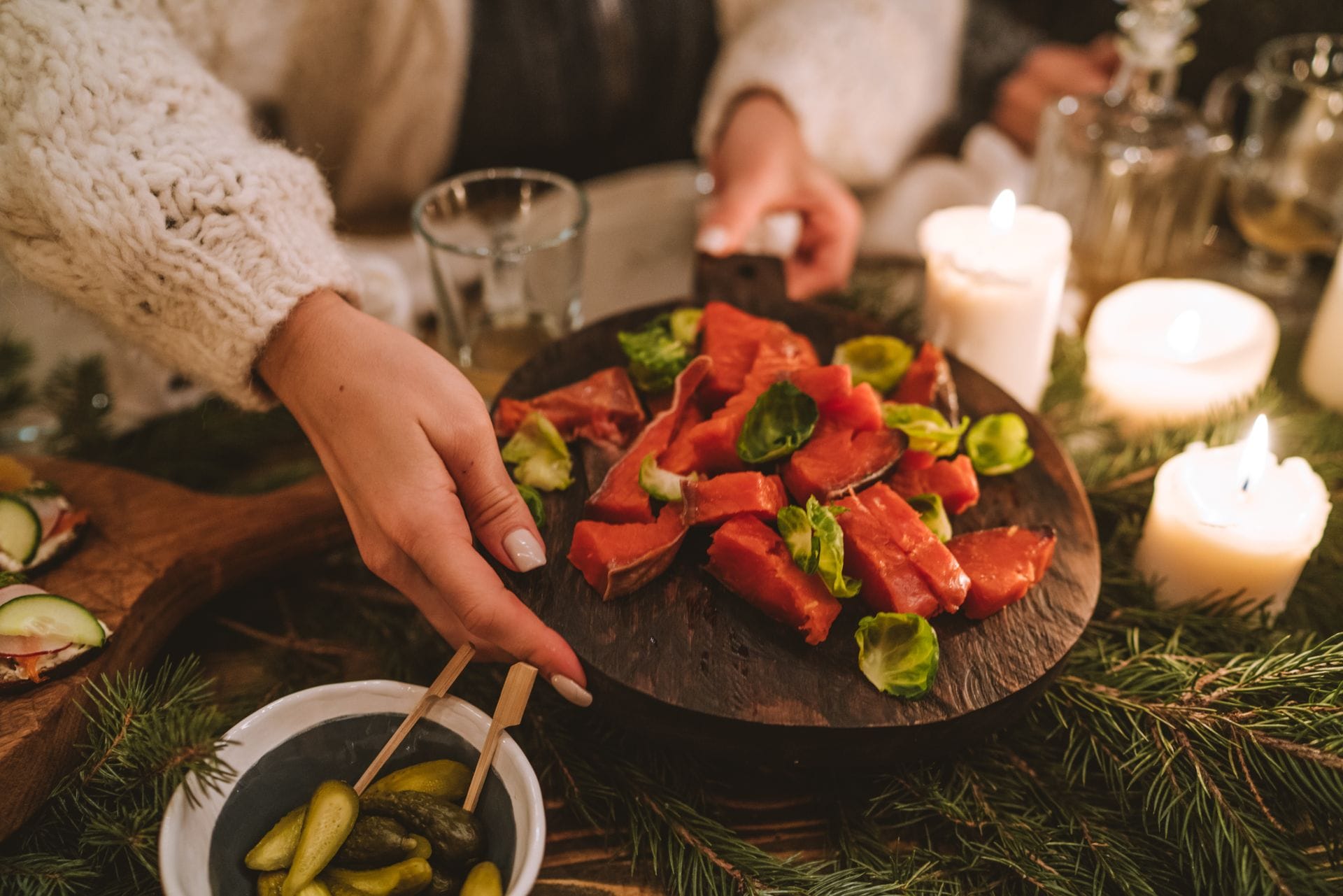
I have begun to pay more attention to the everyday meal. I think about what I am cooking, how I am cooking it, who I am cooking it for. The simple supper is not a throwaway. It is a practice, a way of caring for myself and for the people I feed. The simple supper is a gift, a small act of attention that accumulates over time.
The Ingredients That Matter
A simple supper does not require elaborate ingredients. It requires good ingredients, seasonal ingredients, ingredients that have been chosen with care. A piece of fish from the market, a vegetable from the garden, a loaf of bread from the baker. These are not extravagant. They are simply good.
I spoke to a cook who makes simple meals for a living. She told me that the quality of the ingredients is the foundation. If the ingredients are good, the cooking can be simple. If the ingredients are poor, no amount of effort will make them better.
The best meals are the ones where the ingredients speak for themselves. They don't need to be dressed up or transformed. They just need to be cooked well and served with care.
She recommends spending time choosing the ingredients, asking questions, smelling, touching. The ingredients are not just components of a recipe. They are the starting point, the foundation of the meal.
The Preparation as a Practice
The preparation of a simple meal can be a practice, a way of being present, a form of attention. The chopping of the vegetables, the stirring of the sauce, the setting of the table. These are not chores. They are part of the meal, a way of preparing the space for the act of eating.
I have found that the act of cooking is as important as the act of eating. The preparation is a way of being present with the food, a way of caring for the people who will eat it. It is a practice, a discipline, a way of showing up.
The Setting as an Invitation
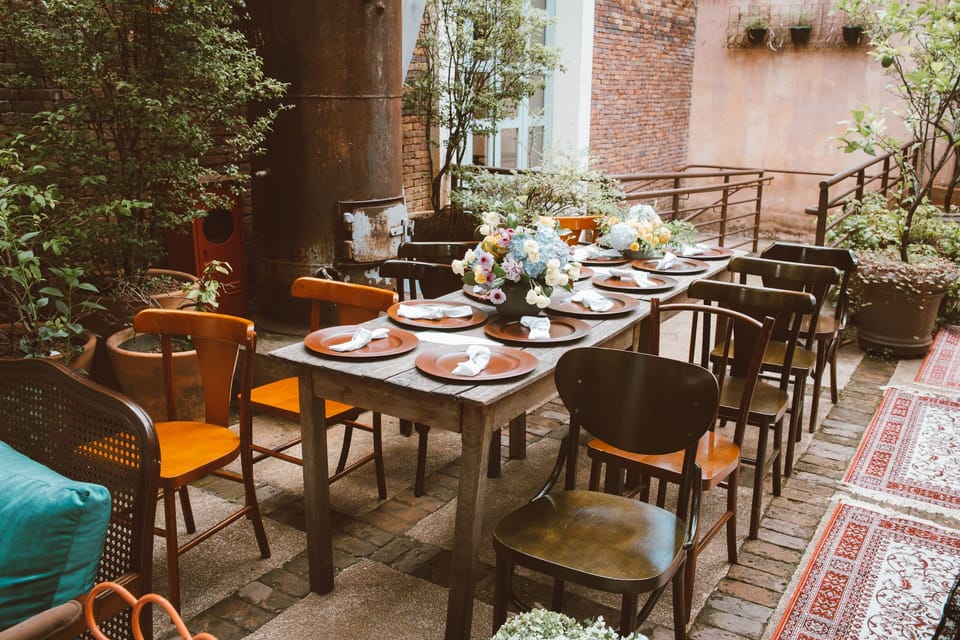
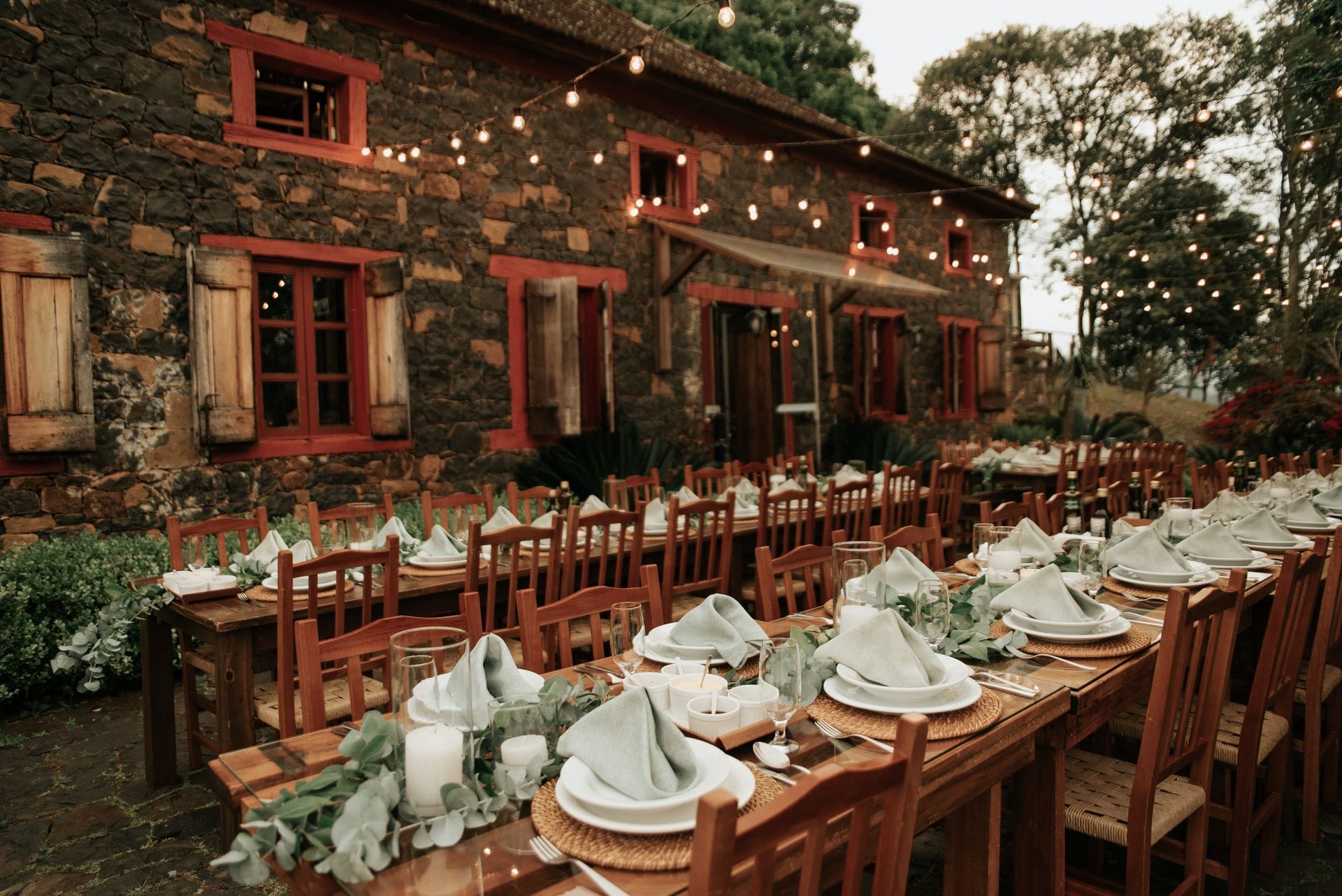
The setting of the table is also a form of attention. It is not about having the right plates or the right candles. It is about creating a space that invites presence, a space that says that the meal matters. I have a friend who is a wonderful hostess. She told me that the key to a good gathering is not in the cooking but in the preparation, in the attention to detail, in the willingness to create a space where people feel welcome.
I try to apply this to the everyday meal. I light a candle, even for a simple supper. I set the table, even if it is just for myself. I put the food on a plate, not in a pan. These are not grand gestures. They are small acts of attention, ways of saying that the meal matters, that the act of eating is not just about sustenance but about presence.
The Food as a Gift
A simple supper is a gift, a way of caring for the people you feed. It is not about showing off. It is about sharing, about offering something that you have prepared with care. The food is not just food. It is a way of being with others, a way of connecting, a way of saying that the people at the table matter.
A Celebration of the Ordinary
In the end, the simple supper is a celebration of the ordinary. It is a meal that does not need to be elaborate, that does not need to be photographed, that does not need to be performed. It is a meal that is simply itself, a way of finding meaning in the everyday. The simple supper is not a compromise.
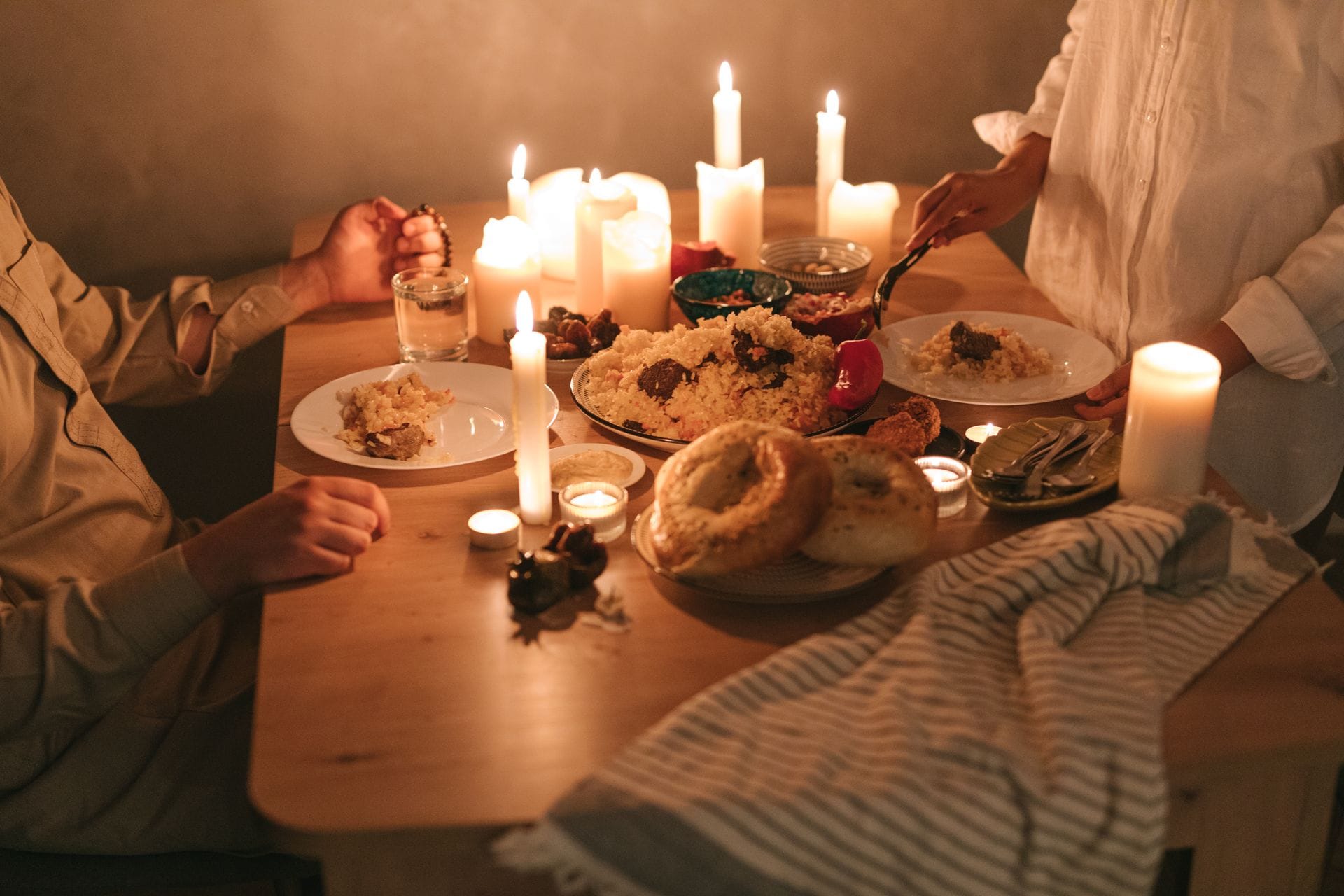
It is a choice, a way of valuing the everyday, a way of finding meaning in the ordinary. The food does not have to be elaborate to be good. It does not have to be impressive to be meaningful. It just has to be made with care. And that is enough.