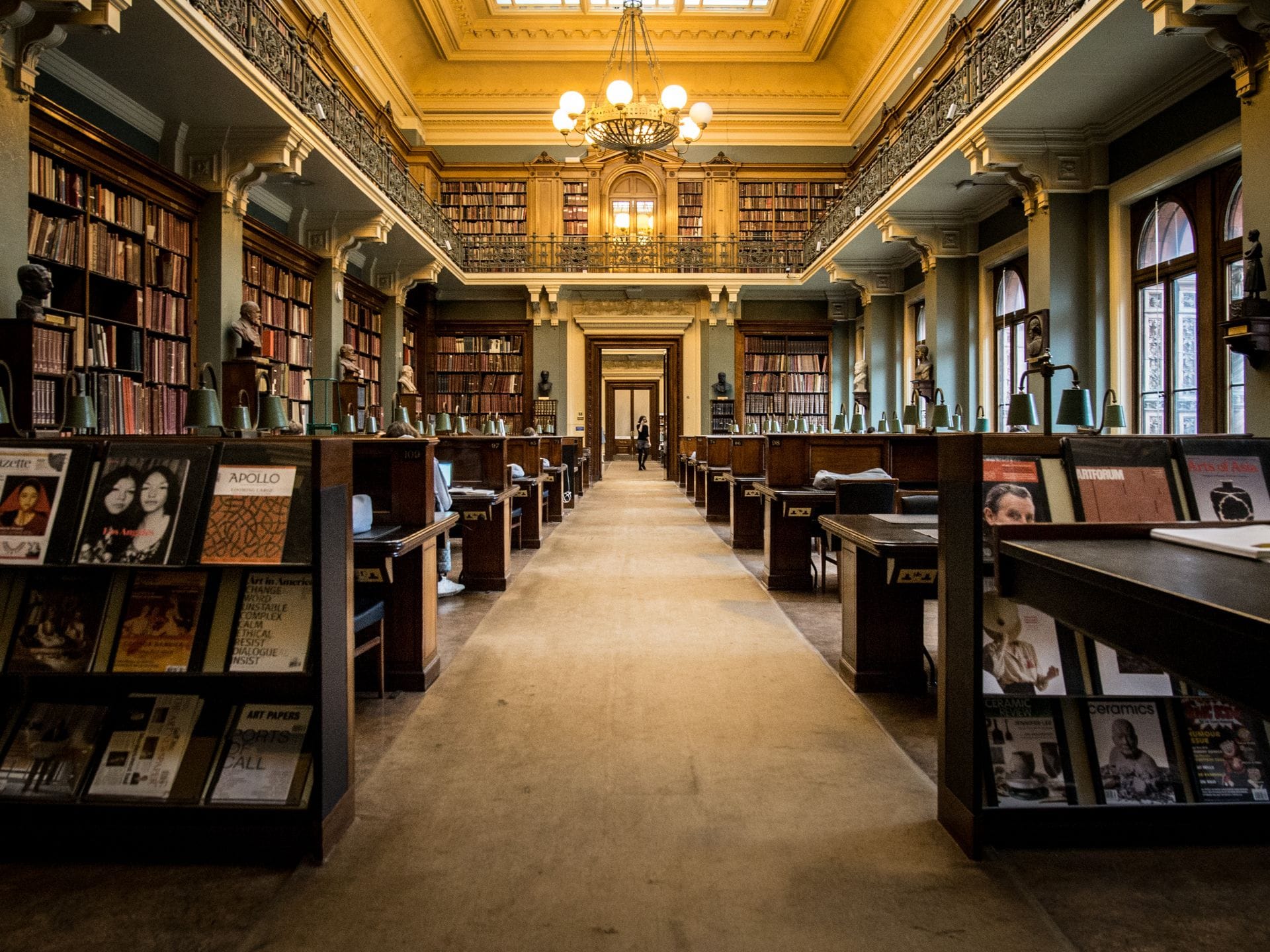
I have a memory of the library from childhood: the hush of the room, the weight of the books, the promise of stories waiting to be discovered. It was a space that felt like a sanctuary, a place apart from the noise of the world, where time moved differently. I would spend hours there, wandering the stacks, pulling out books at random, losing myself in the worlds they contained.

I still visit libraries. I go for the books, but I stay for the atmosphere. There is a particular quality to a library, a sense of purpose, a feeling that the space has been shaped by the people who use it. It is a space that is both public and private, both communal and solitary, both ancient and contemporary. It is a space of paradoxes, and I find that quality increasingly valuable in a world that is often too loud, too fast, too full.
The library is not just a repository of books. It is a public space, a civic space, a space of possibility. It is a place where anyone can enter, where anyone can stay, where anyone can find what they are looking for. It is one of the few places left in our society where there is no expectation of consumption. You can go in and simply be, without having to buy anything, without having to perform anything, without having to justify your presence. It is a gift.
The Architecture of Quiet
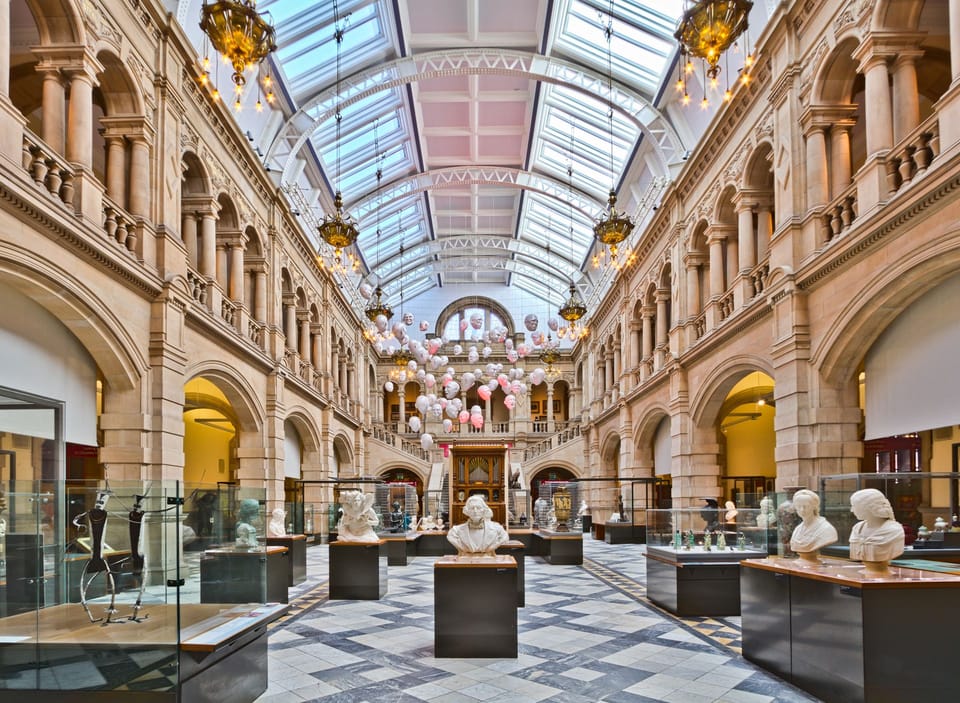
The architecture of a library is designed for stillness. The high ceilings, the long tables, the quiet corners. The materials are chosen for their acoustic properties, the layout for its ability to encourage concentration. The light is managed to reduce glare, the temperature controlled to preserve the books. Every detail is considered, every element is in service of the act of reading.
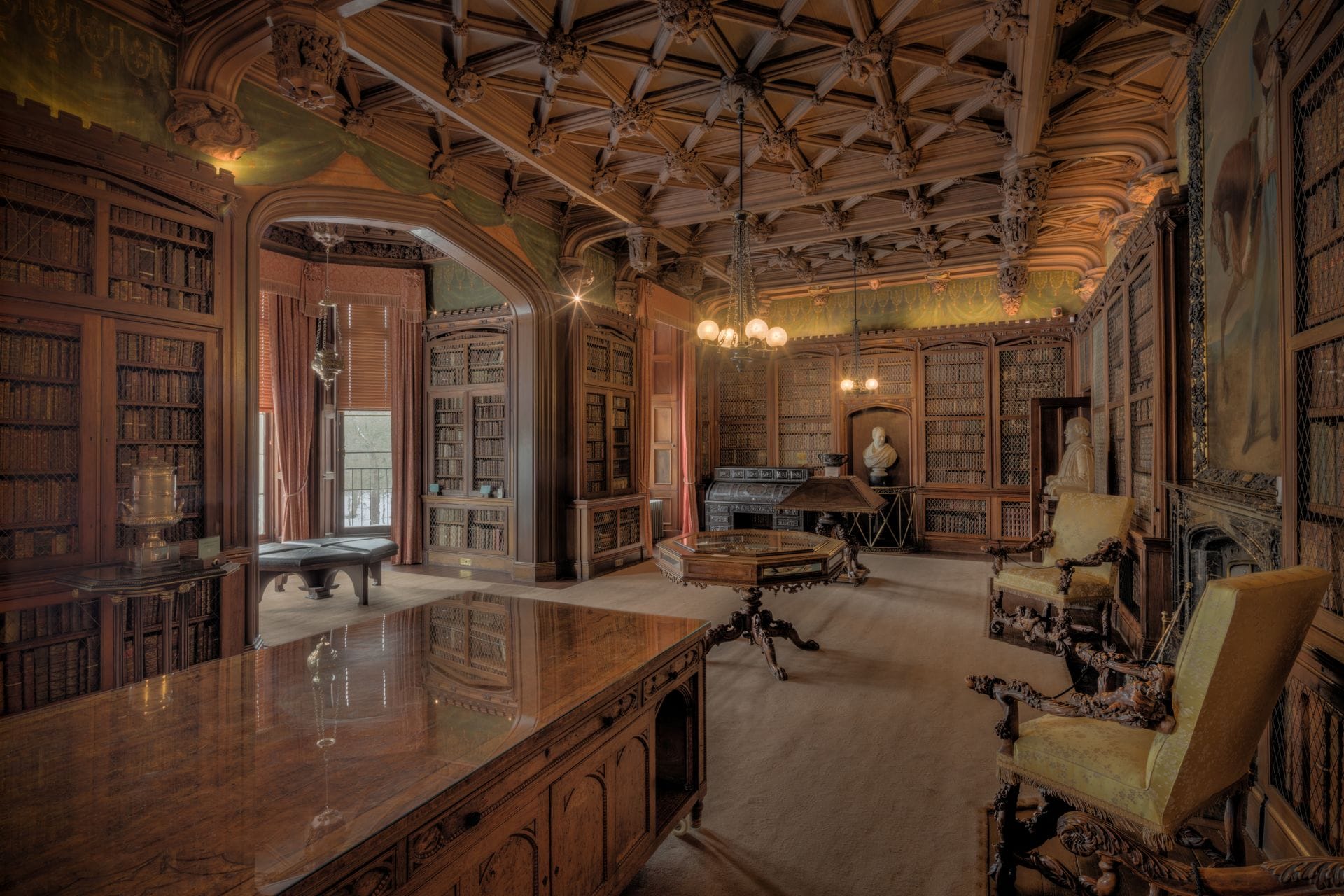
I have a favourite library, a building that was designed in the 19th century. It has a reading room with a high ceiling, a stained-glass window, and a long table with green-shaded lamps. It is a room that feels sacred, a room that commands attention, a room that asks you to be still. I go there when I need to think, when I need to escape the noise of the world, when I need to remember what it feels like to be present.
The architecture of a library is a form of generosity. It creates the conditions for attention, for presence, for the act of reading. It is a space that is designed to support the mind.
The Community of the Stacks
A library is not just a space for reading. It is a space for community. It is a place where people come to study, to meet, to learn. It is a place where children are introduced to the world of books, where adults find the resources they need, where the elderly find a space of comfort.
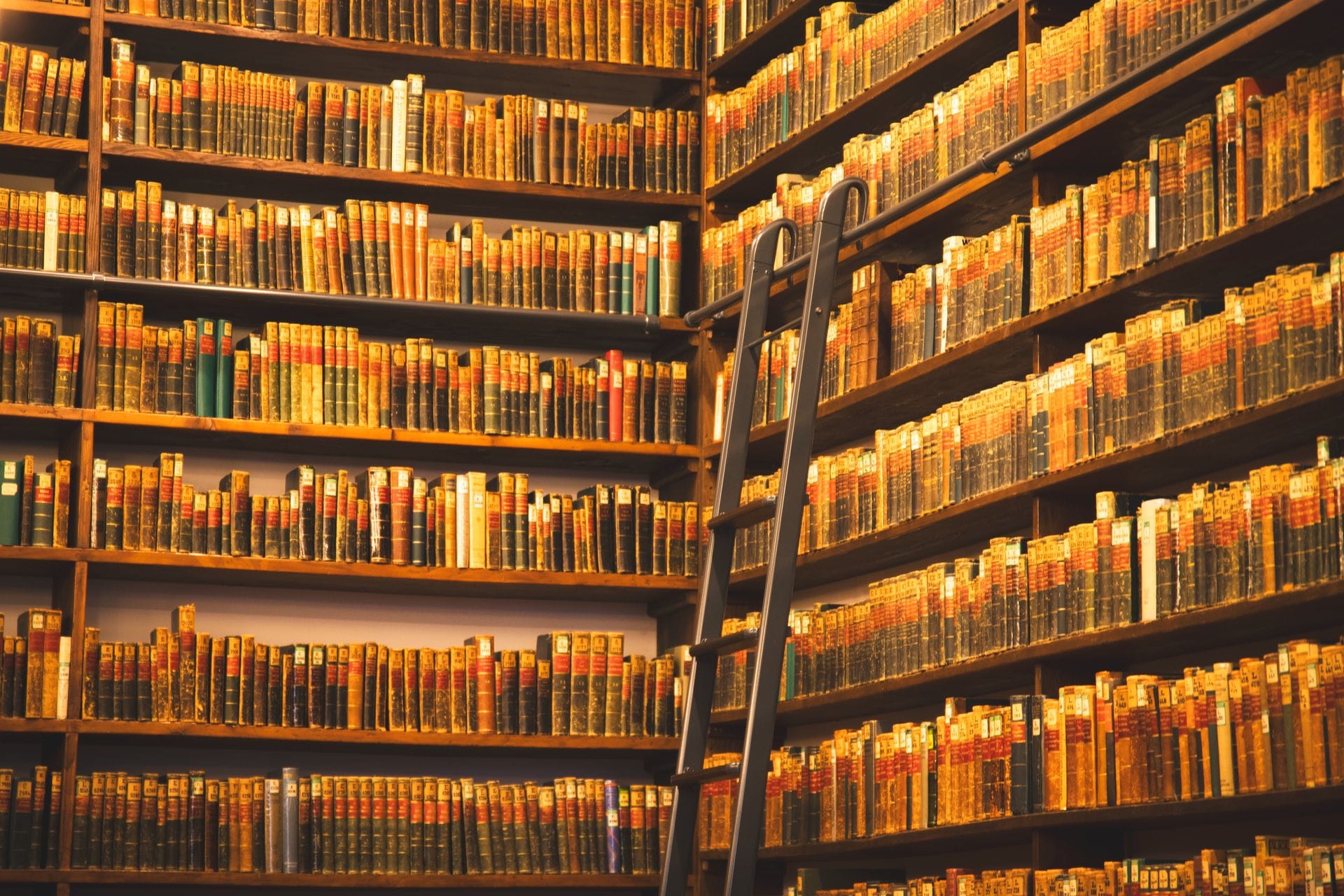
I spoke to a librarian who has worked in the same library for thirty years. She told me that the community is the library. The books are the medium, but the connection is the purpose. She has seen children grow up in the library, seen them become adults, seen them bring their own children to the same space. The library is a thread, a continuity, a way of connecting the generations.
I have seen children who came to the library with their parents, who then became parents themselves and brought their own children. The library is not just a place. It is a history, a story that is still being written.
The Preservation of Memory
A library is also an archive, a place where the past is preserved for the future. It is a space where the knowledge of the past is held and made accessible, where the voices of those who came before us are still present. The library is not just about the present. It is about the continuity of knowledge, the belief that the past has something to teach us, that the future depends on the preservation of the past.

I have a particular fondness for the library's collection of local history. It is a small collection, in a corner of the building, but it is a collection that holds the stories of the place, the records of the people who have lived here, the evidence of their lives. It is a collection that is not about the world but about this place, this community, this moment in time. It is a collection that matters, a collection that reminds me that the library is not just a building. It is a repository of memory.
The Library as a Sanctuary
In a world that is increasingly demanding, the library offers something rare: the permission to be still. It is a space where you can sit without being asked to buy something, where you can read without being interrupted, where you can be present without being productive. It is a sanctuary, a space of refuge, a place of quiet.

The library is not a place for everyone, not in the sense that it is designed for a particular kind of person. It is a place for anyone who needs it. It is a space of quiet, a space of connection, a space of possibility. It is a gift, a generous offering in a world that often demands too much. And the quiet itself is a gift, a reminder that there is a value in silence, in stillness, in the act of being present without the pressure to perform.
The Library as a Future
The library is also a space of possibility. It is a space where the future can be imagined, where the resources for learning are available, where anyone can pursue their curiosity. It is a space that is open to the potential of what is to come.
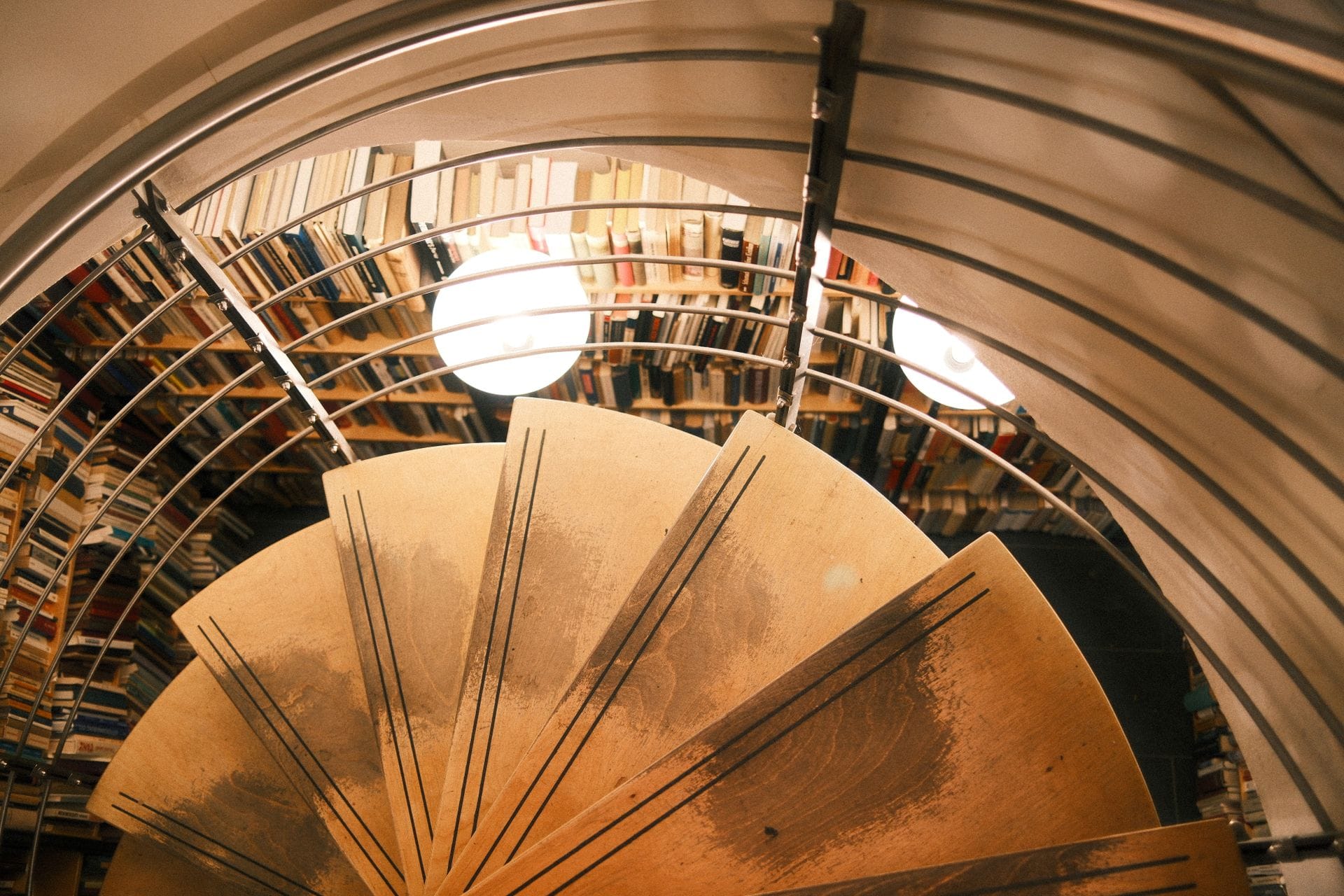
I have a hope for the library. I hope it will continue to exist, to evolve, to be a presence in the community. I hope it will remain a space of quiet, a space of connection, a space of possibility. I hope it will continue to be a place of sanctuary, a place of refuge, a place of memory. And I hope we will continue to need it, because to need a library is to need connection, and to need connection is to be human.