I had forgotten what it felt like to travel by train. Not the commuter trains, the ones that shuffle you from suburb to city, but the long-distance trains, the ones that take you across countries, that carry you through landscapes that change gradually, that offer time to think, to read, to simply watch the world pass by. I had forgotten the pleasure of a journey that is not about getting there but about being in transit.
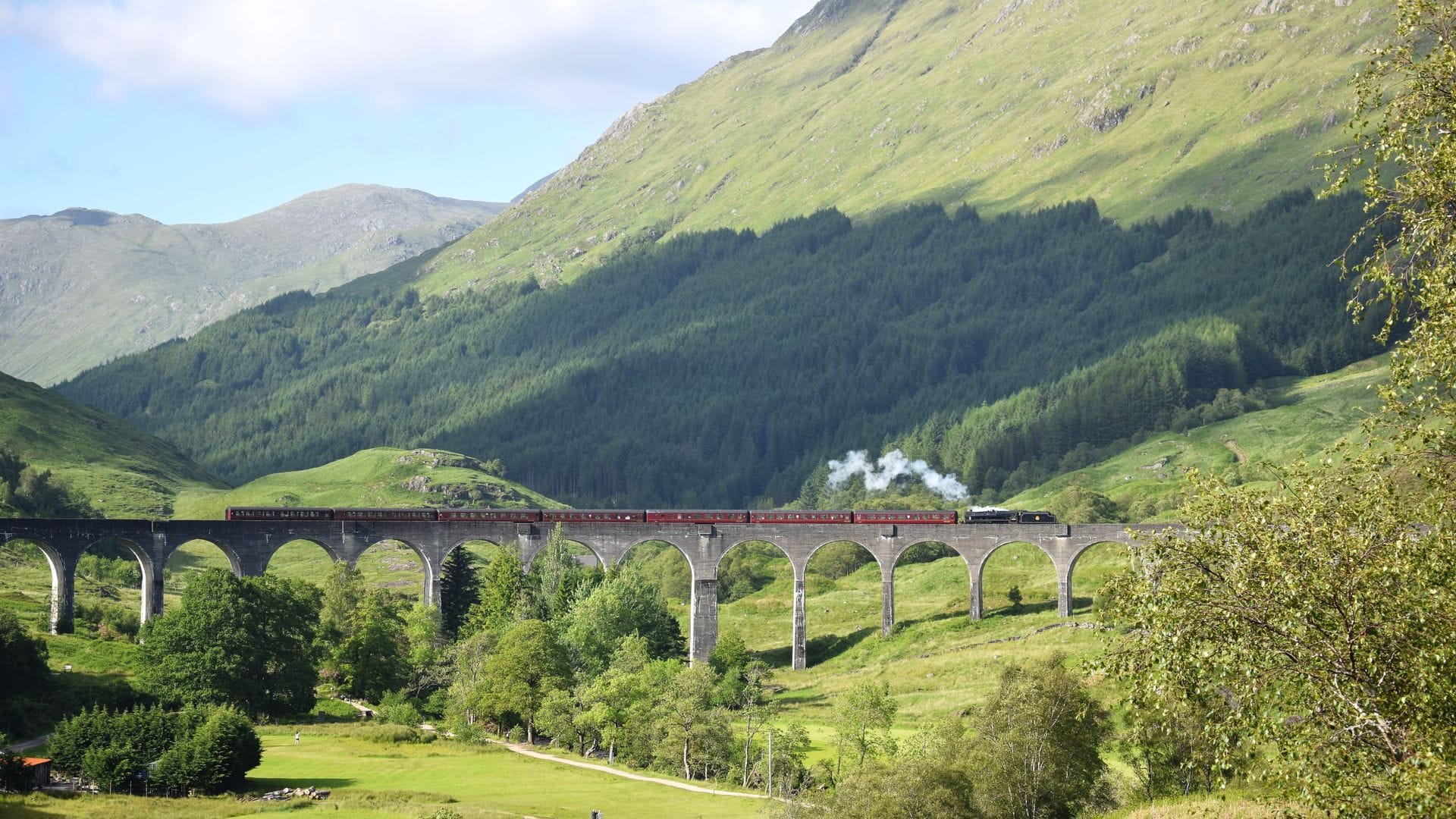
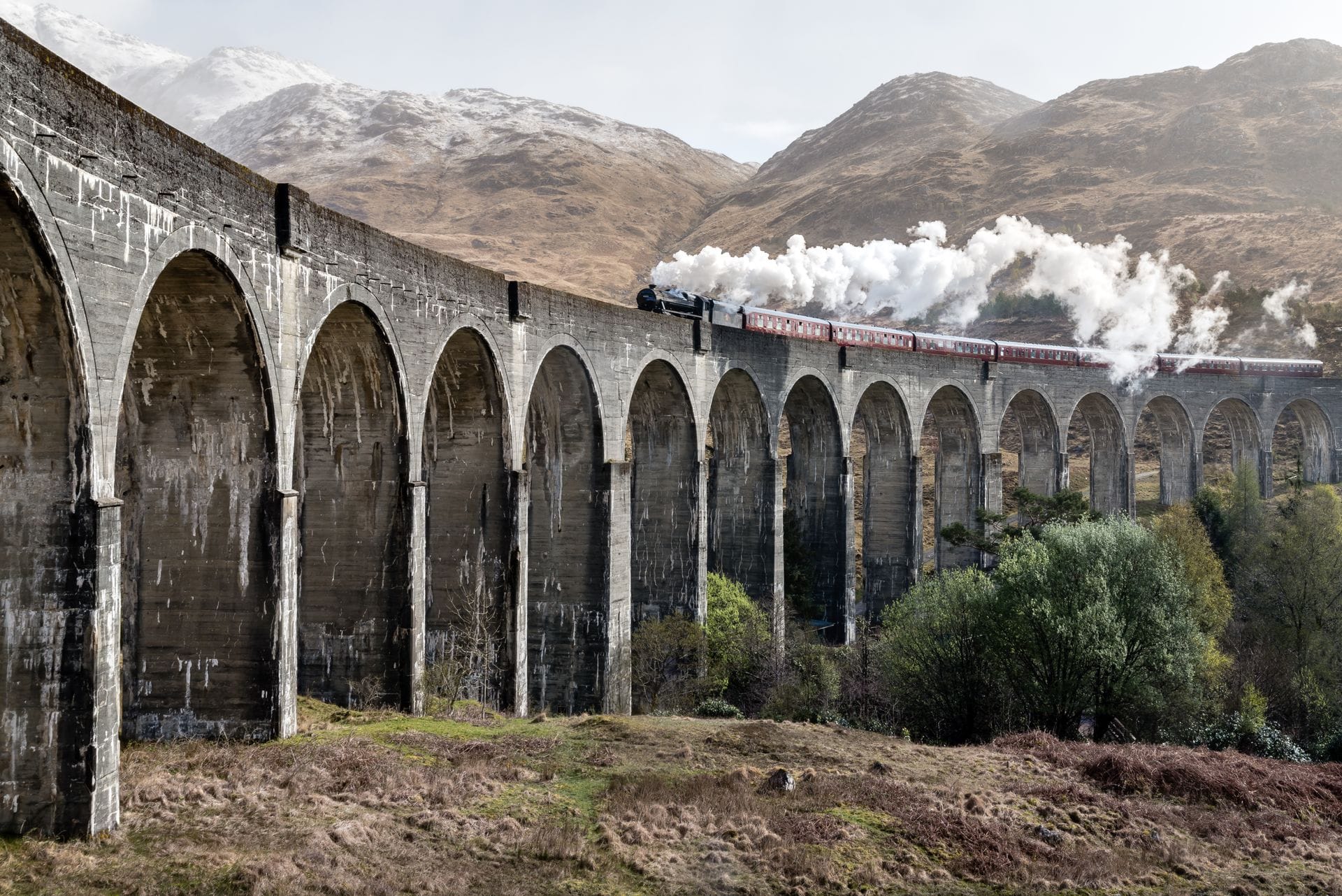
I decided to remedy this by taking a sleeper train through the Scottish Highlands. The Caledonian Sleeper, the overnight train that runs from London to Inverness. It is not the fastest way to travel, not the most efficient. But it is the most romantic, the most evocative, the one that feels most like a journey. I boarded in the evening, found my compartment, and settled in for the night. The train pulled out of the station, and the city began to fall away. The lights of the suburbs, the dark of the countryside, the first distant hills. I lay in my bunk, watching the world slip by through the window, and felt a sense of anticipation that I had not felt in a long time. I was not just travelling. I was on a journey.
The Pleasure of the Slow
Train travel is slow. It is not the instant gratification of a flight, not the speed of a car on a motorway. It is a journey that takes time, that demands patience, that rewards the traveller with a different kind of experience. The landscape unfolds gradually, in a way that allows you to see it, to absorb it, to understand the scale of the country you are passing through.
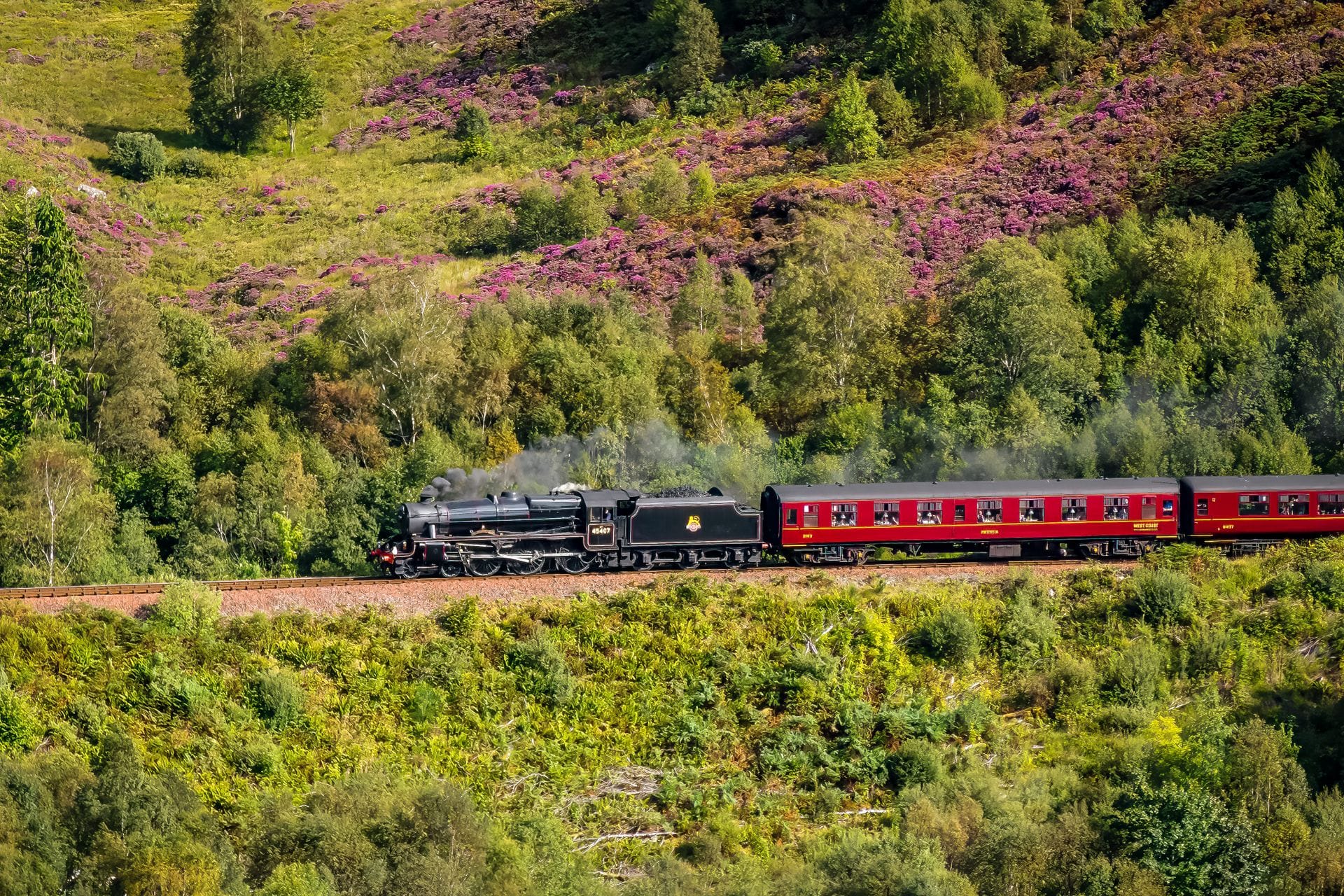
I sat in the observation car as the train wound its way through the Highlands. The landscape was extraordinary: mountains, lochs, heather-covered moors. The light was changing, the sun setting over the peaks. It was a landscape that demanded attention, that asked you to stop and look, that rewarded the slow traveller with a kind of beauty that cannot be captured in a photograph.
The Company of Strangers
There is also a particular pleasure in the company of strangers on a train. The conversations that happen in the dining car, the shared experience of the journey, the sense of being part of a temporary community. I met a woman who was returning to her family home in the Highlands. She told me about her childhood, the winters, the isolation, the beauty of the place. She was not a traveller. She was a resident, a person who lived in the landscape I was passing through. Her conversation added a layer of meaning to the journey, a human connection that made the landscape more vivid.
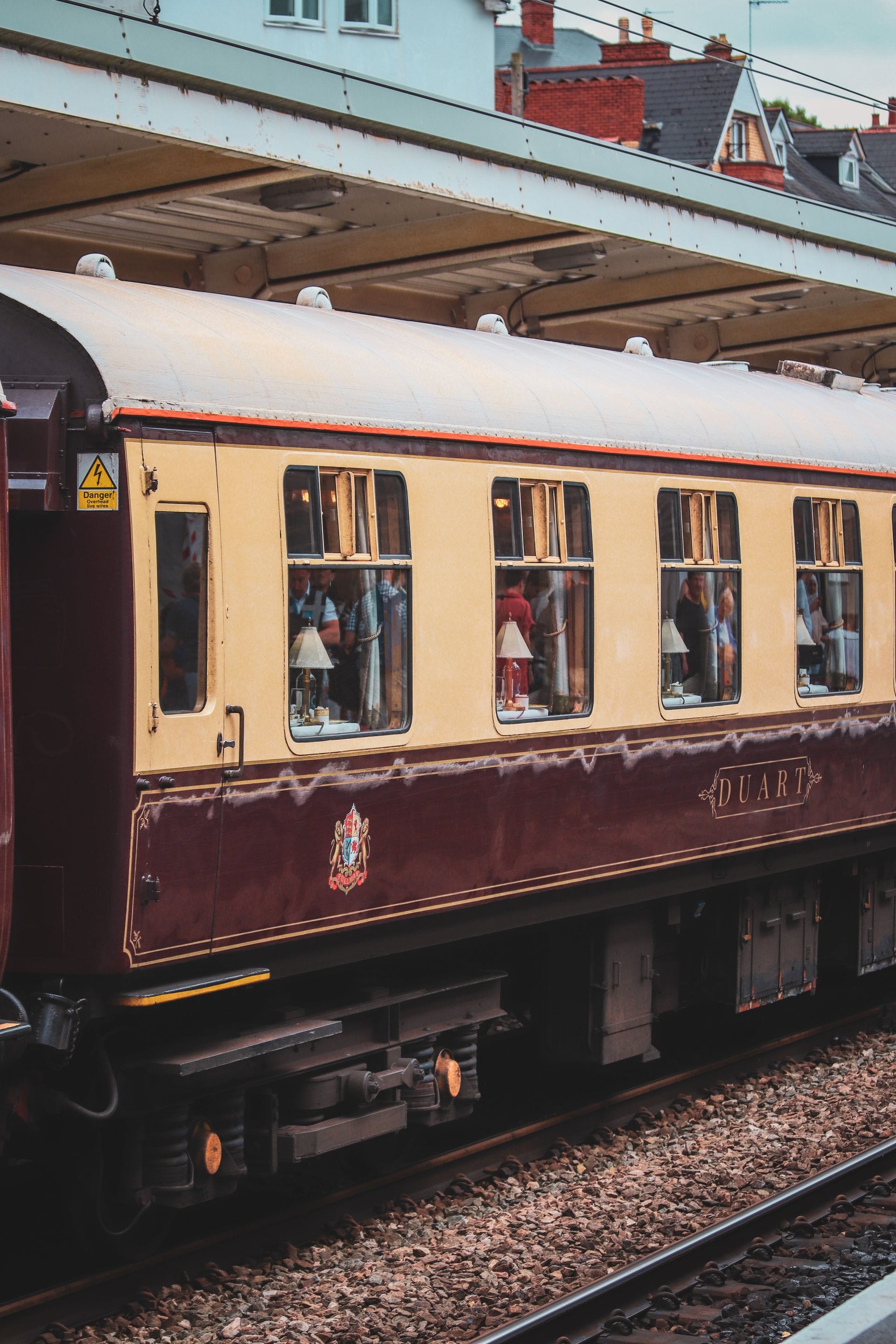
The dining car is a space of encounter, a place where you can sit with someone you have never met and share a meal, a story, a moment. It is a space that does not exist on a plane, not in the same way. The enforced intimacy of a dining car is a pleasure, a reminder that travel is not just about the places you visit but about the people you meet along the way.
The Value of Disconnection
A train journey is also a chance to disconnect. There is no Wi-Fi on the Caledonian Sleeper, not in the way there is on a plane. You are not expected to be productive. You are expected to be present. I sat in my compartment, the landscape moving past, and I did not check my phone. I did not look at my email. I simply sat, and watched, and allowed the journey to unfold.
It was a gift, the gift of being unavailable. In a world that is always demanding our attention, the train journey offers a different kind of experience: the permission to be out of reach, to be disconnected, to be simply present. I read a book, I wrote in a journal, I stared out of the window. I did nothing that was productive, and it was the most productive thing I could have done.
The Arrival
The train arrived in Inverness in the morning. The light was low, the air was cold, the landscape was new. I stepped off the train and felt the same sense of arrival that I had felt on so many journeys, but it was different this time. It was not just about arriving. It was about the journey that had led me here, the hours of travel, the landscapes I had passed through, the people I had met. The journey had been part of the experience, not just a means to an end.
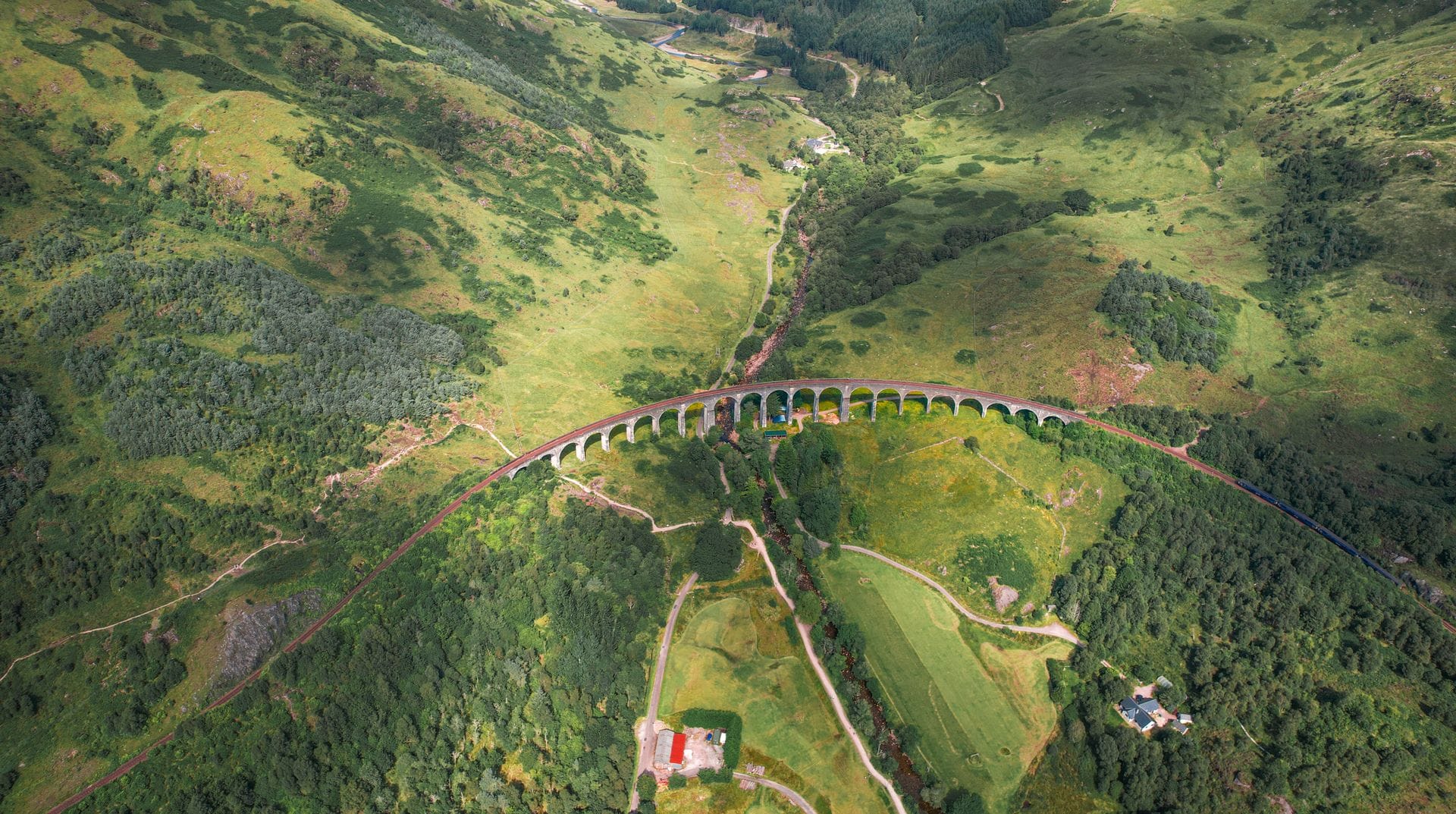
I had forgotten what it felt like to travel this way. I had forgotten the pleasure of a journey that is as much about the travel as the destination. The slow train to nowhere had led me to a place I had never been, but it had also reminded me of something I had lost: the joy of the journey itself. It is the spaces between the destinations, the hours spent in transit, the landscapes that pass by, the conversations with strangers—these are the real gifts of travel.