On my first visit to Beirut, my friend Nadia Khalil sent a driver to whisk me from the airport directly to a hidden gem in the Mar Mikhael district, a neighbourhood of crumbling Art Deco buildings and vibrant street art. She enthusiastically ushered me into a corner table at a restaurant where the walls were hung with vintage posters and the scent of sizzling garlic filled the air. A group of her friends all fell over themselves to explain each element of the meze menu to me. Never have I experienced such a passion to discuss food among a group of people – and I'm married to an Italian.
I am a Greek native accustomed to the concept of philoxenia (hospitality), as we pride ourselves on hosting. While travelling through Lebanon, though, I was blown away by the welcome that I received. Nowhere have I felt more looked after or better fed than at a Lebanese dinner table.
The Meze Culture of Beirut
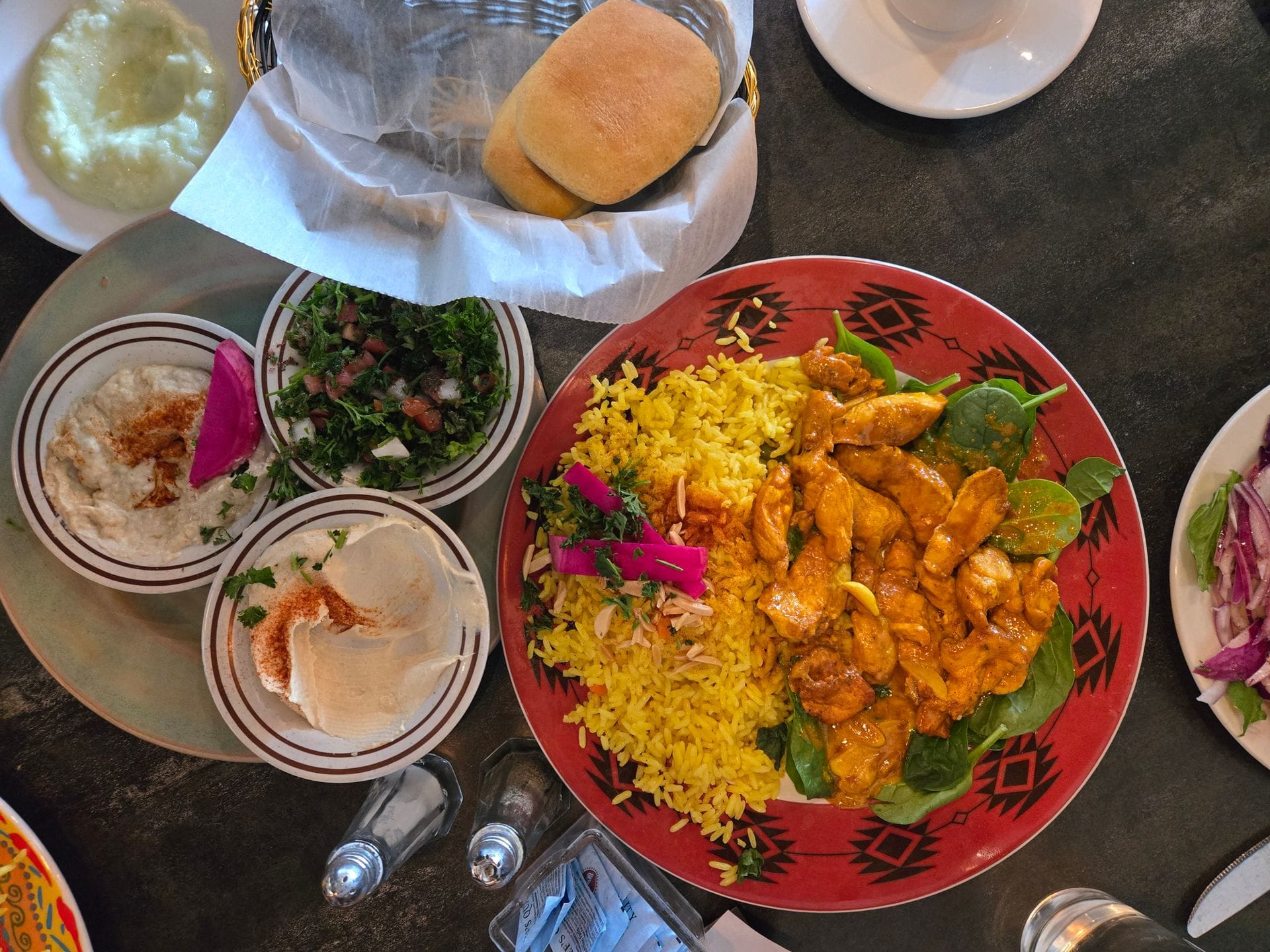
At the restaurant, we plumped for a selection of small meze plates. The influence of Lebanon's Ottoman past and its position at the crossroads of the Mediterranean was evident in the variety of dishes. Creamy hummus topped with sizzling lamb, smoky mutabbal (a close cousin of baba ganoush), and crisp fattoush salad were brought with a plate of warak enab (stuffed vine leaves) – all remnants of a culinary tradition that has been refined over centuries.
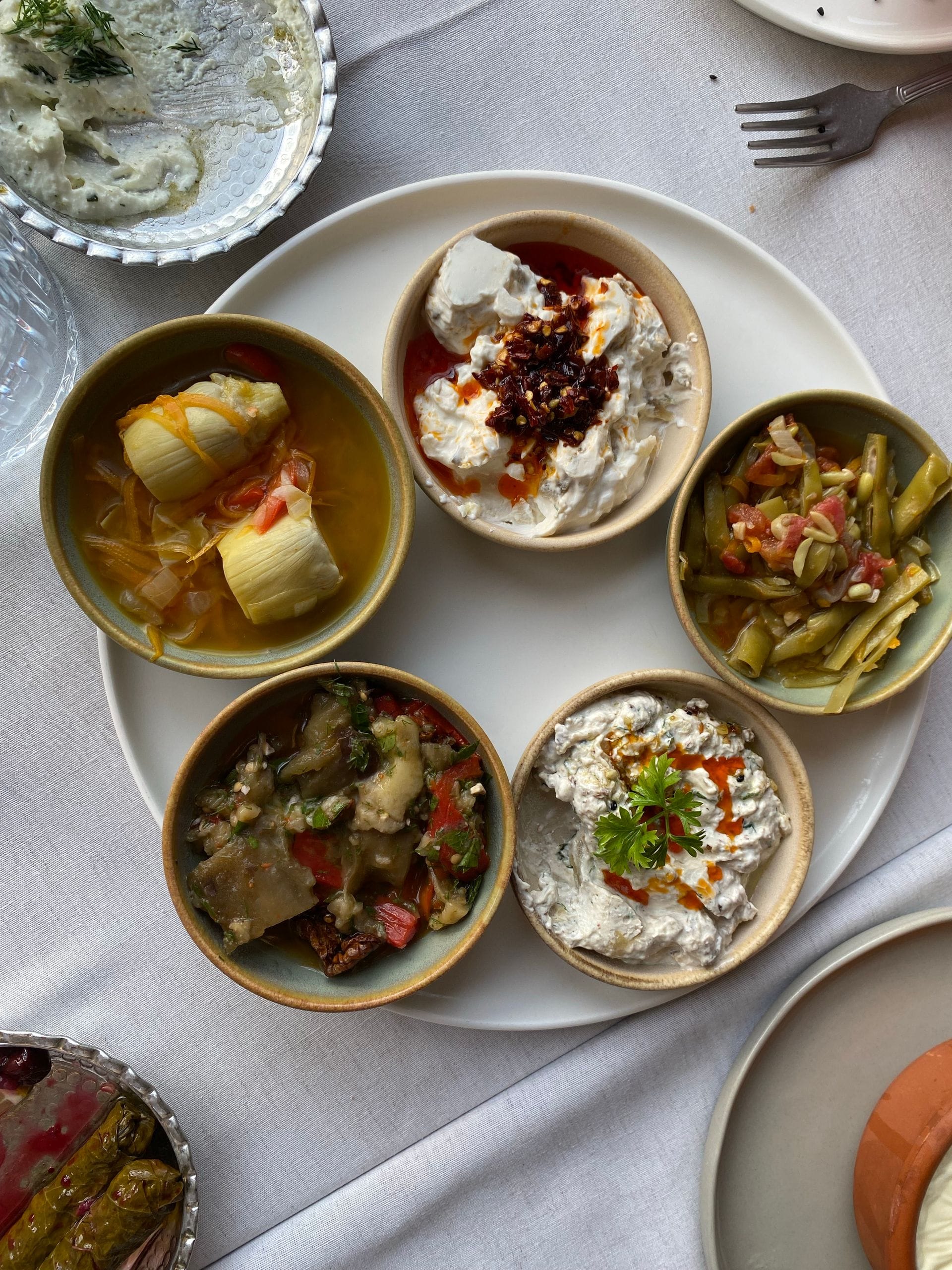
In Lebanon, the tradition of meze has always brought people together,” Nadia explained, as she tore off a piece of warm pita and dipped it into the hummus. “The convivial element of sharing dishes flourished during the Ottoman era, uniting the flavours of the Mediterranean and the Levant at one table, along with the people of those regions.
The meze is not merely food in Lebanon; it is a ritual, a conversation starter, a reason to linger. Each small plate tells a story of the land and its people – the olives pressed from ancient groves, the za'atar gathered from the hillsides, the tomatoes sun-ripened on the Bekaa plain.
A Journey South: Saida's Fishing Heritage
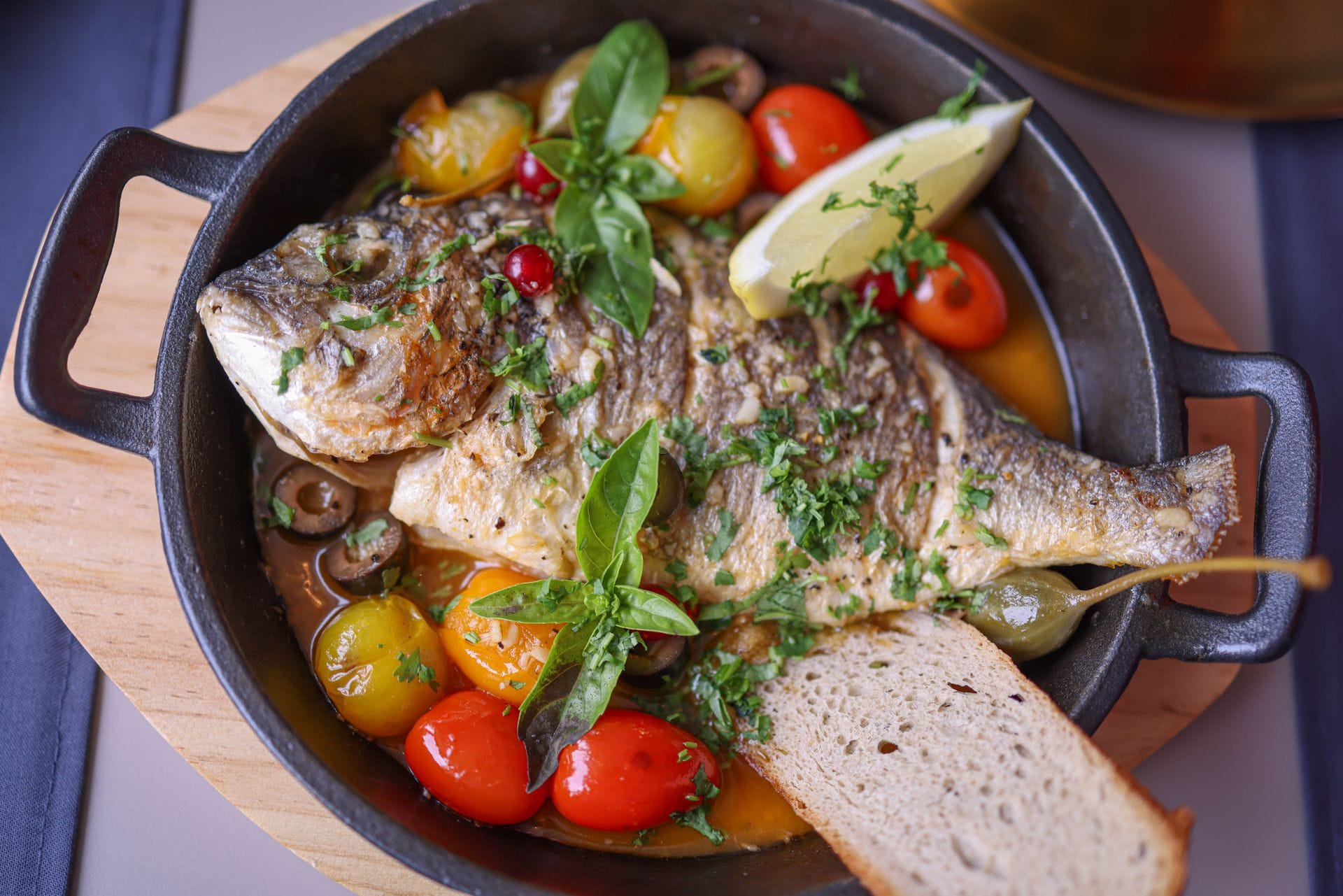
Further south, in the coastal city of Saida (Sidon), I discovered the art of grilled fish at a modest eatery by the old harbour. The fishermen were hauling in their morning catch as we arrived, and the restaurant owner – a man named Abu Hassan with a twinkle in his eye and a well-worn apron – insisted on selecting the fish himself.
You don't choose the fish,” he said, waving away the menu. “The fish chooses you.
He presented us with a platter of freshly caught sea bream, grilled to perfection over charcoal, served simply with lemon, olive oil, and a scattering of sea salt. The accompanying tabbouleh – a parsley salad so green it seemed to glow – was the best I had ever tasted, the bulgur wheat barely visible among the herbs.
"First you eat with your eyes," Abu Hassan said. "Then you eat with your hands. That is the Lebanese way."
Mountainside Hospitality in the Shouf
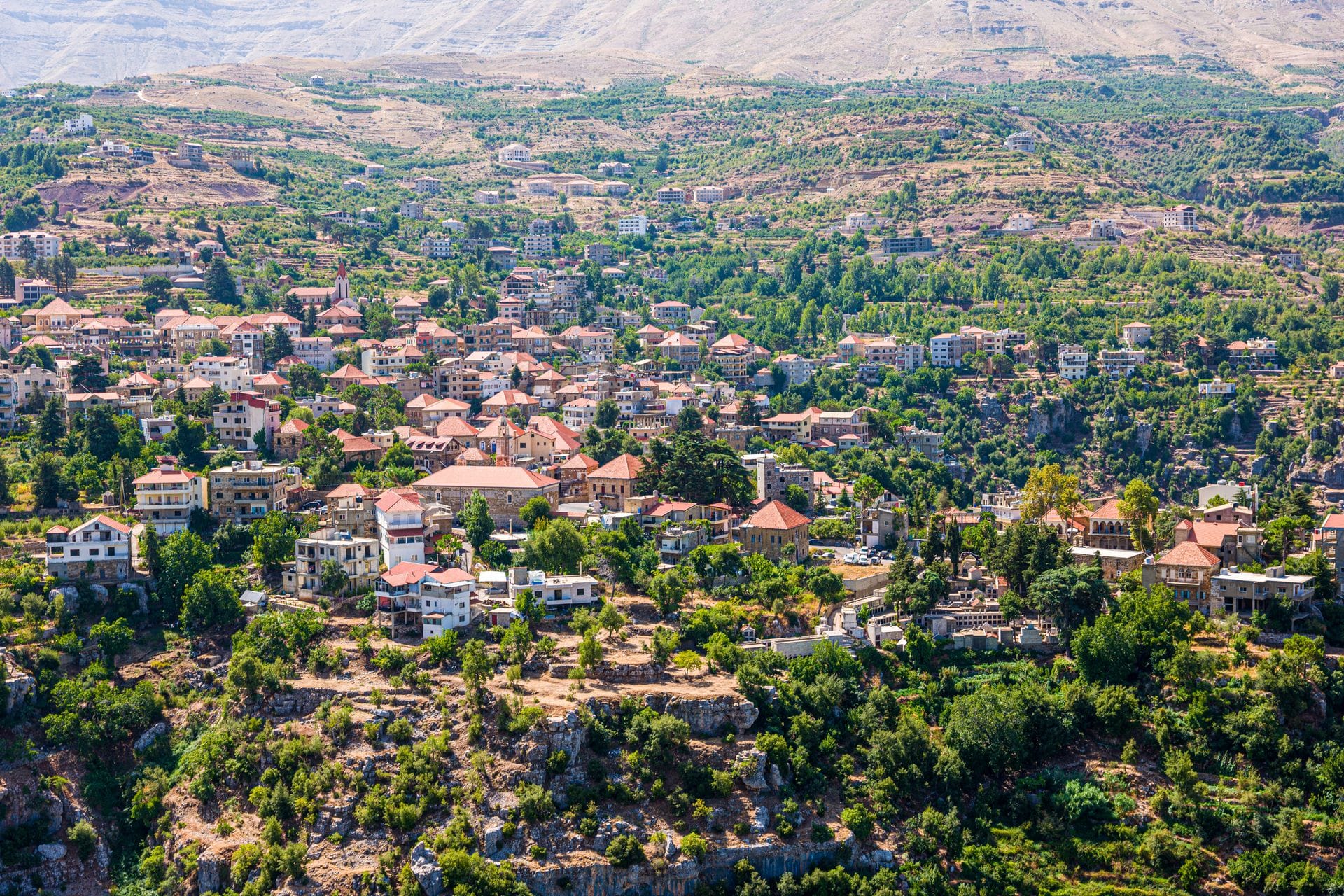
The Lebanese need to feed does not stop at lunch and dinner. Expect lavish spreads throughout the day, wherever you go. In the Shouf mountains, a region known for its Druze heritage and terraced vineyards, I was treated to a breakfast that seemed to defy the laws of what a table could hold.
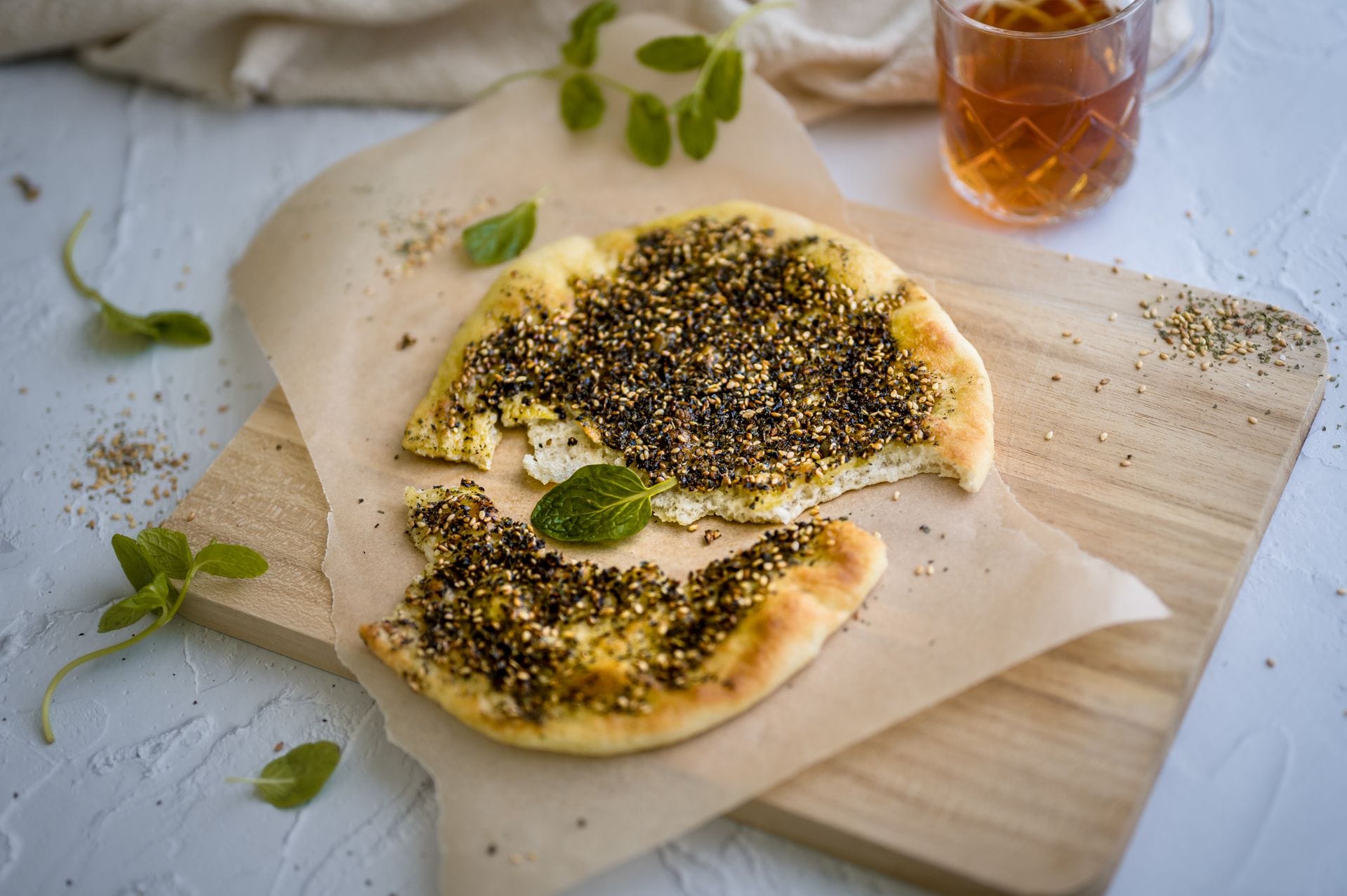
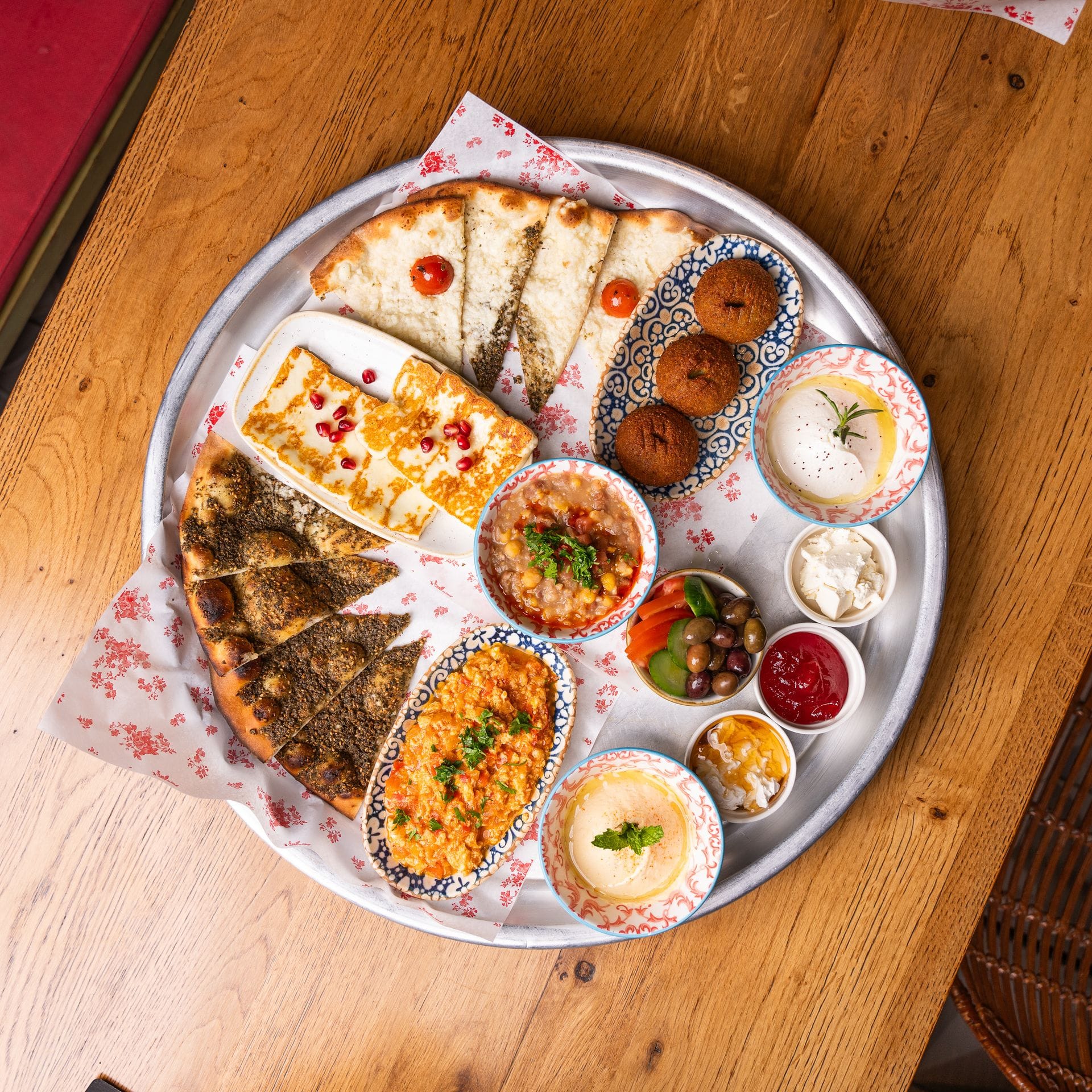
At a small guesthouse overlooking the forested valleys, the spread included manakish – flatbreads topped with za'atar, fresh thyme, and tangy cheese – alongside bowls of labneh so thick you could stand a spoon in it. There were platters of fresh mint, radishes, and spring onions, bowls of olives in olive oil, and a stack of freshly baked ka'ak (sesame bread).
In the mountains, we don't count the dishes,” said our host, a woman named Amira. “We count the guests. The more guests, the more we prepare. That is our joy.
The manakish was a revelation – crisp on the outside, soft within, the za'atar providing a savoury, herbaceous hit that lingered long after each bite. Amira insisted we try at least three varieties: the classic za'atar, the akawi cheese, and a sweet-savoury version with minced lamb and pomegranate molasses.
The Bekaa Valley: A Feast of the Land
While staying in the Bekaa Valley, I was invited into the home of a local wine-maker, a man named Pierre who had inherited his family's vineyard and a deep love for the land. His wife, Layla, had spent the morning preparing a feast that would not have looked out of place at a wedding.
The star of the table was kibbeh – a dish of such complexity that it demands patience and skill. Layla's version was kibbeh bi siniyeh, a baked tray of spiced lamb and bulgur wheat, layered with a filling of onions, pine nuts and more lamb. The outer shell was crisp, the interior moist and fragrant with cinnamon, allspice and nutmeg.
Kibbeh is the heart of Lebanese cooking,” Layla told me, as she served a generous portion onto my plate. “Every family has their own recipe. Mine comes from my grandmother. She learned it from her grandmother. It is a thread that connects us to the past.
Alongside the kibbeh were plates of warak enab, stuffed vine leaves so tender they melted on the tongue, and a fattoush salad with torn bread and a tart sumac dressing. The meal ended with a bowl of mouhalabieh, a milk pudding perfumed with orange blossom water, and small cups of thick Arabic coffee served with dates.
A Village Welcome in the Qadisha Valley
In the Qadisha Valley, a gorge of such dramatic beauty it was once the refuge of early Christian monks, I was beckoned into a stone cottage by a woman who seemed to be hosting the entire village. She was making sfeeha, an open-faced lamb pie that is a speciality of the region.
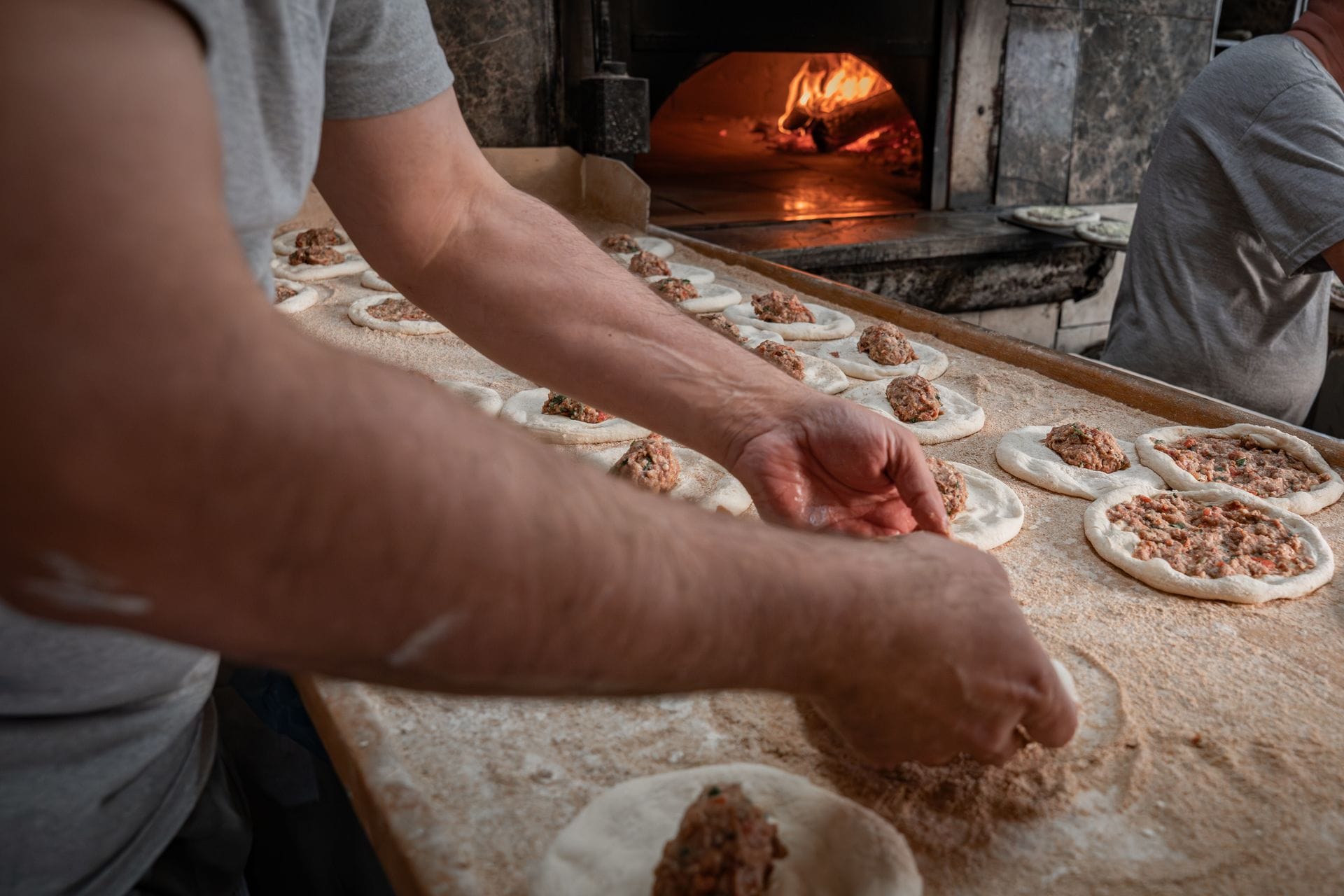
The women of the village were gathered in the courtyard, their hands working with speed and grace as they shaped the dough and spread the lamb filling. I was invited to sit with them, to learn the technique, to participate in the ritual of making food for the community.
We make sfeeha when there is joy to share,” one of the women explained. “A wedding, a birth, a good harvest. But sometimes we make it simply because we want to see the faces of our neighbours. The food is the excuse.
As the pies baked in a stone oven, the courtyard filled with the smell of lamb, spices and wood smoke. When they emerged, golden and bubbling, we ate them sitting on low stools, tearing pieces of the bread to scoop up the filling. There was no ceremony, no formality – just the simple pleasure of eating together, of sharing the same table.
The Sweet Symbol of Hospitality
Throughout my time in Lebanon, I noticed a common thread: the hospitality was never transactional. It was not about what the host would receive, but about what they could give.
The tradition of offering food to strangers is deeply woven into our culture,” Nadia had said to me on that first day in Beirut. “In Lebanon, if someone comes to your door, you feed them. It doesn't matter if they are a friend or a stranger. It is your duty, but also your privilege.
This was evident in every home I visited. Plates of fresh fruit were always offered. Small glasses of arak – the aniseed spirit of the Levant – were poured generously. And when it was time to leave, I was never sent off empty-handed; a bag of fresh za'atar, a jar of honey, or a bottle of olive oil from the family's own groves was pressed into my hands.
Eating alone in Lebanon is a lonely affair,” Nadia had said. “Food is not just for sustenance – it is for sharing. If we cannot share our food, there is no pleasure in eating it at all.
A Land Defined by Its Table
Lebanon is a small country, barely visible on a map. But its culinary influence extends far beyond its borders. What I experienced was not just exceptional food – it was a culture that elevates the act of eating to something sacred.
The meze of Beirut, the grilled fish of Saida, the kibbeh of the Bekaa Valley, the sfeeha of the Qadisha – each dish was a chapter in a story that has been told and retold for generations. And at the centre of it all was the Lebanese capacity for welcome.
I am Greek. I know hospitality. I understand the impulse to feed, to host, to make the stranger feel at home. But in Lebanon, I found something else: a generosity so complete, so unassuming, that it was humbling.
I caught none of the conversation that passed between the family members in the Qadisha Valley, but that did not diminish my feeling of being wholeheartedly welcomed into the home of people who were strangers to me just a few hours before. Socialising is inextricably linked with dining in Lebanon. I get the sense that if they can't share their food, there's no pleasure in eating it at all.