There is a moment, just before dusk, when Marrakech reveals its truest self. The relentless sun softens to a honeyed glow, the dust of the day settles, and the city exhales. From a rooftop terrace, the call to prayer drifts across the palm groves, mingling with the scent of woodsmoke and orange blossom. The High Atlas, snow-capped even in summer, frames the horizon like a stage set. It is a view that has drawn travellers for centuries—not for its comfort or convenience, but for its ability to transport, to transform, to enchant.
Marrakech has always existed on the edge of things. On the edge of the desert, on the edge of Europe, on the edge of the imagination. The painter Jacques Majorelle arrived in the 1920s and never really left, pouring his obsession into the garden that still bears his name. Yves Saint Laurent followed half a century later, restoring Majorelle's legacy and making the city his sanctuary. In between came the bohemians, the dealers, the expatriates and the eccentrics—drawn by something that defies easy description, a quality that the Moroccans themselves call baraka, a kind of spiritual blessing that lingers in the air.
The Character of the City
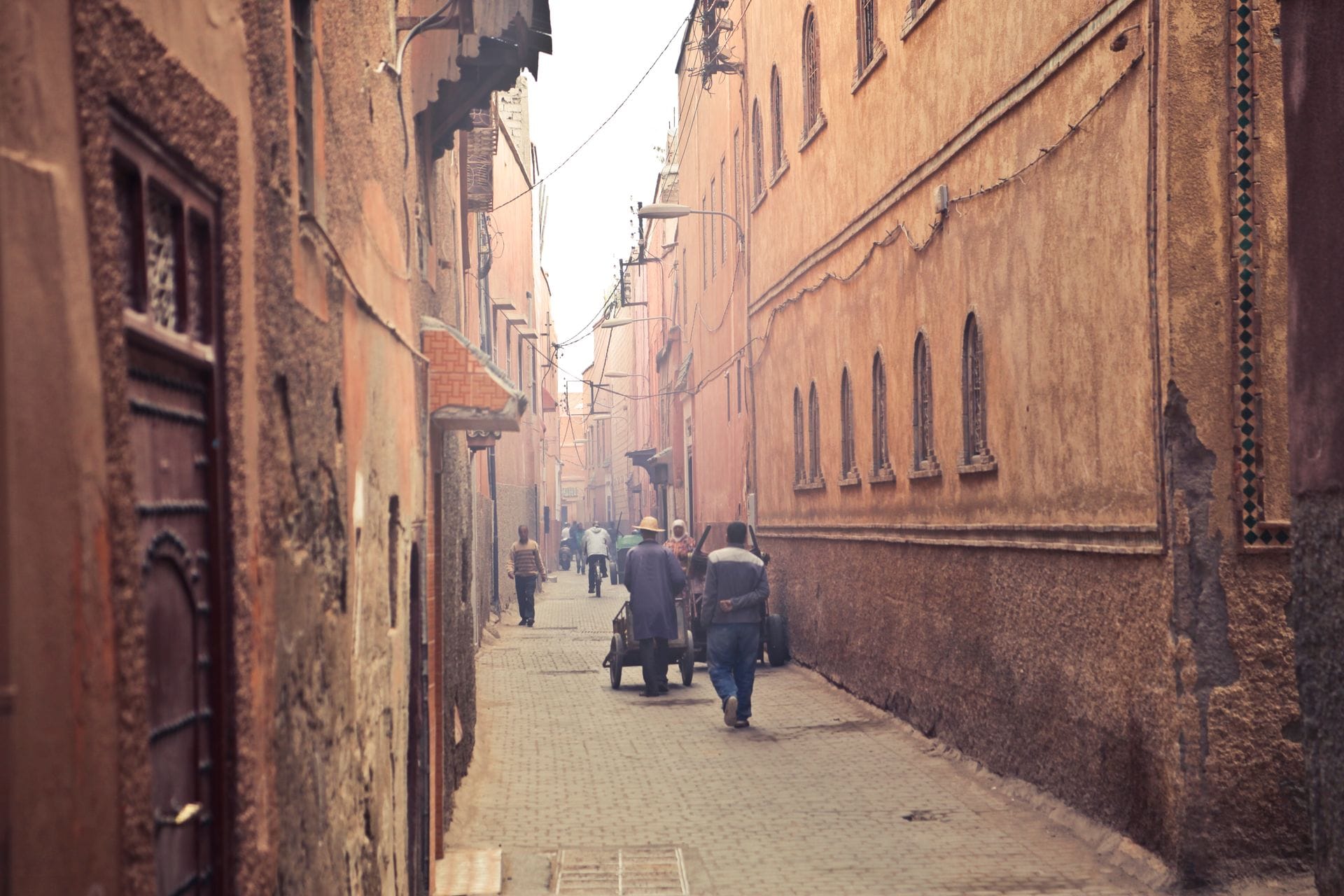
Marrakech is not a city that reveals itself easily. From the outside, it can appear forbidding—the ochre walls of the medina, the labyrinthine souks, the chaos of Djemaa el-Fna. It takes time to understand its rhythm, to know when to retreat and when to engage. But those who do are rewarded with something rare: a sense of being admitted to a world that exists outside the usual flow of things.
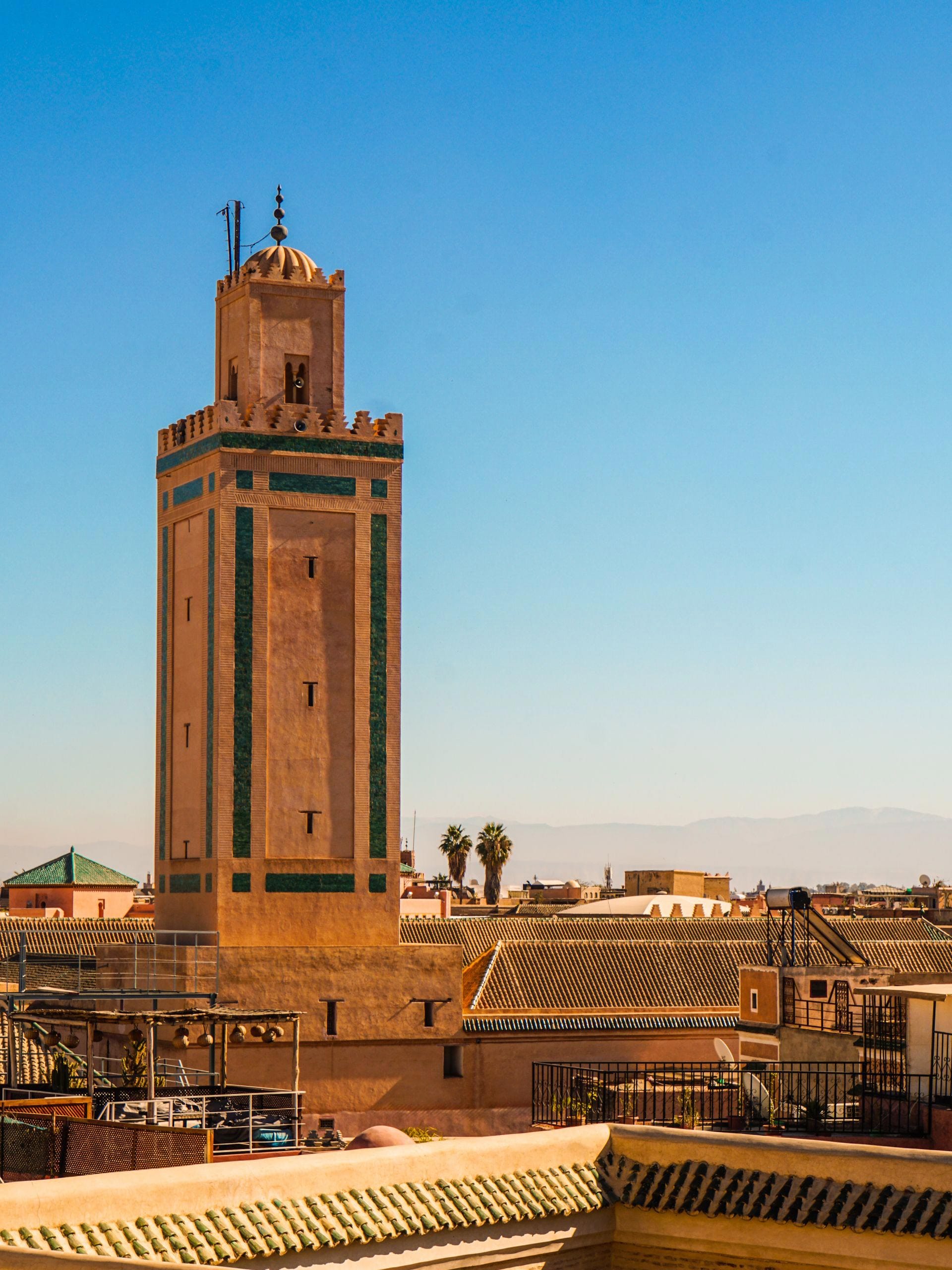
"The city has a way of filtering people," says a long-time resident, the interior designer and collector Patrick Maquin. "Some come and are overwhelmed. They leave within a few days and never return. Others find something here that they cannot find anywhere else. It's not about luxury, not really. It's about an atmosphere, a quality of life that is almost impossible to replicate elsewhere."
It is that quality that has drawn a succession of creative figures to Marrakech over the decades—not as tourists, but as inhabitants, people who have chosen to make the city their home. Bill Willis, the American architect who arrived in the 1960s and became the city's most influential interpreter of Moroccan tradition, was one such figure. His interiors, blending traditional craftsmanship with modernist restraint, set a standard that still influences designers today. His own house, Dar Tazi, became a legend—not for its grandeur, but for its quiet perfection, its ability to feel both ancient and entirely contemporary.
The Garden as a World
It is no coincidence that so many visitors to Marrakech are drawn to its gardens. The city's most famous, the Majorelle Garden, is a masterpiece of horticultural obsession—a two-and-a-half-acre plot of cobalt blue and brilliant yellow, planted with bamboo, bougainvillea and towering cactus. But beyond the famous names are countless hidden gardens, tucked behind the walls of riads and villas, each one a small universe in itself.
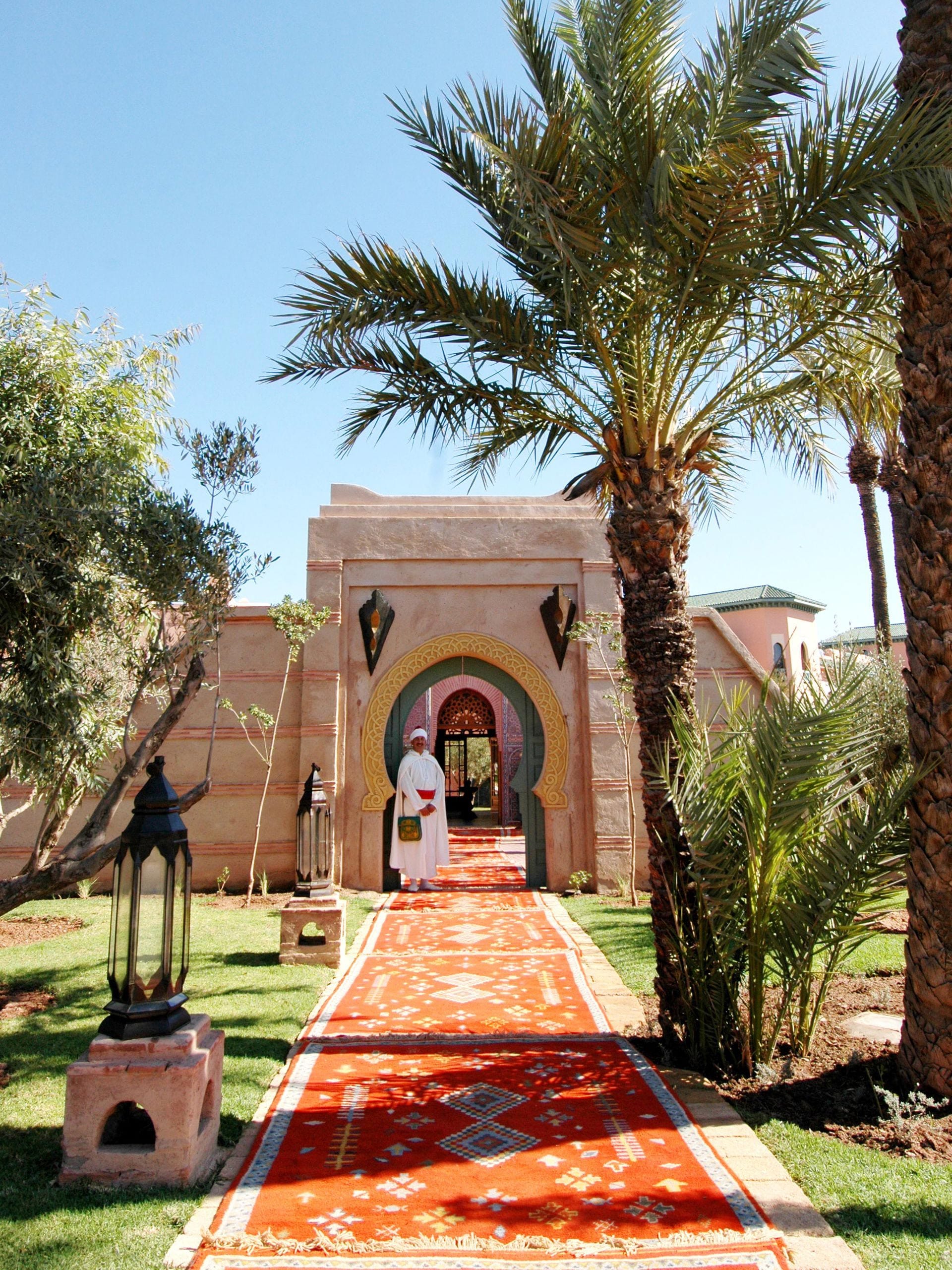
"Gardens in Marrakech are not decorative," says the designer Jasper Conran, who has created a home in the city. "They are essential. They are the heart of the house, the place where you go to think, to breathe, to escape the heat. The Moroccan approach to gardens is deeply practical, but it is also deeply poetic. Water is always present, as a symbol of life. And there is always shade—a place to rest, to be still."
Conran's own garden, a hidden courtyard in the medina, is a model of restraint: a central fountain, a few carefully chosen plants, and a simple seating area where he can sit and watch the light change. "It's not about showing off," he says. "It's about creating a sense of peace, of enclosure. That is the essence of the Moroccan aesthetic."
A Place to Think
There is something about Marrakech that encourages introspection. It is a city that demands attention, but it also allows for escape. For many, this has been its greatest gift—a place to retreat, to reflect, to make sense of things.
The American designer Frank de Biasi, who moved to Marrakech full-time in 2019, speaks of the city's ability to recalibrate his perspective. "I had been living in New York, and I had reached a point where everything felt urgent, relentless," he says. "Marrakech taught me to slow down. The rhythms here are different. People take their time. Conversations are longer. Meals are longer. It is a way of living that I had almost forgotten was possible."
Frank and his partner, Gene Meyer, have since opened a shop in the medina—a project that evolved from their passion for Moroccan craft. "The traditions here are still alive," Frank says. "People are still making things by hand, in the same way their grandparents did. That is a rare thing, and it is something worth celebrating."
The Art of Hospitality
Behind the blank walls of the medina, a different world exists. In these hidden spaces, the Moroccan tradition of hospitality thrives—not as a performance, but as an instinct.
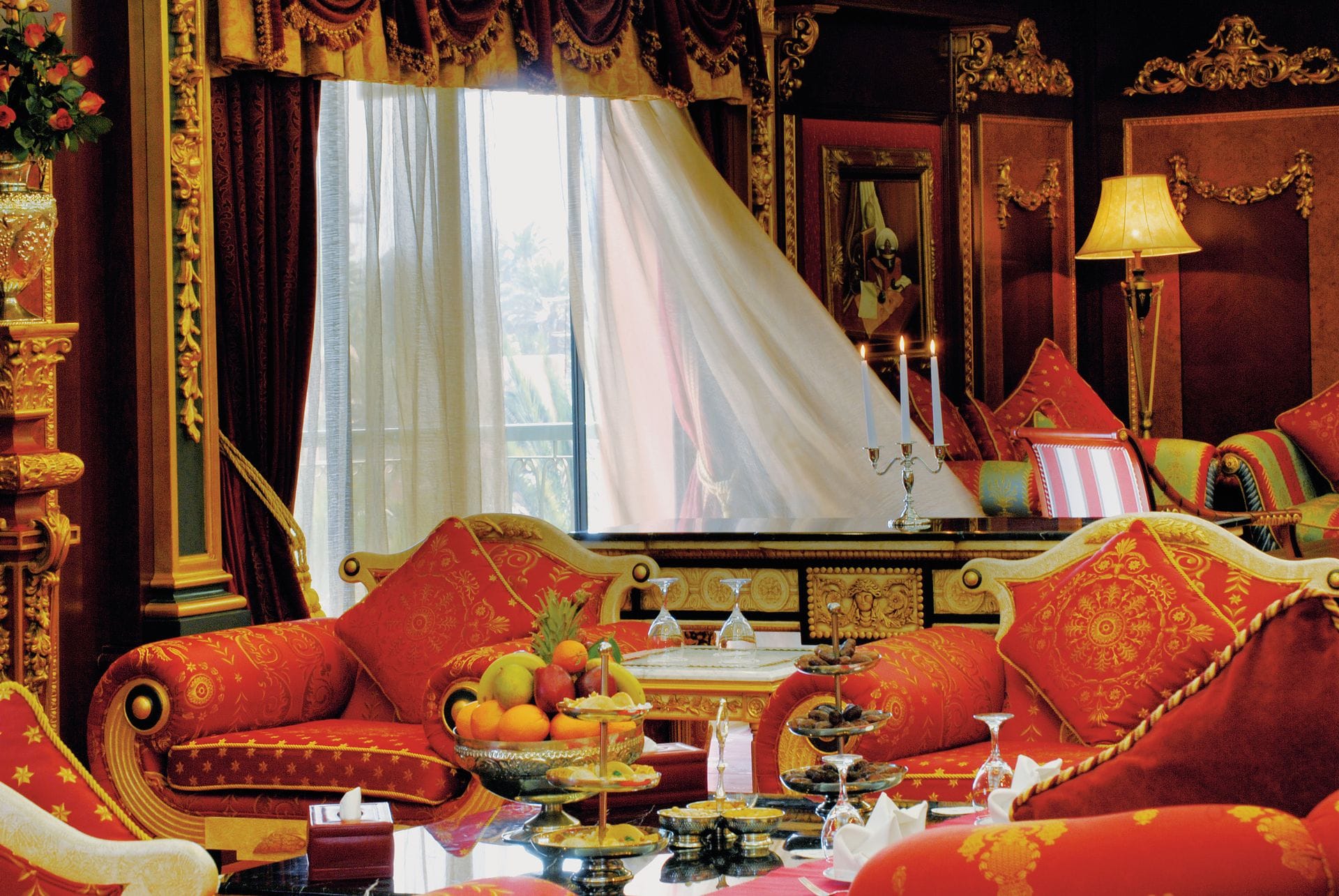
"The Moroccans have a phrase," says the designer Sally Gifford, who has lived in Marrakech for over a decade. "They say, 'A guest is a gift from God.' It is not something they say lightly. In their culture, hospitality is a duty, but also a joy. There is a generosity here that is quite different from what you experience in Europe."
It is a generosity that extends to the table, to the garden, to the way people are received. A recent dinner party at a riad in the medina—hosted by a Moroccan friend, attended by a mix of locals and foreigners—was a testament to this spirit. The food was simple—tagines, salads, fresh fruit—but the atmosphere was extraordinary. Conversation flowed, laughter echoed off the tiled walls, and the evening unfolded with a sense of ease that could not have been manufactured.
The Souks as a Living Archive
The souks of Marrakech are among the city's greatest attractions, but they are not museums. They are living, working spaces where the traditional crafts of Morocco are still produced and traded. Every day, craftsmen sit in their workshops, hammering copper, carving wood, weaving textiles—using techniques that have been passed down for generations.
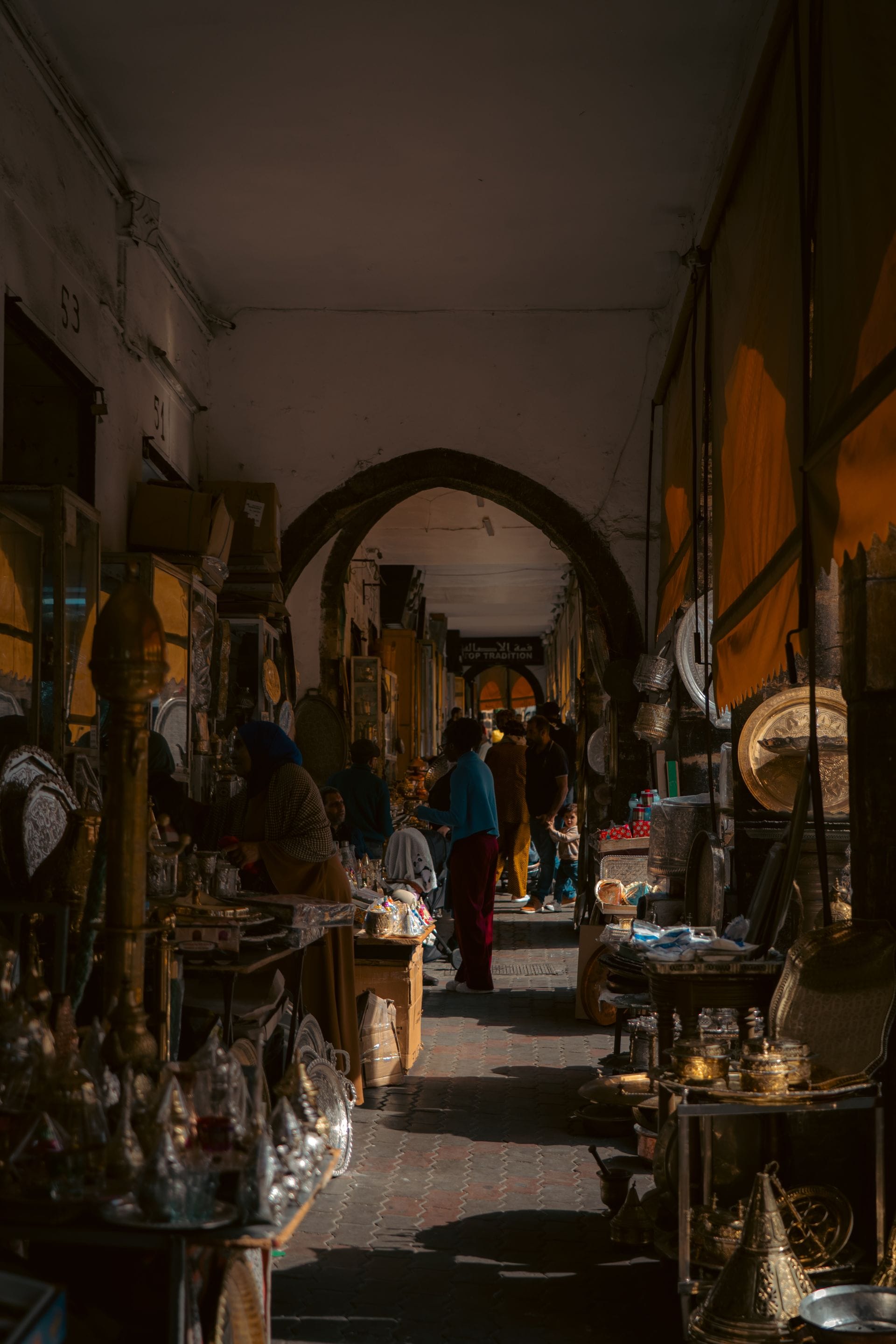
"The souks are the beating heart of the city," says Ahmed, a textile merchant who has worked in the same shop for forty years. "Everything you see here was made by hand, in a village or a workshop not far from the city. That is our heritage, and we are proud of it."
For visitors, the souks are a sensory overload—the colours of the spices, the scent of leather and woodsmoke, the sound of hammering from the metalwork quarter. But they are also a place of connection, where it is still possible to commission a piece of furniture, a carpet, a lamp, and to follow its progress from raw material to finished object.
The Light
Ultimately, what continues to draw people to Marrakech is the light. It is a quality that has been celebrated by painters, photographers and poets for centuries—a clarity that seems to belong to another world.
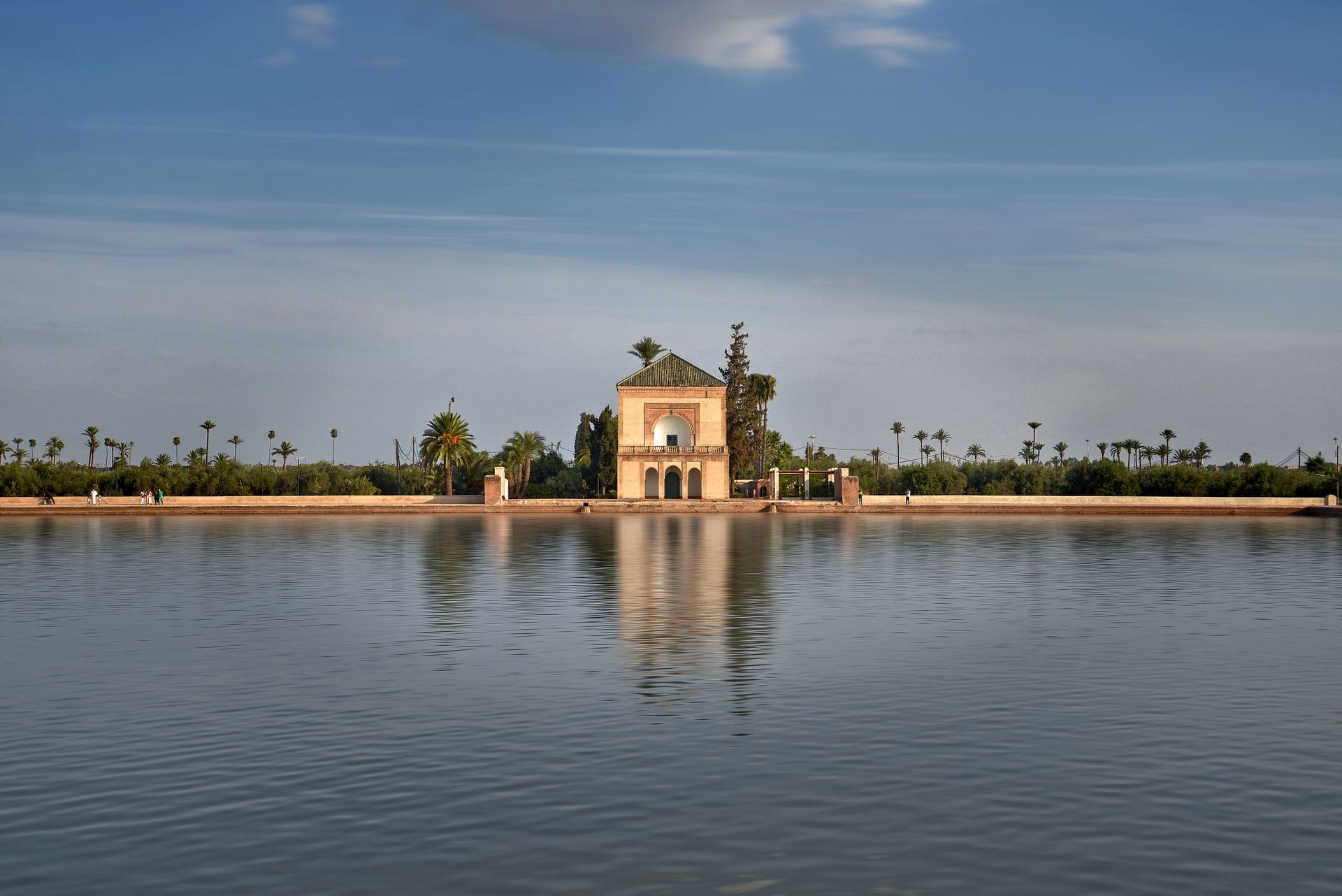
"The light here is unlike anywhere else," says Sally Gifford. "It has a quality that makes colours sing. A bowl of oranges, a pile of spices, a single rose—everything looks more beautiful in this light. It is as if the city itself is a painting, always changing, always surprising."
It is a light that transforms the ordinary into the extraordinary, that makes the mundane feel magical. And it is perhaps that—more than any other quality—that explains the enduring spell of Marrakech.
The Future of the City
Marrakech is not a place that stands still. Tourism has brought prosperity, but it has also brought pressure—on the environment, on the traditional crafts, on the fabric of the city itself. Yet there is a resilience to Marrakech that suggests it will adapt, as it has always done.
"The city has always been a place of exchange," says Patrick Maquin. "People have come here for centuries, bringing ideas, influences, energy. Some have stayed, some have moved on. But the city itself endures. It is a living thing, constantly evolving."
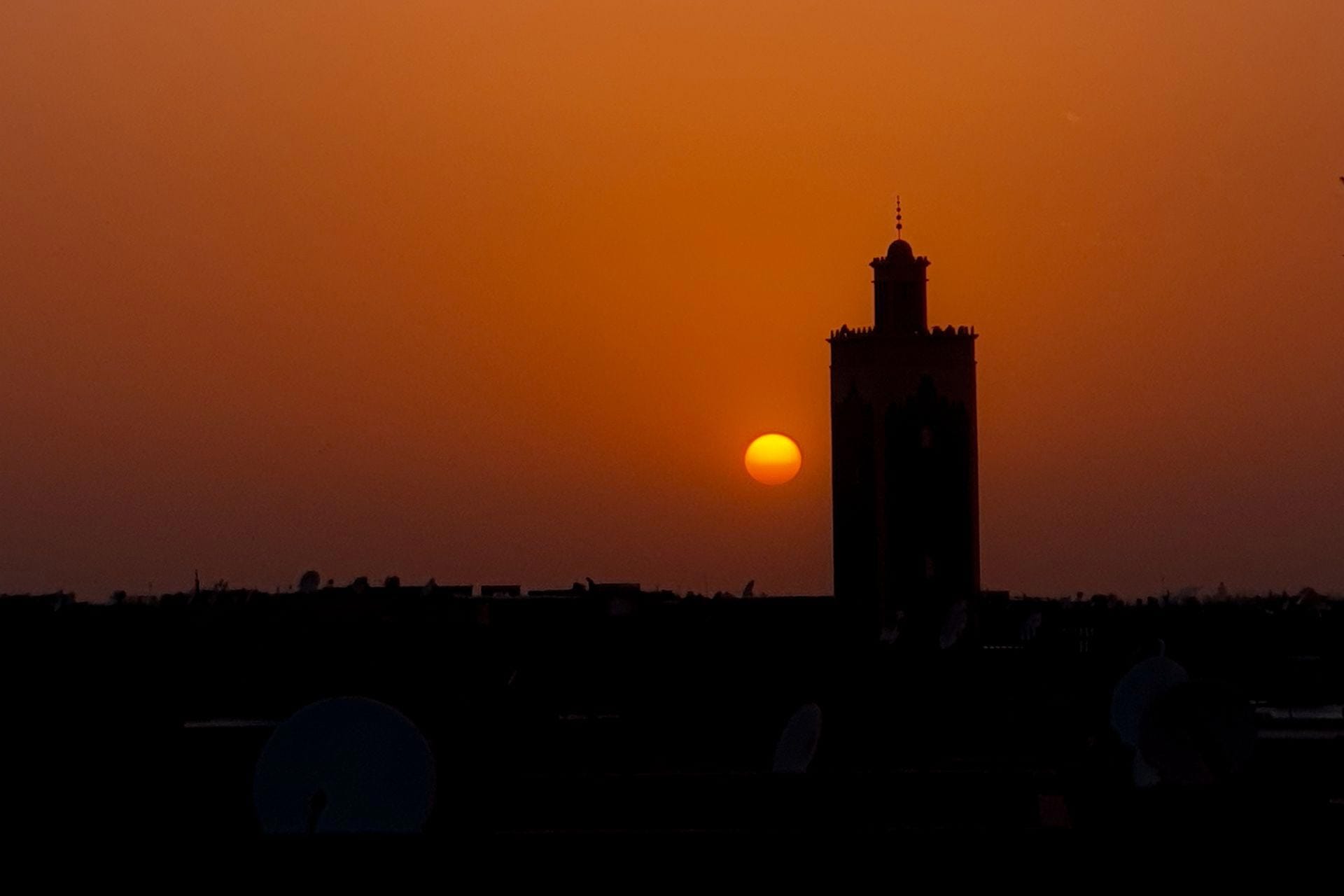
It is that quality—the sense of a city that is at once ancient and contemporary, chaotic and serene—that continues to captivate. Marrakech is not a destination for everyone. It can be demanding, overwhelming, and at times, frustrating. But for those who surrender to its rhythm, it offers something rare: a place of enchantment, a city where the imagination can still roam free.