I have a memory of the first time I saw a play. I was young, too young to understand the plot, too young to appreciate the craft. But I remember the feeling: the hush of the auditorium, the rise of the curtain, the sense that something was about to happen that could not be undone. When the play ended, I felt a strange sense of loss, as though I had been part of something that could never be repeated. The next performance would be different. The same words, but delivered differently. The same stage, but occupied by different bodies. That evening, the experience was unique.
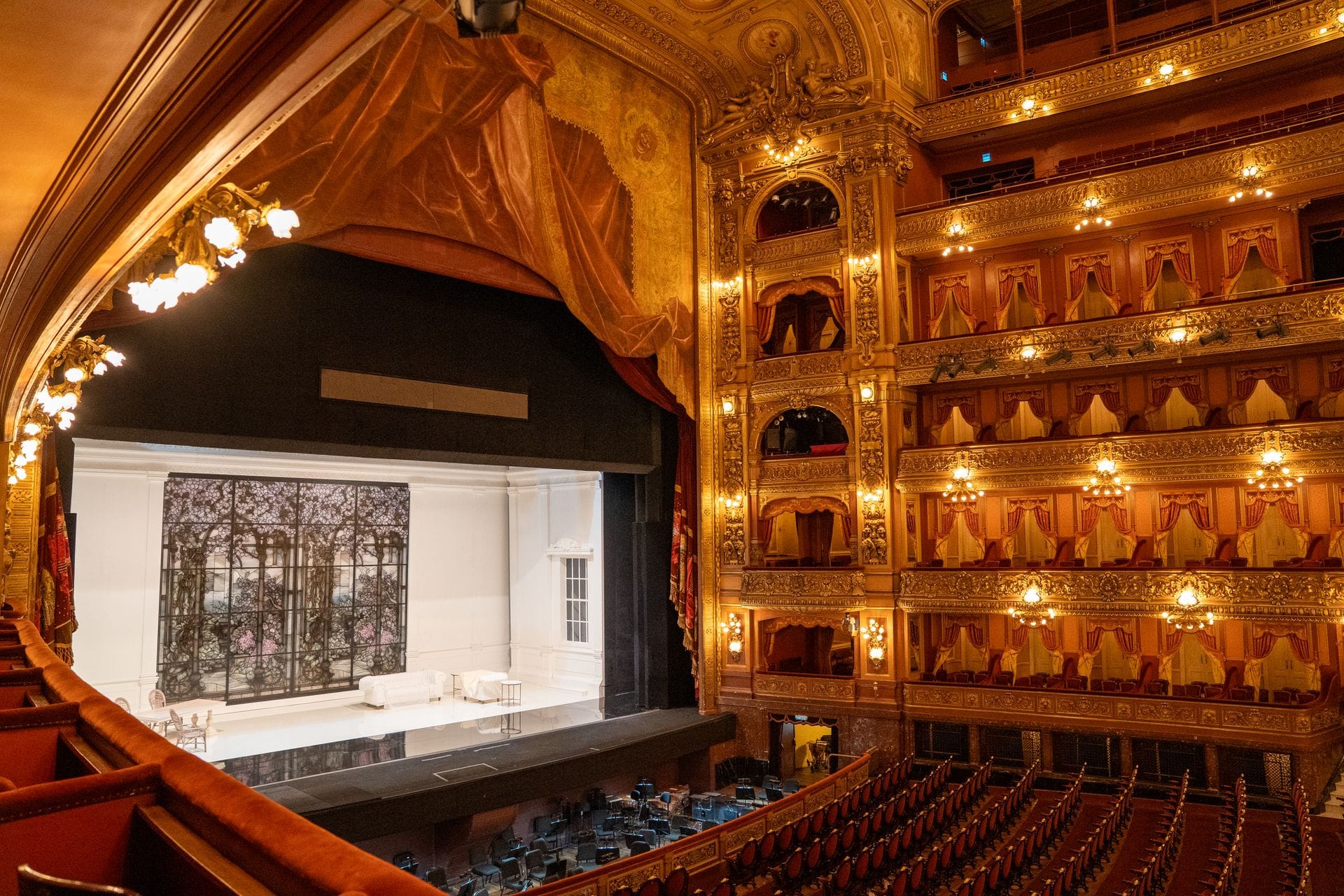
I have been to the theatre many times since. I have seen comedies and tragedies, musicals and experimental works, performances that have moved me to tears and performances that have left me cold. But each time, the experience is different. The live performance is a fragile thing, a moment that exists only in the present, a conversation between the actors and the audience that cannot be replicated. It is the ephemeral quality of theatre that makes it so compelling, the knowledge that what you are witnessing will never happen again.
The Shared Experience
Theatre is also a shared experience. It is a gathering of strangers in a darkened room, a moment of collective attention, a space where the usual boundaries of the self are suspended. In the theatre, we are all part of the same thing, a temporary community that exists for the duration of the performance. The shared experience of theatre is a rare thing in a world that is increasingly individualistic and disconnected. The audience is not just a group of individuals. It is a collective, a temporary community that is shaped by the performance.
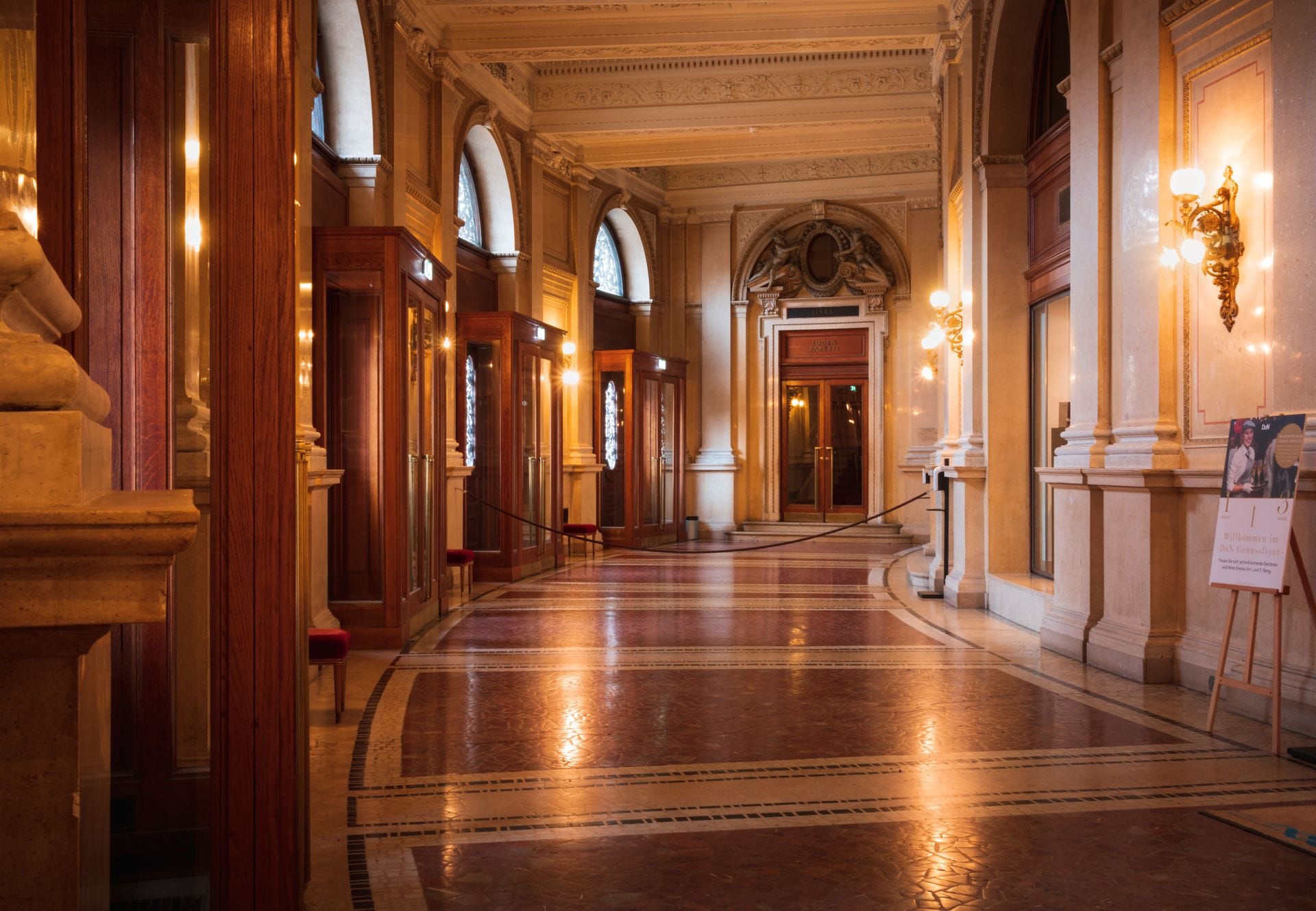
I have felt this more strongly in theatre than in any other form of art. The laughter of a shared joke, the silence of a tense moment, the collective release of a cathartic ending. These are experiences that are not private but shared, experiences that connect us to the people around us in a way that is difficult to replicate elsewhere. The shared experience of theatre is a gift, a reminder that we are not alone.
The Craft of the Actor
Theatre is also a celebration of craft. The actor on stage is not just performing a role. They are engaging in a practice that has been refined over centuries, a tradition of storytelling that predates the written word. The actor's craft is not about imitation but about presence, about the willingness to be fully present in the moment, to respond to the audience, to the other actors, to the conditions of the stage. A good actor is one who is open, who is willing to be affected, who is present enough to allow the performance to happen in the moment rather than being a fixed interpretation.
The Set as a World
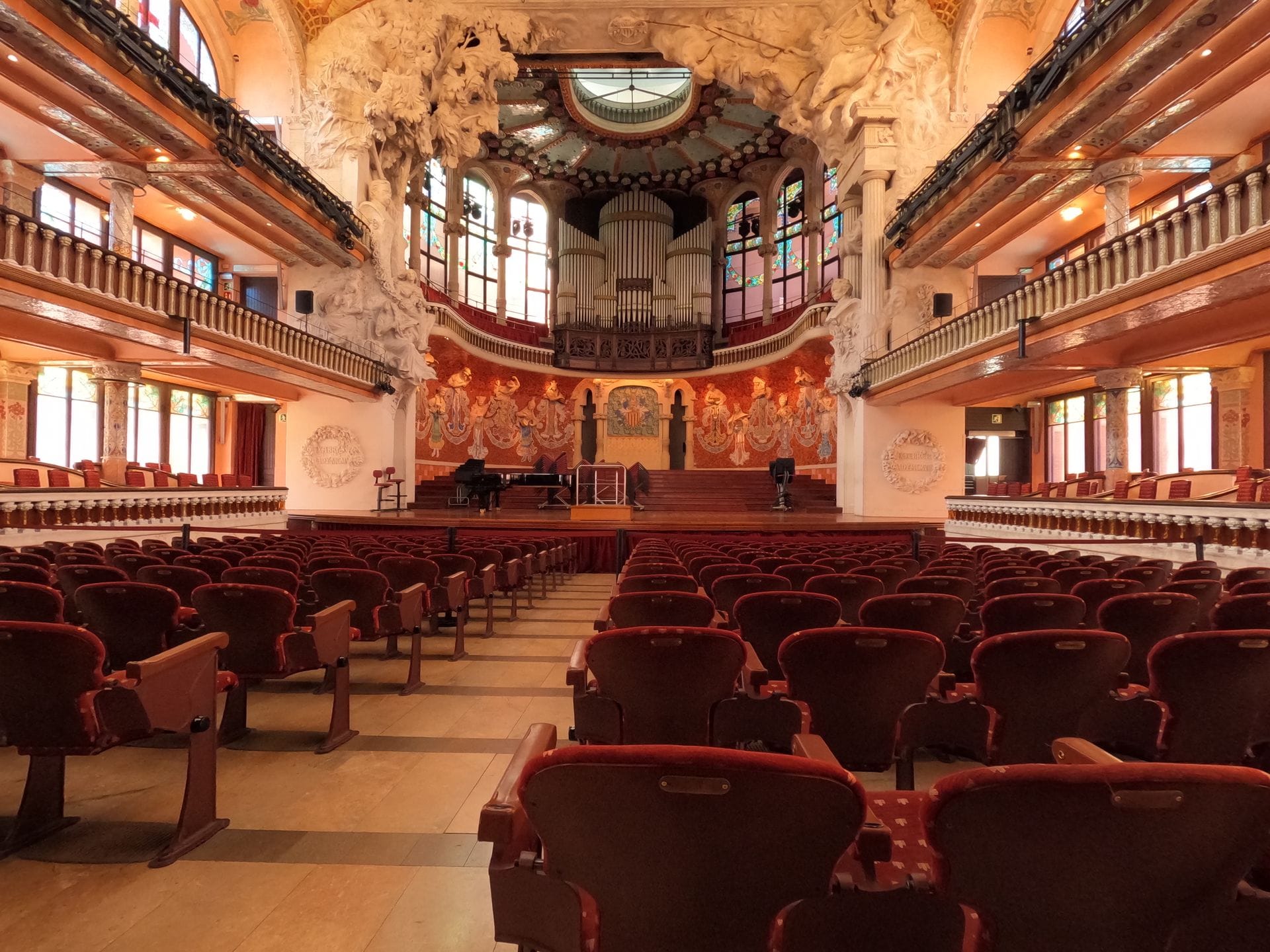
The set of a play is also a world. It is a space that is created, a space that exists only for the duration of the performance. The set is not just a background. It is a space that is alive, that shapes the action, that contributes to the meaning of the play. The lights, the objects, the furniture—these are not incidental. They are part of the language of the theatre, a way of telling the story without words.
The Value of Discomfort
Theatre is not always comfortable. It can be challenging, unsettling, difficult. A play that makes you uncomfortable is a play that asks you to think. The discomfort is not a failure. It is an invitation, a way of engaging with the material in a deeper way. The theatre should not be a passive experience. It should be an active engagement, a willingness to be affected.
A Performance You Will Never See Again
When the curtain falls, the performance is gone. It exists only in the memory of the audience, in the record of the critic, in the fading imprint of the moment. But the loss is not a loss.
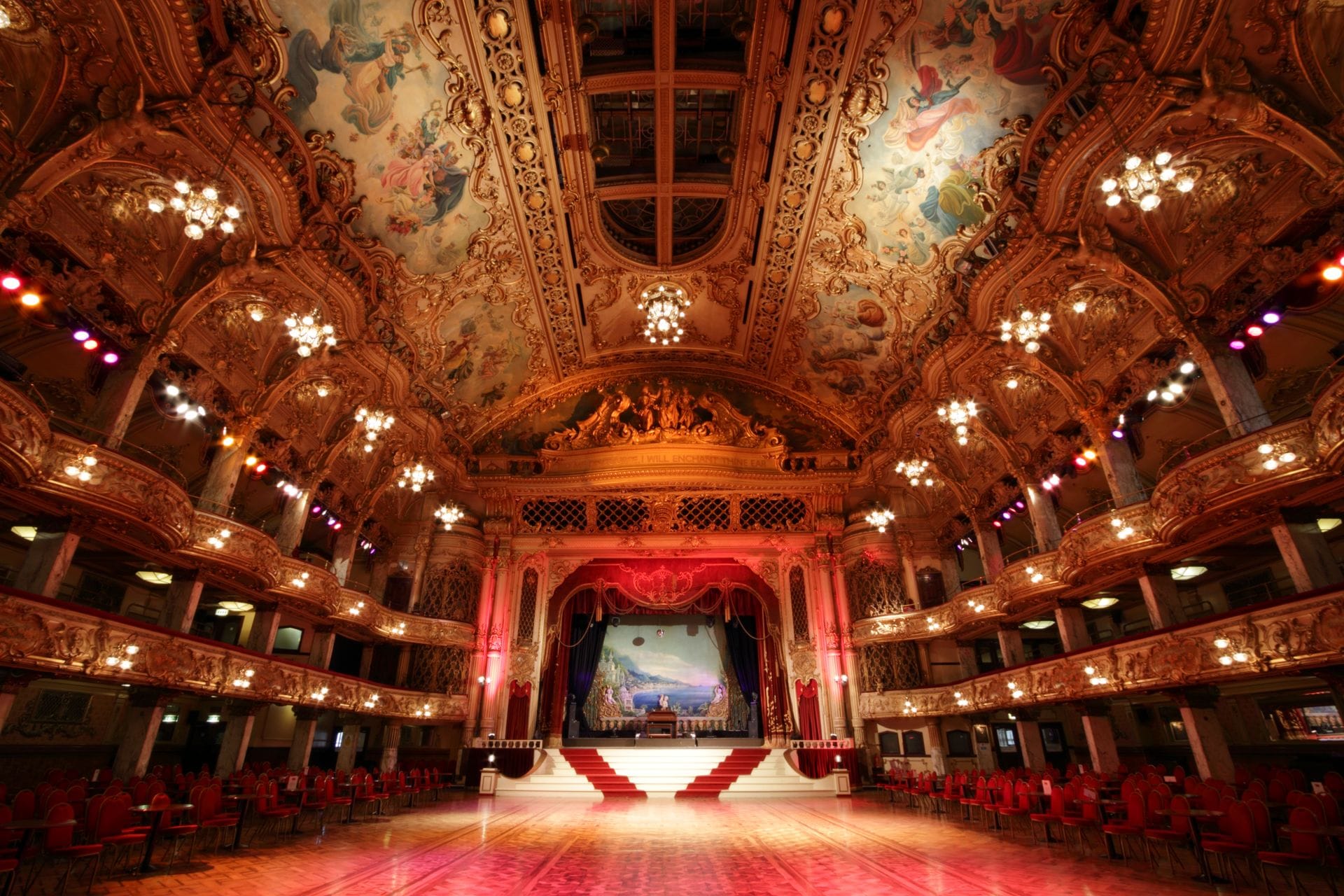
It is a quality, a reminder that the theatre is not a product but an event. It is a performance you will never see again, a moment that cannot be repeated. The ephemeral quality of theatre is a reminder of the value of the present, of the necessity of paying attention.
The Stage as a Space of Possibility
The stage is a space of possibility. It is a space where the ordinary can be transformed, where the limits of the real can be suspended, where the imagination can be given free rein. A stage is a space where something can happen that is not planned. And that is a gift, a reminder that the theatre is not a product but a process, a space where the unexpected can still occur. It is the space where the present still exists, where the audience and the performers are still connected in a moment of shared attention. And that is a gift that no screen can replace.