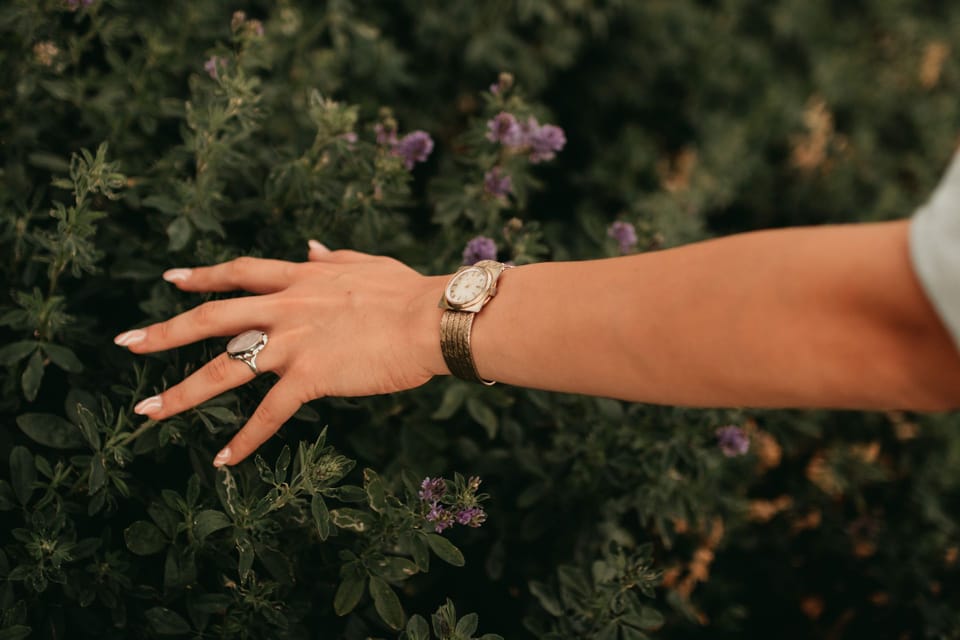
There is a particular quality to a mechanical watch that cannot be replicated by a digital device. It is not just the craftsmanship, the precision of the movement, the beauty of the dial. It is the relationship you develop with it over time, the daily ritual of winding, the quiet attention it demands. A mechanical watch is not a tool. It is a companion, a presence on your wrist that reminds you that time is not just measured but felt.
I have always believed that the most meaningful objects are the ones that ask for our attention. A watch that requires winding is an object that expects to be touched, to be attended to, to be part of your daily rhythm. It is a reminder that time is not something to be managed but something to be lived.
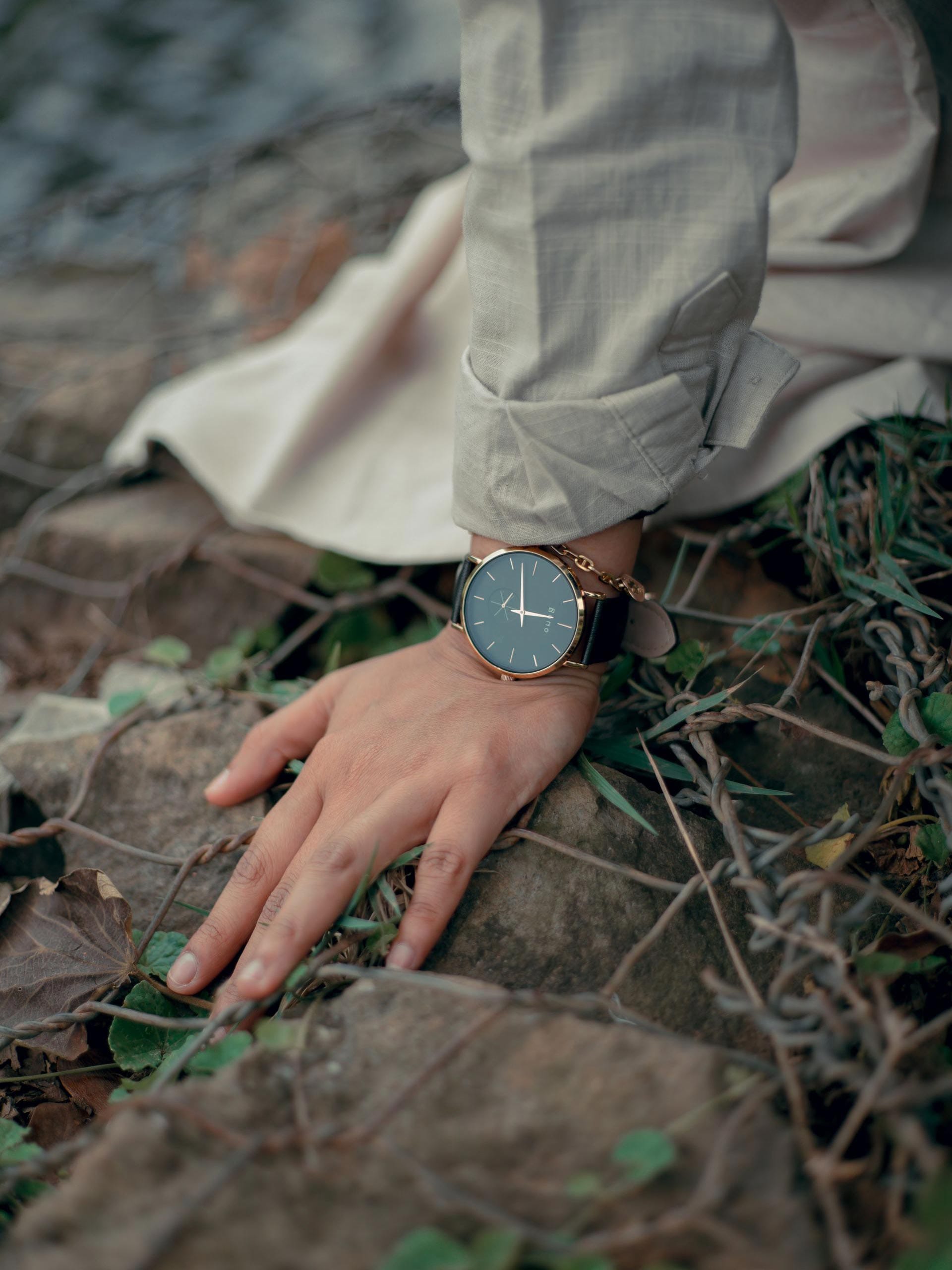
I spoke to a watchmaker whose work is defined by a commitment to traditional craftsmanship. He told me that the mechanical watch is a form of resistance against the relentless speed of modern life. In a world that demands instant results, the watch offers something different: a slow, deliberate process of making.
The watchmaker's work is one of patience. It takes hours to assemble a movement, to adjust the balance wheel, to regulate the escapement. There are no shortcuts. The process is the craft.
The Art of the Movement
The heart of a mechanical watch is its movement, a miniature engine of gears, springs and jewels that transforms the energy of winding into the motion of hands across a dial. The movement is not just a mechanism. It is a work of engineering, a symphony of small parts that must work in perfect harmony.
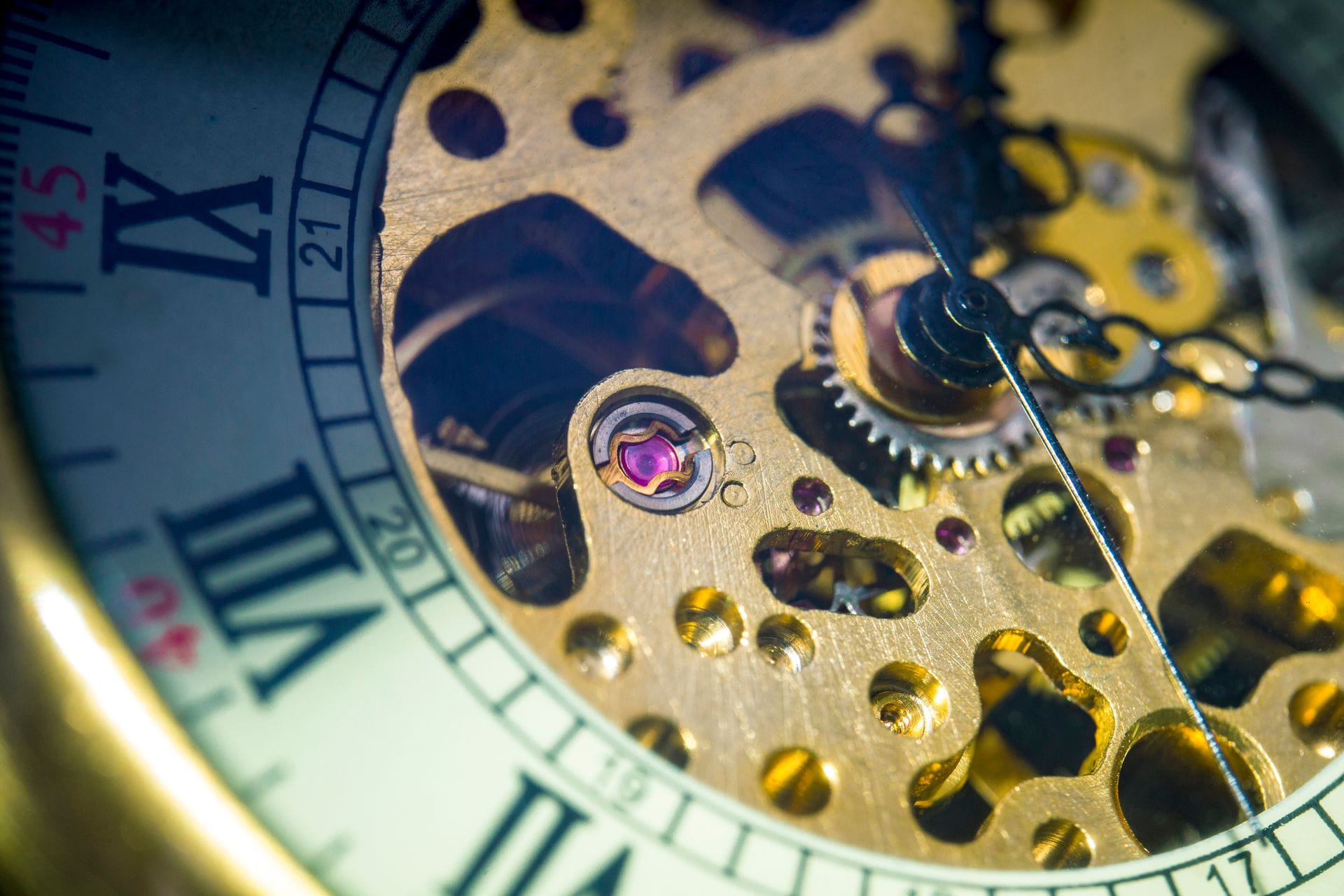
I visited a workshop where movements are assembled by hand. The watchmaker, a man who has spent forty years at his bench, showed me the components of a simple movement. The balance wheel oscillates at a precise frequency, the escapement releases the power in controlled bursts, the gears translate that power into the motion of the hands. It is a system of extraordinary complexity, yet it operates silently, invisibly, without any need for external power.
The precision required is remarkable. A balance wheel must oscillate at exactly the right frequency. A gear must mesh with perfect alignment. A spring must release its energy without variation. A fraction of a millimetre can make the difference between a watch that keeps time and one that does not.
The Meaning of a Watch
A watch is not just an object. It is a marker of time, a keeper of memories, a witness to the moments that shape a life. The watch you wear when you start a new job, the watch you wear on your wedding day, the watch you inherit from a parent or a grandparent. Each watch carries the weight of its history.
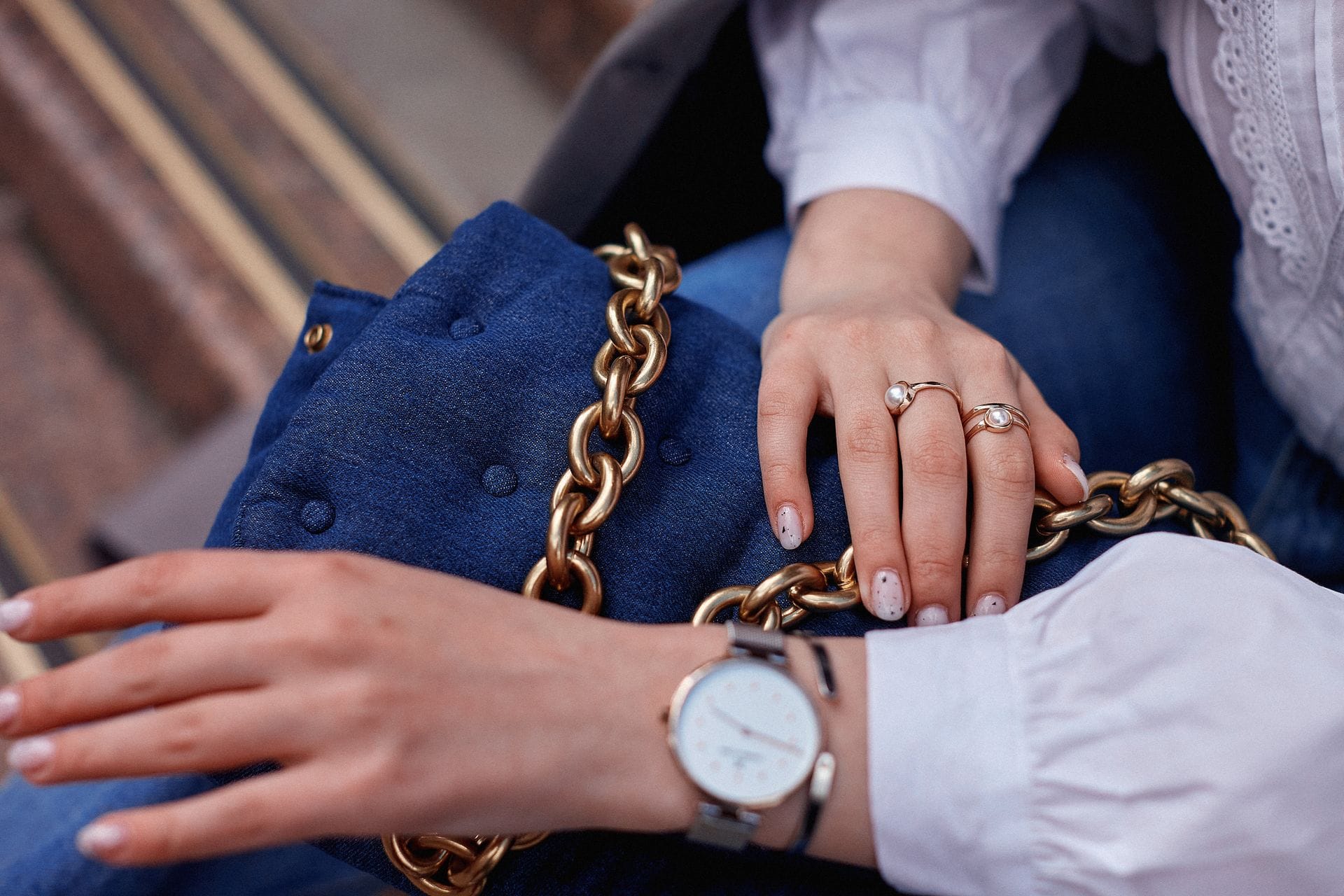
I spoke to a collector who has been acquiring watches for over three decades. He told me that each watch in his collection has a story, a reason for being chosen, a particular moment that it represents. He showed me a watch that he had bought to commemorate the birth of his first child. It was not an expensive watch, not a rare watch, but it was meaningful to him.
The value of a watch is not determined by its price. It is determined by its significance. A watch that has been worn by someone you love, that has been present at moments that matter, is worth more than any luxury piece that has no history.
The Ritual of Winding
There is a particular pleasure in winding a watch each morning. It is a small ritual, a moment of quiet attention, a reminder that time is something to be attended to, not just measured. The winding of a watch is a connection to a tradition that stretches back centuries, a link to the generations who have performed the same act, day after day.
I spoke to a watchmaker who emphasised the importance of this ritual. He said that the act of winding is a form of care, a way of acknowledging that the watch is not just a machine but a relationship, a responsibility. The daily winding ensures the watch remains alive, that it continues to mark time with precision.
The act of winding is also a connection to the past. It is the same action performed by watch owners for centuries, a tradition that transcends technology and fashion.
The Case as a Canvas
The case of a watch is also a work of art. The choice of metal, the shape of the case, the design of the dial, the hands, the markers. Every element is considered, each contributing to the character of the watch.
I visited a workshop where cases are made by hand. The craftsman showed me the process of shaping metal, of polishing it to a mirror finish, of applying the finishing touches that give the watch its distinctive character. He spoke of the importance of the case as the first thing you notice about a watch, the element that frames the dial and defines the experience of wearing it.
A well-designed case is one that is balanced, that sits comfortably on the wrist, that frames the dial without distracting from it. The case is the first thing you notice about a watch, and its design sets the tone for how the watch is experienced.
The Value of Time
In a world that values speed above all else, the mechanical watch offers a different perspective on time. It is not about efficiency, not about tracking every second, not about connecting to the digital world. It is about being present, about allowing time to pass without the constant pressure to do more.
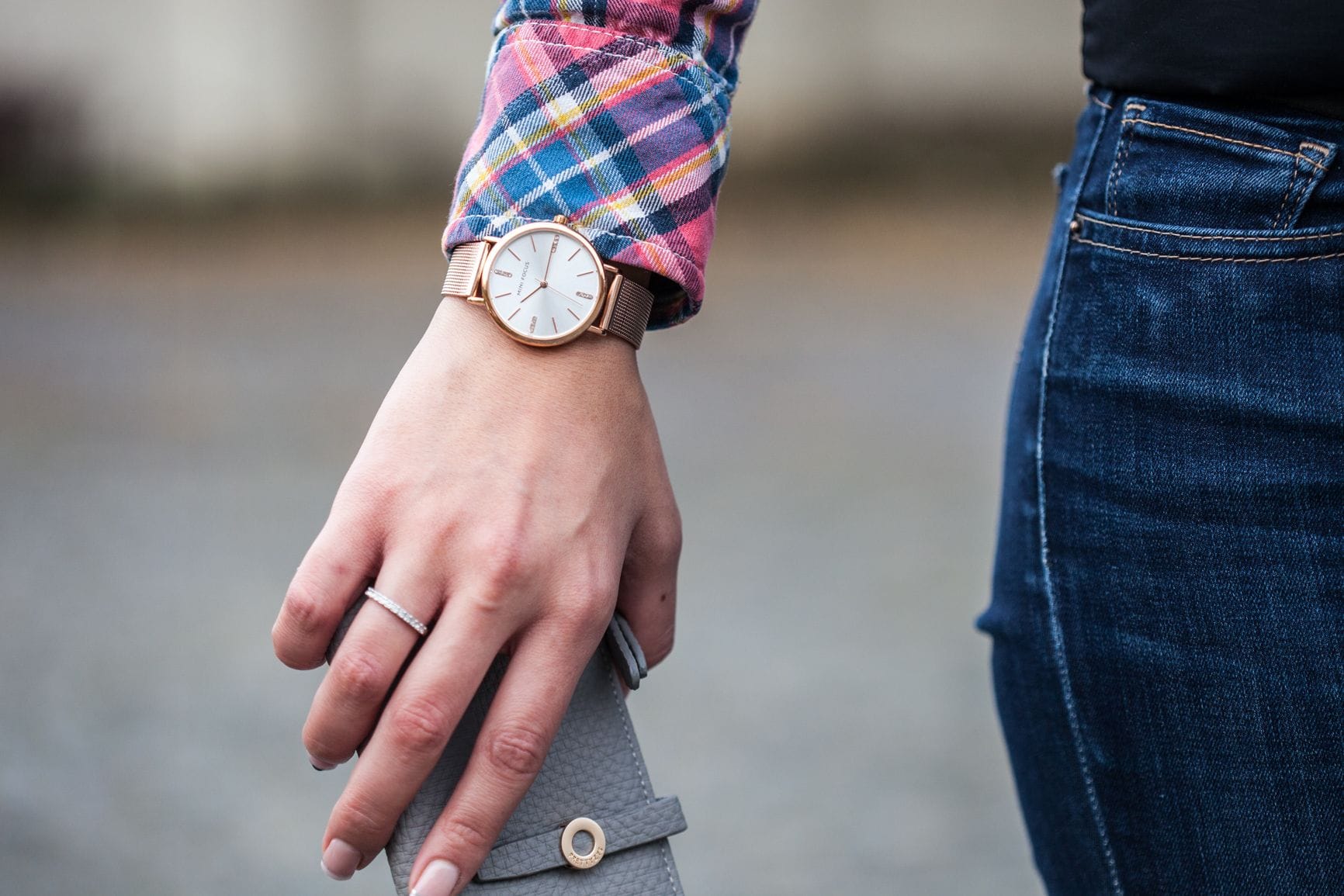
The mechanical watch is a reminder that time is not a resource to be managed. It is a dimension to be experienced. The watch on your wrist does not need to be charged, does not need to connect to your phone, does not need to be updated. It simply needs to be worn, to be attended to, to be allowed to do what it was designed to do.
A Quiet Authority
The mechanical watch has endured for centuries, surviving the introduction of the quartz movement, the rise of the digital watch, the proliferation of smartwatches. Its survival is not a matter of nostalgia but of value. It offers something that no digital device can replicate: a connection to tradition, to craftsmanship, to the simple pleasure of time measured without urgency.
The most meaningful watches are the ones that have been worn, that carry the marks of time, that have been present for the moments that shape a life. They are not objects to be displayed. They are objects to be lived with, to be worn, to be passed on. The authority of a good watch is quiet, understated, earned through the years it spends on the wrist, through the attention its owner pays to it. It is not a statement of wealth but of values—a preference for permanence over novelty, for craft over convenience, for the poetry of a mechanical heartbeat over the cold efficiency of a digital signal.