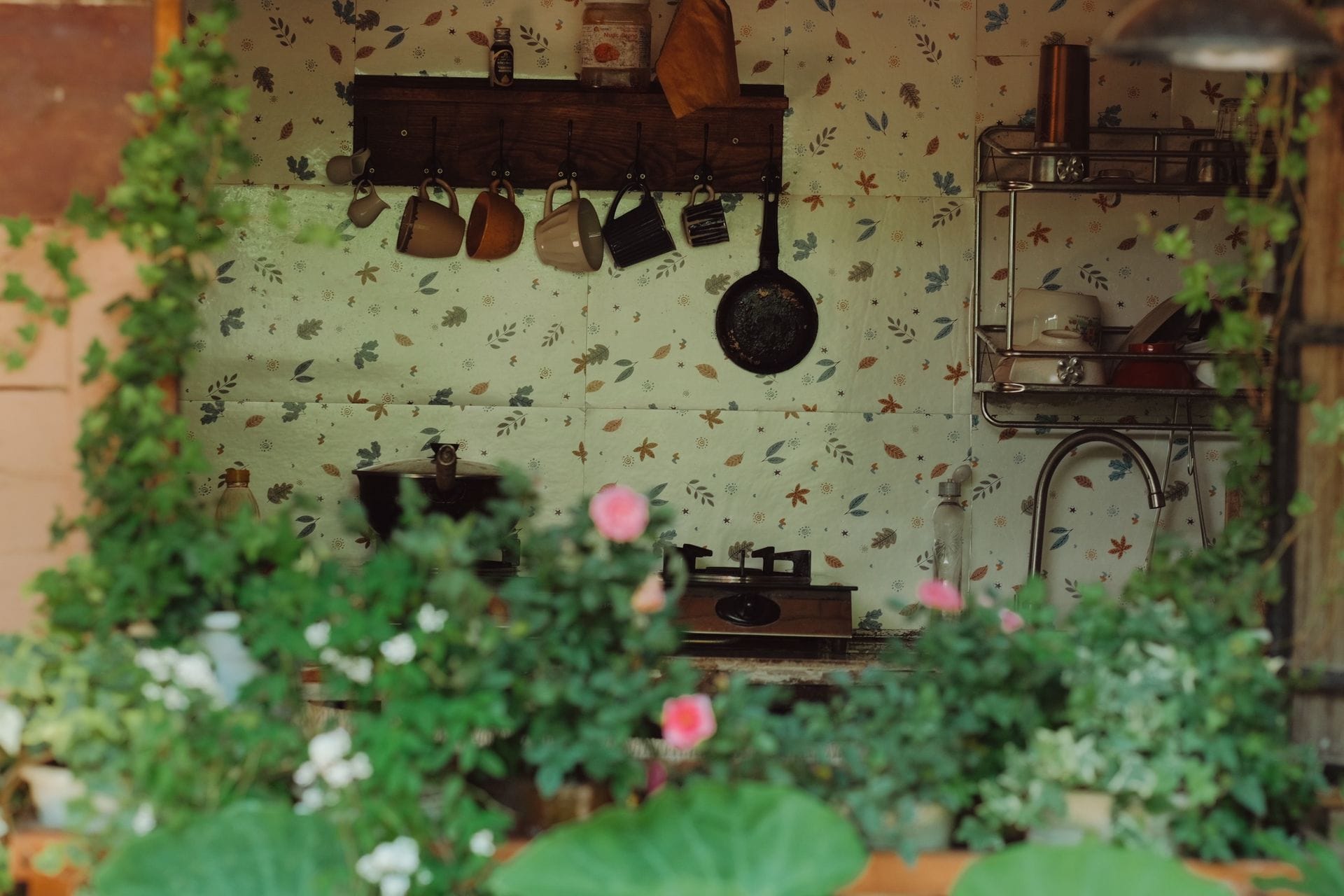
I used to cook without paying much attention to the seasons. I would buy whatever was available, regardless of where it came from or when it had been picked. Tomatoes in December, asparagus in October, strawberries in the middle of winter. They were available, so I bought them. They tasted of nothing.
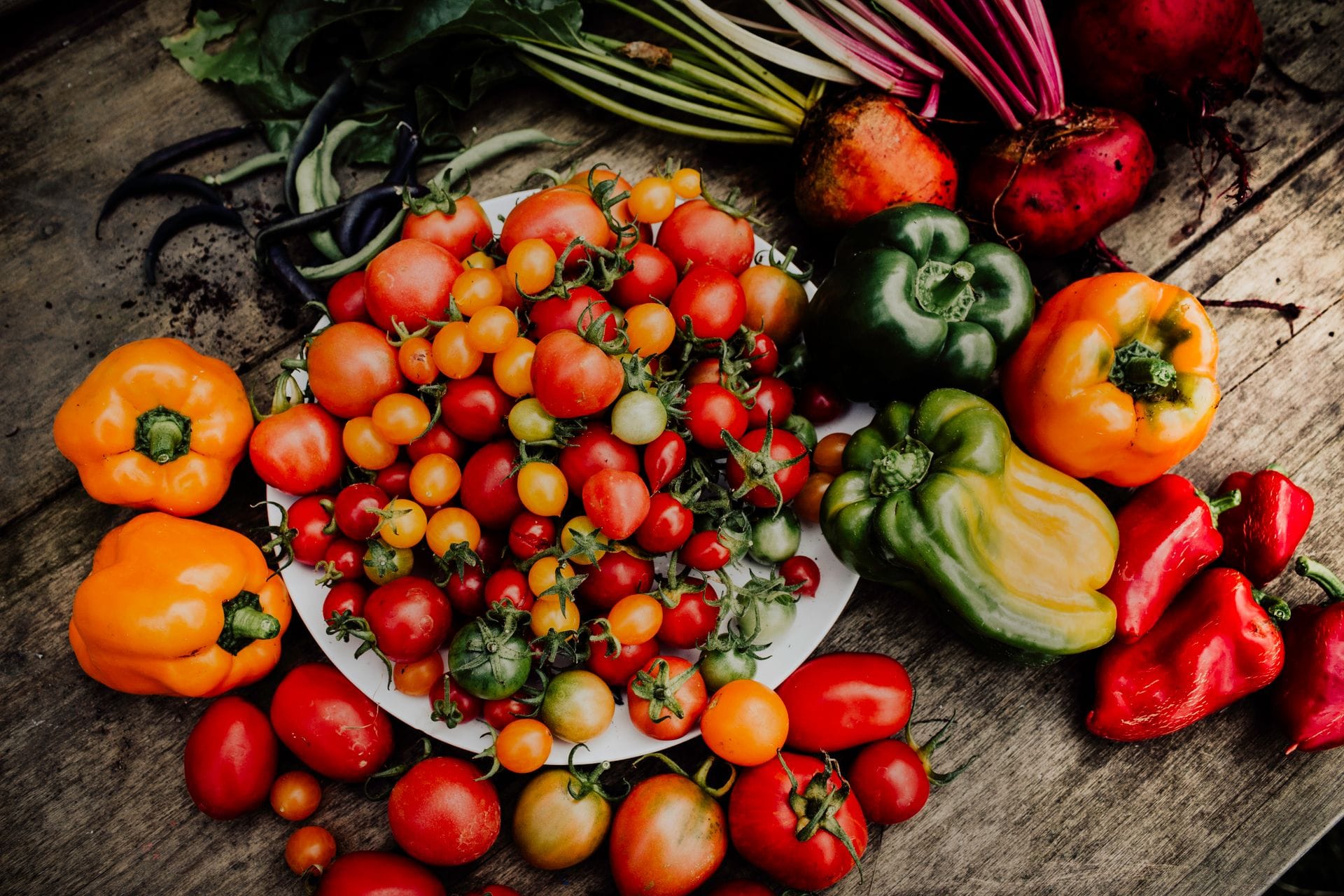
It was only when I started growing vegetables that I began to understand what I had been missing. The first tomatoes from the garden, warm from the sun, tasting of summer. The first asparagus, tender and sweet. The first beans, crisp and fresh. These were not just vegetables. They were markers of the year, reminders that the seasons were turning, that time was passing.
That experience changed the way I cook. I no longer buy tomatoes in winter. I no longer buy asparagus in autumn. I wait. I wait for the season to arrive, for the produce to be at its best, for the flavour to be worth the wait. And the waiting makes it sweeter.
The Taste of the Season
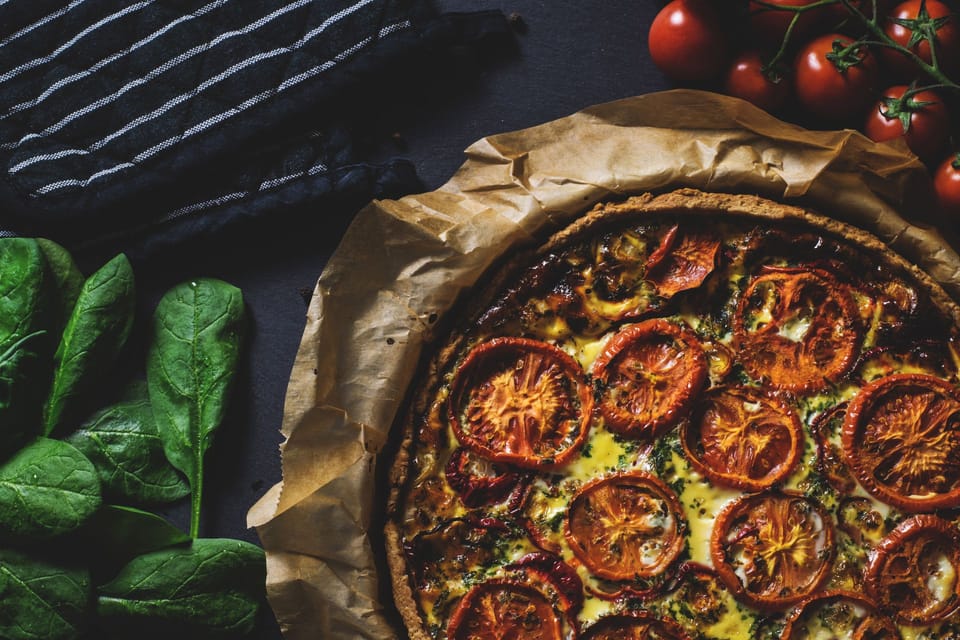
A tomato in July is not the same as a tomato in December. A tomato that has been grown in the sun, picked at its peak, eaten within hours, is a completely different food. It is sweet, juicy, full of flavour. A tomato that has been grown in a heated greenhouse, picked before it is ripe, transported across the world, is a shadow of itself. It has no flavour, only texture.
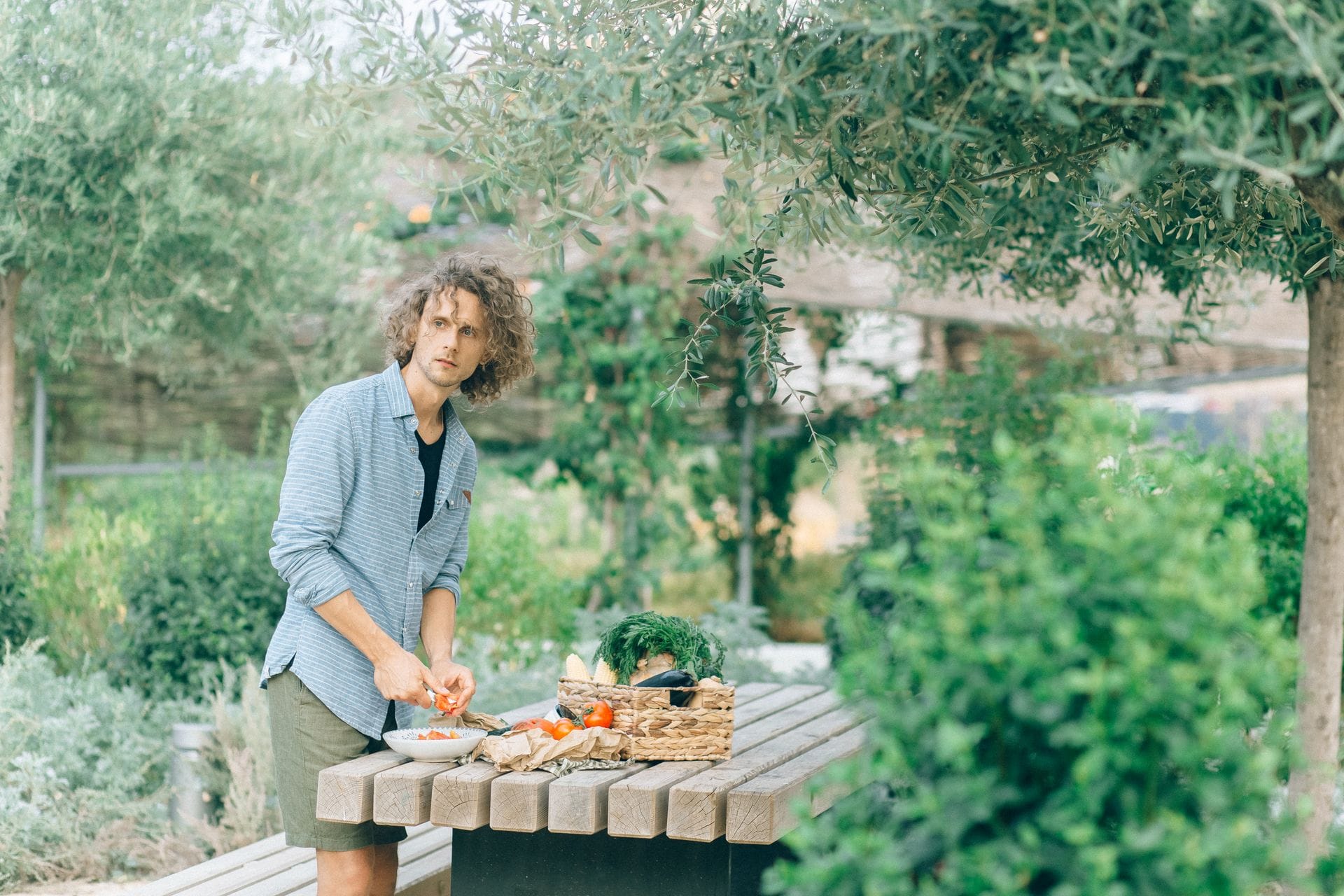
The same is true of asparagus, of strawberries, of beans, of peas. The flavour is not just about the variety. It is about the conditions. The sun, the soil, the water, the timing. A vegetable that has been grown in season, in the place where it belongs, tastes of something. A vegetable that has been forced, shipped, stored, tastes of nothing.
I spoke to a gardener who has been growing vegetables for over forty years. He told me that the flavour of a vegetable is the taste of the soil. A carrot grown in good soil is sweet and earthy. A carrot grown in poor soil is bland and woody. The flavour is not separate from the soil. It is the soil, expressed through the plant.
The Rhythm of the Year
Cooking with the seasons brings a rhythm to the year. The first asparagus of spring is a celebration, the first tomatoes of summer is a feast, the first pumpkins of autumn a comfort, the first citrus of winter a joy. Each season has its own produce, its own flavours, its own pleasures.
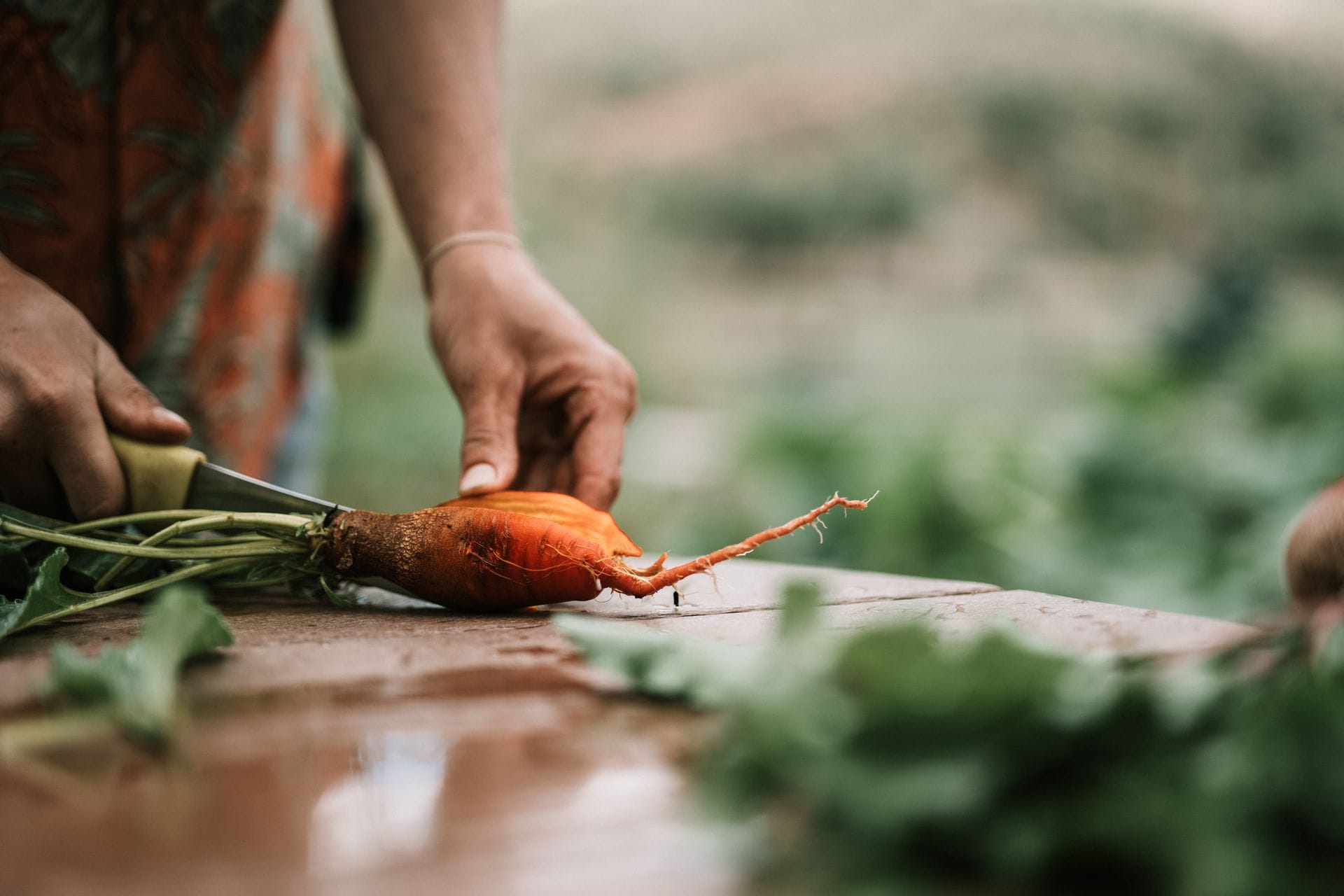
I have begun to mark the year by the produce that arrives. The first asparagus in April, the first broad beans in May, the first tomatoes in July. I look forward to each arrival, savour each new season, allow each one to bring its own flavour. It is not just about cooking. It is about living in the rhythm of the year.
The gardener I spoke to said that cooking with the seasons is also a form of sustainability. When you eat what is in season, you are eating food that has been grown locally, food that has not been transported across the world, food that has not been forced. It is a way of eating that is better for the planet and better for you.
The Pleasure of Waiting
Cooking with the seasons also involves waiting. Waiting for the first tomatoes to ripen. Waiting for the first asparagus to emerge. The waiting is not a denial. It is an anticipation, a way of being present with the year, of allowing each season to arrive in its own time. The waiting makes the arrival sweeter.
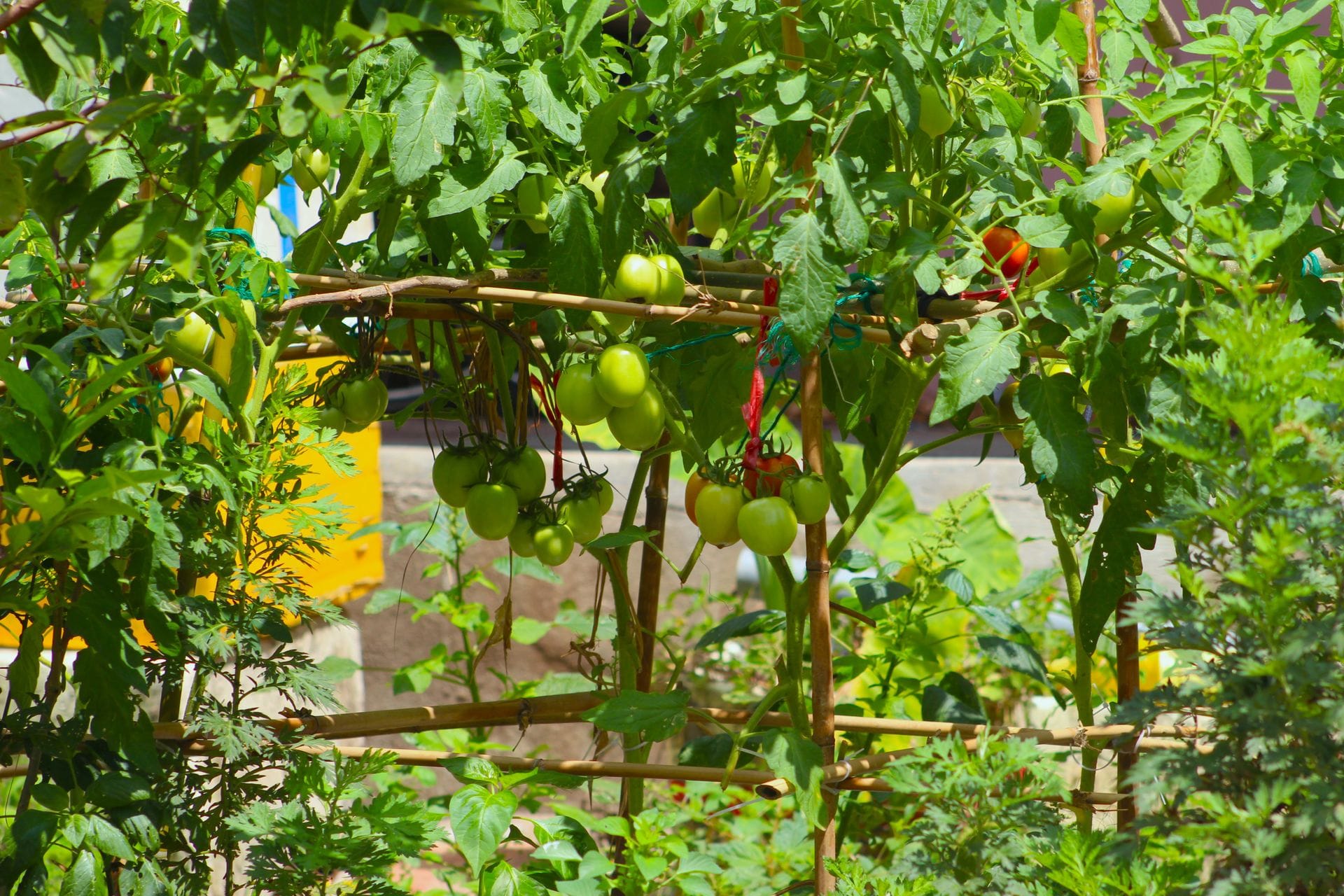
I have learned to wait for the first asparagus. I do not buy imported asparagus in February. I wait for the local asparagus, the one that emerges from the soil in April, tender and sweet. When it arrives, it is a celebration. The waiting has made it more meaningful.
The Connection to the Garden
Cooking with the seasons also connects you to the garden. When you cook with what you have grown, you are not just cooking. You are participating in a cycle. The seed, the soil, the sun, the water, the plant, the harvest, the meal. It is a process that is both practical and profound.
I find that cooking with what I have grown brings a deeper satisfaction. I have participated in the process from beginning to end. The vegetables I am cooking have been shaped by my hands, by the attention I have given them. It is a different kind of cooking, a cooking that is rooted in care.
A Kitchen Connected to the Garden
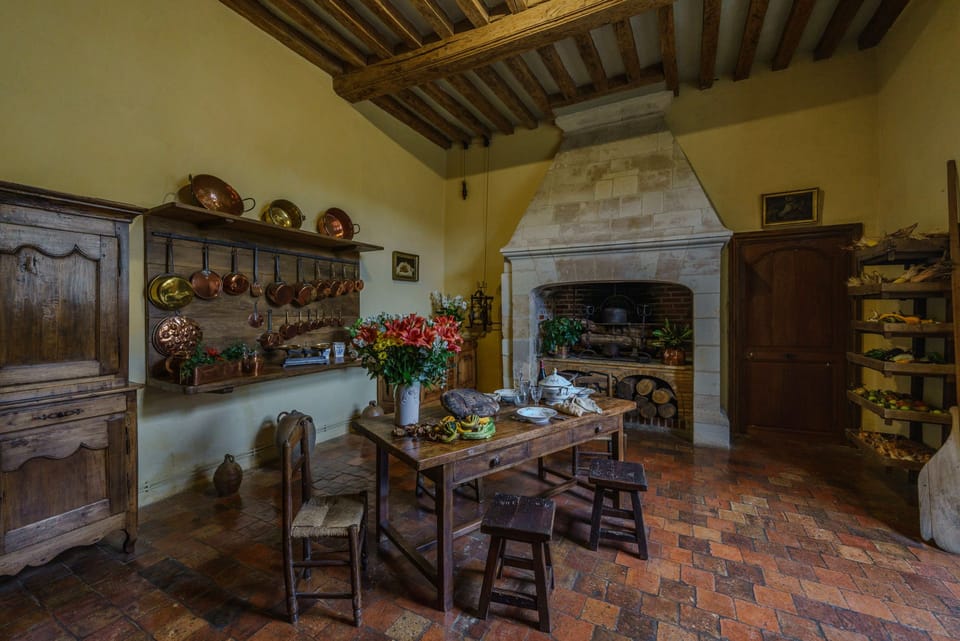
The most satisfying kitchens are the ones that are connected to the garden. A pot of herbs on the windowsill, a bowl of tomatoes on the counter, a basket of vegetables on the table. These are not just ingredients. They are connections to the earth, to the seasons, to the process of growing. A kitchen that is connected to the garden is a kitchen that is alive.
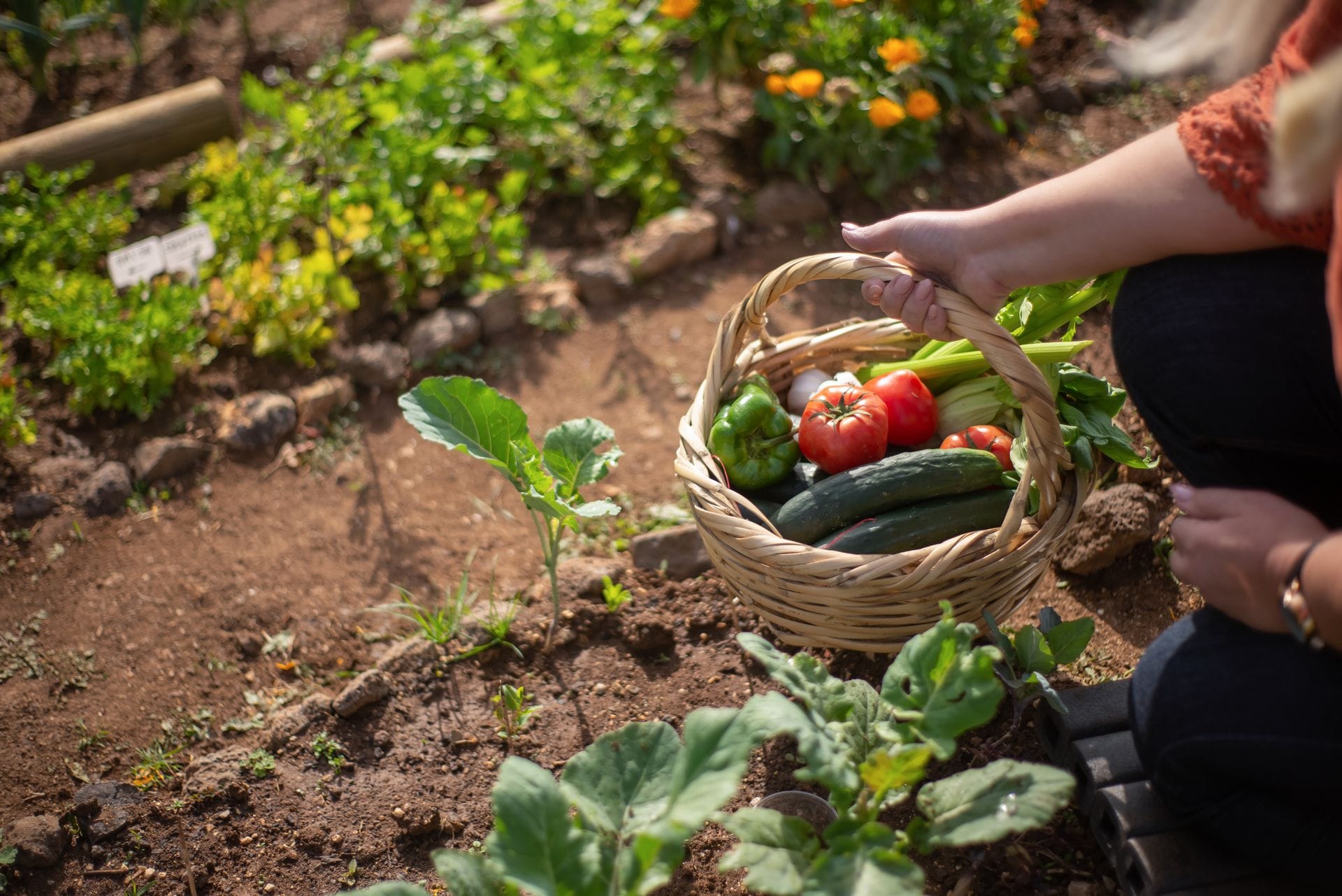
I have a pot of rosemary on my windowsill. I use it in cooking, but I also just look at it. It is a reminder that the garden is still there, even in winter. The rosemary survives the frost, holds its scent. It is a small connection to the earth, a reminder that the seasons will turn, that the garden will return.
The Joy of Simple Cooking
Cooking with the seasons is also a form of simplicity. A tomato from the garden does not need to be transformed. It needs to be sliced, salted, eaten. A bean does not need to be complicated. It needs to be boiled, buttered, eaten. The flavour is already there. The cooking is simply a way of revealing it.
I have learned to cook more simply. I do not need to add many ingredients. The flavour is already there. The cooking is not about transforming but about revealing.