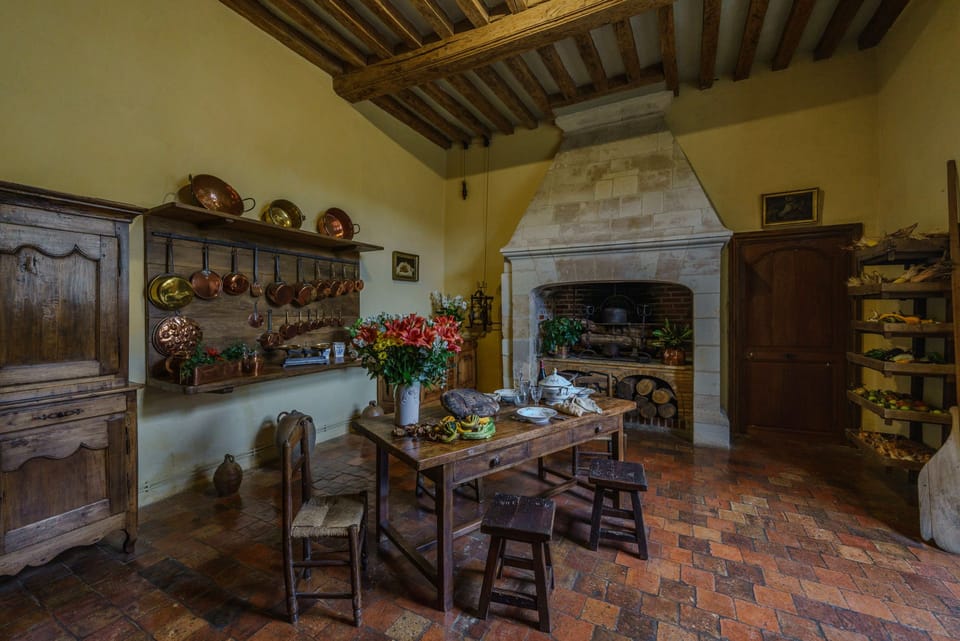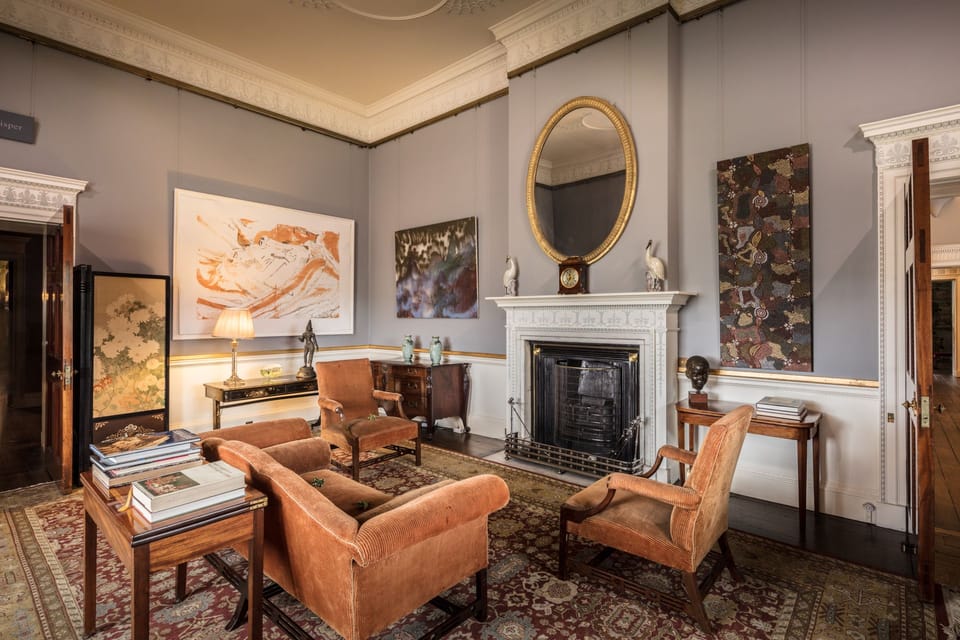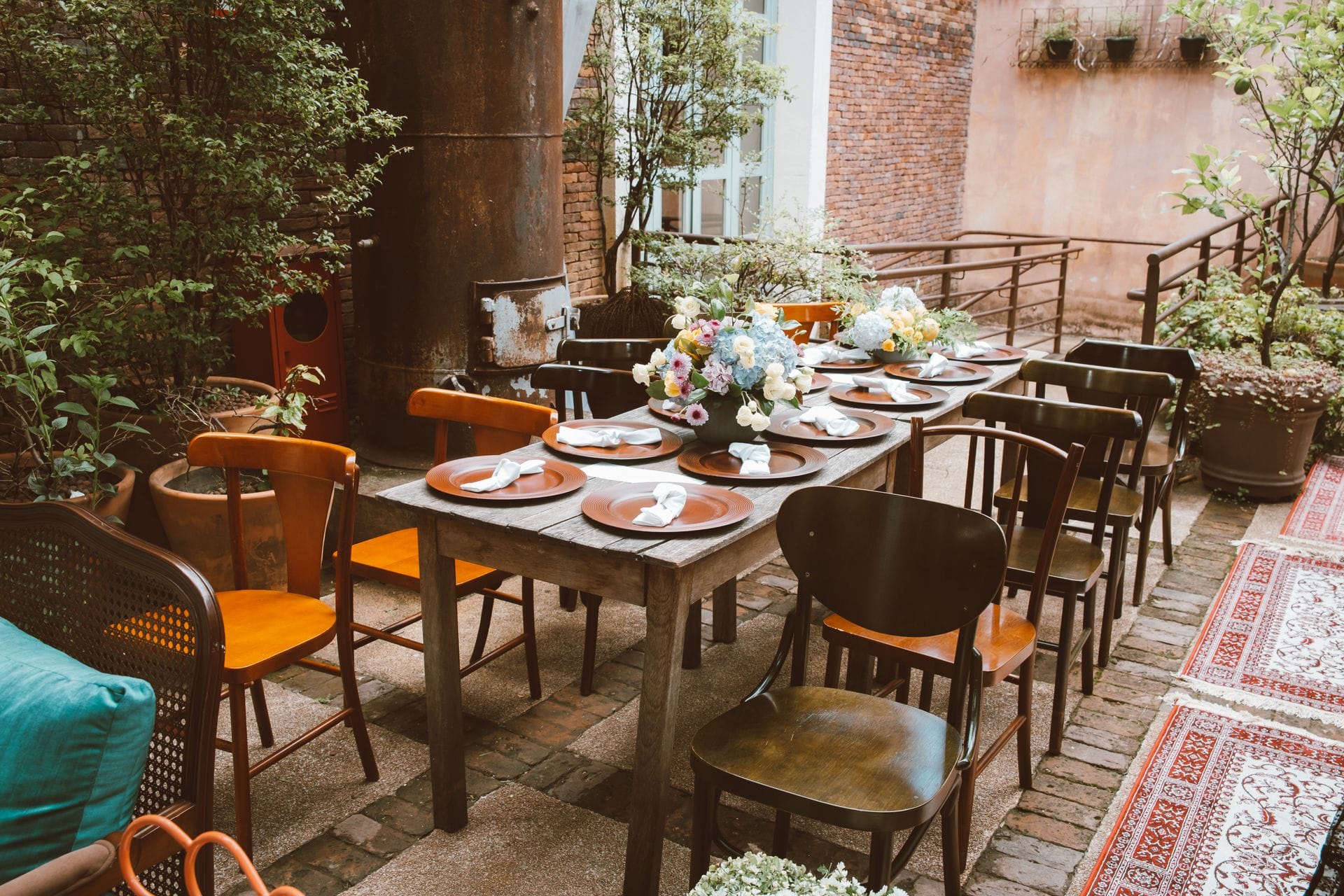
There is a particular quality to a room where people are gathered around a table. It is not just the food, though that matters. It is the atmosphere, the sense of occasion, the feeling that something is happening that cannot be replicated elsewhere. I have always believed that the table is the heart of any home, the place where the most important conversations happen, where the ordinary is transformed into the memorable.
I grew up in a house where the table was the centre of everything. It was not a grand table, not the kind that appears in magazines, but it was where we gathered. It was where we ate, where we talked, where we argued, where we laughed. It was where my mother would set out flowers from the garden, where my father would read the newspaper, where friends would come and stay for hours, long after the meal was finished. The table was not just a piece of furniture. It was a presence, a quiet witness to the life of the house.
That early experience shaped my understanding of what a table can be. It is not about the food, not really. It is about the act of gathering, of setting aside the demands of the day, of being present with the people around you. A table is a frame for connection, a stage for the small dramas and quiet pleasures that make up a life.
The Ingredients of a Good Gathering
I spoke to a hostess whose dinner parties are legendary among her friends. She told me that the secret to a good gathering is not in the cooking but in the preparation, in the attention to detail, in the willingness to create a space where people feel welcome.
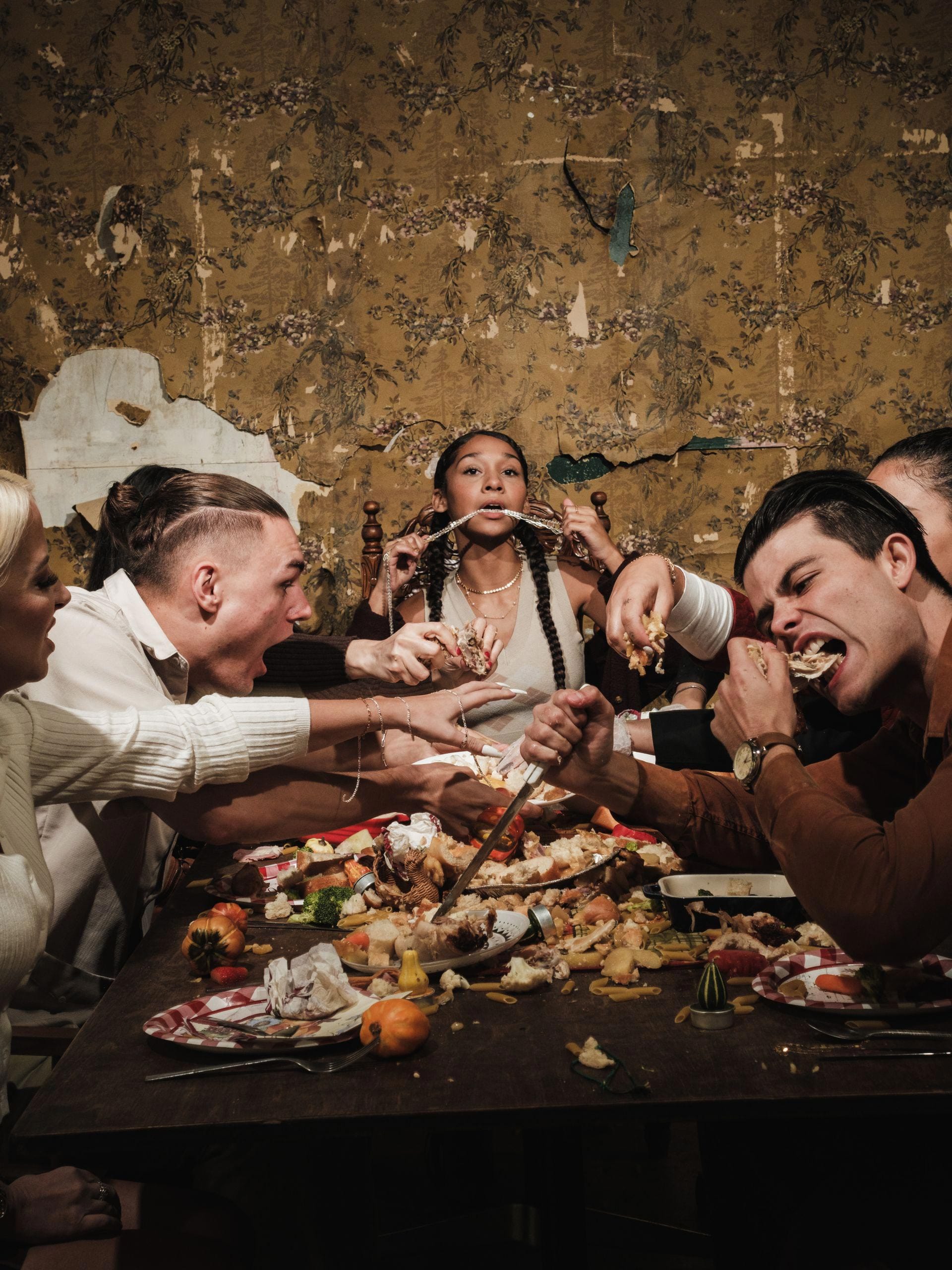
She said that she spends as much time thinking about the seating as she does the menu. Who will sit next to whom? Who will enjoy each other's company? Who might need a quiet word? The placement of guests is not incidental. It is deliberate, a way of shaping the conversation before it has even begun.
The best meals are not the ones where the food is perfect. They are the ones where the conversation flows, where the laughter is easy, where the hours pass without notice.
She also emphasised the importance of simplicity. A table that is too crowded, too elaborate, too precious, can feel intimidating. A table that is simple, that has room for the food and the plates and the glasses, invites ease. The best tables are the ones that do not demand attention. They support the gathering without imposing themselves.
The Role of the Cook
The cook is also a presence, a quiet figure who moves between the kitchen and the table. A good cook is one who can sustain the atmosphere of ease, who can make the preparation of the meal feel like part of the gathering. The best cooks are the ones who do not apologise for the food, who serve it with confidence, who invite you to enjoy it without reservation.
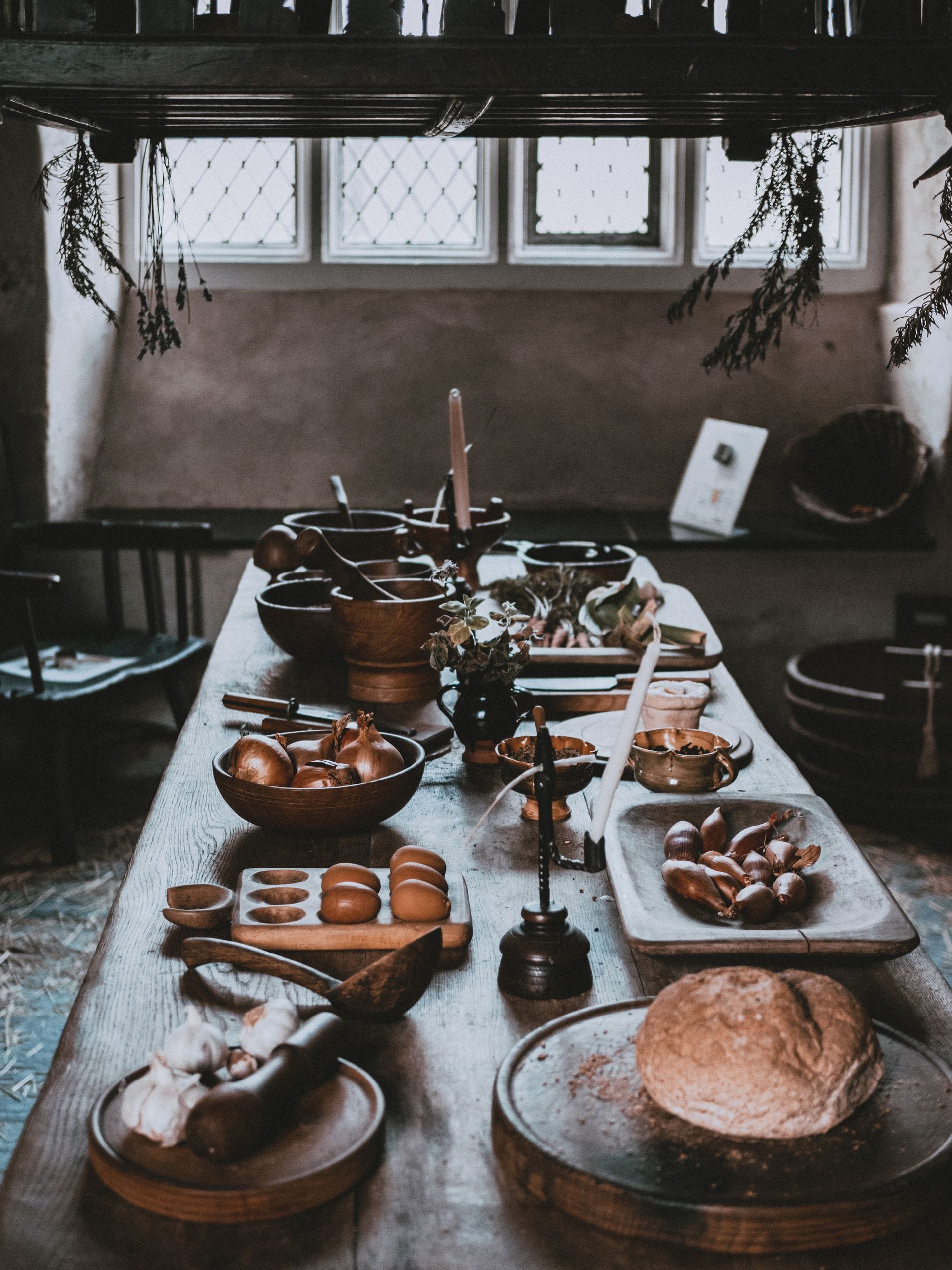
I spoke to a chef who has spent years observing the relationship between the cook and the table. She told me that the cook is also a host, and the act of cooking is an act of generosity. A meal that has been prepared with care is a gift, a way of saying that the people at the table matter.
The Value of the Ordinary
The most memorable meals are not always the ones that are elaborate. Sometimes they are the simplest, the ones that are thrown together from what is in the cupboard, the ones that do not require hours of preparation. A loaf of bread, a piece of cheese, a bottle of wine, a few olives. These are enough, when the company is good.
I have a friend who is a wonderful cook, but the meal I remember most was not one of her grand dinners. It was a simple lunch she made for me on a rainy afternoon. She served soup, from a recipe she had learned from her grandmother, and bread that she had baked that morning. There was nothing elaborate about it, but it was one of the best meals I have ever eaten. It was the attention, the care, the sense that she had made something for me, just for me.
The Table as a Space of Connection
The table is also a space of connection, a place where the boundaries between self and other become less defined. Around a table, we are more open, more receptive, more willing to listen. It is a space where the normal rules of interaction are suspended, where conversation can flow more freely, where the usual defences are lowered.
The table is also a place where we can be ourselves, where we can put aside the masks we wear in the world and be present with others. There is something about sharing food that creates a particular intimacy, a sense that we are all in this together, that for the moment, at least, we are connected.
The Return of the Gathering
After a period when many gatherings were curtailed, there has been a renewed appreciation for the act of gathering. People are hungry for connection, for the simple pleasure of being together, for the experience of sharing a meal without distraction. The table has become a symbol of what we have missed, of the importance of being present with others.
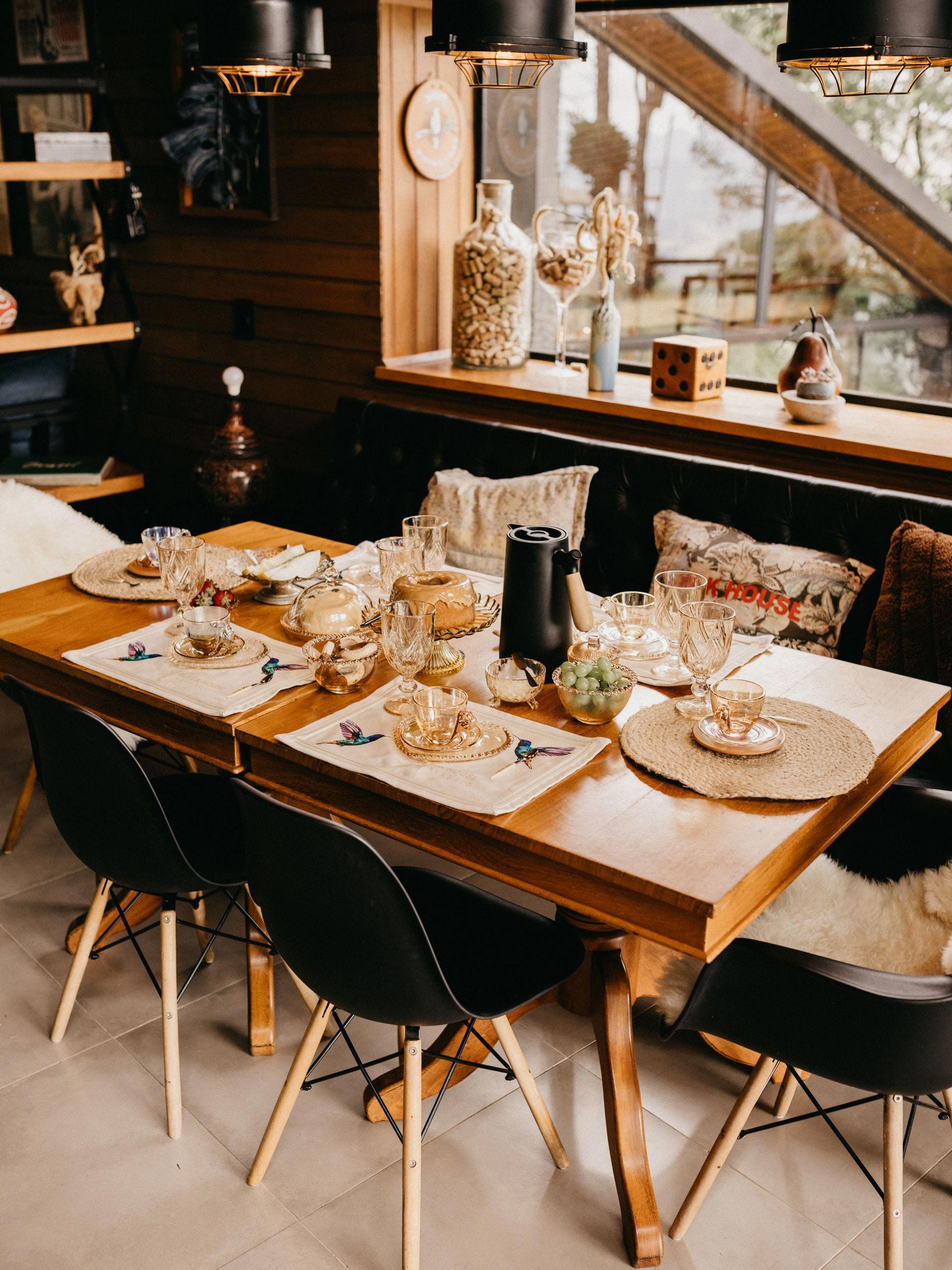
I have seen this in my own life. I have started hosting dinners again, simple ones, with friends who I have not seen in months. There is a quality to these gatherings that I had almost forgotten, a sense of ease, a pleasure in the ordinary, a recognition of how important these moments are.
A Place of Memory
The table is also a place of memory, a space that holds the echoes of the meals that have been shared, the conversations that have been had, the people who have gathered around it. A table that has been in a family for years carries the weight of all those meals, all those moments, all those connections.
I have a table that belonged to my grandmother. It is old, marked by years of use, and the surface is scratched. I do not try to hide the marks. They are records of the meals that have been shared, the lives that have been lived, the connections that have been made. A table that has been used is a table that has been loved. And the best tables are the ones that have been loved.
A Quiet Invitation
In the end, the table is an invitation. It is an invitation to gather, to share, to be present. It is a simple object, but it carries a profound meaning. It is a space where the ordinary is transformed into the extraordinary, where the mundane becomes memorable, where the act of eating becomes an act of connection.
A table does not need to be perfect to be meaningful. It does not need to be expensive or elaborate. It needs to be a place where people feel welcome, a space where the demands of the world can be set aside, a frame for the moments that matter. That is the gift of the table: the permission to be present, to be open, to be with others.