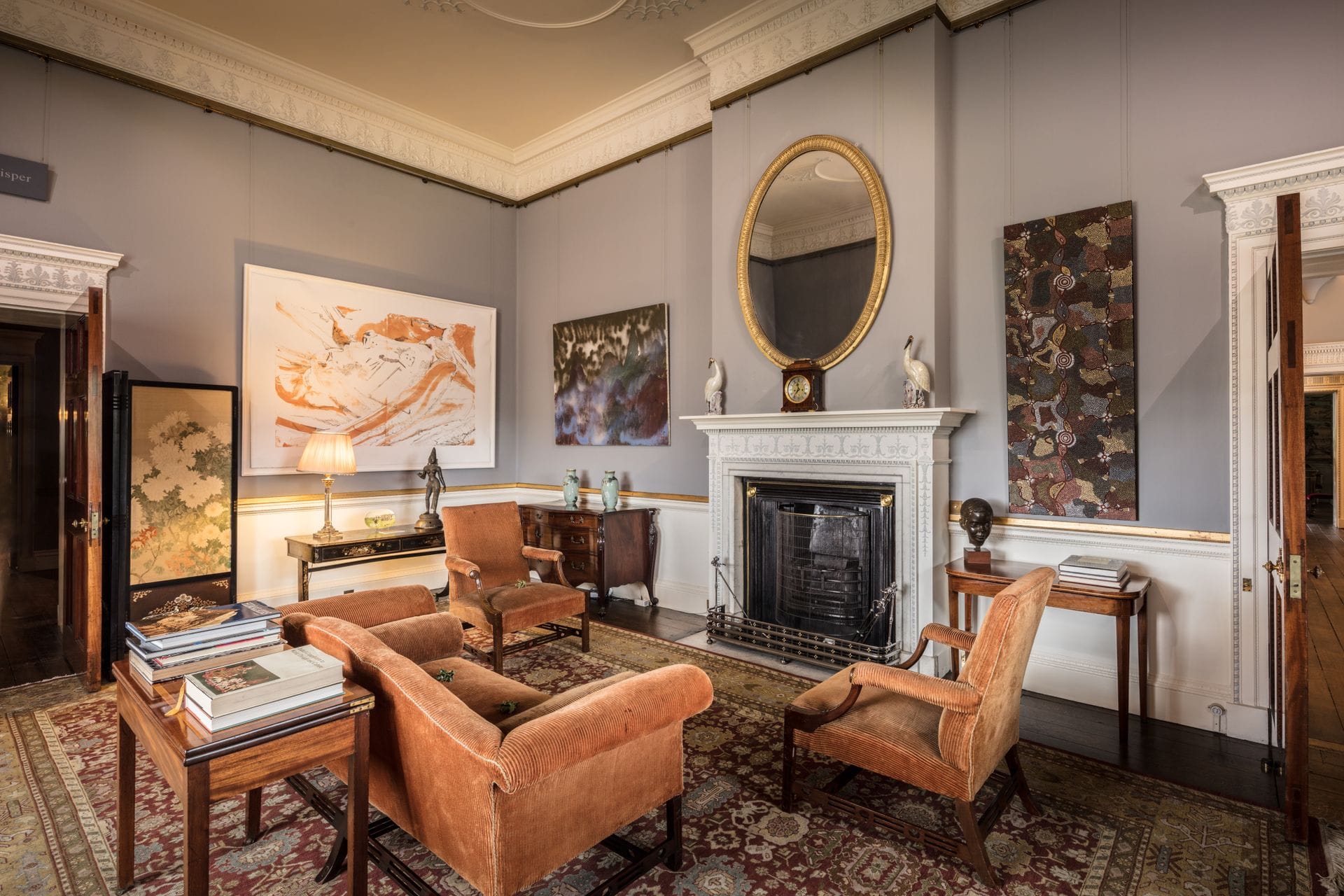
There is a particular quality to a room that has not been finished, that still bears the marks of its making, that has not been polished to the point of anonymity. It is not the perfection of a show home but the texture of a space that has been lived in, that has evolved, that still has room for change. I have always believed that a house should feel like it is still becoming, that the best interiors are the ones that have not yet arrived at their final form.
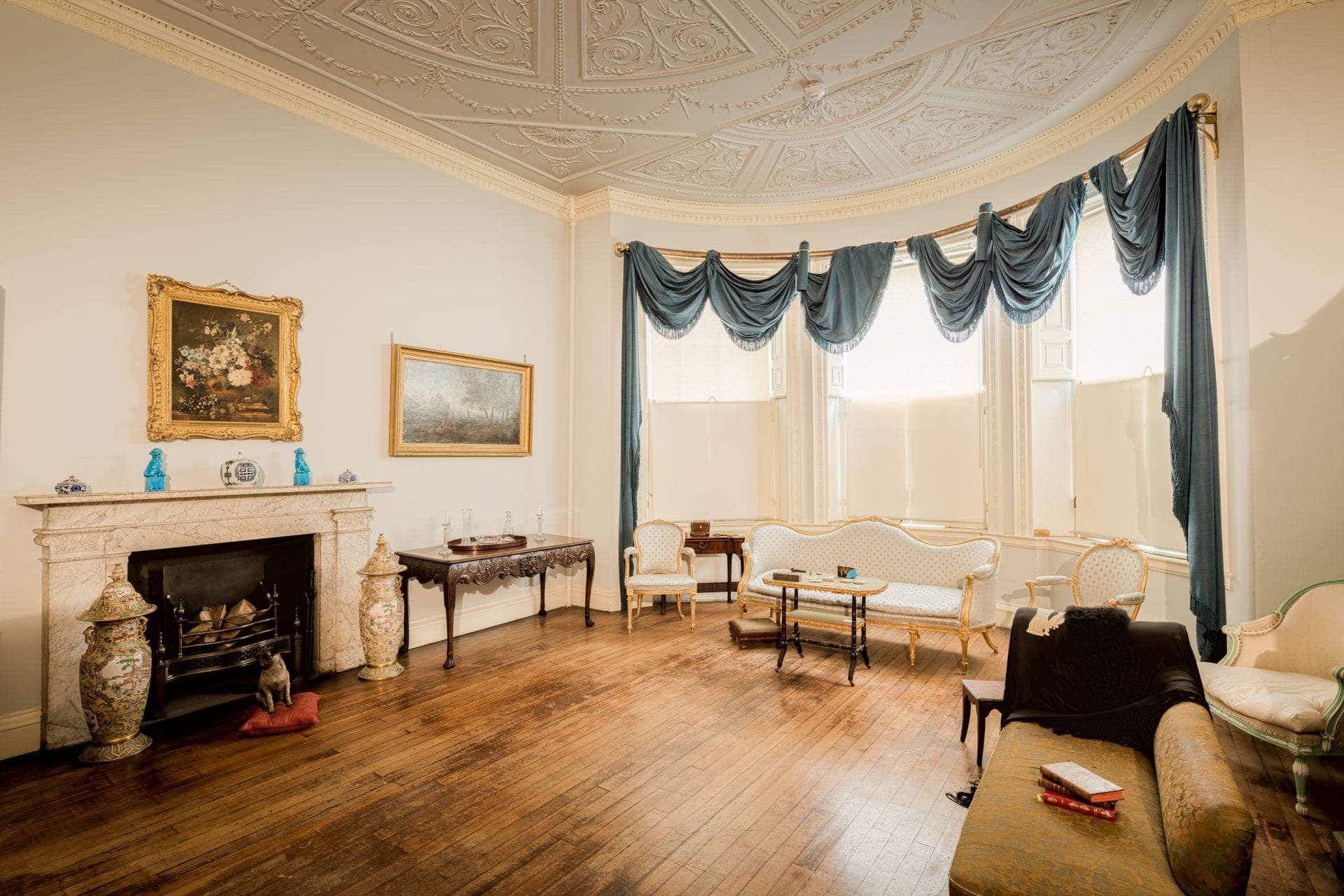
I visited a house recently that embodied this quality. The walls were not all painted, the floors were not all finished, the furniture was not all chosen. But the house felt alive, full of possibility, a space that was still in conversation with its occupants. The owner, a designer, told me that she prefers to live with a room for a while before making decisions about it. A space needs time to reveal itself, time to tell you what it needs.
The most memorable interiors are often the ones that have not been fully resolved. They have a quality of openness, a sense that they are still in the process of becoming, that they will continue to evolve as the people who live in them evolve. It is a form of impermanence that is not a lack but a quality, a way of living that is open to change.
The Value of a Well-Lived Surface
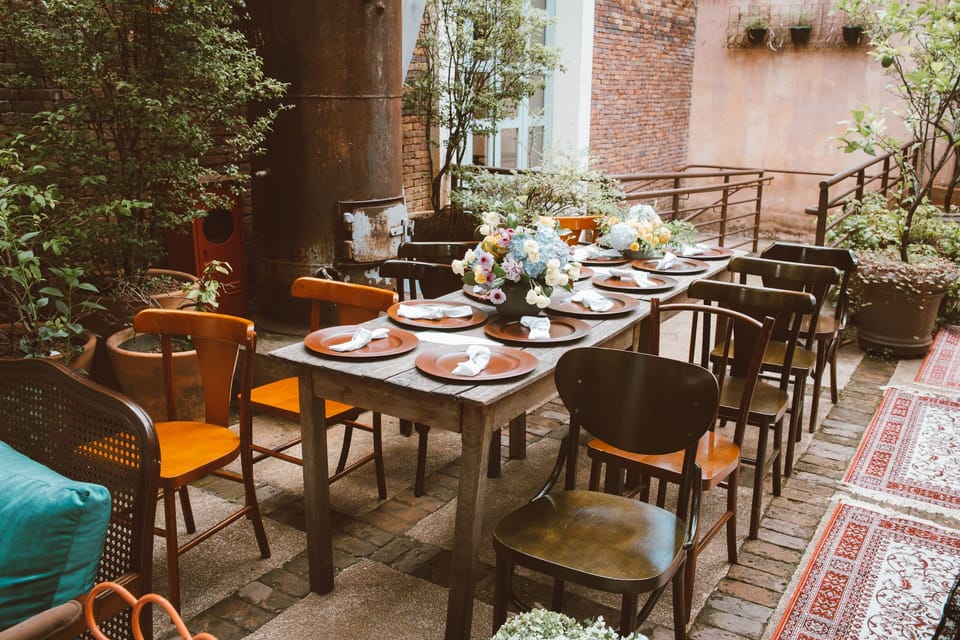
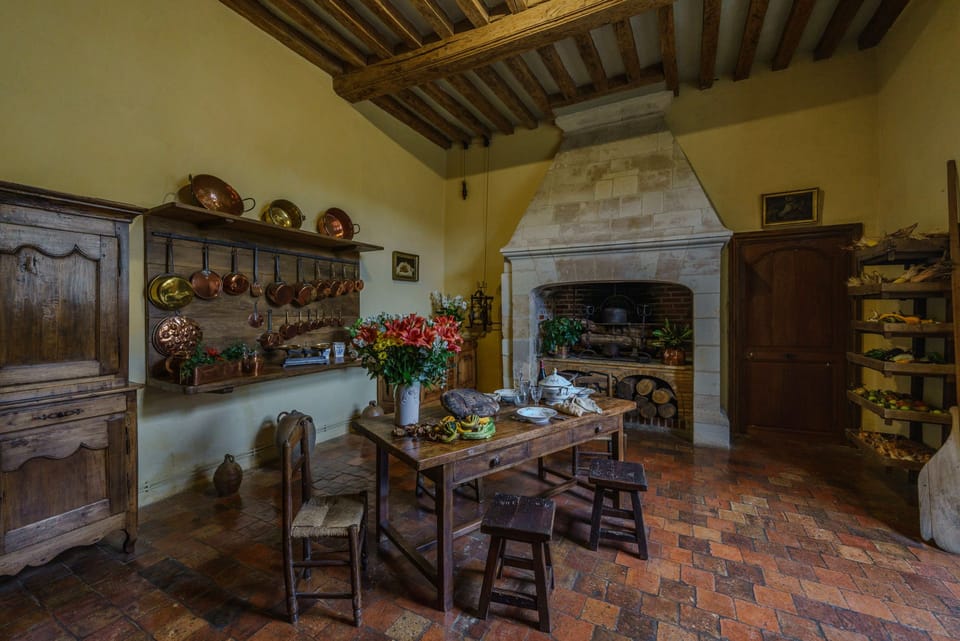
The surfaces we live with tell stories. A wooden table that has been used for years bears the marks of meals shared, of conversations held, of the life that has happened around it. A stone floor that has been walked on for decades becomes smoother, darker, more beautiful with use. These are not imperfections. They are textures, records of a life lived.
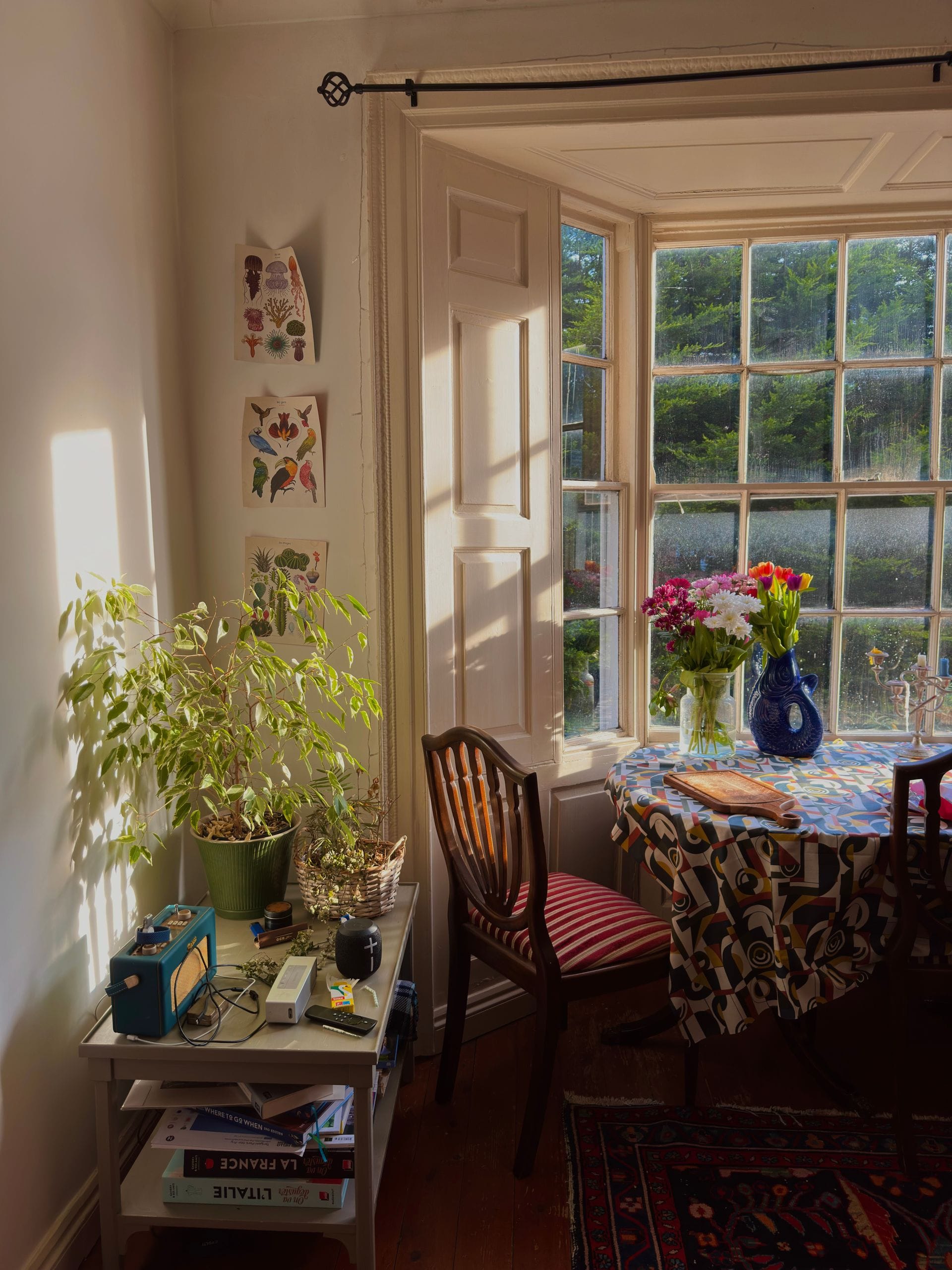
I spoke to a designer who specialises in working with natural materials. She told me that the best surfaces are the ones that age well, that develop patina over time. A marble countertop will never look as good as it does on the day it is installed. It will look even better after years of use, the surface softened by contact, the veins more pronounced, the stone more alive.
The things that improve with age are the ones that develop a memory. A patina is not a flaw. It is a record of use, a map of a life lived in proximity to the object.
The Unfurnished Room
There is a growing appreciation for the unfurnished room, the space that is allowed to breathe, that is not filled to capacity, that offers a sense of possibility. A room that is not fully furnished is a room that is open to change, that can adapt to new needs, that is not fixed in its purpose.
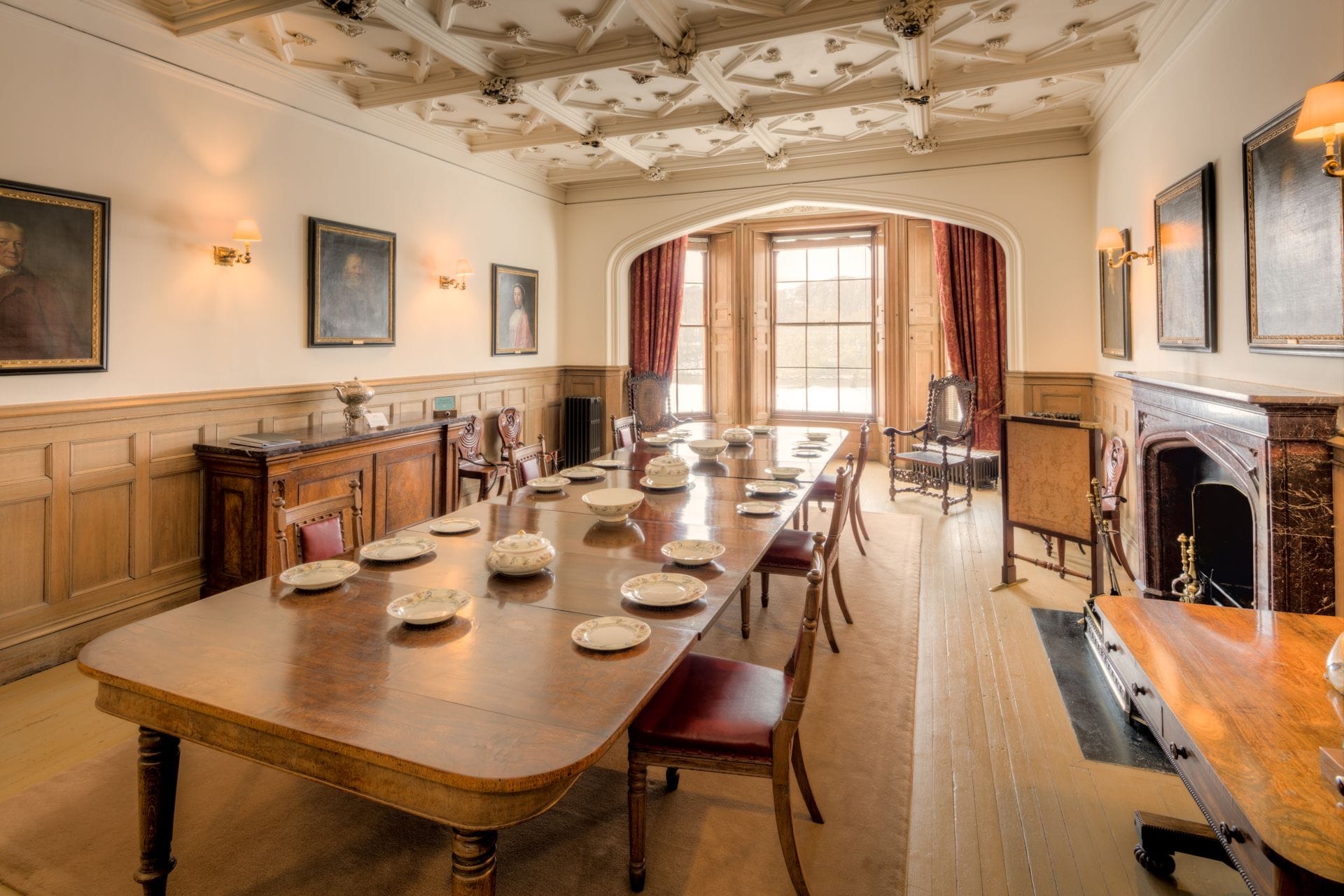
I visited a house where the living room was almost empty. A sofa, a table, a few chairs, a painting on the wall. The space felt generous, calm, a place where you could think. The owner told me that she had intentionally left it unfinished, that she preferred to add pieces slowly, over time, as they were needed. A room that is not full is a room that is not finished, and that is a quality she values.
A room that is not full is a room that is not finished. It has space for the unexpected, for the additions that come with time, for the life that has not yet been lived.
The Unresolved Room
There is also a pleasure in the unresolved room, the space that is not quite working, that is not yet right. A room that is unresolved is a room that is still being considered, that is still in conversation. It is not a failure. It is a stage in a process, a moment of becoming.
I spoke to a designer who described the process of working on a room as a dialogue, a back-and-forth between the space and the person who inhabits it. A room reveals itself over time, and the process of resolving it is a process of listening, of paying attention to what works and what does not. The unresolved room is not a problem. It is an invitation to continue.
The best rooms are the ones that are never quite finished. They are a work in progress, a space that is always open to change.
The Value of the Old
In the pursuit of the new, we often overlook the value of the old. A space that has been lived in for decades has a quality that cannot be replicated, a presence that comes from the accumulation of time. The old interiors are not just historical documents. They are a record of the people who have lived in them, the lives that have unfolded within their walls.
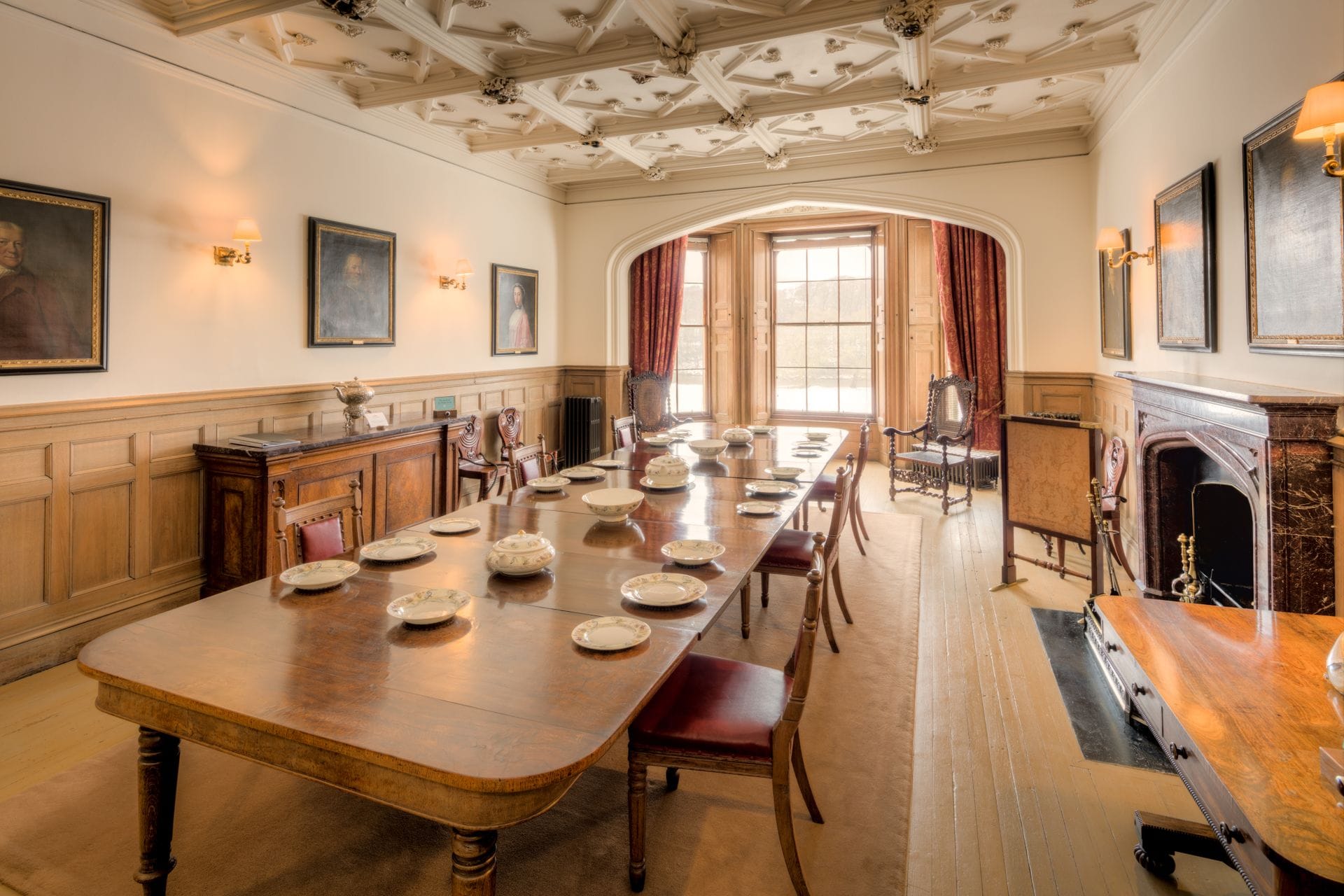
I visited a house that had been in the same family for over a century. The interiors had been updated over the years, but the essential character remained. The floors were worn, the walls were marked, the furniture was original. It was not a perfect house, not a show home, but it was a house with a soul. It was a house where you could feel the presence of the people who had lived there before.
A house with a soul is one that bears the marks of its history. The worn floor, the faded wallpaper, the mark on the wall where a painting once hung—these are not imperfections. They are records of the lives that have been lived in the space.
The Unpolished Interior
There is a particular pleasure in the unpolished interior, the space that is allowed to be itself, that is not constantly maintained, that is not always perfect. A house that is lived in is a house that is allowed to be imperfect. It is a house that is not a museum but a home.
I spent time in a house that was beautifully unpolished. The wooden floors were scratched, the walls were marked, the furniture was well used. It was not a house that would appear in a magazine, but it was a house that felt comfortable, a house that invited you to relax, a house that did not demand that you be careful. The unpolished interior is an invitation to live fully.
A house that is not perfect is a house that is not demanding. It is a house that invites you to live, to relax, to be yourself.
The Marks of Life
The marks of life are the ones that make a house a home. A house that has been lived in is a house that has been shaped by the people who live in it, a house that tells a story. The marks of life are not flaws. They are qualities, evidence of the lives that have been lived in the space.
The scratched floor, the worn armchair, the mark on the wall where a painting once hung—these are not signs of neglect. They are records of the past, reminders of the lives that have been lived in the space. A house that is lived in is a house that is not perfect, but it is a house that is real.
A Permission to Be Unfinished
In a world that demands completion, there is a particular value in the unfinished interior. It is a permission to be patient, to allow a space to reveal itself over time. The unfinished interior is not a lack. It is an openness, a willingness to allow the space to evolve, to accommodate change, to reflect the lives of the people who inhabit it. It is the kind of beauty that cannot be bought or planned, that emerges only from the slow accumulation of attention and care. And it is, in its own way, the most enduring beauty of all.