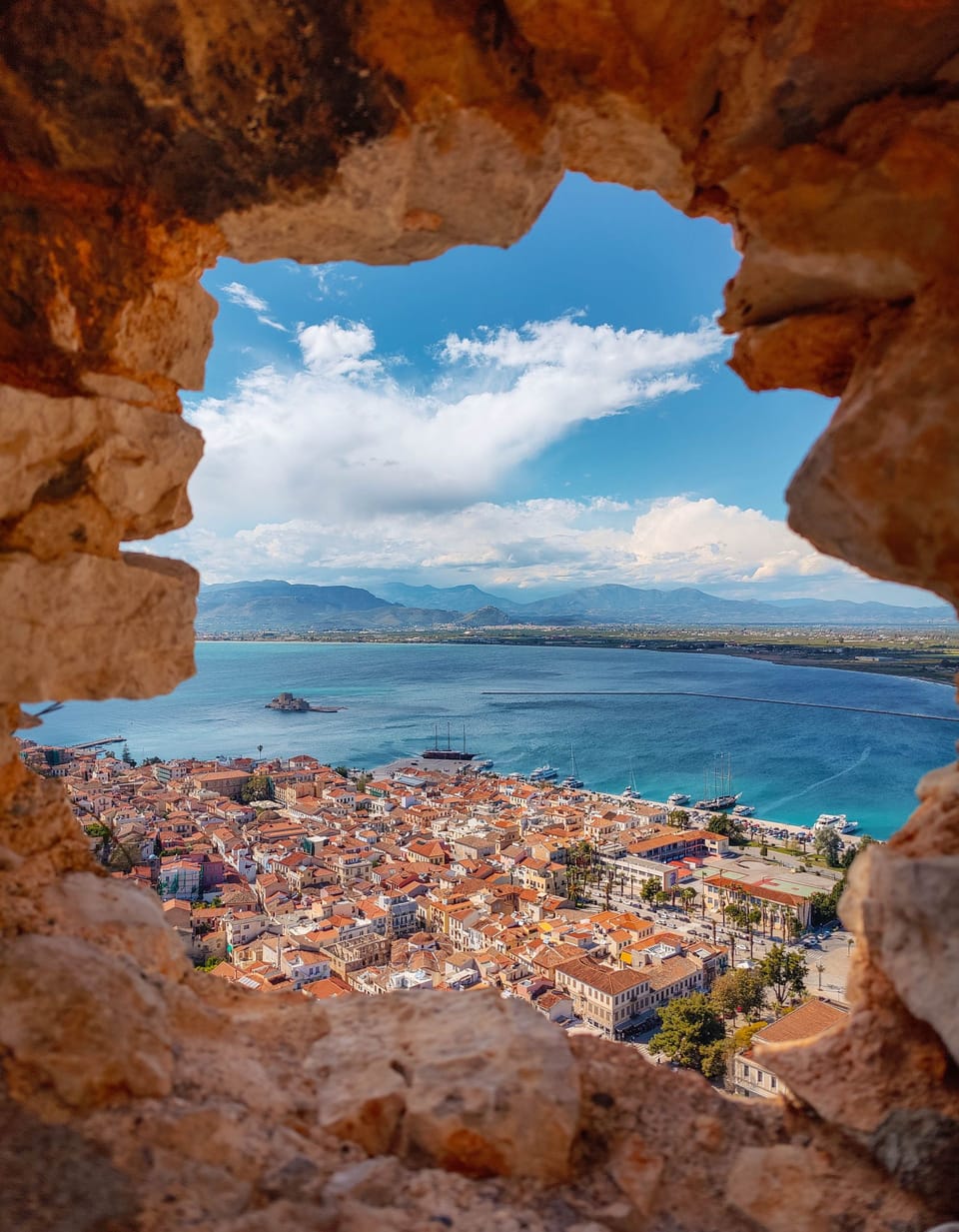
There is a moment, just as the sun begins to sink over the olive groves of Puglia, when the air itself seems to grow heavy with the scent of cooking. It drifts from farmhouse kitchens and village trattorias, from wood-fired ovens and charcoal grills—a fragrant blend of garlic, wild herbs and woodsmoke that announces, with quiet authority, that the most important part of the day is about to unfold.
I arrived in Puglia on a late September evening, when the heat of the summer had softened into something gentler, more forgiving. The drive from Bari airport wound through a landscape that seemed to have been painted by a hand that understood the value of simplicity: ancient olive trees with trunks as gnarled as the hands of the farmers who tended them, fields of golden wheat, and whitewashed trulli that dotted the hillsides like mushrooms after rain. It was a landscape that promised good things—and it did not disappoint.
The Foundation: Bread and Olive Oil
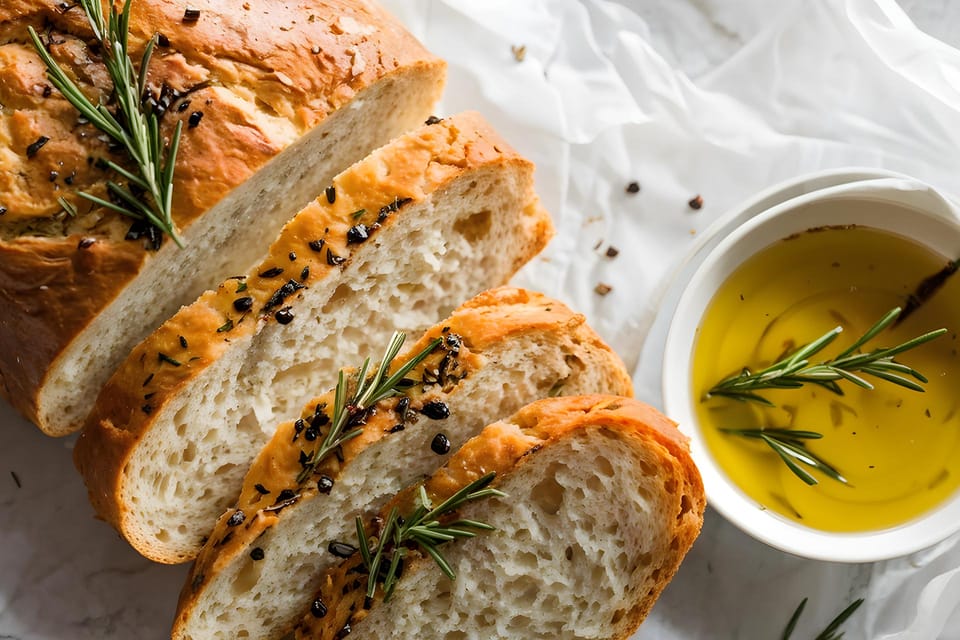
In Puglia, as in much of Italy, the meal begins with bread. But here, the bread is something else entirely—crusty, deeply flavoured, baked in wood-fired ovens that have been in use for centuries. At a small bakery in the hilltop town of Ostuni, I watched as the baker slid loaves of pane di Altamura onto the oven's stone floor, their golden crusts already crackling with the heat.
Without good bread, a meal is nothing. It's the same as a house without walls.
The olive oil is equally essential. Puglia produces nearly half of Italy's olive oil, and the groves that stretch across the region are a testament to the olive tree's extraordinary longevity. Some trees here are over a thousand years old, their trunks twisted and hollowed by centuries of wind and sun.
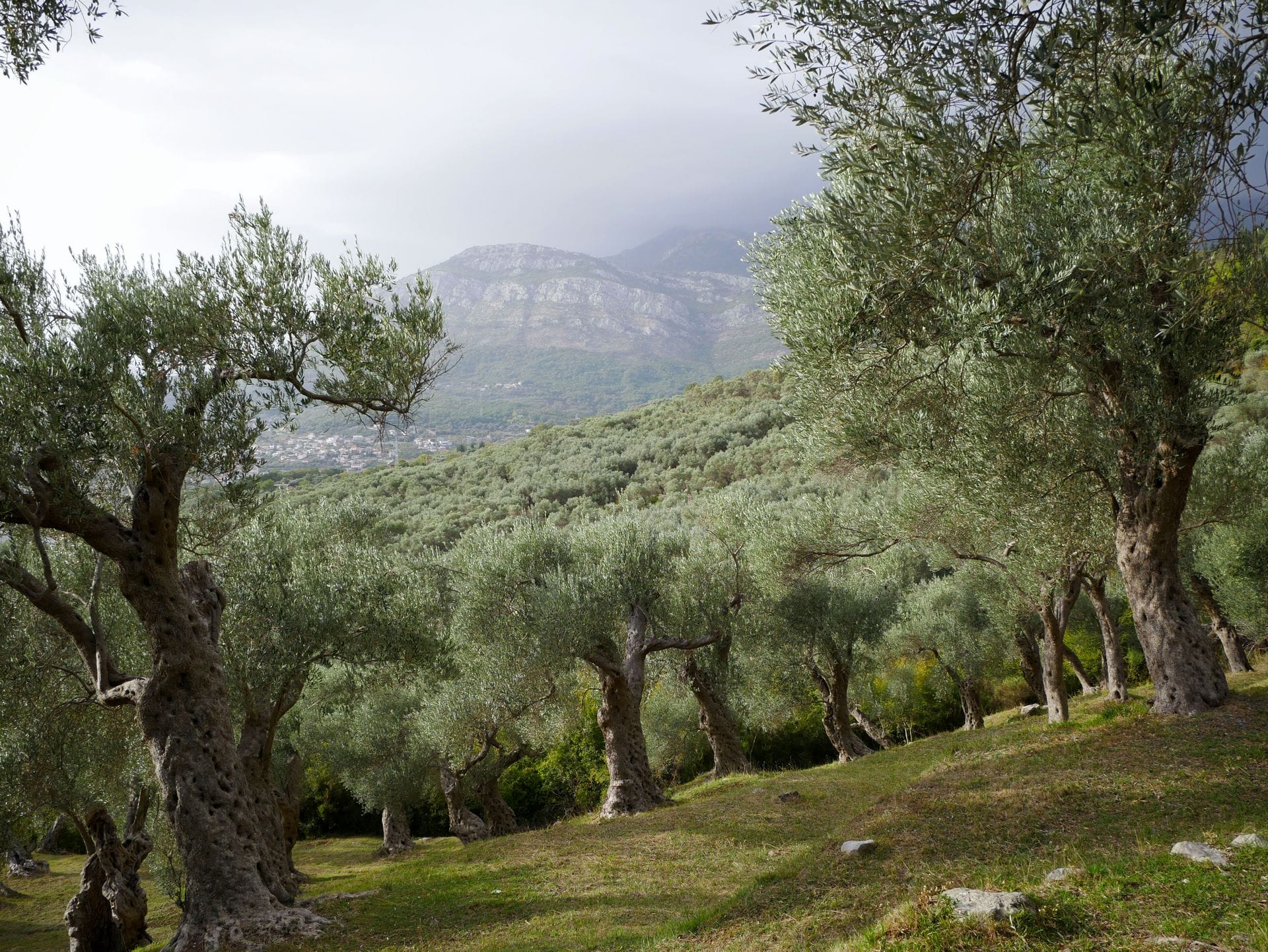
At a masseria outside Lecce, I joined the family for the annual olive harvest—a ritual that has been observed in the same way for generations. Long nets were spread beneath the trees, and the olives were gently raked from the branches, falling like a shower of green and black gems. We pressed a few handfuls of the freshly harvested fruit, and the oil that emerged was a vivid, grassy green, with a peppery finish that caught the back of the throat.
The Vegetable Garden: A World of Simplicity
Puglian cooking is, at its heart, a cooking of scarcity—a tradition born of poverty and ingenuity that has been elevated to an art form. Vegetables are the stars of the table, treated with a reverence that is all too rare in the modern world.
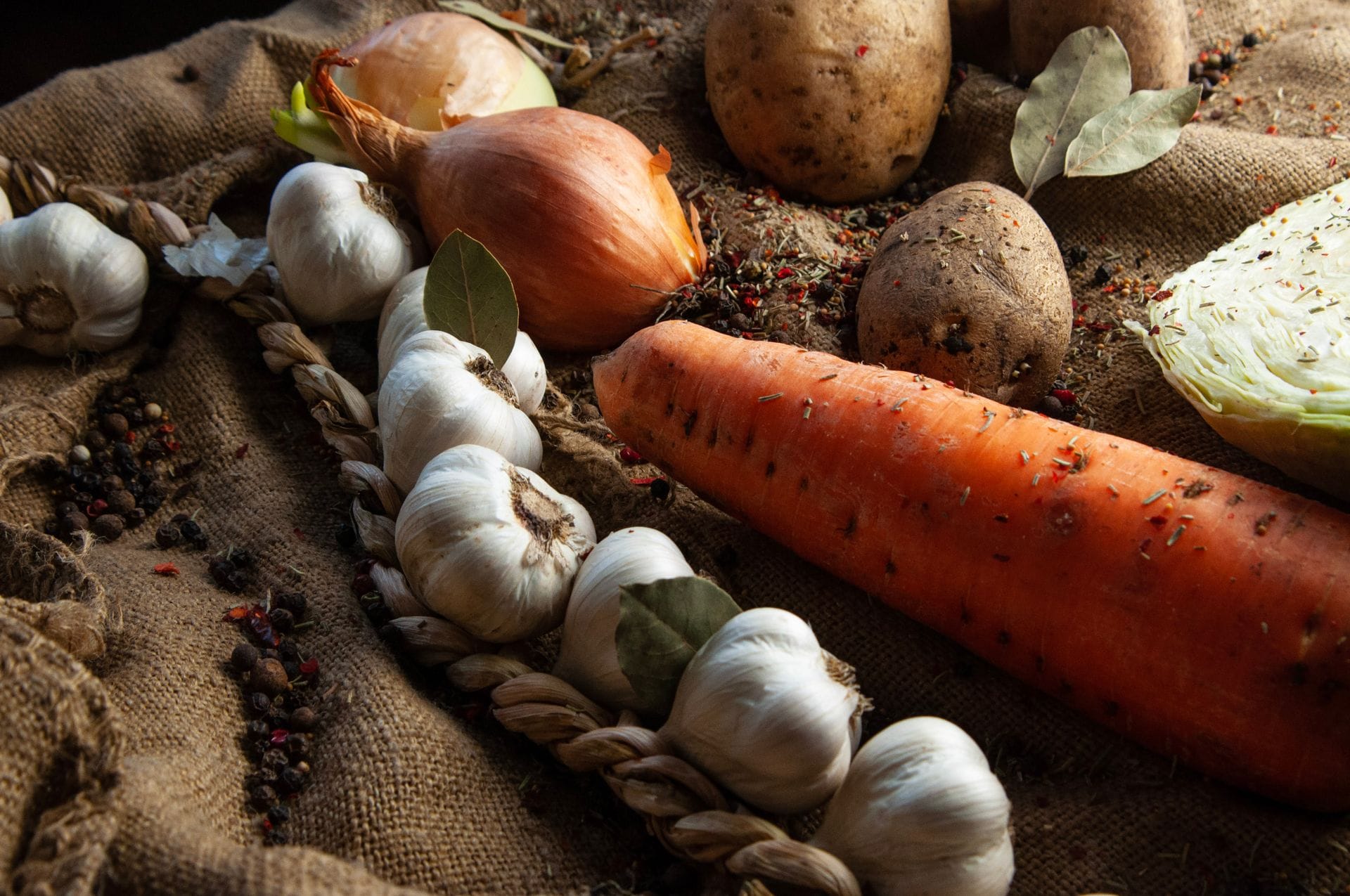
In the vegetable garden of a masseria near Alberobello, I met a woman named Maria who had been growing fave (broad beans) for sixty years. Her hands, weathered and strong, moved with the practised ease of someone who had performed the same motions every season, year after year.
I showed my daughter. Now my granddaughter is learning. It's not a job—it's a thread that connects us.
That afternoon, I tasted her fava in a dish that was simplicity itself: the dried beans, soaked and peeled, cooked into a creamy purée, drizzled with green olive oil, and served with a scattering of wild fennel. It was the kind of dish that made you understand why people still choose to live this life—the life of the earth, the life of the seasons.
The Star of the Table: Orecchiette
No discussion of Puglian food would be complete without a mention of orecchiette, the region's signature pasta. The name means "little ears," a reference to the shape—small, concave discs that resemble tiny bowls, perfect for catching sauce.
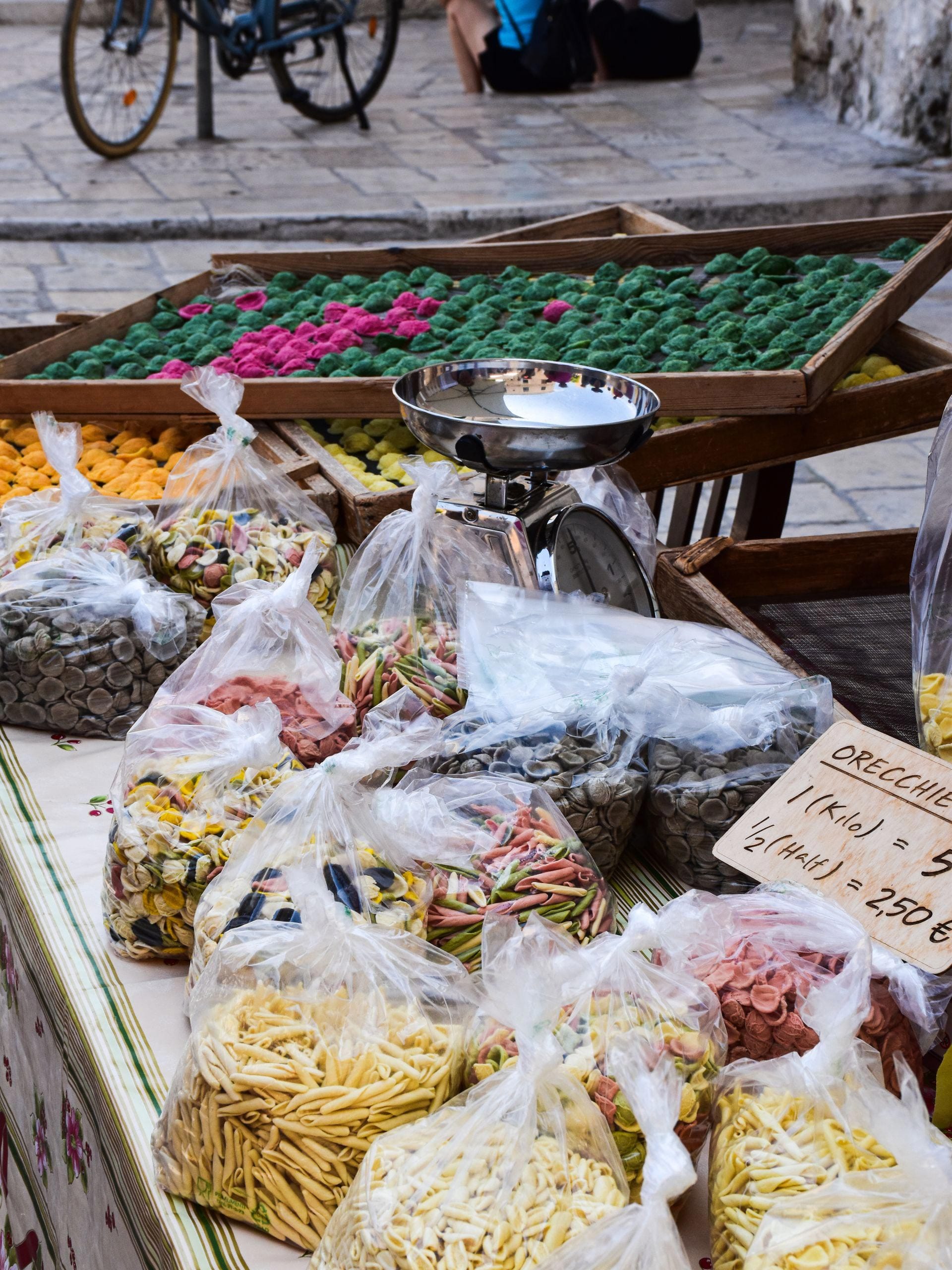
In the town of Bari Vecchia, the old city, I found a narrow alley where a group of women had gathered to make pasta by hand. They sat on low stools, their fingers moving with extraordinary speed, shaping each piece of pasta with a flick of the wrist. One of them, a woman named Rosa, invited me to try.
It was humbling—and a demonstration of the extraordinary skill that comes from decades of repetition. My attempts were lumpy and uneven, while Rosa's were perfect, identical, as though they had been stamped out by a machine.
We ate the pasta that evening—a simple sauce of cherry tomatoes, garlic and fresh basil, finished with a dusting of ricotta salata. The orecchiette were perfectly al dente, each one holding a little pool of sauce. It was a dish that required no embellishment, no gimmick, no attempt to impress. It was simply what it was—honest, satisfying, and deeply rooted in the land that produced it.
The Feast: Meat and the Grill
While vegetables and pasta are the daily staples, the Puglian table also has its moments of celebration—and when Puglia celebrates, it does so with meat. The region's grills are legendary, fueled by wood that imparts a smoke to the meat that is impossible to replicate.
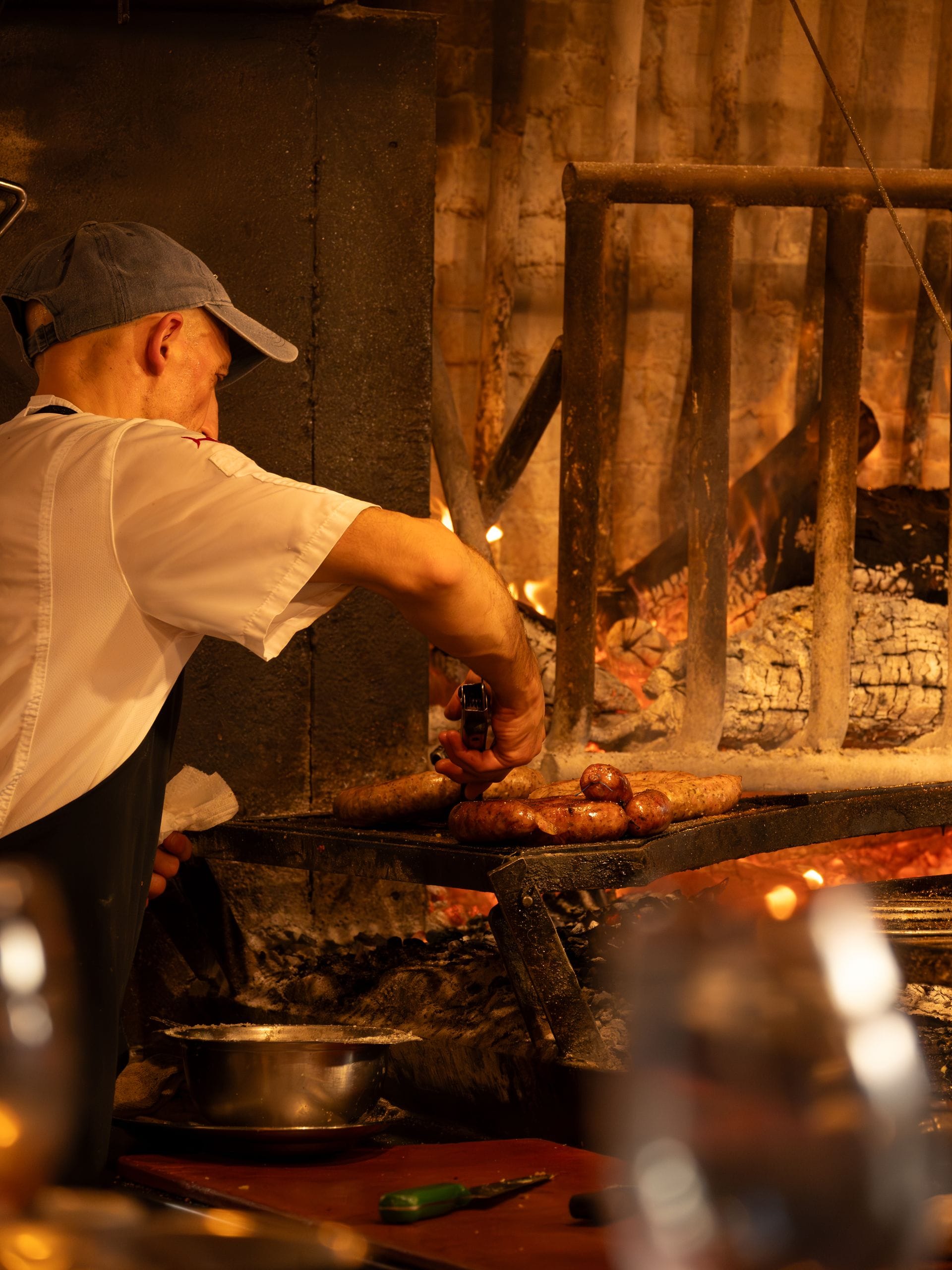
At a braceria (a grill-house) in the town of Martina Franca, I was treated to a feast that seemed to defy the limitations of the human appetite. The menu was dictated by the owner, a man named Giuseppe who made the decisions based on what had been delivered that morning. First came the tarello, a thick coil of sausage flavoured with wild fennel, followed by gnummareddi (lamb offal wrapped in caul fat), salsiccia, and finally, a cut of beef that was so tender it seemed to dissolve on the tongue.
A Geography of Taste
As my time in Puglia drew to a close, I found myself reflecting on the nature of this region and its food. The Pugliese have an expression: "The table is the geography of taste." It speaks to the way that the land, the history and the people have all converged on the dinner plate.
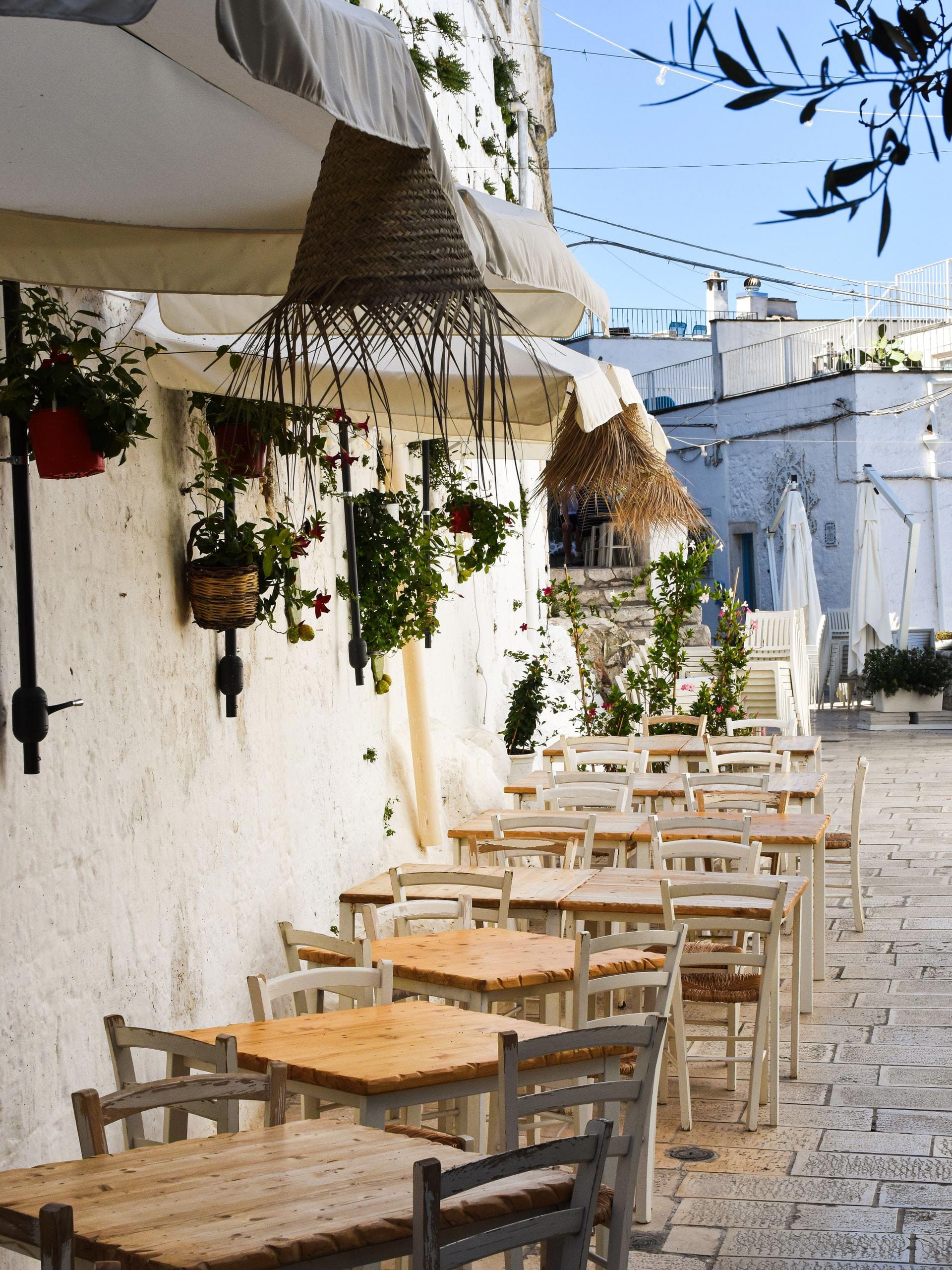
There is a connection here between food and place that is deeper than the mere fact of geography. It is a connection that is passed down through generations, not through cookbooks, but through the hands of grandmothers and the memories of suppers shared. It is a connection that survives the disruption of the modern world and the homogenisation of global culture.
The Essentials
When is the best time to visit?
Spring (April–June) and autumn (September–October)
How do I get there?
Direct flights to Bari from most UK airports
How do I get around?
A car is essential for exploring the countryside and hilltop towns
What can't I miss?
Orecchiette-making in Bari, olive harvesting in Lecce, the grills of Martina Franca
A Final Note
In the end, it is the people who make Puglia's food unforgettable. The farmers who tend the olive trees, the grandmothers who shape the pasta, the grill-masters who coax flavour from the simplest cuts of meat—they are the inheritors of a tradition that stretches back to the dawn of civilisation. They are the ones who keep the geography of taste alive.
Food is only part of the story. The rest is the love we put into it.
I think about her words often, especially when I find myself in a kitchen, preparing a meal. Her reminder hangs in the air, a gentle nudge that we are not just cooks, but custodians of a culture. And that, in the end, is what makes Puglia's food extraordinary.