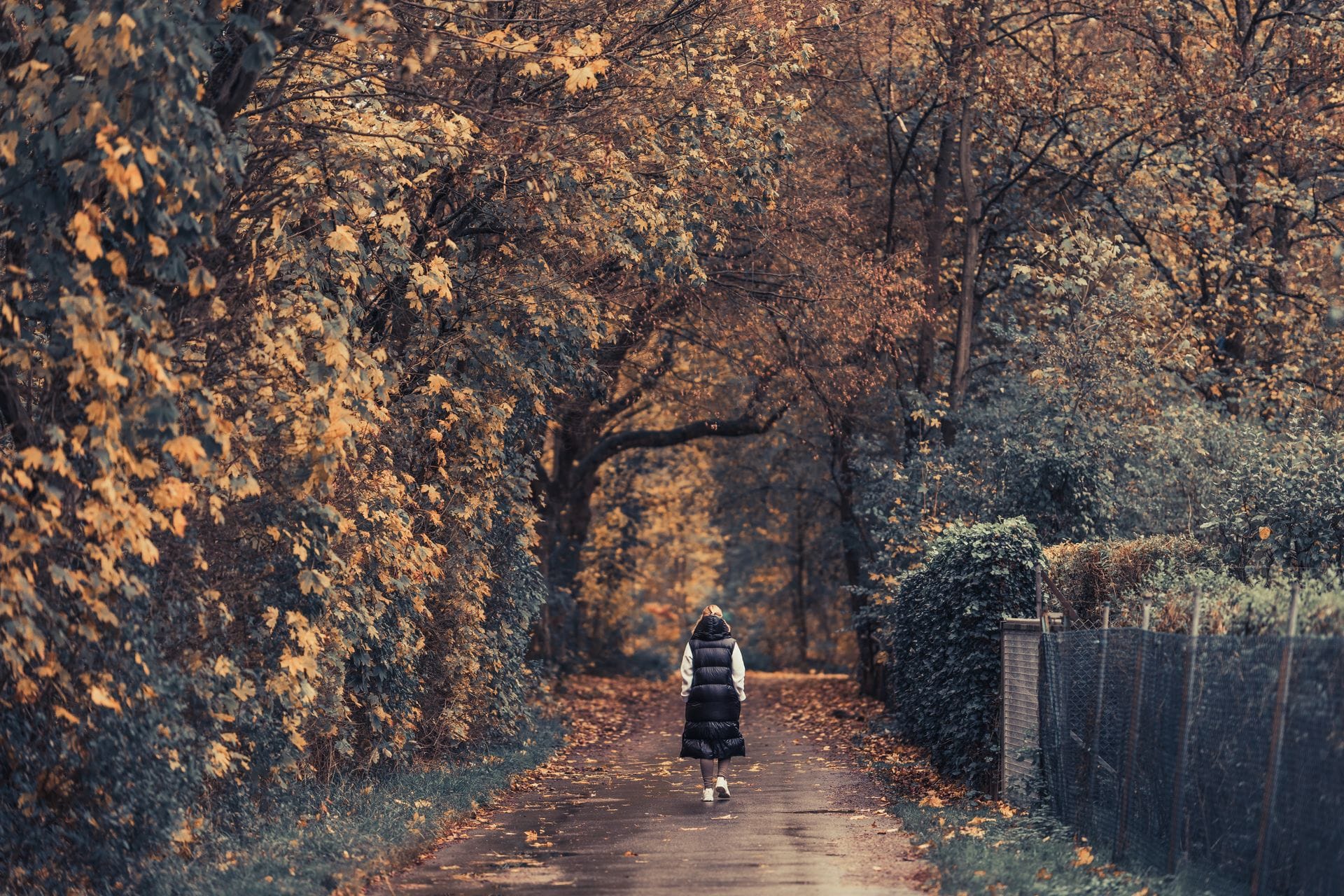
I discovered forest bathing by accident. I was walking in a woodland in late autumn, not with any intention, not seeking anything in particular. The leaves had fallen, the light was low, and the air was cold. I was not thinking about wellness or self-care. I was simply walking, letting my feet find their own pace on the soft ground.
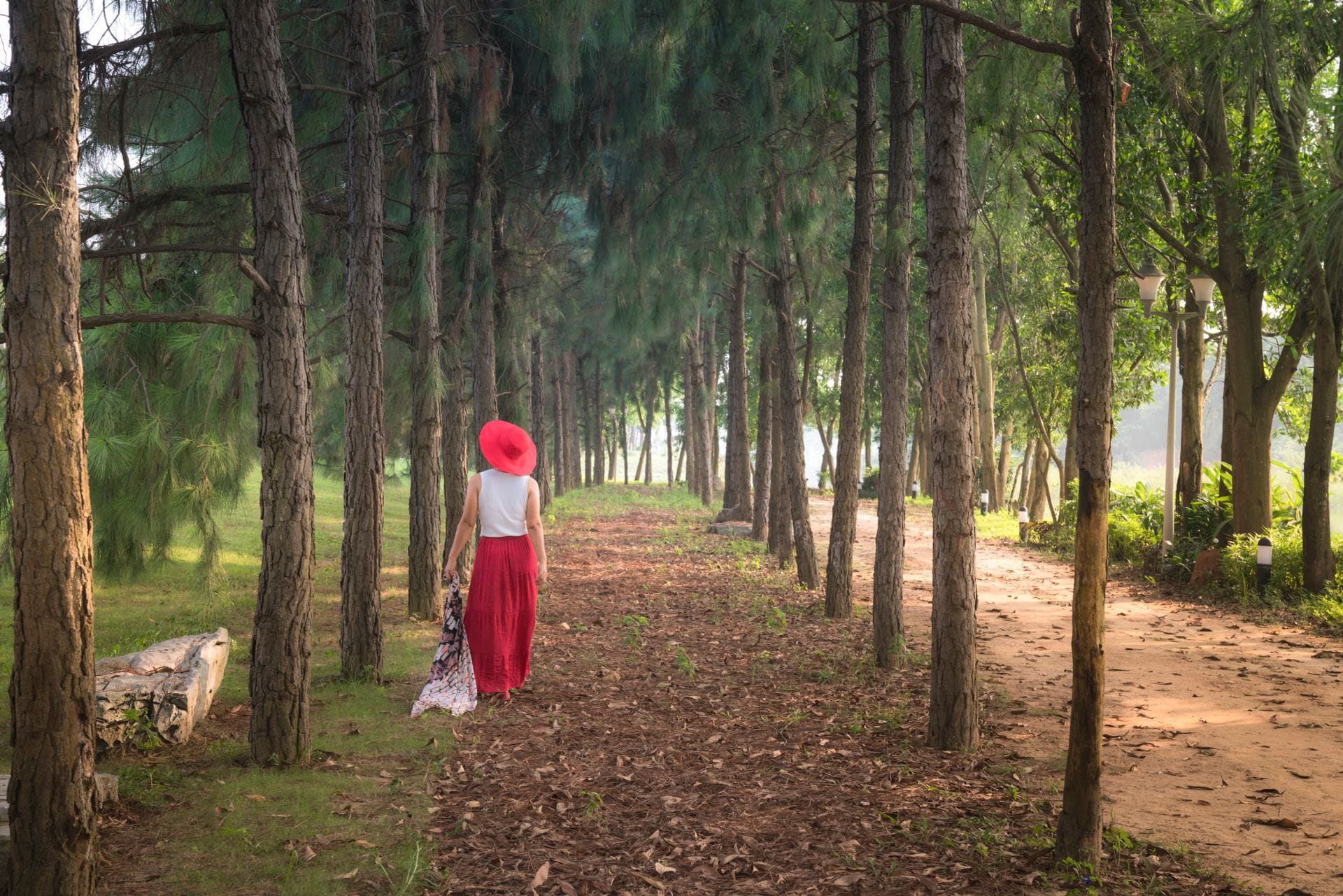
After a while, I realised I had stopped thinking. The usual chatter of the mind had quietened, replaced by a simple attention to what was around me. The sound of the leaves underfoot. The quality of the light through the branches. The scent of damp earth. It was not a dramatic shift but a gradual one, an easing of the internal noise that I had not even noticed was there.
It was only later that I learned there was a name for this practice. Shinrin-yoku, a Japanese term that translates as forest bathing. It is not about exercise or achievement. It is about presence, about allowing the forest to affect you through your senses, about being open to the experience of being in nature.
The Science of the Forest
There is evidence that spending time in forests can have measurable effects on health. Studies have shown that forest environments can reduce stress hormone levels, lower blood pressure, and improve immune function. The phytoncides released by trees have been found to increase the activity of natural killer cells, a type of immune cell that plays a role in fighting infections and cancer. The science is compelling, but I am more interested in the experience. What does it feel like? What does it do to the mind?
The practice of forest bathing does not require a forest. A woodland will do. A park with mature trees will do. Any space where there are enough trees to create a sense of enclosure. The key is not the location but the quality of attention you bring to it. It is about being present, about noticing the details, about allowing the forest to work on you without any agenda.
The Rhythm of the Walk
I have developed a practice. I walk slowly. I do not look at my phone. I do not listen to music. I walk with the intention of being present, of noticing what is around me. I am not walking to get somewhere. I am walking to be where I am. I find that a slow walk, without any destination, is the most effective. The mind quiets. The senses open. The forest becomes more present. It is a form of meditation, a way of training the attention. I look at the details: the shape of a leaf, the pattern of the bark, the way the light falls through the canopy. I notice the sounds: the birds, the rustle of leaves, the wind in the branches. I notice the smells: the earth, the moss, the damp air. It is a way of attending to the world that is both simple and profound.
The Receptivity of the Senses
Forest bathing is about receptivity, about allowing the forest to enter your awareness through your senses. You are not controlling the experience. You are receiving it. There is a quality of openness required, a willingness to be affected. I have walked through forests and felt nothing. I have walked through the same forest on another day and felt everything. The difference is in the quality of attention, in the willingness to be present. The forest does not need to be spectacular to be effective. It does not need to be a famous woodland or a national park. A local woods, a patch of trees, a quiet corner of a park. It is not about the destination. It is about the quality of attention you bring to it.
The Practice of Attention
The gift of forest bathing is the quality of attention it cultivates. The attention I bring to the forest is a form of care, a way of being present with the world. It is a practice that has no end, no final achievement, only the experience of being present. It is a form of presence that is increasingly rare in a world of constant distraction. The forest is not asking anything of you. It is simply there, a presence that you can attend to without expectation. It is a practice of attention, and the attention, in itself, is the reward.
A Return to the Forest
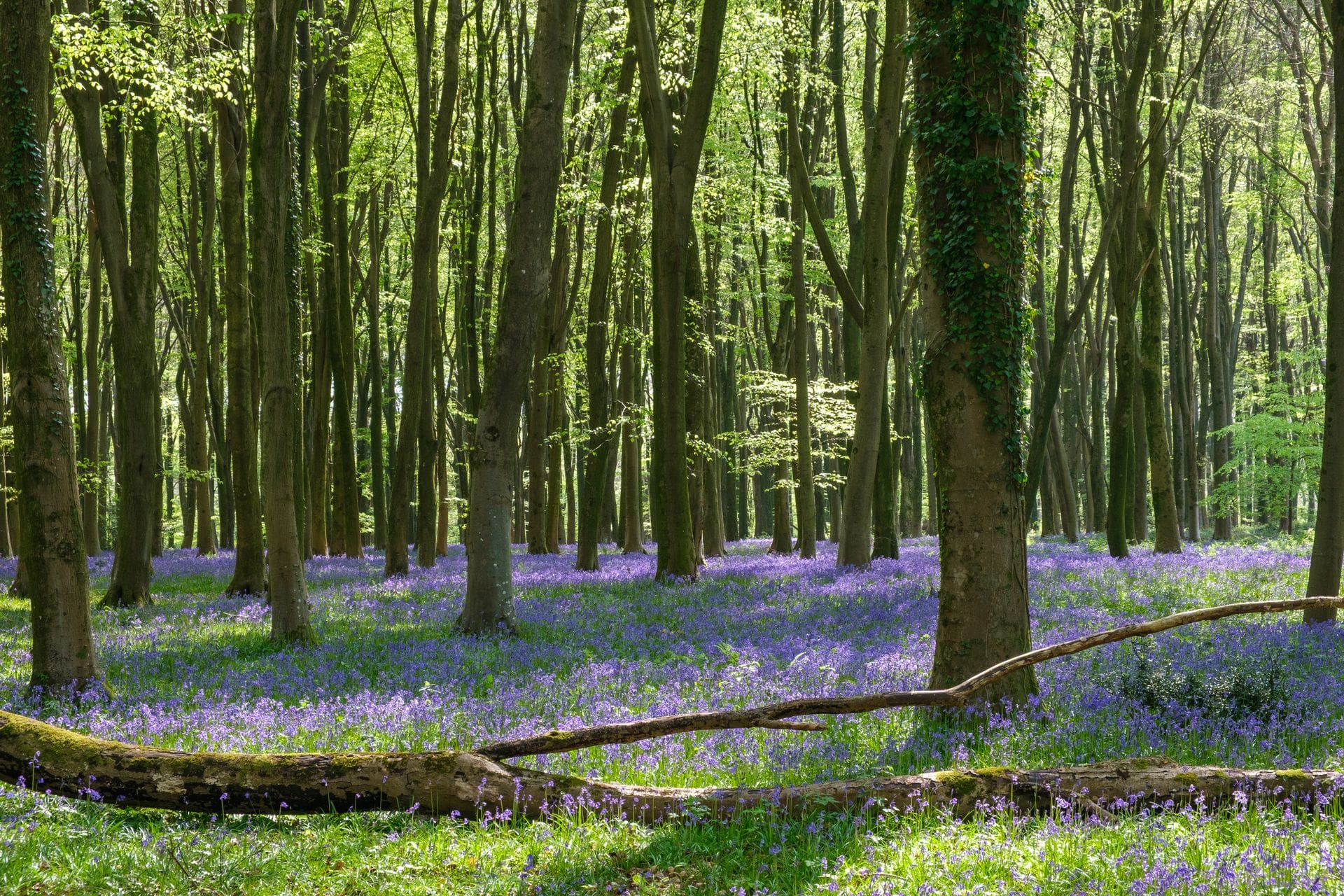
I returned to the woodland where I had first discovered the practice. It was spring, and the leaves were emerging, a pale green against the darker trunks. The air was soft, the light gentle. I walked slowly, without intention, allowing the forest to work on me. It was not a dramatic experience. It was a quiet one, a slow settling, a return to something essential. The forest had not changed. I had changed. I was learning to pay attention, to be present, to allow the trees to do what they do.
There is a reason we feel more at ease in a forest. It is not just the oxygen, the beauty, the sense of being away from the city. It is something more fundamental, a sense of being held, of being part of something larger than ourselves. The forest is a place of stillness, of being, of attention. It has always been there, waiting. The question is whether we are willing to slow down enough to meet it there.