I used to believe that rest was something you earned. It was a reward for hard work, a pause between periods of productivity, a brief respite before the next task. I treated rest as a transaction, something that had to be justified, something that could only be enjoyed once the list was complete. The problem was that the list was never complete.
It took a period of enforced stillness to change my relationship with rest. A minor health issue, nothing serious, but enough to keep me from my usual routine. I could not work. I could not exercise. I could not fill the hours with activity. I had to sit, to lie down, to simply be. It was uncomfortable at first. I did not know what to do with the silence. I felt restless, unproductive, as though I were failing at something. But gradually, I began to notice things I had not noticed before. The quality of light in the room. The sound of birds in the garden. The feeling of my own breath, slow and steady. I was learning to be still.
1. The guilt of idleness.
The first thing I noticed was the guilt. I felt guilty for not being productive, for not using the time to achieve something, for simply existing without purpose. The guilt was a voice in my head, a constant reminder that I was not doing enough. It took time to quiet that voice, to allow myself to rest without justification. I began to see that the guilt was not a sign of laziness but a symptom of a culture that equates worth with productivity. I had internalised the idea that I was only valuable when I was doing.
2. The wisdom of the body.
The body knows how to rest. It knows when it is tired, when it needs to stop, when it needs to recover. The problem is that we have learned to ignore these signals, to push past them, to override the body's wisdom with the demands of the mind. In learning to rest, I had to learn to listen. I had to pay attention to the signals my body was sending, to respond to them, to trust that the body knew what it needed.
3. The power of a pause.
A pause is not a failure. It is not a sign of weakness. It is a form of attention, a way of being present with what is happening. A pause creates space, room for something new to emerge. In learning to rest, I discovered that a pause could be a form of wisdom, a way of allowing things to unfold in their own time. The pause is the space between the notes, the silence that makes the music possible.

4. The value of being still.
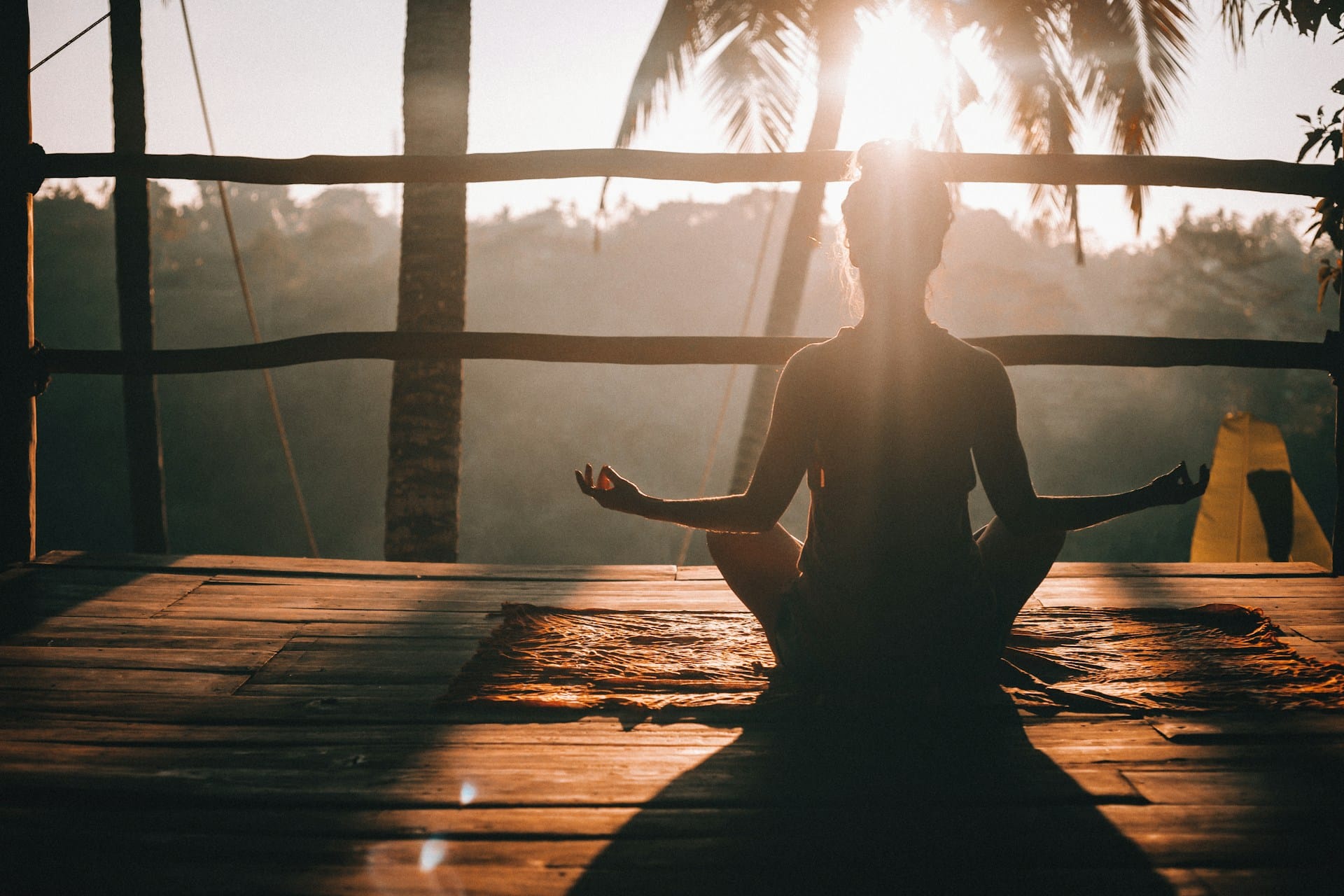
Stillness is not the absence of activity. It is a form of presence, a way of being fully in the moment. The stillness is not a lack but a quality, a way of attending to what is happening without the need to intervene. The gift of stillness is that it allows us to see things as they are, without the filter of our own expectations.
5. The courage to say no.
Rest is also a practice of boundaries. It is the courage to say no to the things that drain us, to the demands that are not essential, to the obligations that we have taken on without considering whether they are ours to carry. Rest teaches us to say no, not out of fear or avoidance, but out of a commitment to what matters. It is the act of choosing the essential over the urgent.
6. The permission to be unproductive.
Allowing yourself to be unproductive is a form of permission, a gift you give yourself to simply exist without expectation. It is the recognition that you are not a machine, that your value is not determined by your output, that there is a kind of richness in the moments that cannot be measured.
7. The discovery of a slower rhythm.
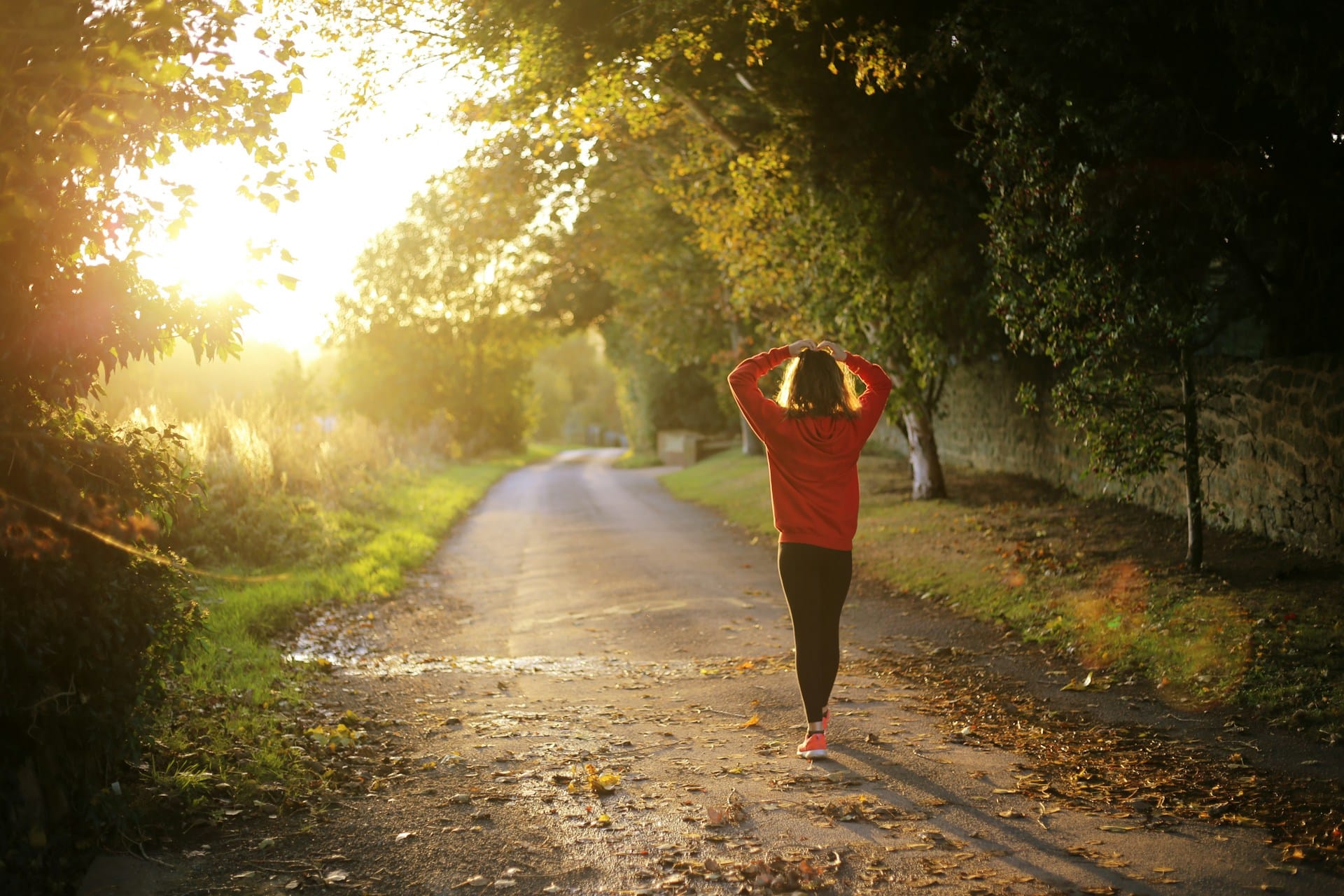
As I began to rest more, I noticed that my relationship with time was changing. I was no longer rushing from one task to the next. I was no longer measuring my day by what I had achieved. I was learning to live at a different pace, to allow time to unfold, to trust that things would happen in their own time. The slower rhythm was not a loss. It was a liberation.
8. A quiet revolution.
In learning to rest, I discovered that the act of doing nothing is a kind of rebellion. It is a refusal to be defined by productivity, a rejection of the belief that our worth is determined by what we produce. It is a choice to prioritise presence over performance, to value being over doing. In a culture that never stops demanding more, the willingness to rest is not passive. It is an act of self-preservation, a quiet assertion that you are more than the sum of your achievements.

9. The rest that is not a reward.
Rest is not a reward for hard work. It is not something you earn. It is a fundamental need, as essential as food and water. The rest that is not a reward is a form of trust, a recognition that the world will not stop turning, that the tasks will still be there, that you are allowed to step away. The rest that is not a reward is the rest that heals.
10. A practice of presence.
In the end, rest is not about doing nothing. It is about being present, allowing yourself to be where you are, without the need to be elsewhere. The practice of presence is the practice of attention, a way of being fully in the moment. And the moment is all we ever have. Rest is not an escape. It is a return to what is essential, a way of reclaiming the time that has been stolen by the constant demand to do more. In the act of stopping, we find not a loss but a gift: the permission to be, and to be enough.