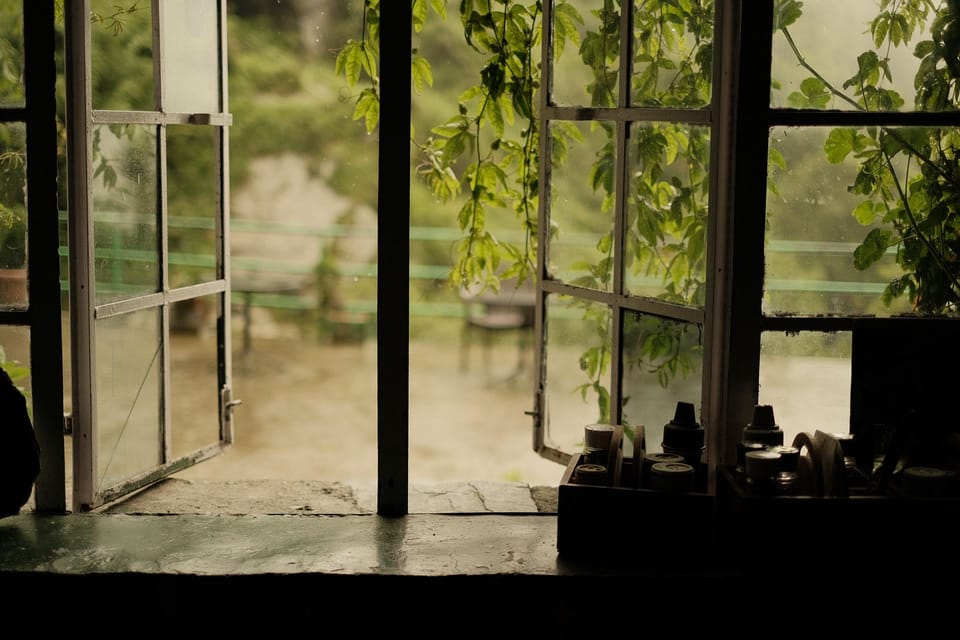
There is a particular quality to the light in a room at certain times of the day. It is not just about brightness. It is about warmth, about colour, about the way it falls on surfaces and creates shadows. I have always believed that light is the most important element in any interior, the one that determines how a space feels, how it lives, how it works.
I spent years in a flat that faced north. The light was constant, even, reliable. But it was never dramatic. There were no moments of brilliance, no shafts of sunlight, no play of shadow. It was a comfortable space, but it lacked something, a quality that I could not quite name. It was only when I moved to a house with a south-facing window that I understood what I had been missing. The light was different. It changed throughout the day, from the cool clarity of morning to the warm glow of afternoon to the soft gold of early evening. The room felt alive in a way that the flat never had.
That experience taught me that natural light is not a luxury. It is a necessity. It shapes the way we experience a space, the way we feel in it, the way we live in it. A room with good light is a room that feels open, generous, welcoming. A room with poor light is a room that feels closed, constrained, unwelcoming.
The Quality of Light
The quality of light varies with the season, the time of day, the orientation of the room. A south-facing room has strong, direct light for much of the day, a west-facing room has warm light in the afternoon and evening, an east-facing room has bright morning light, and a north-facing room has cool, even light throughout the day.
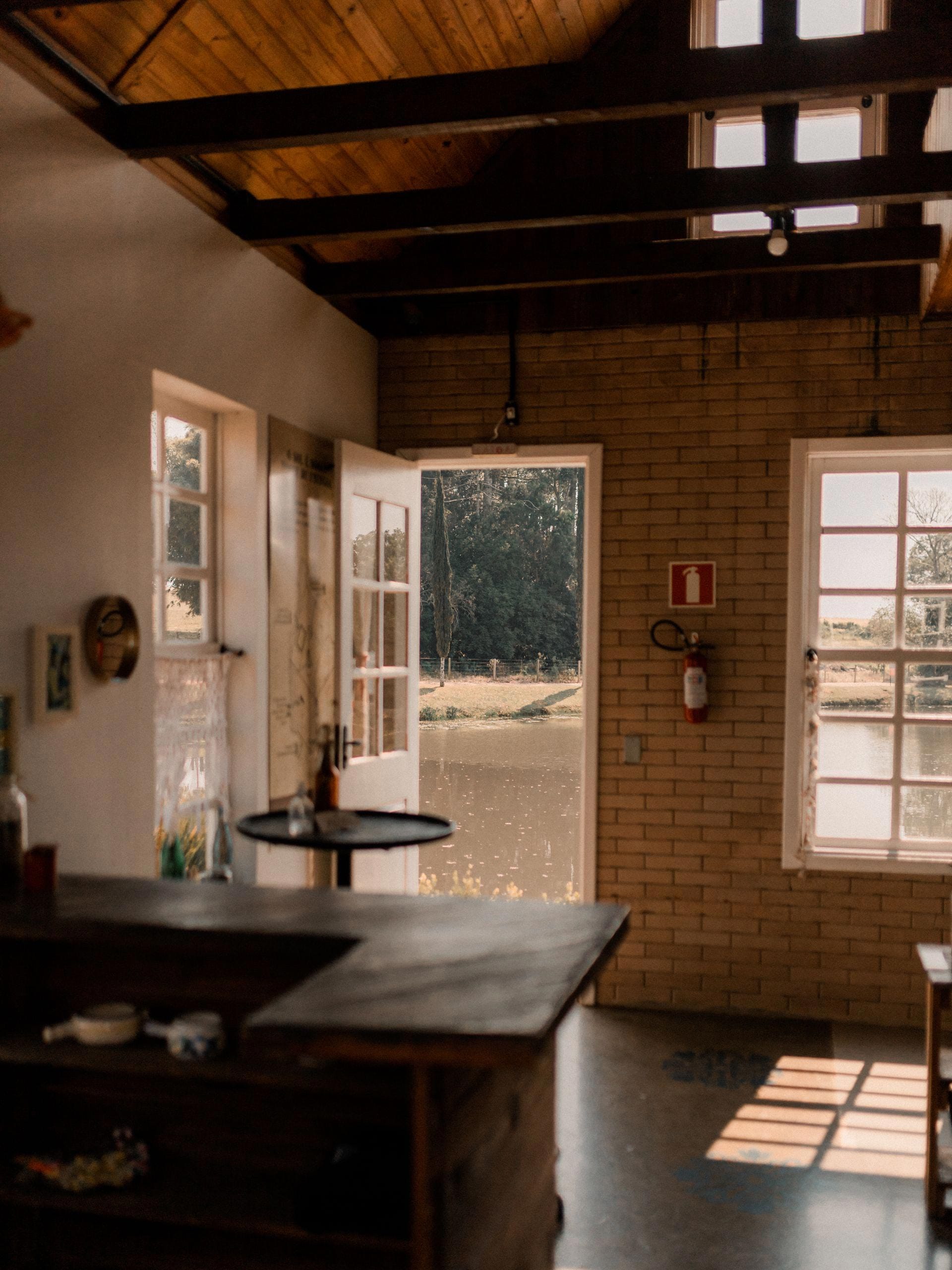
Understanding the light in a room is the first step in designing it. A room that faces south can handle dark colours, dramatic wallpapers, heavy fabrics. A room that faces north may need lighter colours, reflective surfaces, more artificial light. The light in a room determines what is possible, and the best interiors are the ones that work with the light rather than against it.
I spoke to an interior designer who specialises in working with natural light. She told me that the most important thing is to observe the light in a room before making any decisions. She recommends spending time in the room at different times of the day, noting where the light falls, how it changes, where the shadows are. This is not a quick process. It requires patience, attention, a willingness to wait. But it is the foundation of any successful design.
The Colour of Light
Light is not just about brightness. It is also about colour. The colour of natural light changes throughout the day, from the cool blue of morning to the warm gold of late afternoon. This has a profound effect on the colours in a room. A paint colour that looks perfect in the morning may look entirely different in the evening.
I once painted a room a pale grey that I had chosen from a sample in the shop. It looked perfect in the daylight of the shop, but when I painted it in the room, which faced west, it took on a pinkish hue in the afternoon light. It was not what I had intended, but it was not unattractive. It was a lesson in the importance of testing colours in the actual room, in the actual light.
The designer I spoke to recommends painting large squares of colour on the walls and living with them for a few days. This allows you to see how the colour responds to the changing light, to understand how it will look at different times of the day. It is a small effort that can save a significant amount of disappointment.
The Materials That Respond to Light
The materials you choose also respond to light. A polished surface reflects light, creating a sense of space and brightness. A matte surface absorbs light, creating a sense of intimacy and depth. The choice of materials determines how the light will be received, and it is an essential part of the design process.
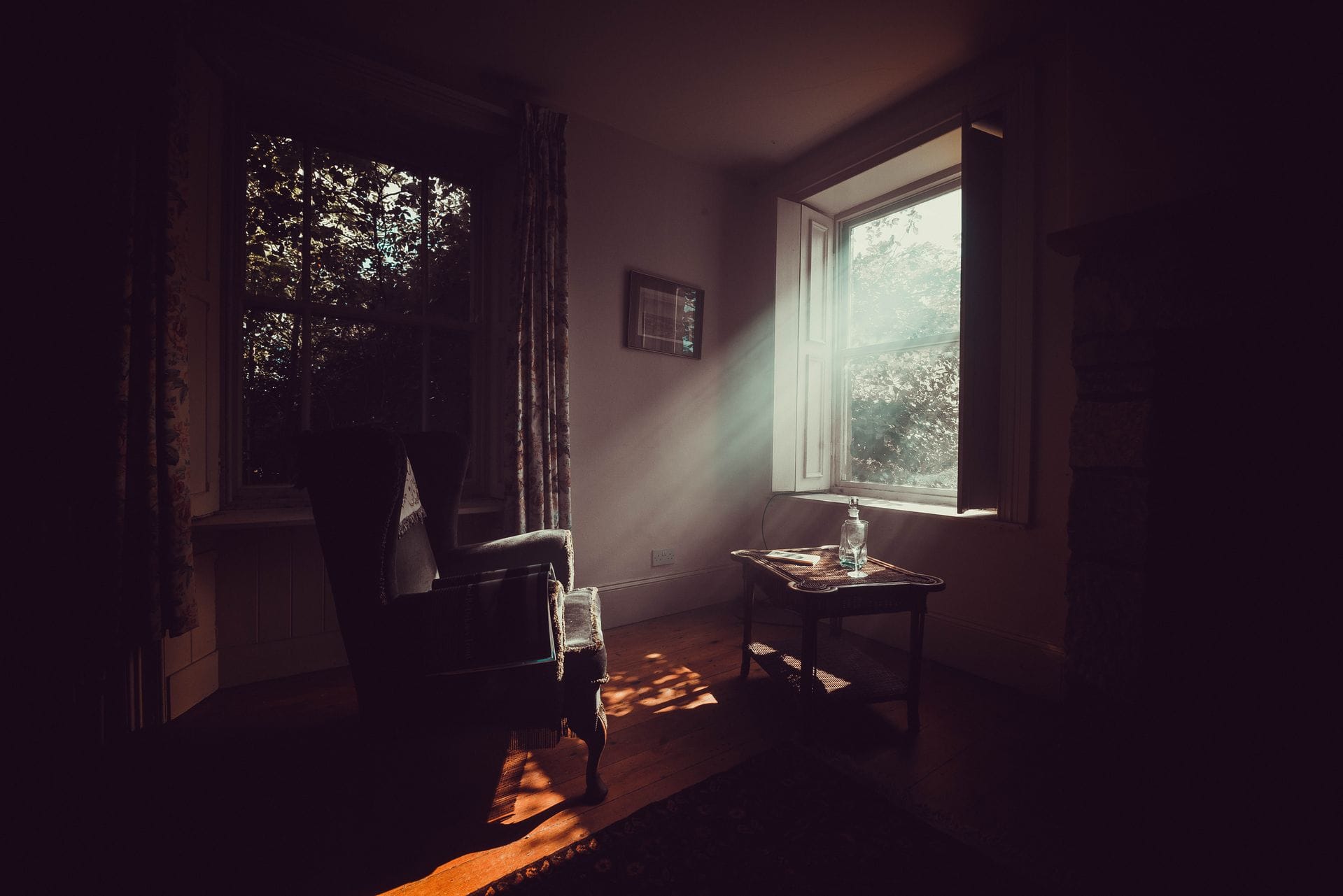
Stone, wood, metal, glass, fabric—each material responds to light in a different way. A room with a polished concrete floor will feel very different from a room with a wool carpet. A room with glass doors will feel very different from a room with solid walls. The materials you choose should be chosen in relation to the light, as part of a coherent whole.
The Shadows That Give a Room Depth
Light is not the only element. Shadows also matter. Shadows give a room depth, texture, a sense of the space being lived in. A room without shadows can feel flat, clinical, lifeless. A room with shadows feels rich, layered, human.
I have a friend who is a painter, and she often talks about the importance of shadows in her work. She says that the shadows are what give a painting its depth, its sense of reality. A room is not so different. The shadows are what make it feel like a space that is lived in, a space that has a history.
The Light and the Seasons
The light changes with the seasons. In winter, the light is low and cool, and it casts long shadows. In summer, the light is high and warm, and it fills the room with a golden glow. The best interiors are the ones that adapt to these changes, that feel different in different seasons, that respond to the rhythms of the year.
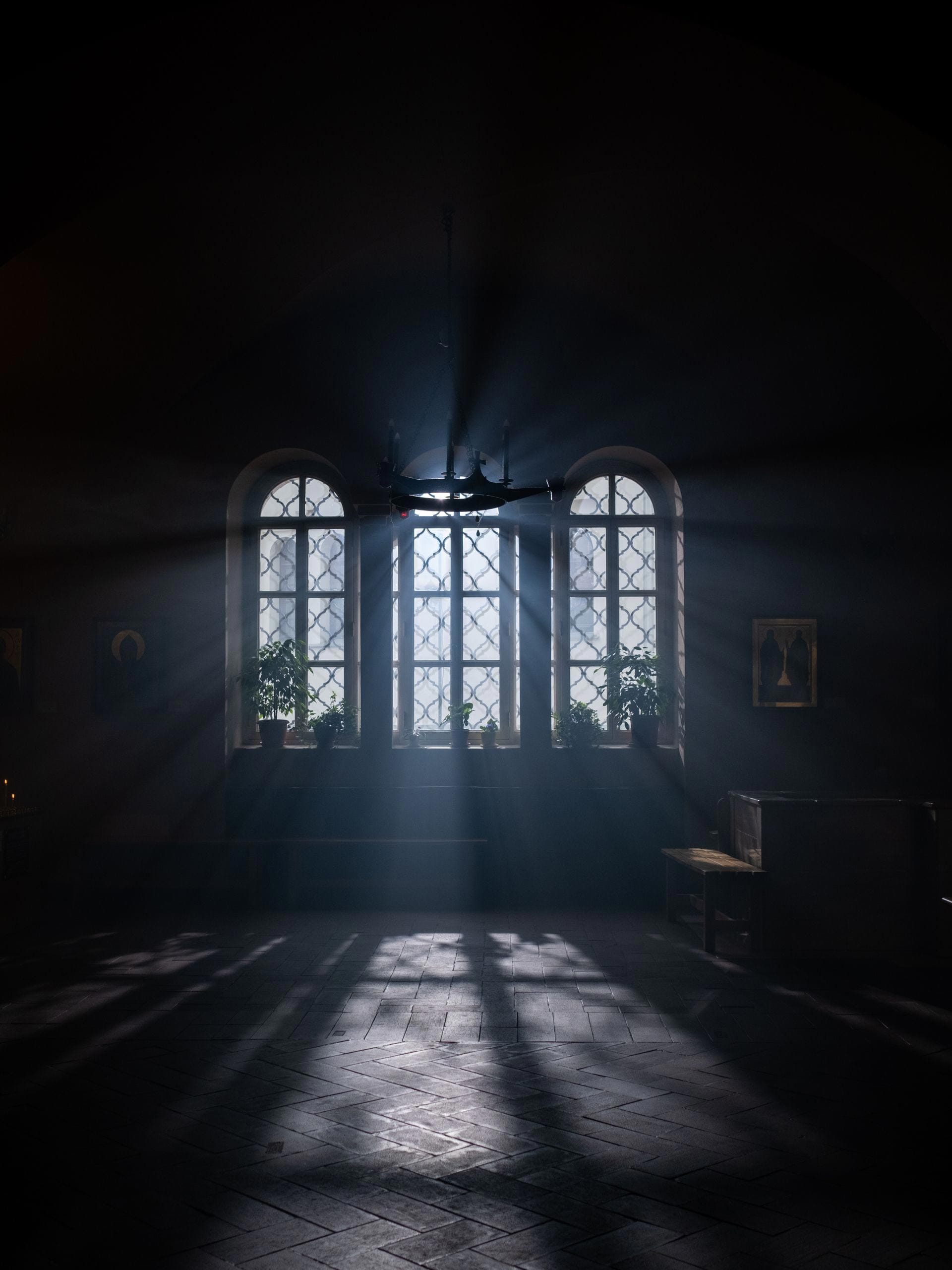
I have a room that is flooded with light in the summer, when the sun is high, but feels darker in the winter, when the sun is low. I have learned to adapt the room to the seasons, adding warm textiles in the winter, removing them in the summer. The room is not static. It responds to the seasons, as the garden does.
A Room That Changes
In the end, the most beautiful rooms are the ones that change with the light. They are not static, fixed, unchanging. They are alive, responsive, always in conversation with the world outside. A room that changes with the light is a room that is never the same, that always offers something new, that never quite reveals all its secrets. It is a room that is always becoming, a space that is never finished.