The first time I properly cooked for myself, I was nineteen, living in a basement flat with a kitchen the size of a wardrobe and a budget that stretched to pasta and tinned tomatoes. I remember the precise weight of the saucepan, the way the onions hissed when they hit the oil, the improbable alchemy of garlic and heat.
It was a simple meal, practically monastic in its frugality. But it was mine. No one else's hands had touched it, no one else's appetite had shaped it.
That meal marked the beginning of something I did not yet have words for. It was not just about feeding myself. It was about learning to be alone, and finding that being alone did not have to mean being lonely. There is a particular pleasure in cooking just for yourself, a freedom that is difficult to explain to those who have never experienced it. You can be experimental without fear of failure. You can pause in the middle to read a few pages of a novel. You can eat standing at the counter, straight from the pan, as the light fades outside the window and the day settles into evening.
The Ingredients of Solitude
Yet cooking for one is not always celebrated. It is often framed as a concession, a necessity for those who have not yet found a partner, or who have lost one. The recipes are scaled down, the portions diminished, as though the joy of cooking is somehow proportional to the number of people you cook for.
I came to reject this equation. Cooking for myself was not a compromise but a choice. It demanded a certain discipline, a willingness to listen to my own appetite, to honour the particularity of my own desires. It required that I become the sole audience for my own creativity—and that, I discovered, was a surprisingly profound act.
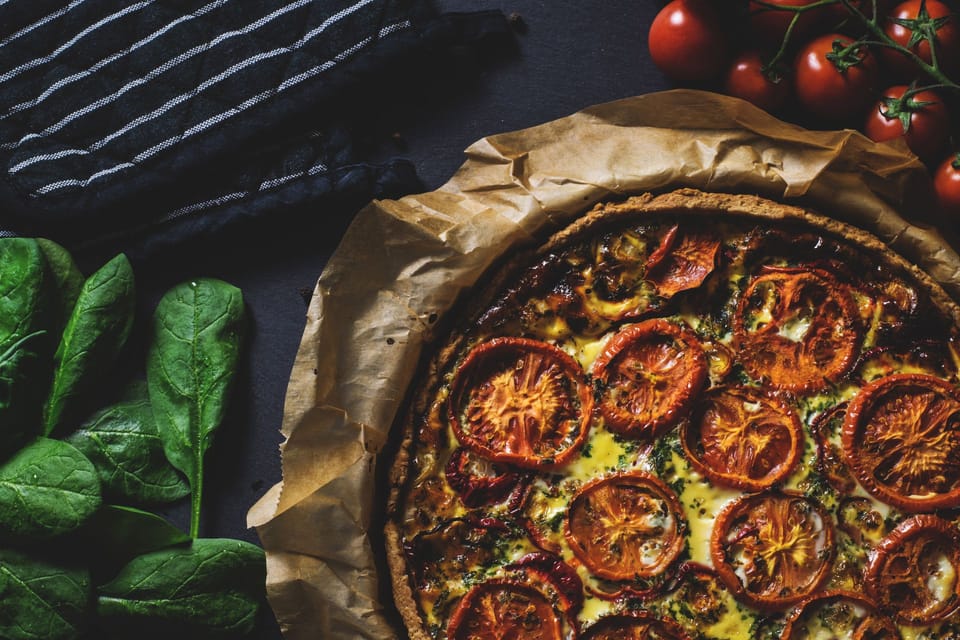
There are dishes that exist only in the context of being alone. A bowl of broth made from the bones of a chicken you roasted the day before, simmered for hours, reduced to a depth that transcends its humble origins. A single, perfect egg, fried in olive oil until the edges are crisp and brown. A tomato, still warm from the sun, sliced and salted and eaten over the sink, the juice running down your wrist.
These are not meals for sharing. They are meals for presence.
The Ritual of the Chop
The preparation itself becomes a kind of meditation. The rhythm of the knife against the board, the repetition of a task that is both simple and profound. When you cook for others, there is an expectation, a pressure to perform. When you cook for yourself, there is only the task itself.
There is no audience to impress, no anxious checking of expressions, no hope of approval. You can take your time. You can make mistakes. You can adjust and adapt and change your mind halfway through, because there is no one waiting, no one whose satisfaction depends on the outcome. The cooking is the point, and the eating is simply its conclusion.
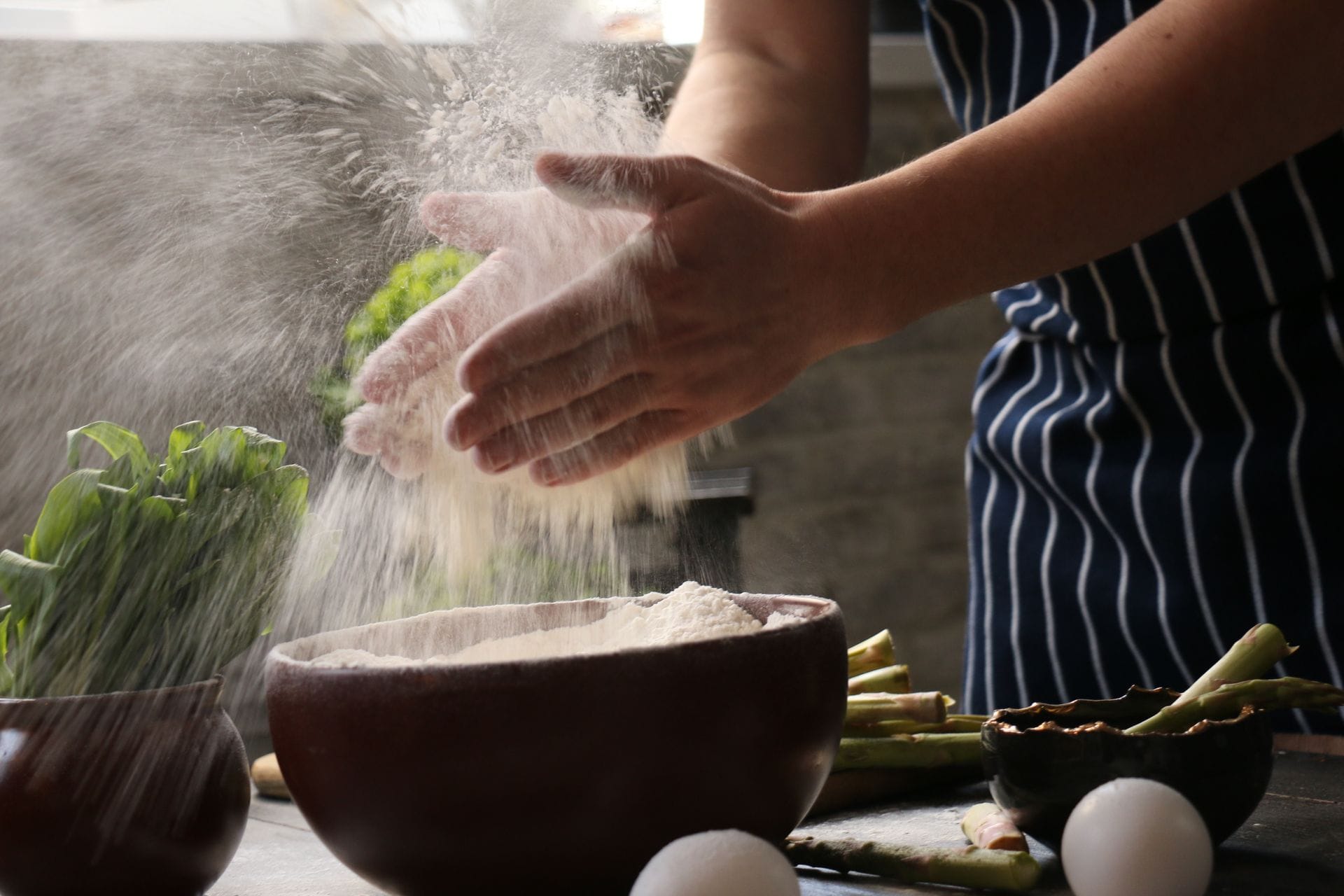
The vegetables you chop become a landscape of geometric precision, the flour you dust becomes a cloud, the steam that rises from the pan carries with it the scent of somewhere else, a place you once visited, a person you once knew. The kitchen becomes a space of memory, of quiet, of presence. And the meal you produce, however humble, is a reflection of all those minutes you spent, not rushing, not multitasking, but simply being present.
The Scent of Nostalgia
Food has always been a pathway to memory. A single smell can carry you back decades, to a kitchen you have not thought of in years, to a person you have not seen, a version of yourself that no longer exists.
The scent of cinnamon transports me to my grandmother's house, where she filled her kitchen with the heat of ovens and the fragrance of baking. The smell of lemon zest takes me to a sunlit counter, where I first learned to fold egg whites into batter without collapsing the air. These sensory echoes are not always accompanied by stories or explanations; they are simply there, a door that opens without a key.
There is a particular intimacy to these associations. When you are the only one at the table, there is no need to explain why a certain dish makes you sentimental. There is no need to justify the memory. It simply is.
Cooking as Care
There is a strain of thought, persistent in certain quarters, that cooking for oneself is a form of neglect, that the effort is not worth the reward, that it is more efficient to eat a sandwich or a packet of instant noodles than to prepare a proper meal. This, I think, is a profound misunderstanding of what cooking is.
Cooking for yourself is a form of care. It is an affirmation of your own worth, a declaration that you matter enough to be fed properly. The act of preparing a meal, of attending to the details, is the same act as tending a garden or writing a letter or keeping a journal. It is a way of saying: I am here. I am worth the effort.
I remember a period in my early twenties when I did not cook for myself at all. I ate standing up, in front of the refrigerator, whatever was available. I drank coffee instead of eating breakfast. I skipped lunch. I was not busy, not really. I was simply convinced that cooking for one was not worth the trouble.
It was a version of myself I no longer recognise, a person who was convinced that the only valid form of cooking was for others. And the belief was, in its own way, a confirmation that I was not worth the effort.
The Quiet Dawn
I have learned, gradually, to appreciate the ritual of cooking in the early hours, when the world is still and the kitchen is a pocket of soft light. At this time, there is no urgency, no demands, only the quiet repetition of familiar motions.
Mornings are the time for making something that requires patience, something that rewards attention. I have a collection of recipes that fall into this category: a batch of bread that must be kneaded and left to rise twice, a custard that cannot be rushed, a pot of jam that bubbles and thickens on the stove, filling the house with fragrance. These are not projects for a guest, but for the person who will be there to experience the full evolution of the dish.
The Japanese have a concept, shokunin, which is often translated as craftsmanship but also carries a sense of unending dedication, a desire to perform a task with care and purpose. It is the idea that the task is more than the outcome, and I have carried that with me into the kitchen. The bread you knead is not just bread; it is a relationship with flour and water and time. The egg you fry is not just an egg; it is a moment of stillness in a day that will otherwise be full of movement.
The Table as a Container
In the end, a solitary meal is not a sad meal. It is not an act of necessity, a pause in the search for company. It is a choice, a decision to sit with yourself in the presence of something you have made, to acknowledge the value of the everyday, to honour the ritual of the table.
I think of these meals less as isolated acts and more as rituals of attention. They speak to a person’s capacity to care for themselves, to manage the details of life, to find pleasure in the routine. They are a way of affirming that you are alive, that you are present, that you are worth the effort.
The egg you fry is not just an egg—it is a gesture, a modest but significant act of self-acknowledgement. The broth you simmer is not just broth—it is a conversation with memory, a way of connecting with the person you were yesterday.
This is the gift of cooking for yourself: the freedom to be wholly present, the permission to be imperfect, the quiet satisfaction of a task completed not for recognition, but for the simple pleasure of having done it.
A Final Thought
I have come to believe that cooking for oneself is one of the great, undervalued acts of adult life. It is a practice that cultivates patience, attention and self-respect. It is a way of saying, without any need for an audience, that you are worthy of the effort.
And when I sit down at the table, alone, with a meal I have prepared, I sometimes think of the writer who described a solitary meal as the happiest kind. It is a moment of restoration, a small ceremony of one.
The steam rises. The bread is warm. The egg is golden. And for a moment, the world is exactly as it should be.