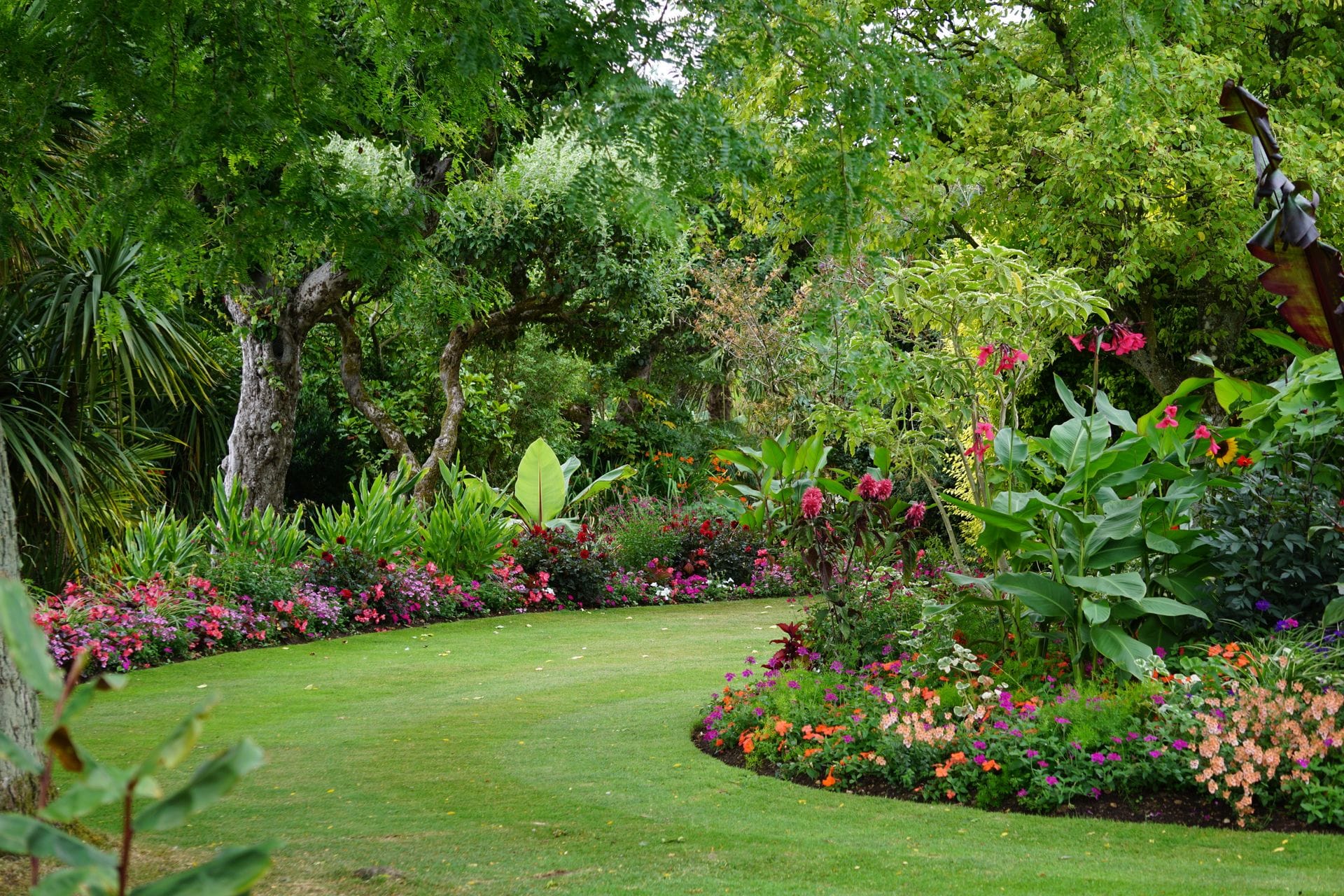
My mother's garden was not a show garden. It was not the kind of garden that appears in magazines, with perfectly spaced borders and immaculate lawns. It was a garden that had been shaped by the years, by trial and error, by the slow accumulation of small successes and failures. It was a garden that had been lived in, and it was a garden that had taught me more than I had realised at the time.
I grew up thinking of the garden as simply the space behind the house. It was where I played, where I read in the summer, where I retreated when the house felt too small. I did not think of it as a place of work or of intention. It was just there, a constant presence that I took for granted.
It was only when I left home that I began to understand what my mother had created. She had planted the garden over decades, adding a tree here, a border there, moving plants to better positions, learning from each season. It was a garden that had evolved slowly, in response to the conditions of the soil and the demands of the weather, shaped by her observation and her willingness to wait. The garden taught her patience, and she passed that lesson on without ever saying a word.
1. A garden is never finished.
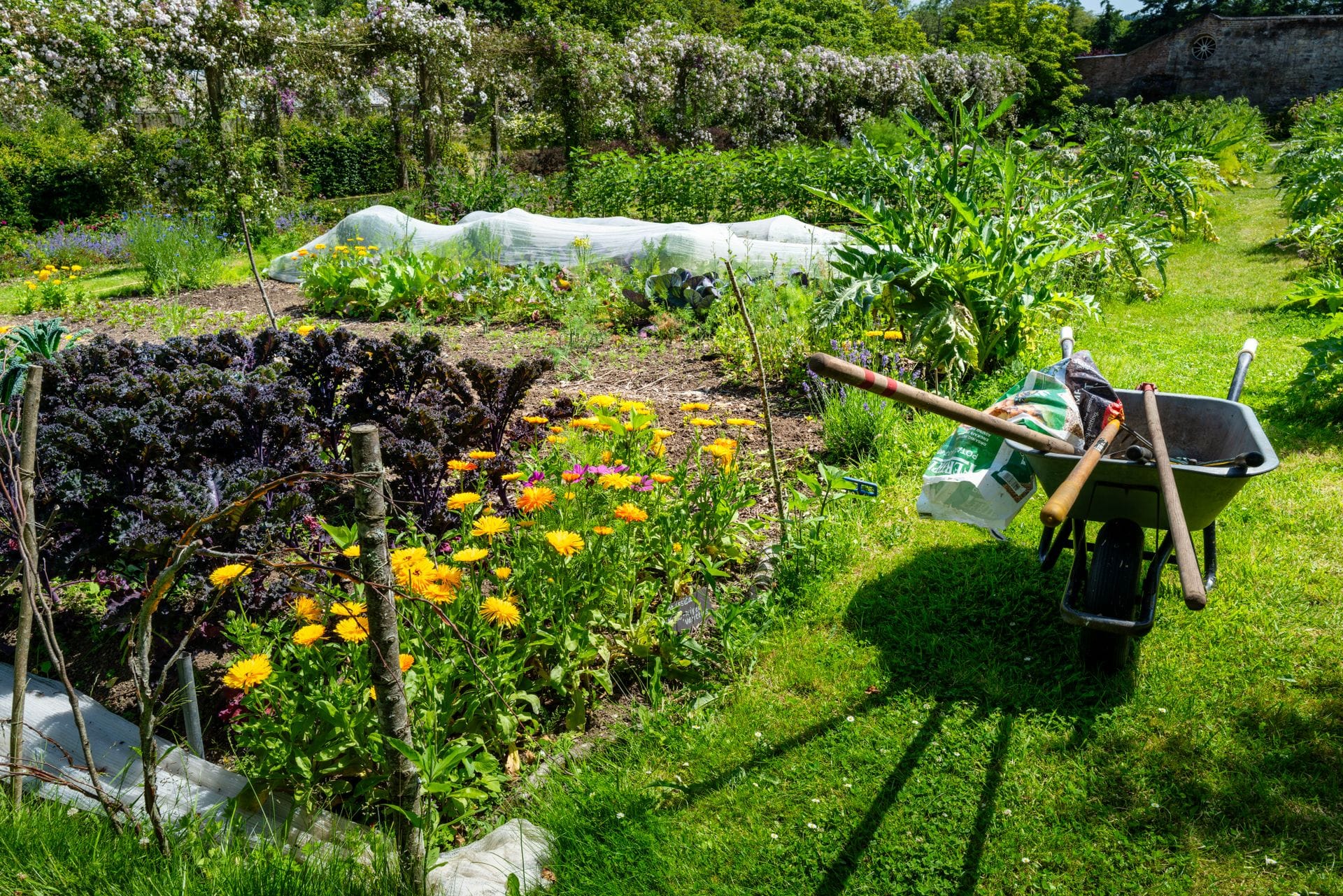
My mother often said that a garden is never finished, that it is always becoming, always responding to the changes in the weather and the growth of the plants. A garden is not a project to be completed. It is a relationship that continues, a conversation with the soil and the climate. The unfinished garden is not a lack. It is an invitation, a space where something can still happen.
A finished garden is a dead garden. A garden that is always becoming is alive. It is always responding to the changes in the conditions, always adjusting, always growing. The unfinished garden is not a sign of neglect. It is a sign of life.
2. Patience is the gardener's most important tool.
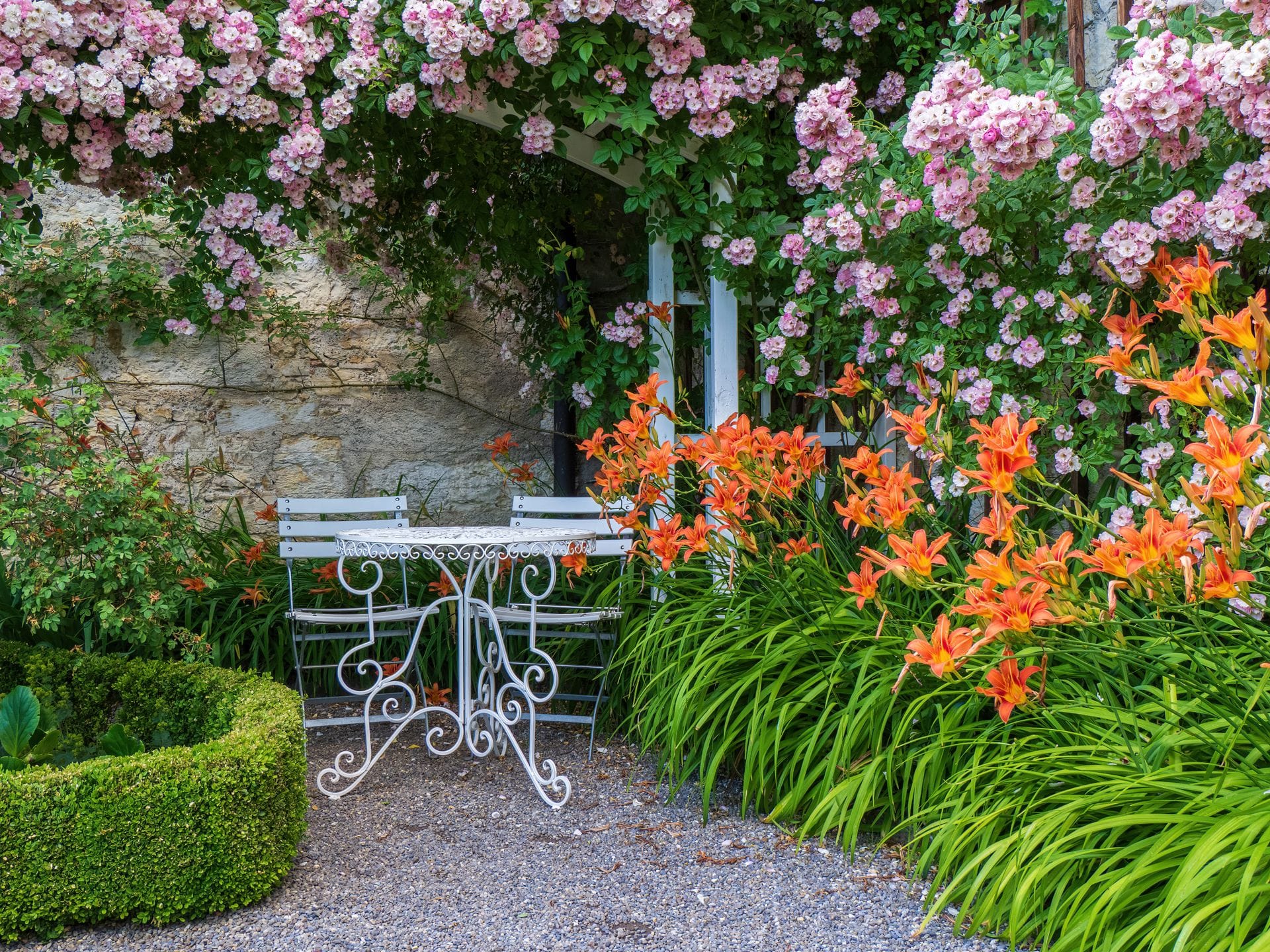
My mother's garden grew slowly. She was not in a hurry. She understood that a plant cannot be forced to grow faster than it wants to, that the seasons cannot be rushed, that a garden requires a form of patience that is difficult to cultivate in any other context. The gardener waits for the first shoots, waits for the first flowers, waits for the fruit to ripen. The waiting is not passive. It is attentive, a watchful presence that is attuned to the small changes that signal growth.
3. The value of a plant that survives.
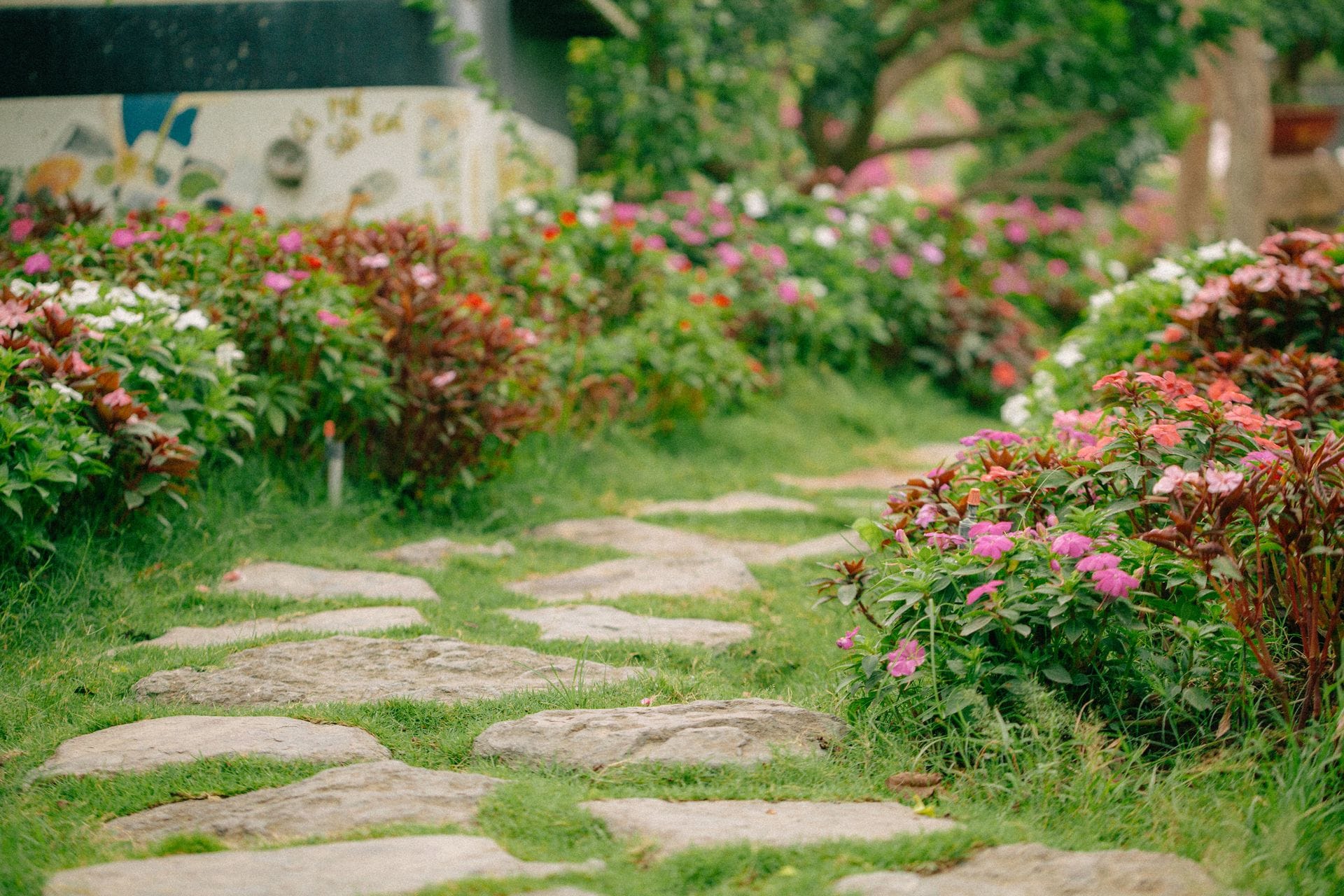
The plants my mother valued most were not always the most beautiful ones. They were the ones that survived, that adapted to the conditions, that came back year after year. She had a rose that had been battered by storms and had grown back each time, its branches twisted but its flowers abundant. She had a patch of lavender that had outlived several droughts, its scent as strong as ever. These were not plants she had purchased. They were plants she had nurtured, plants that had earned their place through sheer persistence.
4. The importance of observing.
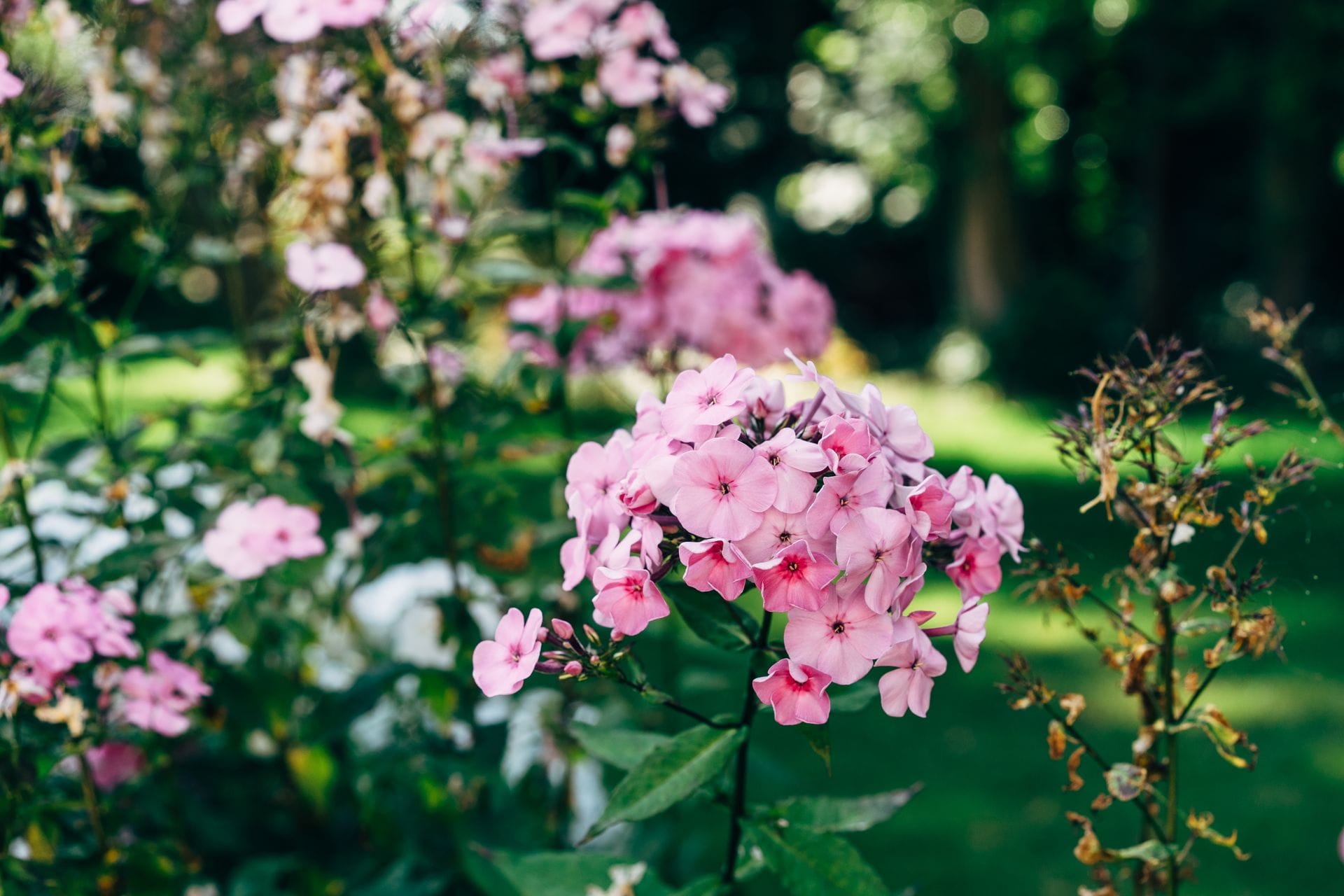
My mother spent a lot of time observing her garden. She would stand at the window, watching the way the light fell on the border, noticing where the shade was too deep, where the soil was too dry. A good gardener is not just someone who plants. A good gardener is someone who pays attention, who notices the small changes, who responds to what they see. A garden is not a static thing. It is a dynamic system, always changing, and the gardener is the one who tracks those changes.
5. The patience of the gardener is not passive.
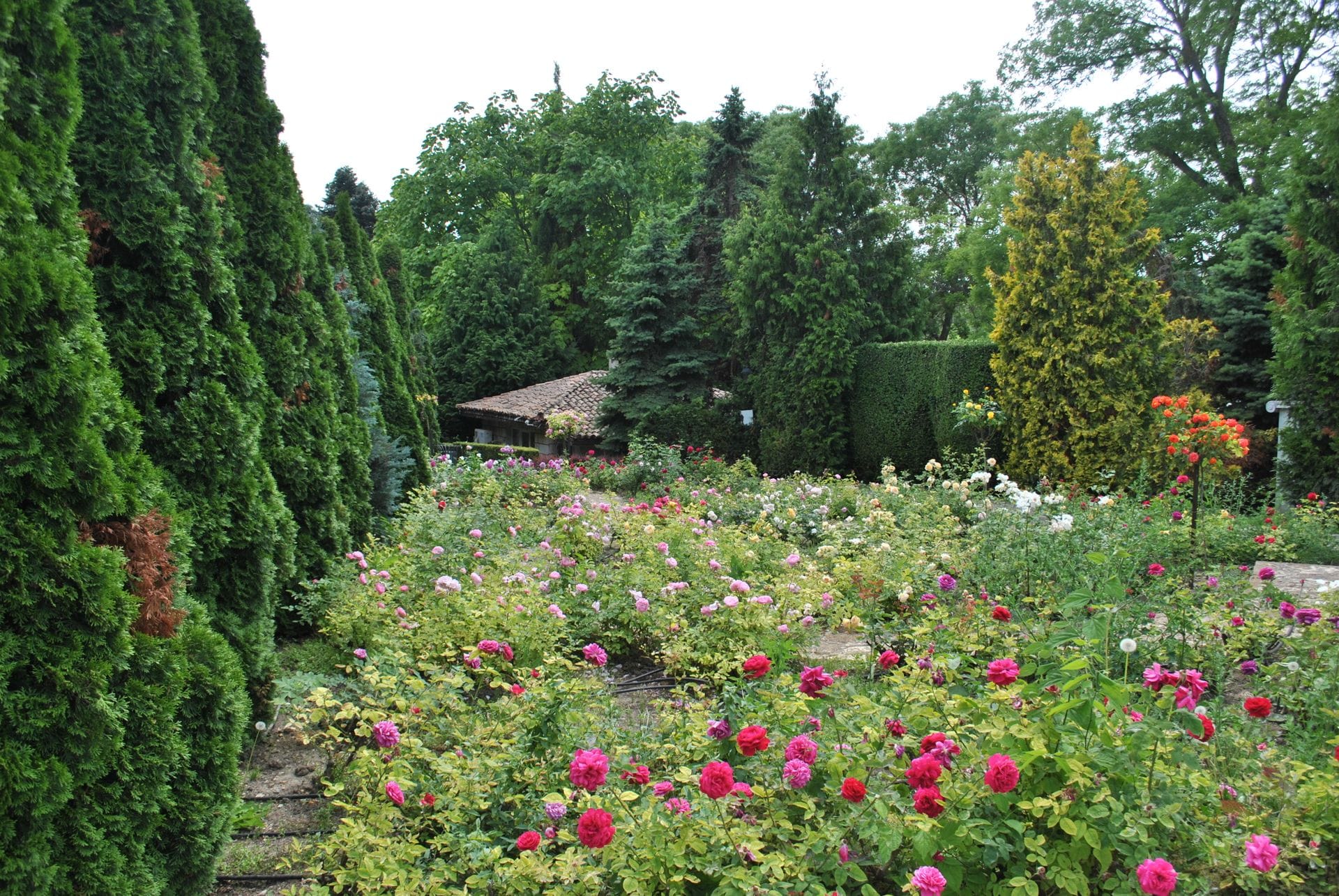
The patience of the gardener is not a passive waiting. It is an active attention, a willingness to be present with the changes that are happening. It is a patience that is alert, attuned, responsive. And it is a patience that is difficult to cultivate in any other context. The gardener who waits for the first shoots, who waits for the flowers to open, who waits for the fruit to ripen, is not simply waiting. They are paying attention. They are present with the process.
6. The garden as a record of time.
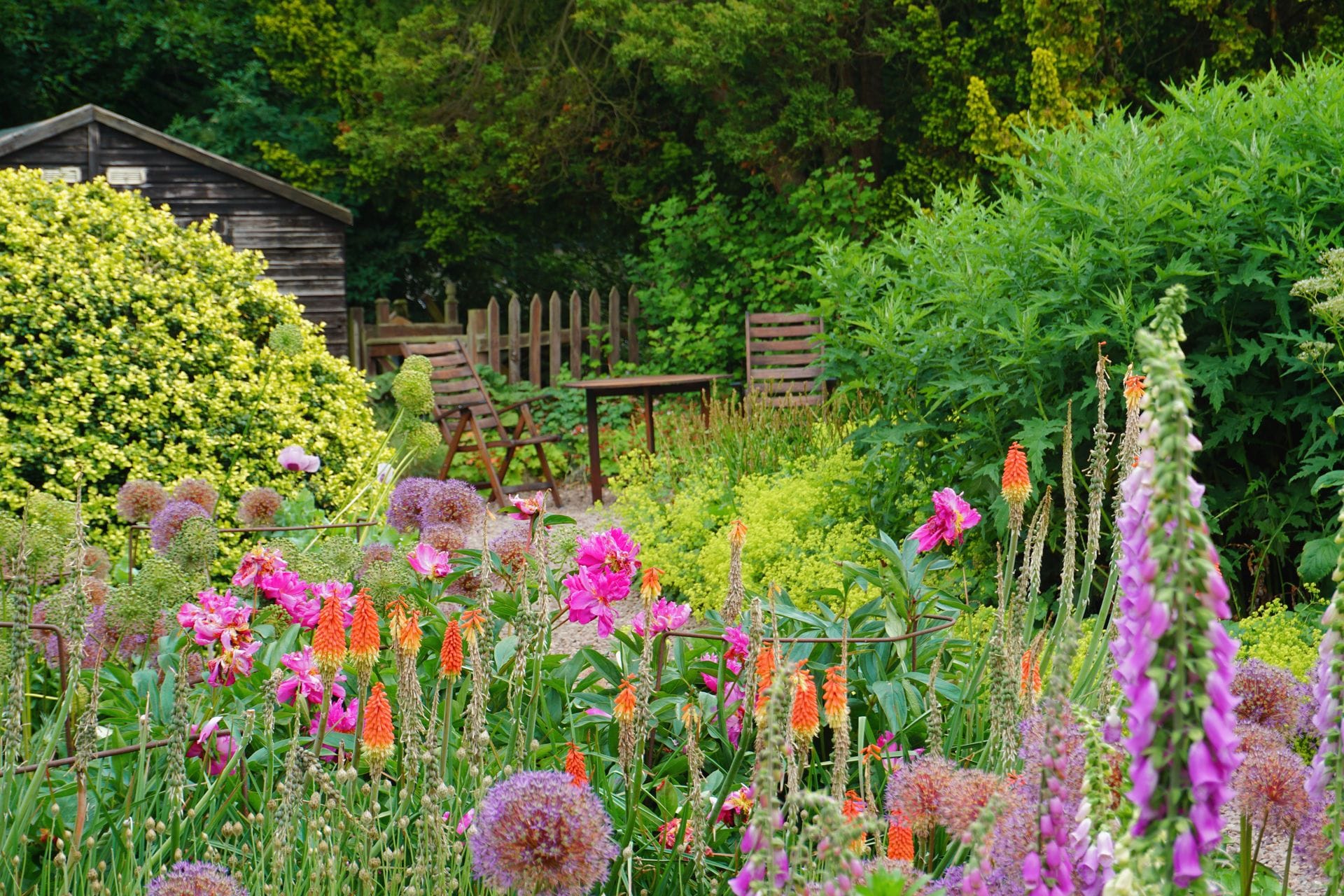
A garden is a record of time. The growth of a tree, the development of a border, the changes in the soil—all of these are markers of the years that have passed. My mother's garden was a record of her life, a chronicle of the years she had spent tending it, the choices she had made, the things she had learned. The garden was not just a space. It was a history.
7. The gift of a garden that outlasts you.
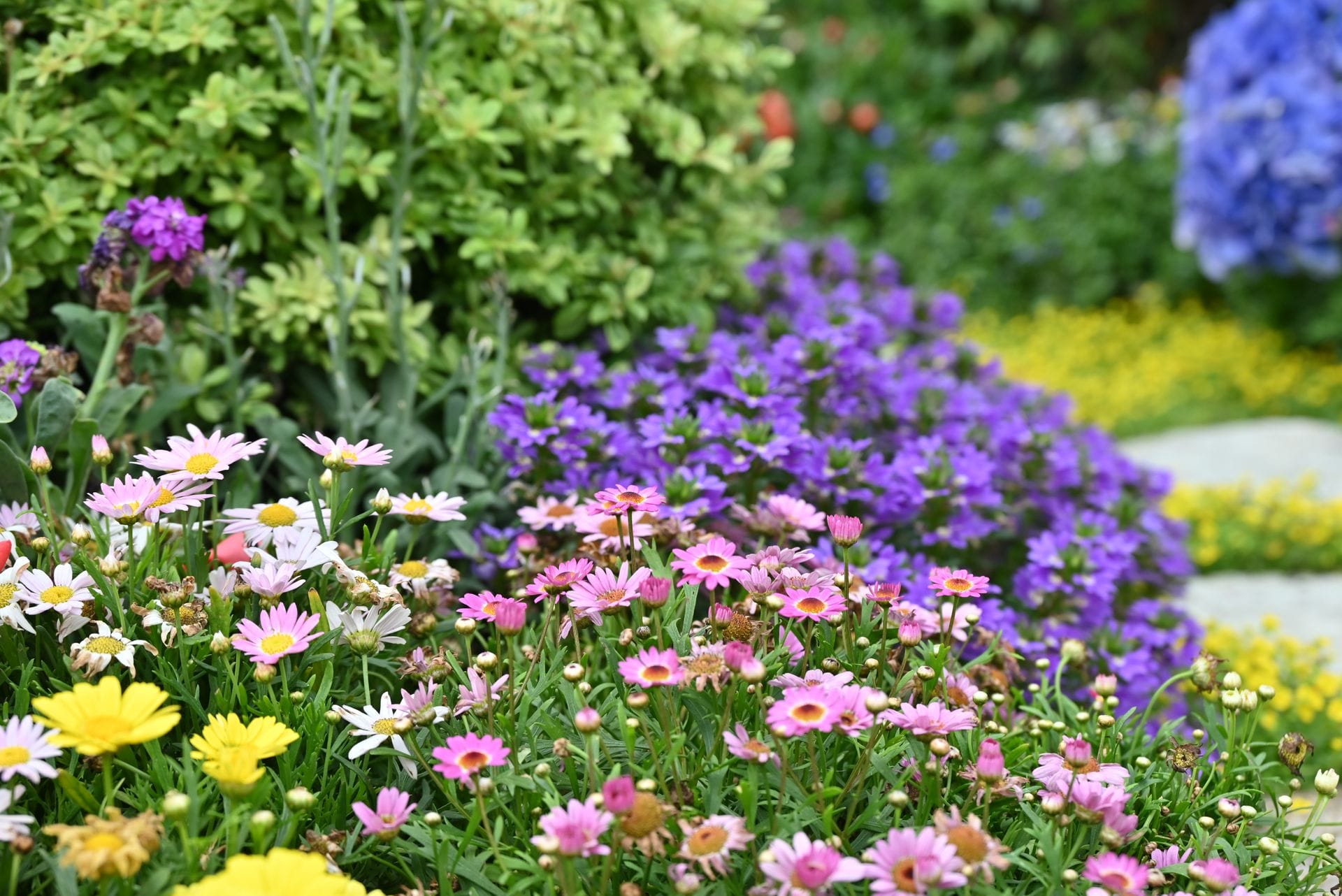
My mother's garden outlasted her. When she died, the garden did not disappear. It continued, a living presence, a reminder of the years she had spent tending it. A garden is a form of permanence, a connection to the people who have tended it before. It is a gift that is passed from one generation to the next. The garden that outlasts the gardener is a form of immortality, a continuing presence that will outlast any individual life. It is a gift that the gardener gives to the future.
8. The garden as a teacher.
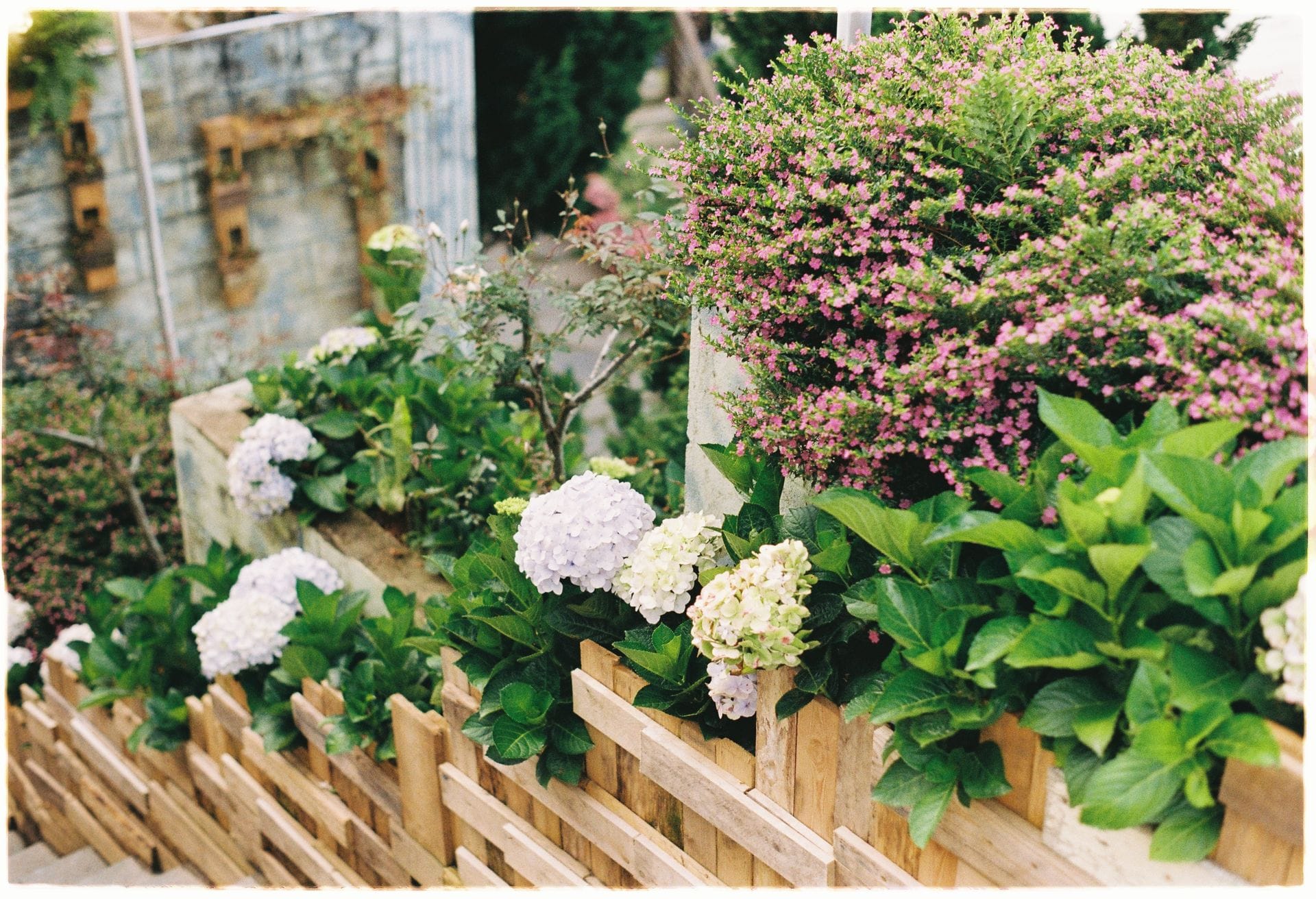
A garden teaches. It teaches patience, attention, the value of a long view. It teaches you to observe, to wait, to be present. My mother's garden taught me more than I realised at the time. It was not just a space to be enjoyed. It was a space to learn, a space to understand the value of a life lived with care.