There is a particular quality to a nursery that has been built from the ground up. It is not just the plants, though they are the heart of it. It is the sense of intention, the feeling that every decision has been made with care, that the place has been shaped by a vision that is both practical and poetic. This is the feeling that greets you at The Wye Valley Nursery, a new venture that opens this month, the work of plantsman James Hartley.
James's path into horticulture was not a straight line. He began his career in the arts, working as a curator at a small gallery in the Welsh borders. It was a life of quiet spaces and careful attention, but he found himself drawn to the world outside the gallery walls. He started volunteering at a local community garden, then took a part-time job at a nursery, and gradually, almost imperceptibly, the garden began to take over.
I think I was always looking for a way to combine the two things I loved: the precision of curation and the wildness of nature. The garden is the only space I know where those two things can coexist.
His formal horticultural training began at the Royal Botanic Gardens in Edinburgh, where he spent two years learning the foundations of plant science and cultivation. From there, he moved to a small but revered nursery in the Welsh hills, known for its collection of rare perennials. It was an education in patience, in attention to detail, in the quiet art of growing things slowly.
A Philosophy Rooted in the Soil
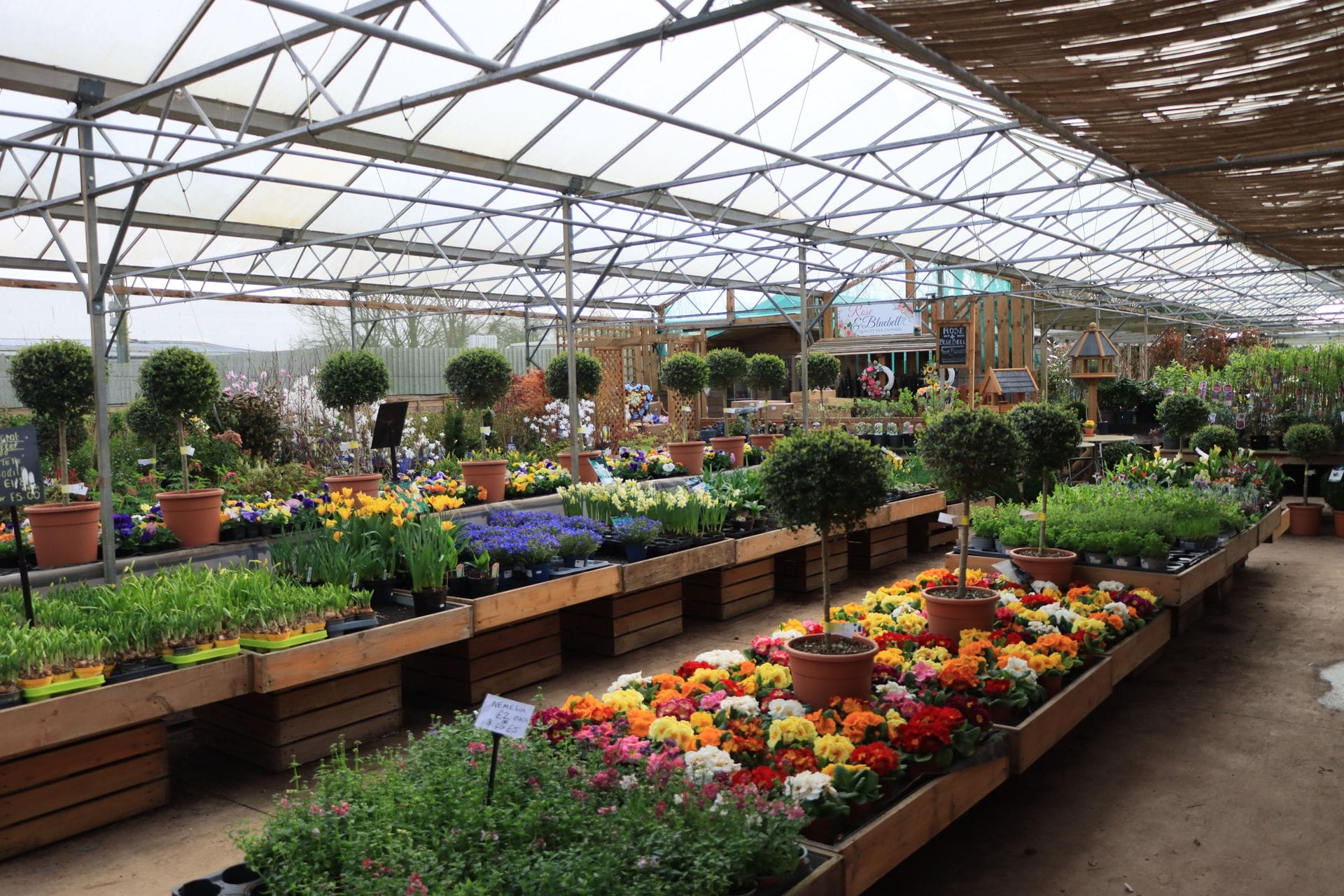
At the heart of The Wye Valley Nursery is a simple but radical idea: that plants should be grown in the soil, in the open air, with minimal intervention. The nursery does not use heated greenhouses, relying instead on the natural rhythms of the seasons. It does not use chemical fertilisers, preferring instead to build healthy soil through composting and careful management.
James describes the approach as a return to the principles that guided nurserymen for centuries, before the rise of industrial agriculture. It is not about being nostalgic, he insists. It is about being practical. A plant that has been grown slowly, in the open air, develops a root system that is strong and resilient. It is a plant that will survive in a garden, that will thrive without constant attention.
The old ways are not just about tradition. They are about effectiveness. A plant that has been pushed to grow quickly under glass with chemical fertilisers may look good in a pot, but it is not a plant that will last. We are growing plants for gardens, not for supermarket trolleys.
The nursery is organised around a series of stock beds, open to the sky, where plants are grown for propagation. It is a living catalogue, a space where you can see the plants in the ground, where you can observe their habit, their form, their relationship to the seasons. It is also a space of possibility, where chance combinations often suggest new ways of planting.
A Return to the Bare Root
One of the distinctive features of The Wye Valley Nursery is its commitment to bare-root plants. This is a traditional method in which plants are lifted from the ground to order, their roots exposed, without the use of plastic pots. It is a system that requires planning and care, but it is also a system that is more sustainable.
James explains that the bare-root system allows for a healthier plant. When a plant has been grown in the ground, its root system develops naturally, without the constraints of a pot. When it is lifted to order, it is ready to be planted in its final position, where it will establish quickly.
We are not just reducing plastic. We are growing better plants. The bare-root system is not a gimmick. It is a return to something that works.
A Garden of Ideas
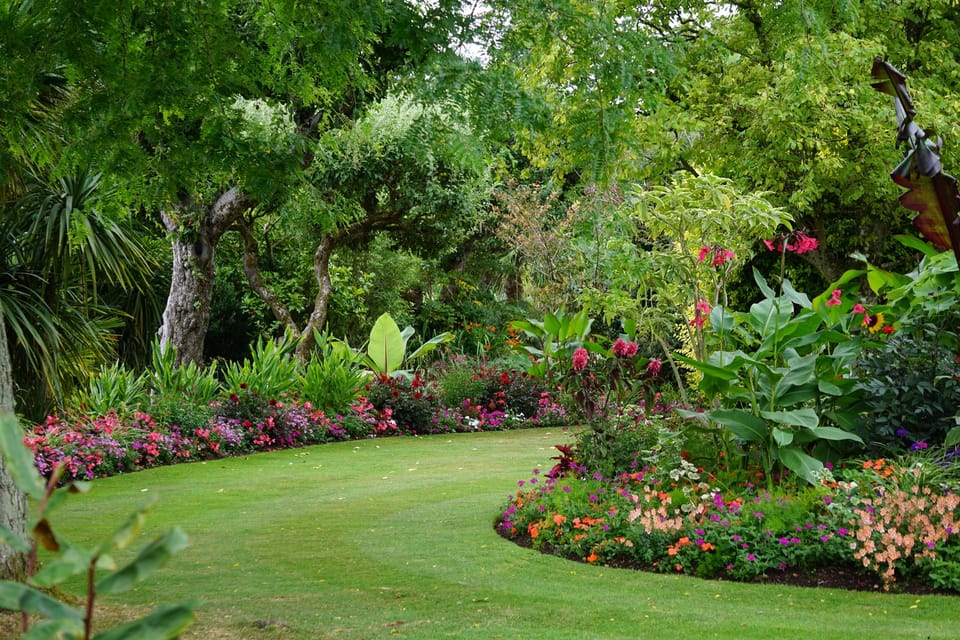
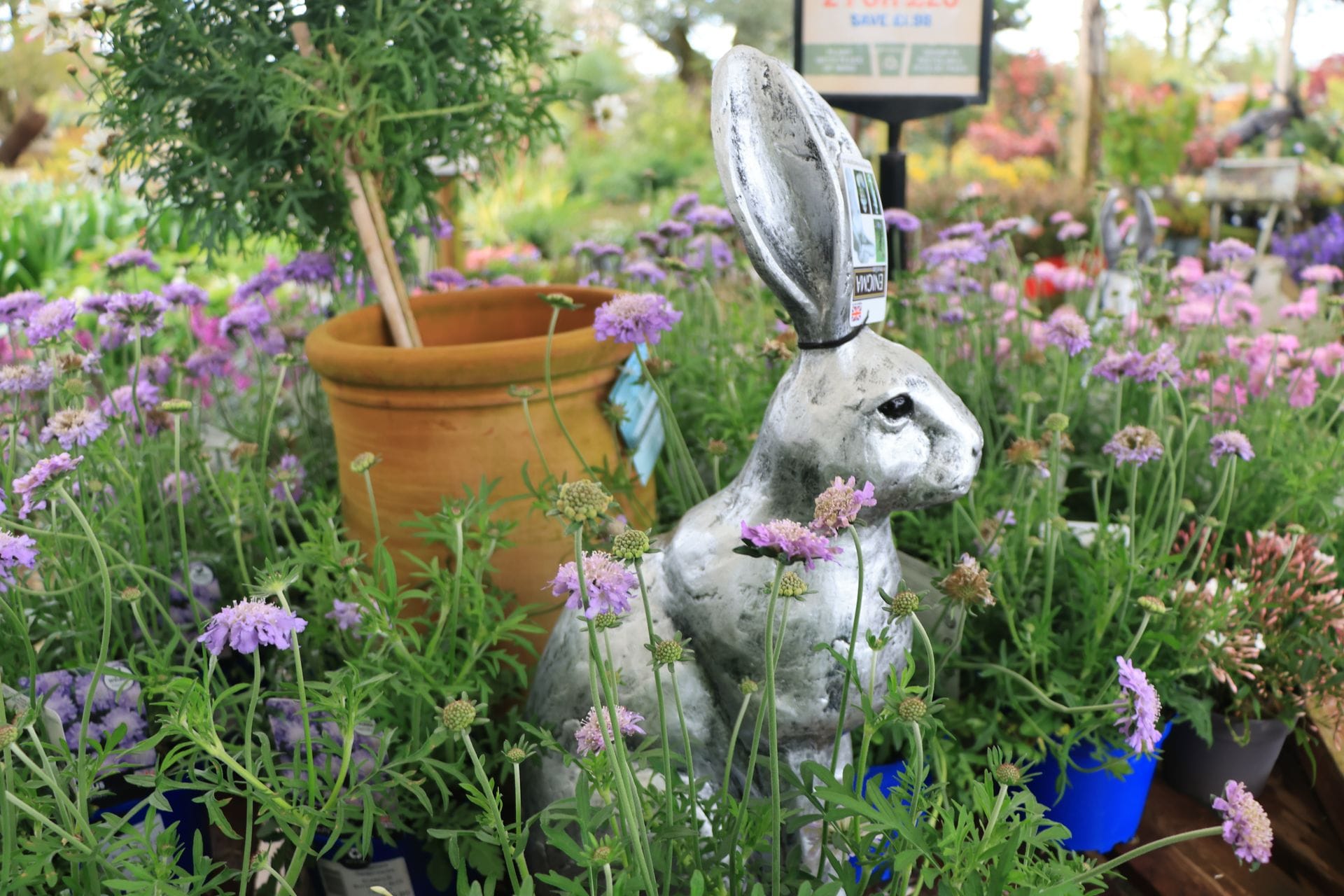
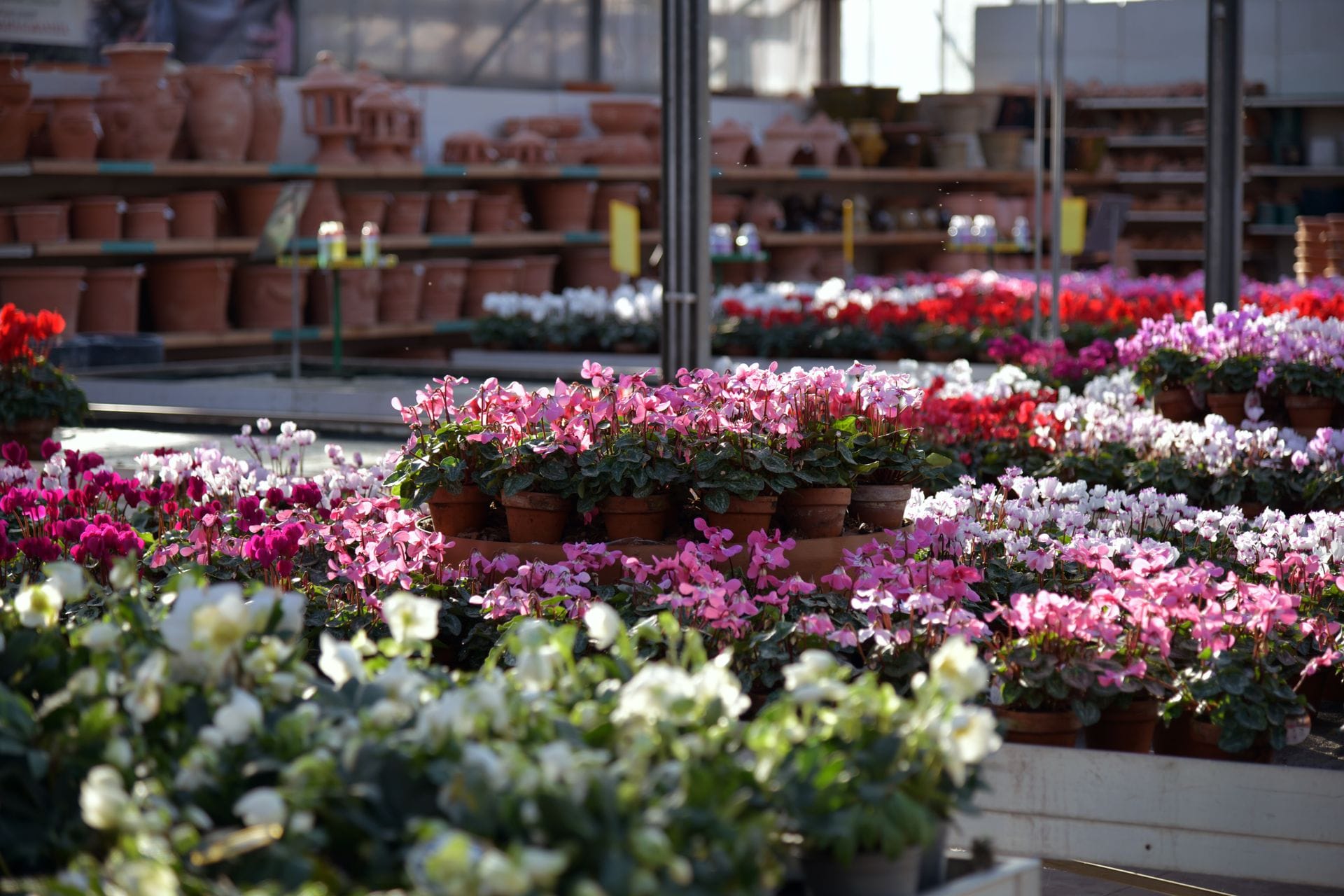
The Wye Valley Nursery is not a garden centre. It is a garden. The plants are arranged in beds that are designed to be both functional and beautiful, a space where visitors can see how plants can be combined. It is a place of inspiration, a space that demonstrates the possibilities of the naturalistic planting that is now fashionable.
James's background in curation is evident in the way the nursery is organised. There is a restraint to the planting, a sense of composition. It is not a space that is trying to impress. It is a space that is inviting, that asks you to look more closely, to think about what you are seeing.
A garden should not be a lecture. It should be a conversation. It should ask questions, not just provide answers.
A Network of Knowledge
James's network of plantspeople is a resource that he draws on constantly. He is in regular contact with growers and collectors across the country, seeking out new varieties of traditional plants, exchanging cuttings and seeds, learning from those who have been working in the field for decades.
He is particularly interested in old varieties, the ones that have fallen out of favour, the ones that have been overlooked. These are plants that deserve a second chance, he says. They have stood the test of time. They are hardy, reliable, and often beautiful.
A Place of Learning
James and his small team plan to offer workshops and courses at the nursery, designed to inspire people to grow plants in a more sustainable way. He sees this as a response to a growing interest in gardening and a growing awareness of the environmental impact of conventional methods.
The courses will cover topics from propagation to planting design, from composting to creating habitats for wildlife. The aim is not to provide answers but to encourage curiosity, to help people develop their own relationship with the plants they grow.
A Space of Possibility
The Wye Valley Nursery is a place that feels alive. It is not a finished project but a work in progress, a space that is still becoming. James speaks of it with a quiet enthusiasm, a sense of possibility that is contagious.
He says that the nursery has taught him the value of patience, the importance of letting things unfold in their own time. There is no rush. The plants will grow. The seasons will turn. The garden will reveal itself gradually, in its own way.
The best gardens are the ones that grow slowly. They are not imposed on the landscape. They are allowed to emerge from it. That is the lesson that I am still learning.