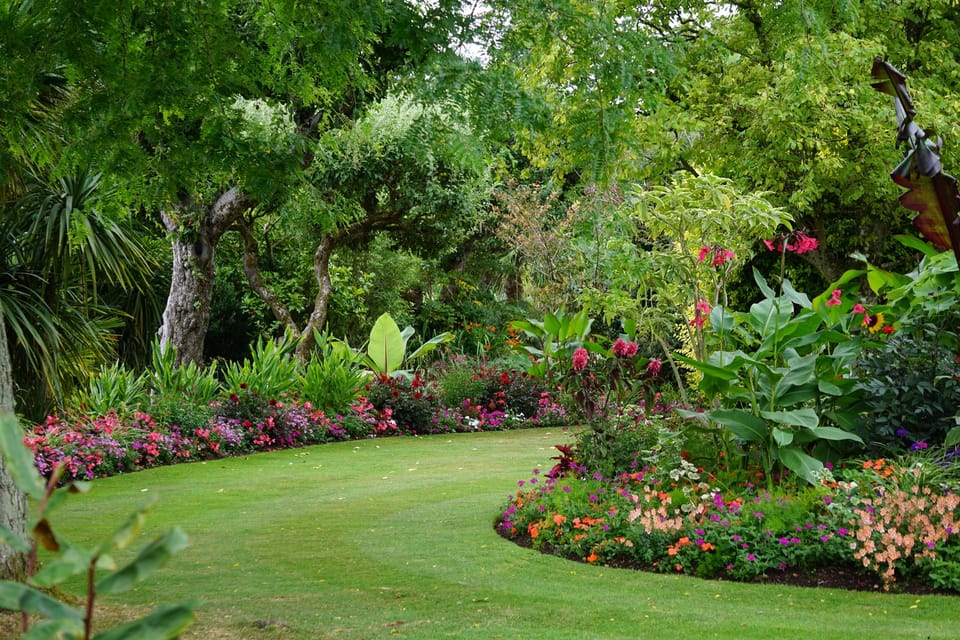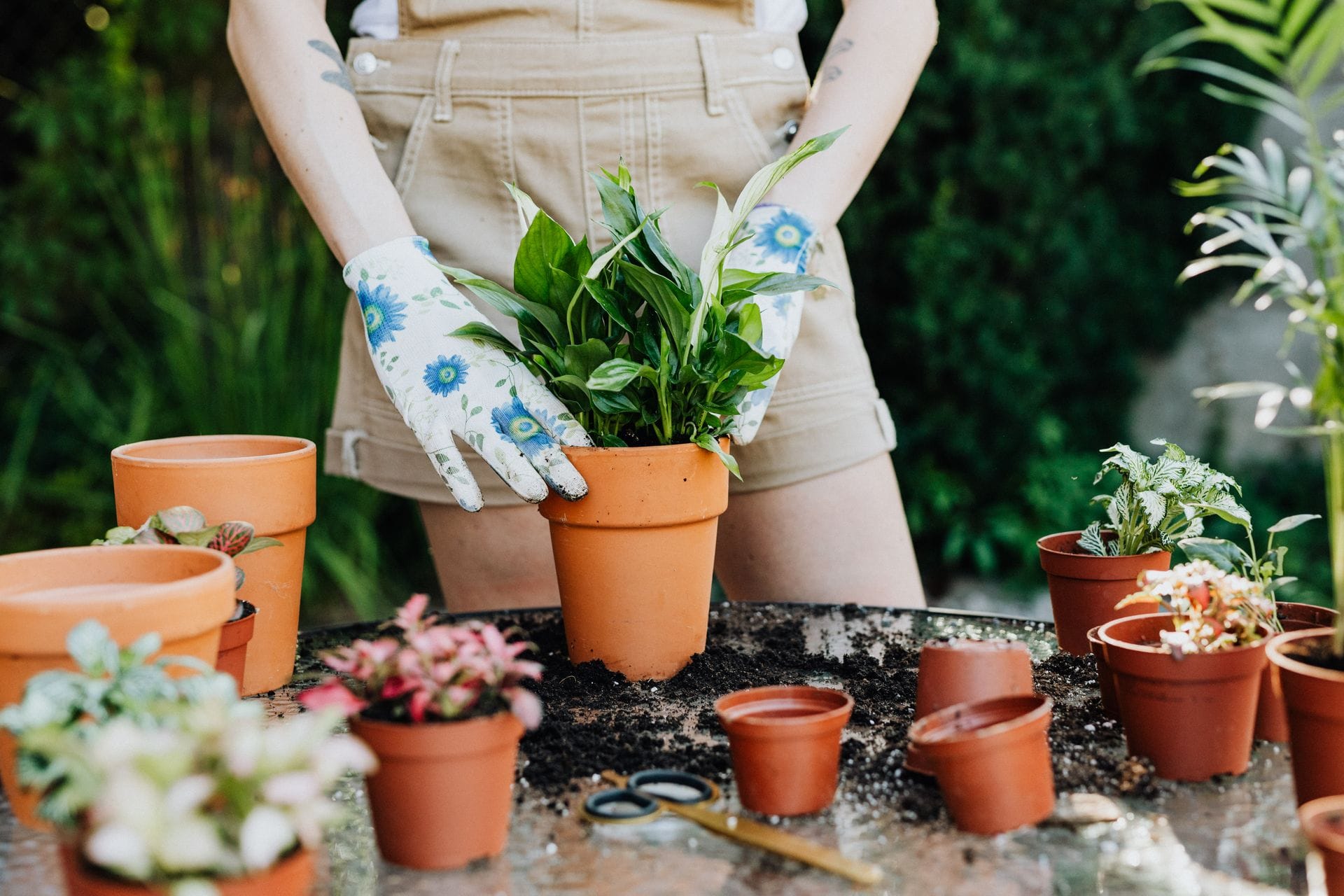
I inherited the garden with the house. It was not a garden I would have chosen for myself. The previous owner had been a woman in her eighties, a keen gardener with a fondness for roses and a tolerance for chaos. By the time I arrived, the roses had grown wild, the borders had merged into one another, and the lawn was more moss than grass. It was a garden that had not been tamed in years. It was a garden that had started to become itself.
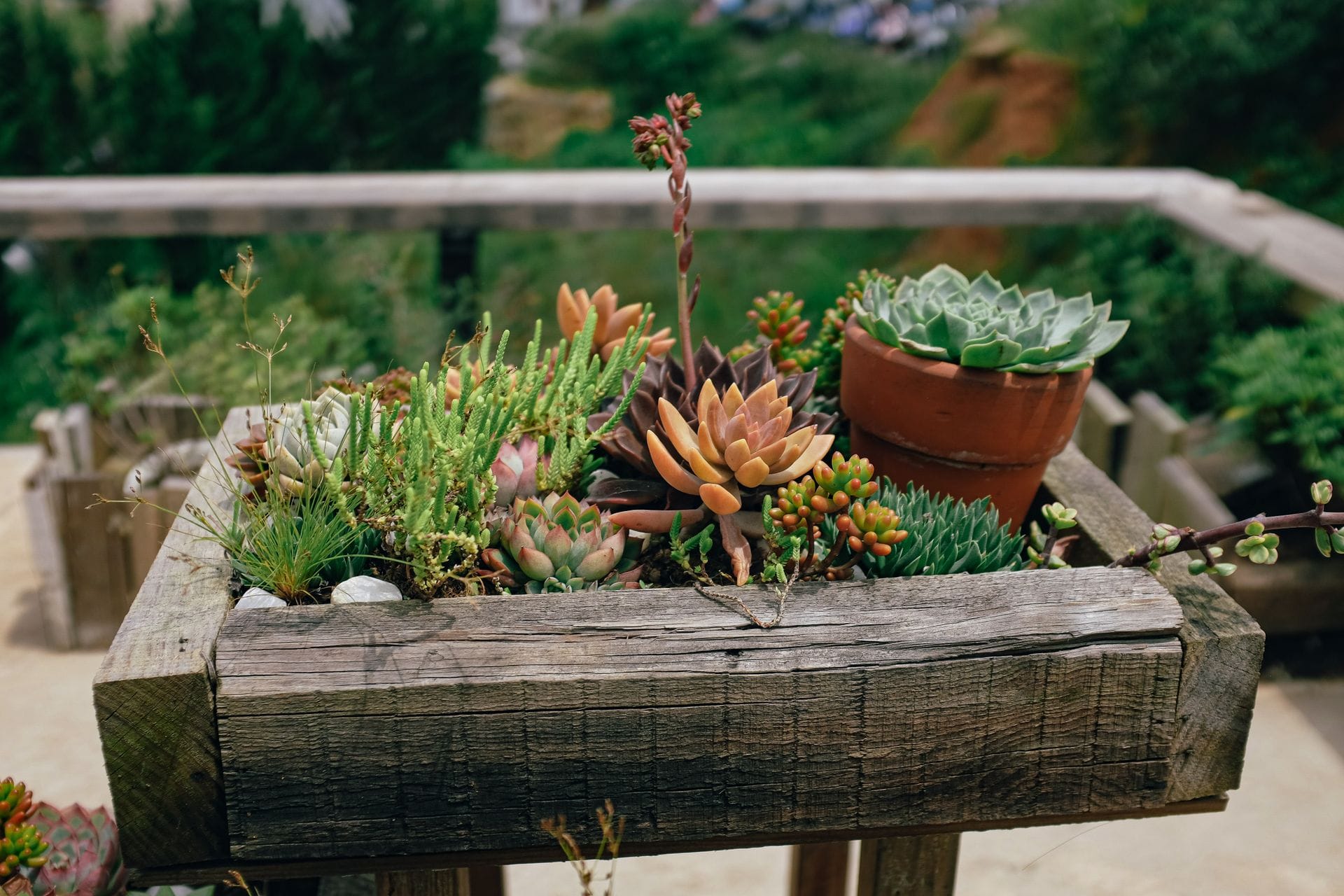
I set about imposing order. I pruned the roses back to the ground. I dug up the borders and started again. I planted what I had decided would look good, ignoring the conditions of the soil, the aspect of the light, the climate of the place. I was determined to make the garden fit my vision, to shape it into something that would reflect who I wanted to be. The garden resisted. The plants I chose did not thrive. The roses I had pruned so severely came back with a vengeance. The lawn remained stubbornly mossy.
It took me a year to understand that I was fighting the garden. I was treating it as an adversary, something to be subdued. I had read books on gardening, consulted experts, bought the right tools. But I had not paid attention to the garden itself. I had not observed what was already there, what was thriving, what was asking to be allowed to grow.
The roses that refused to be tamed.
The roses were the first thing I tried to control. I cut them back to the ground, thinking that this would make them neat. They responded by sending up new shoots that were more vigorous than before, climbing over the trellis, reaching into the paths, making themselves impossible to ignore. It was as though the roses had decided that they were not going to be constrained by my plans, that they had a life of their own.
The border that ignored my scheme.
I planted a border with a careful scheme. I had read about colour combinations, about the importance of structure, about the right way to layer a planting. I selected plants that would flower at different times, that would create a cohesive whole. The plants died. They turned yellow, shrivelled, failed to thrive. I did not understand why until I tested the soil. It was heavy with clay, slow to drain, too acidic for the plants I had chosen. I had not consulted the soil. I had assumed that the garden would fit my vision, and it had refused.
The lawn that would not be perfect.
I tried to create a perfect lawn. I fed it, watered it, mowed it, weeded it. It remained unimpressed. The moss persisted, and the grass grew in patches. I spent hours trying to make it look like the lawns I had admired in magazines, and I got nowhere. The lawn was not going to be perfect, and the more I tried to make it so, the worse it got.
The plant that would not die.
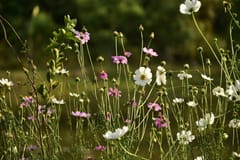
There was a plant that I did not recognise. It grew in the border, among the roses, and I was sure it was a weed. I pulled it up. It came back. I pulled it up again. It came back again. It was persistent, a stubborn presence that I could not eliminate. I stopped pulling it up. It grew. It developed flowers, a small white bloom that opened in the afternoon and closed at dusk. I did not know what it was, but I stopped fighting it. It had earned its place.
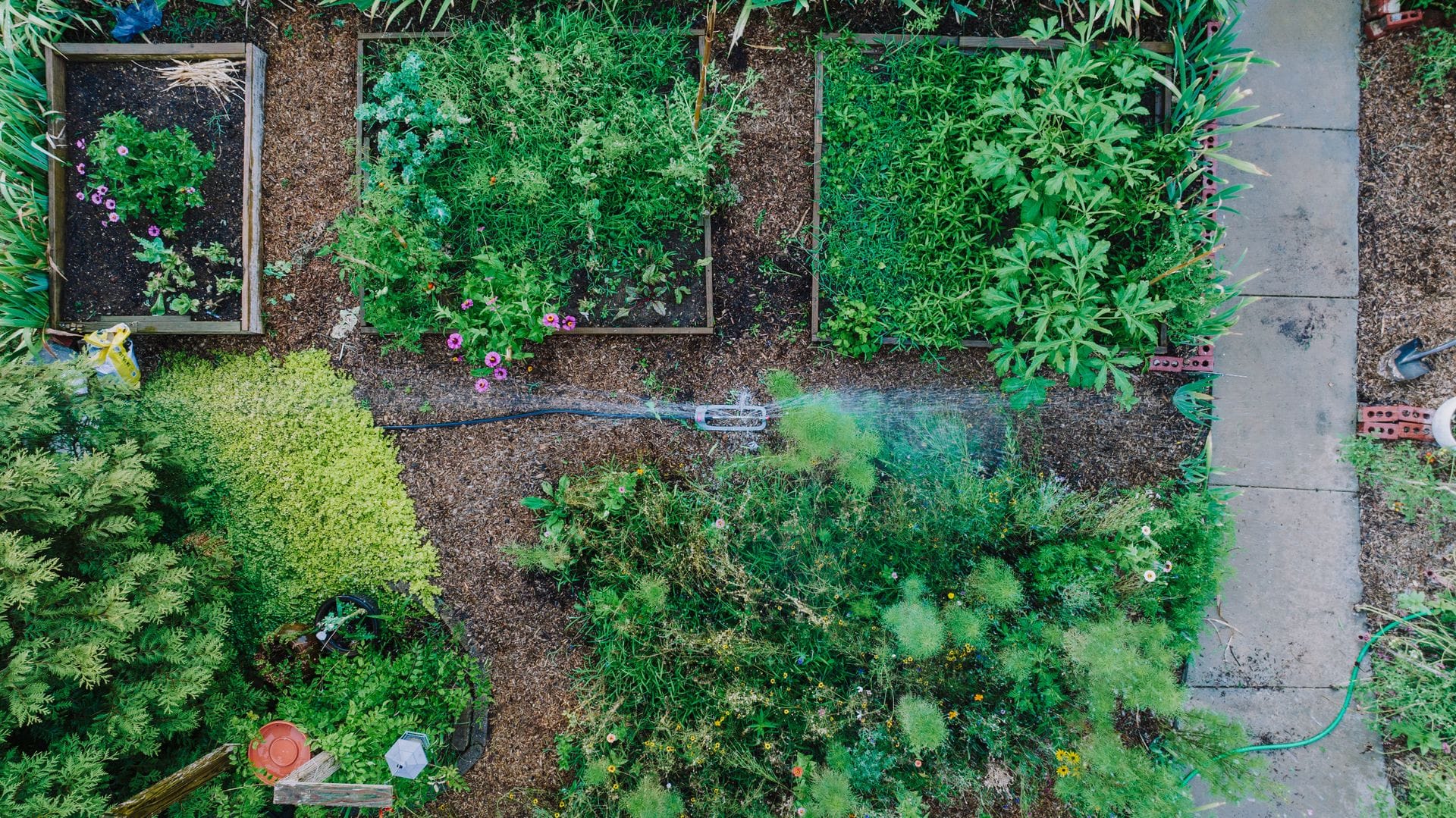
The moment I stopped fighting.
One afternoon, I stood in the garden and looked at it. Really looked. I saw the roses, scrambling over the trellis, full of buds. I saw the border, green and lush with the plants that had grown despite my best efforts. I saw the lawn, mossy and uneven. I saw a garden that was doing what it had always done, growing in the way that suited it, responding to the conditions of the place. I had been fighting it. I had been trying to make it something it was not. And I had been losing.
I decided to stop.
The garden that taught me its rhythm.
I stopped fighting the garden. I stopped trying to impose order. I stopped pruning the roses into submission. I stopped trying to create a perfect lawn. I let the garden be. I began to see the patterns, the subtle changes, the way the light fell differently in the morning and the evening. I began to notice the garden's rhythm, the quiet pulse of growth and decay, the slow turning of the seasons. The garden was not a project. It was a relationship. It was a conversation.
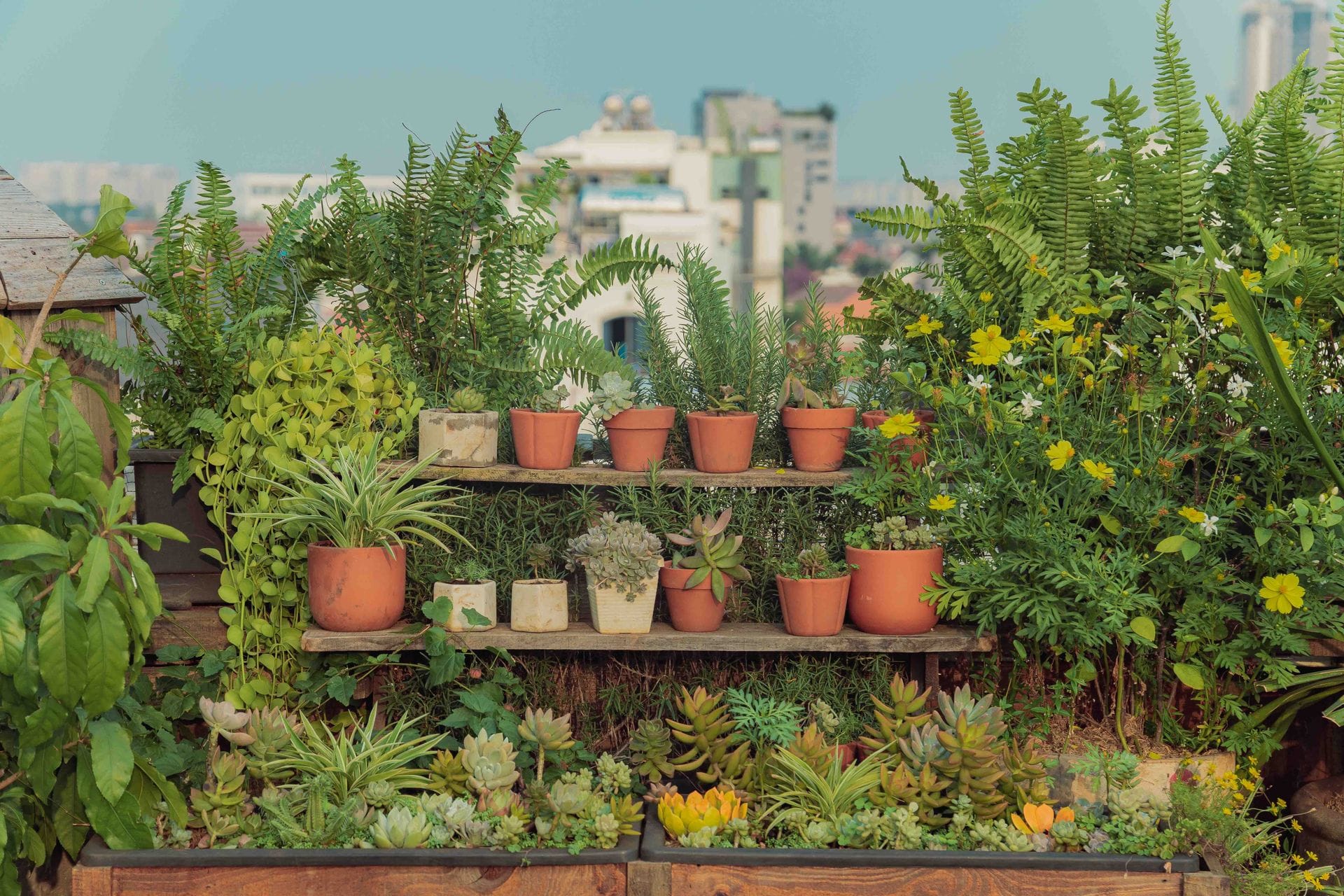
The plant that had been waiting.
That plant I had tried to remove eventually flowered. It was a white bloom that opened in the afternoon and closed at dusk. It was not a weed after all. It was something I had not planted but something that had been there all along, waiting for the conditions to be right. It was the garden's way of telling me that it had its own plans, its own ideas, its own way of being. The garden had not needed me to impose order. It had needed me to pay attention.
The garden that taught me to let go.
I have a garden now that I did not plan. It is not a garden that would appear in a magazine, not a garden of perfect arrangements or immaculate borders. It is a garden that has grown out of the soil, out of the climate, out of the conditions of the place. It is a garden that has taught me to stop fighting. It is a garden that has taught me that the best things grow slowly, in their own time, and that the greatest gift a gardener can give is the willingness to let go.