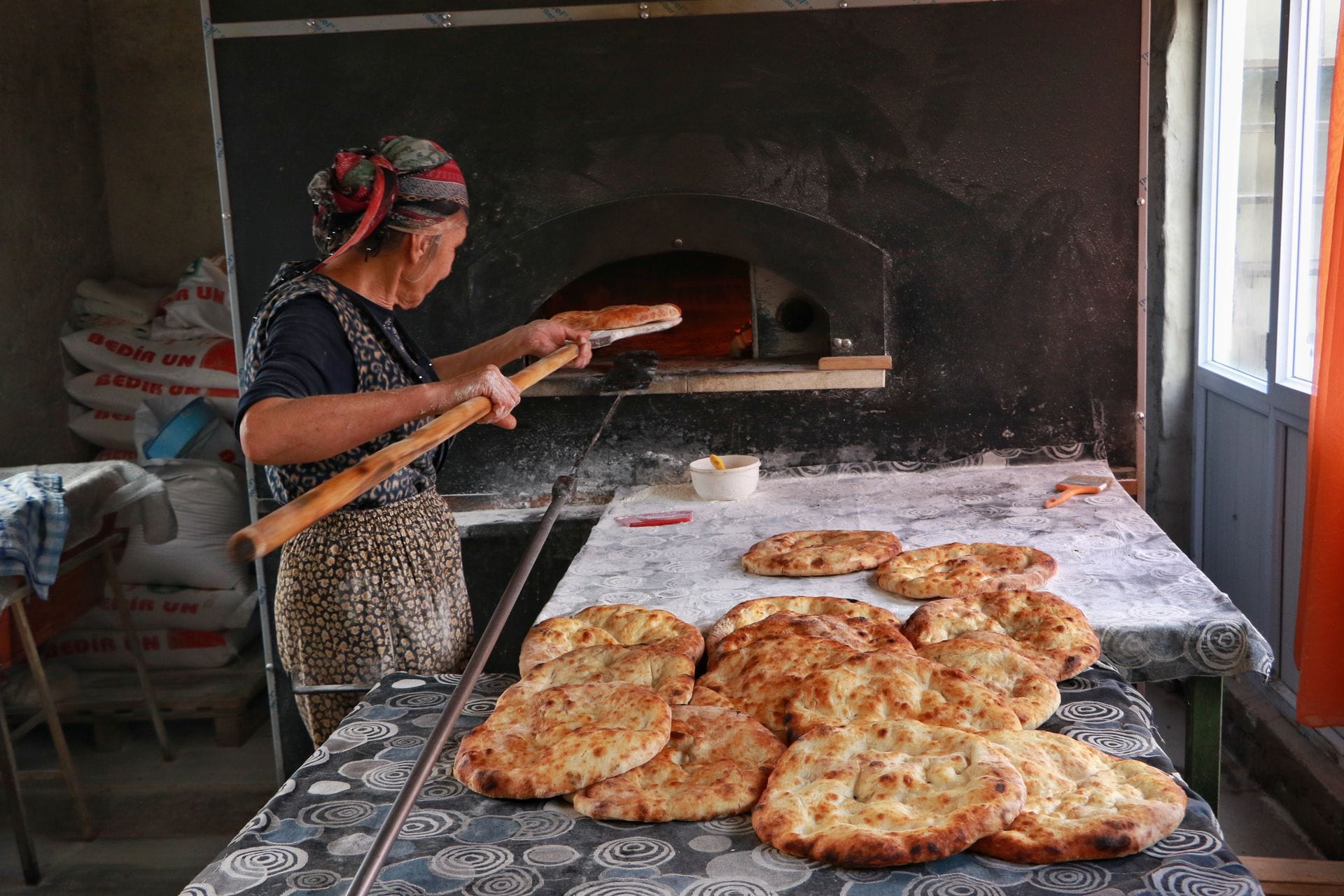
There is a particular moment in the early hours of the morning when the world feels suspended, poised between darkness and light. It is the hour when bakers begin their work, long before the rest of us have stirred. They move through their kitchens with a quiet, practised rhythm, measuring, mixing, folding, waiting. The scent of yeast and flour rises like a prayer.
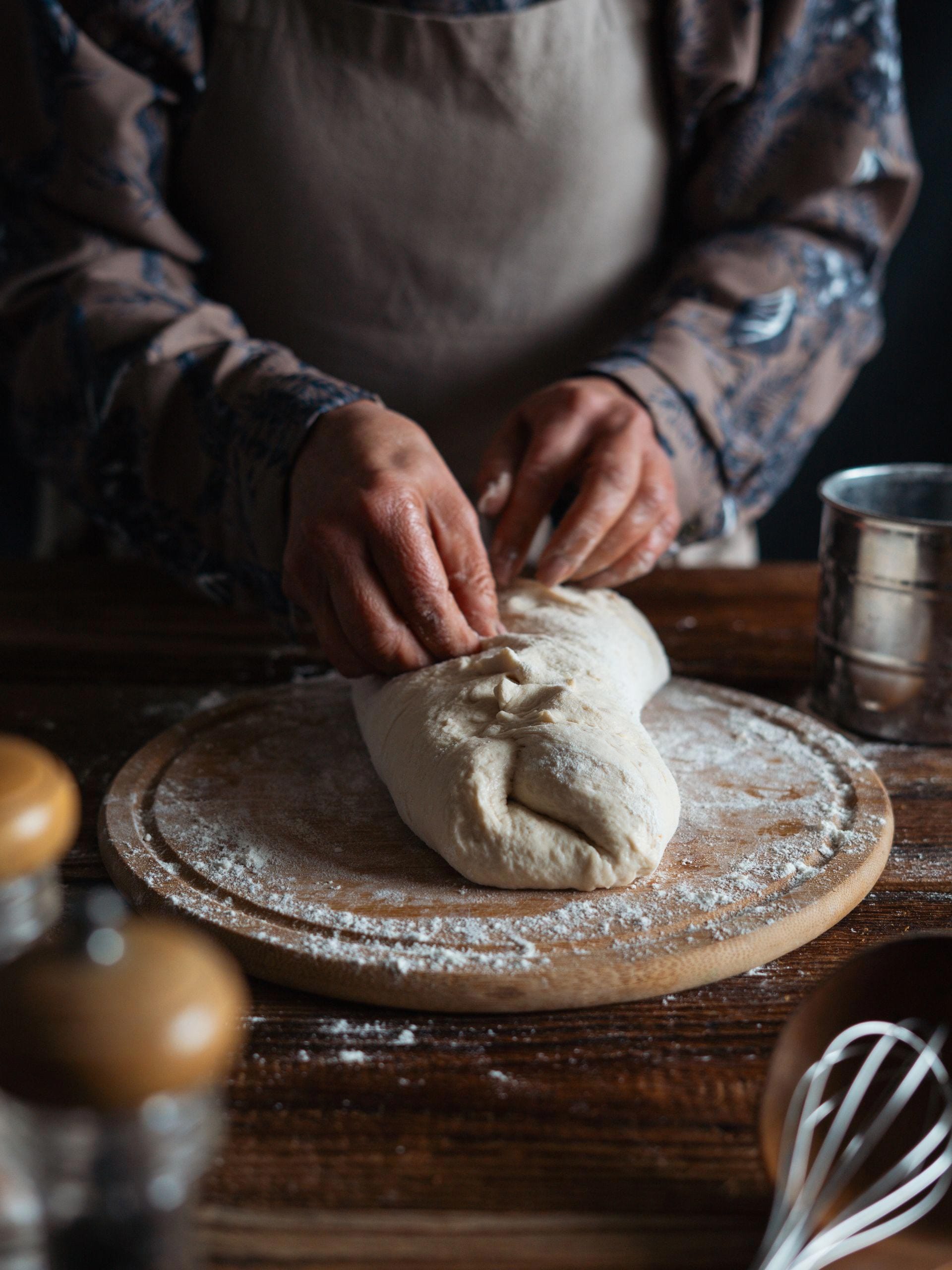
I have always been drawn to bakeries, to the warmth that seems to emanate from their ovens, to the fragrance of bread that has not yet cooled. But it was not until I began to pay attention to the people behind the counter that I understood what I was actually seeing. These were not just bakers. They were custodians of something ancient, practitioners of a craft that has survived for millennia.
The first artisan bakery I visited was in east London, in a railway arch that had been converted into a bakery. The owner was a former software engineer who had given up a career in technology to pursue something more tangible. The choice to move from code to dough was not a simple one, but it reflected a broader shift in how people think about food, about authenticity, about the value of a thing made by hand.
The Journey of Flour
Flour is the foundation of bread, but it is also a point of connection. In the world of artisan baking, the question is not just what flour you use, but where it comes from, how it was milled, what variety of wheat it contains. These details matter in a way that they do not in industrial baking, where the goal is consistency rather than character.
I visited a mill in the West Country that supplies some of the best bakeries in the country. The building was old, with stone walls and a waterwheel that had been turning for centuries. The miller spoke with a quiet intensity about the varieties of wheat he worked with, about the importance of maintaining genetic diversity, about the relationship between the land and the loaf.
Bread is a record of place. The wheat grown in one valley will produce a different flour from the wheat grown in another.
The water, the air, the temperature, the yeast—everything contributes to the final result. This is what makes artisan bread so distinctive, so irreplaceable. It is not a product. It is a document of a specific moment in a specific place.
The Rhythm of Sourdough
Sourdough is the emblem of the artisan baking movement, a symbol of the return to traditional methods. It is also one of the most demanding forms of bread to make. The starter, a mixture of flour and water that captures wild yeast from the air, must be fed daily, sometimes twice daily. It is a living thing, unpredictable, requiring attention and care.
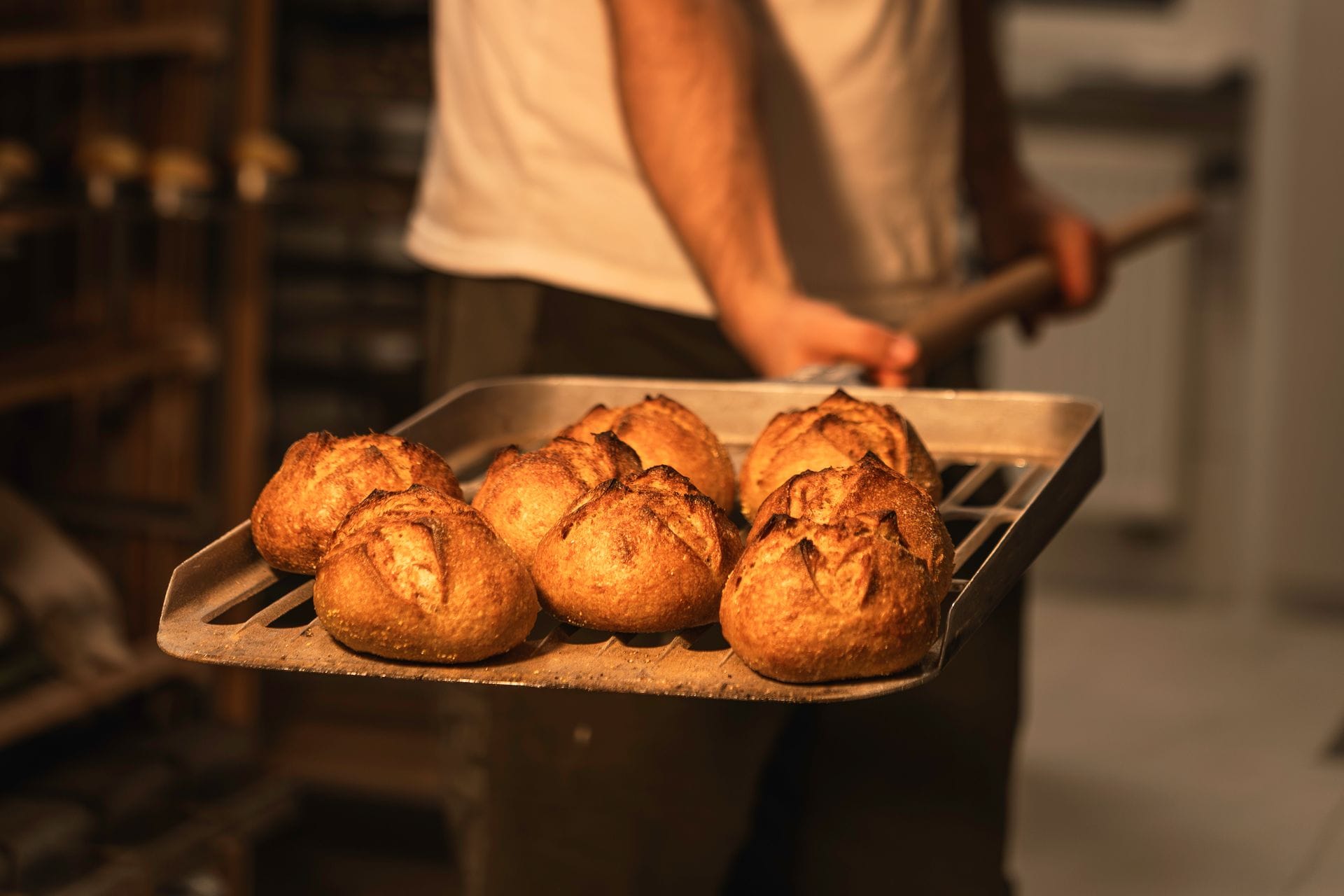
The baker I spoke to described the starter as a relationship. You cannot neglect it. You cannot ignore it. You must learn its rhythms, understand its needs, respond to its changing moods. It is a commitment that is not for everyone, but for those who make it, it is profoundly rewarding.
The process of making sourdough is slow. The dough must be folded, rested, shaped, proofed, baked. Each step takes time, and the time cannot be rushed. This is the opposite of industrial bread, which is made in a few hours with chemical additives to speed the process. Sourdough demands patience, but the reward is a loaf with a complexity of flavour that cannot be replicated.
I watched as the baker removed a loaf from the oven, its crust dark and crackling, its interior still steaming. The sound of the crust breaking was like the sound of something waking up.
The Role of Community
An artisan bakery is not just a place to buy bread. It is a gathering point, a space where people meet, where conversations happen, where the rhythm of the neighbourhood is reflected. The bakery I visited had a counter where customers could linger, a few tables for those who wanted to sit and eat. It was small, but it was always full.
The baker told me that he knew most of his customers by name. He knew their preferences, their routines, their stories...
There was a woman who came every Saturday for a particular loaf. A man who ordered a special bread for his father, who could no longer leave the house. A family who bought bread for their weekly Sunday lunch. These were not transactions. They were relationships.
This sense of community is an important part of the artisan bakery movement. It is a reminder that bread is not just food. It is something more, something that connects us to each other, to the land, to the past.
The Value of Imperfection
Industrial bread is uniform, predictable, identical from one loaf to the next. Artisan bread is different. Each loaf is unique, with its own shape, its own texture, its own character. The crust may be darker on one side than the other. The crumb may have irregular holes. The shape may be slightly uneven.
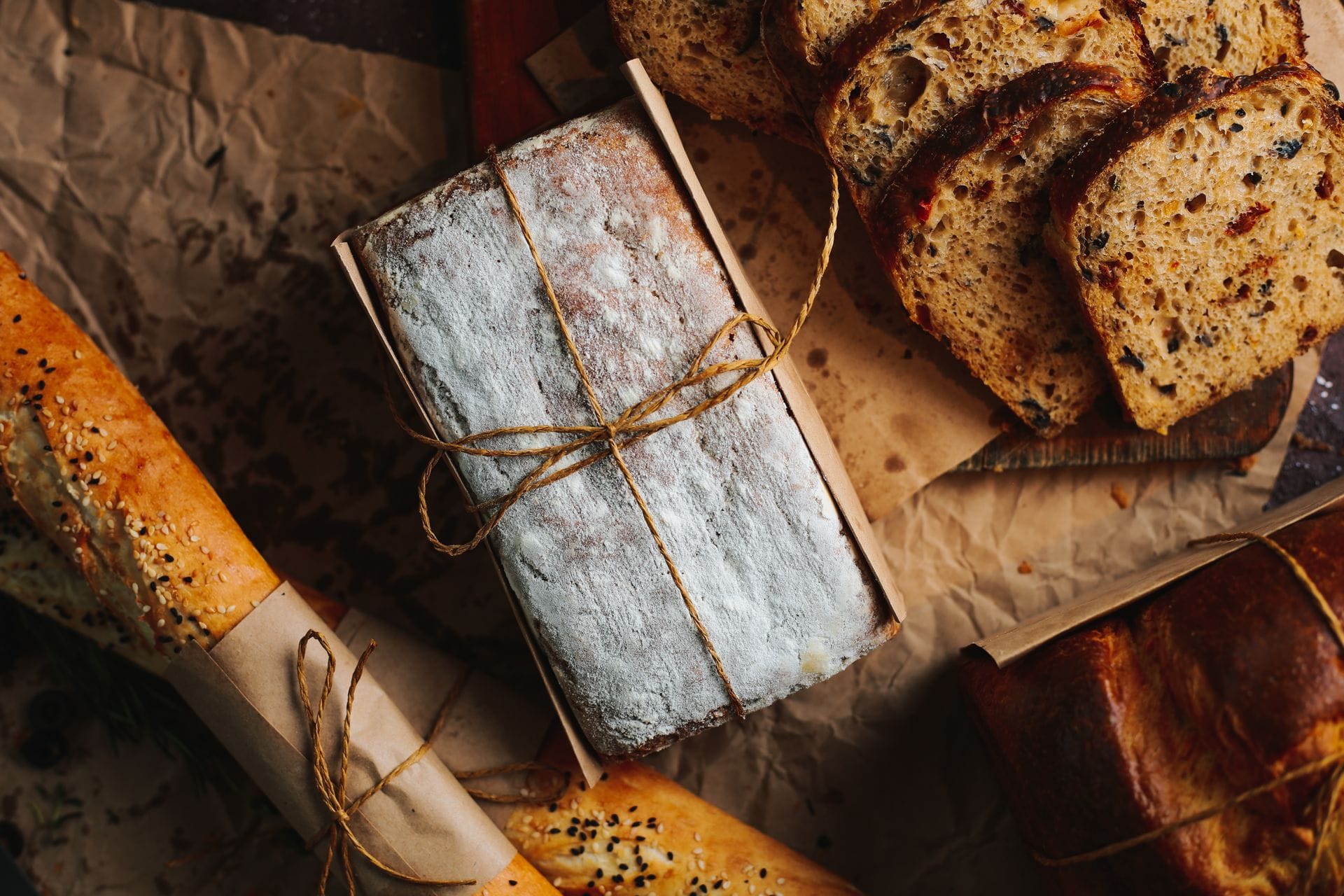
These imperfections are not faults. They are signs of authenticity, evidence that the bread was made by hand, that it was shaped by a person rather than a machine. In a world that values consistency above all else, there is a quiet beauty in this imperfection. It is a reminder that the hand has a role to play, that not everything can be optimised, that there is value in things that are not perfect.
I met a baker who described the relationship between the baker and the dough as a negotiation. The dough will tell you what it needs, what it is ready to become. The baker's role is to listen, to respond, to allow the dough to develop in its own way.
The Future of Bread
The artisan bakery movement is growing, but it faces significant challenges. The cost of ingredients is rising. The time required to make good bread is not compatible with the demands of a market that values speed. The skills required are rare, and the training is long.
Yet there is a sense of optimism among the bakers I spoke to. They see a growing awareness of the value of good bread, a recognition that what we eat matters, that the choices we make have consequences. They see a generation of young bakers who are passionate about the craft, who are willing to work hard and learn the traditions.
The future of bread is not certain, but it is being shaped by people who believe that bread is more than just a commodity, that it is a form of connection, a way of expressing care. In a world that is increasingly disconnected, that is a powerful idea.
The Last Loaf
I bought a loaf of sourdough from the bakery in the railway arch, a country loaf from the West Country, a rye bread from a baker in the north. I brought them home and laid them on the counter, and for a long moment, I simply looked at them.
They were beautiful in their simplicity. The crust was browned, the surface dusted with flour, a small cut on top where the steam had escaped. When I broke the loaf, the crust shattered and the interior was revealed, soft and fragrant. The smell filled the room.
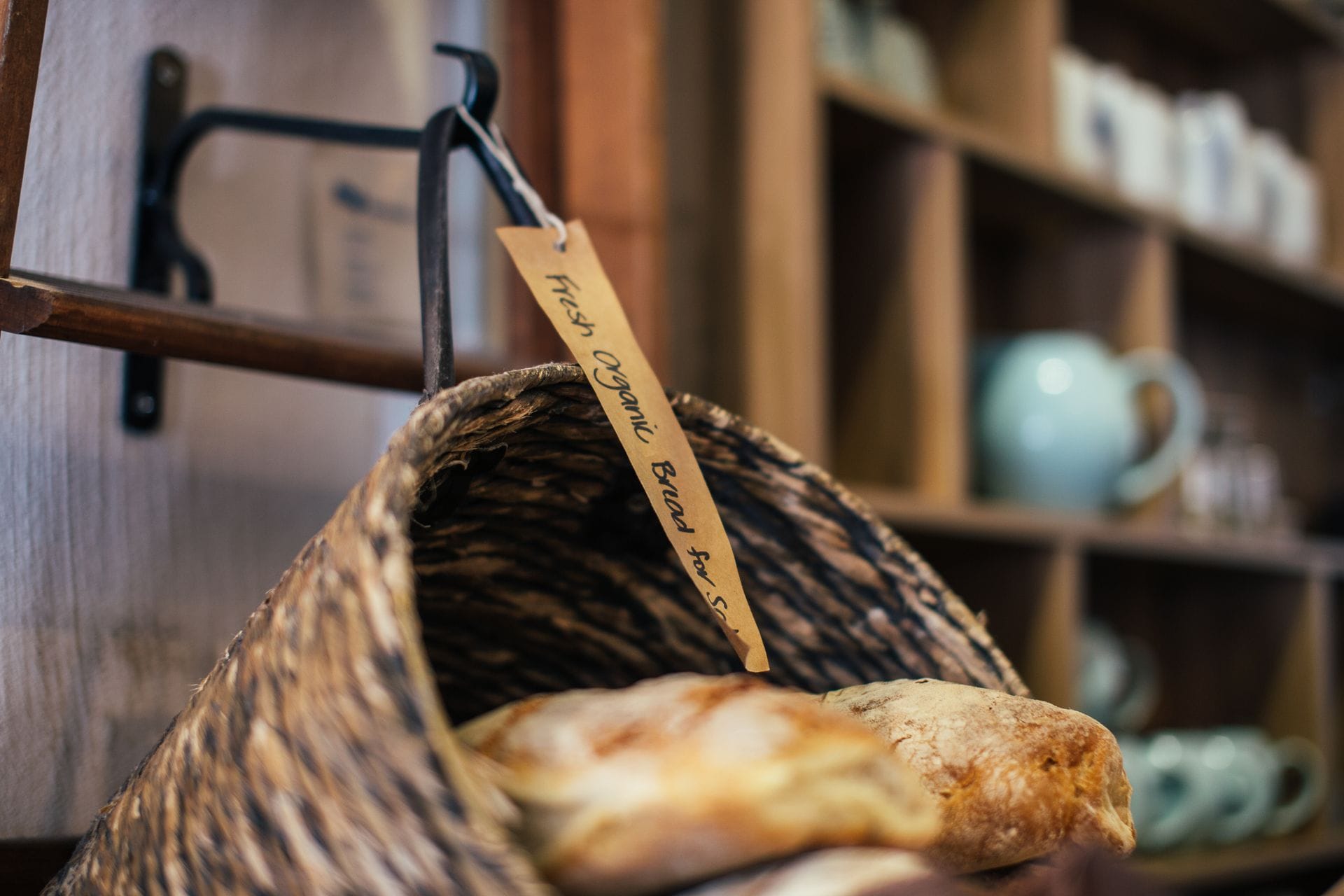
In that moment, I understood what the bakers had been trying to tell me. This is not just bread. It is the product of time and care, of skill and patience, of a relationship with something alive. It is a reminder of what we are capable of when we slow down and pay attention.
The bread I ate that evening was not the best I have ever tasted. But it was the most meaningful. It tasted of the hands that had made it, the flour that had been grown and milled with care, the yeast that had been fed and nurtured over days, the oven that had been lit in the darkness of the early morning. It tasted of something that is becoming increasingly rare: the presence of a human being, fully engaged in the act of making.