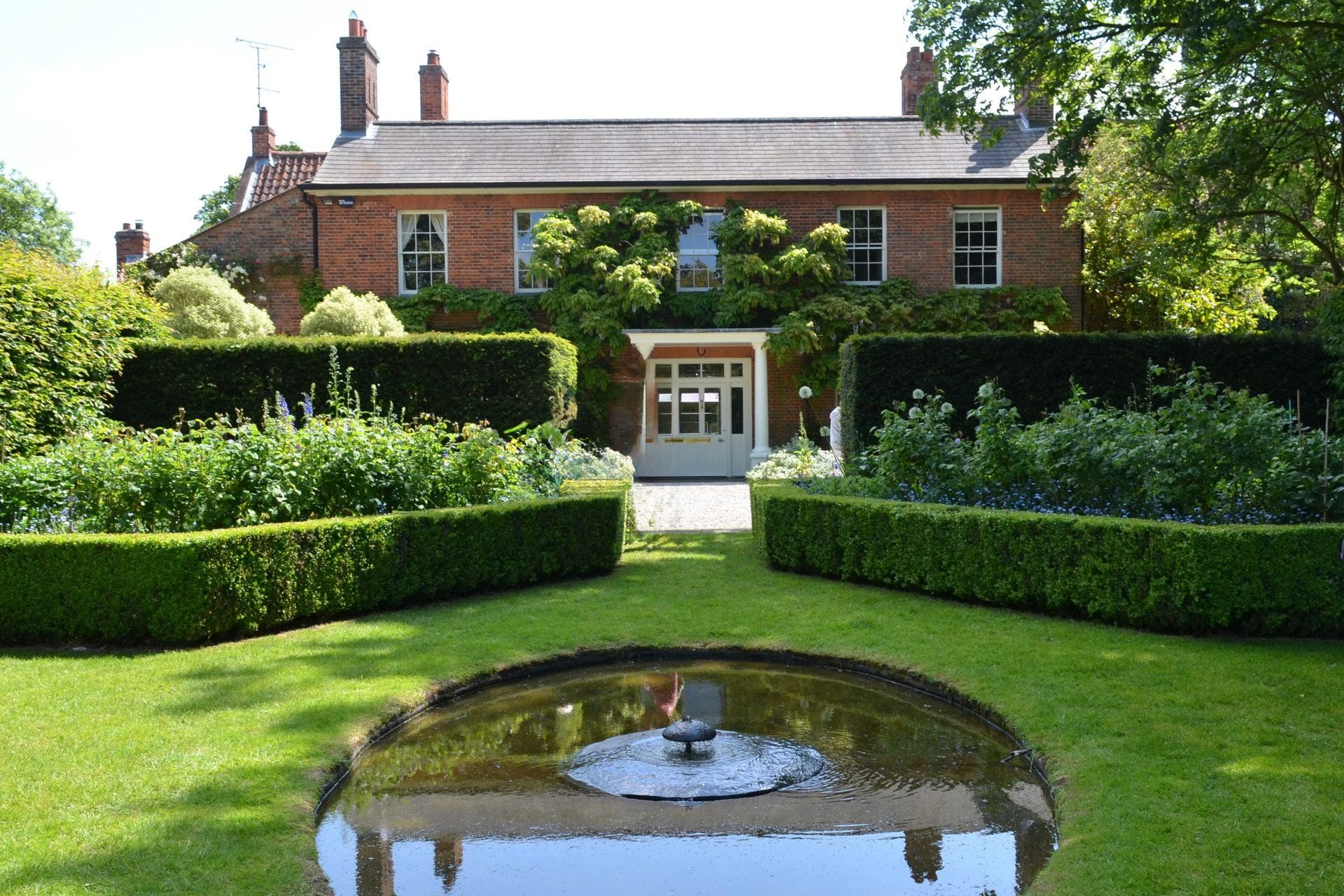
I have always thought of a garden as a living garment. It is not a static thing, not a fixed composition, but a space that changes with the seasons, that wears different colours and textures at different times of the year. A garden that is designed well is a garden that is dressed well, a garden that has been considered in relation to the weather and the light and the passing of time.
I learned this from a gardener who had been tending the same plot for fifty years. She told me that the garden was never finished, that it was always becoming, that the work of the gardener was to dress the garden for each season, to select the plants that would look their best at that particular moment, to create a composition that was both beautiful and appropriate. The garden was not a fixed composition. It was a living wardrobe, a collection of plants that were worn at different times of the year.
That idea has shaped how I think about gardening. I no longer see the garden as a space to be completed. I see it as a space to be dressed, a space to be considered in relation to the seasons, a space that is always changing, always becoming.
The Spring Wardrobe
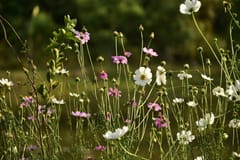
Spring is the season of new beginnings. The garden emerges from its winter rest, the first shoots appear, the first flowers open. The palette is fresh and bright: pale green, white, yellow, soft pink. These are not the colours of summer, not the rich, saturated tones of the later months. They are the colours of emergence, of tenderness, of new growth.
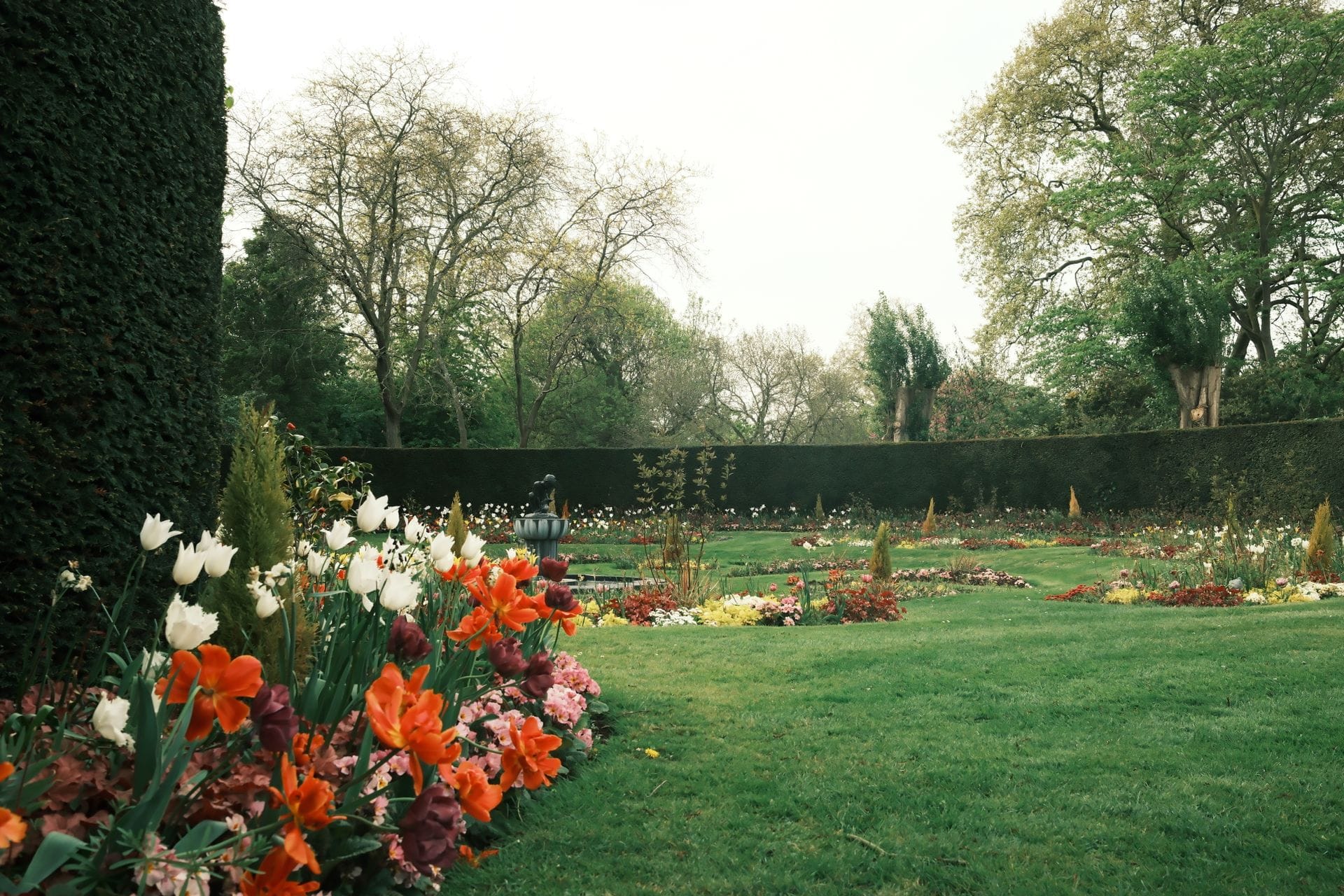
I have a border that is designed for spring. It is filled with tulips and narcissi and the first of the perennials. The colours are soft and bright, a gentle palette that feels appropriate to the season. It is a border that makes me feel hopeful, a border that reminds me that the world is renewing itself.
The Summer Wardrobe
Summer is the season of abundance. The garden is at its most generous, its most colourful, its most full. The palette is rich and saturated: deep blues, purples, pinks, reds, oranges. The textures are dense, the flowers are full, the foliage is lush. It is a wardrobe that is not shy, not modest, not restrained.
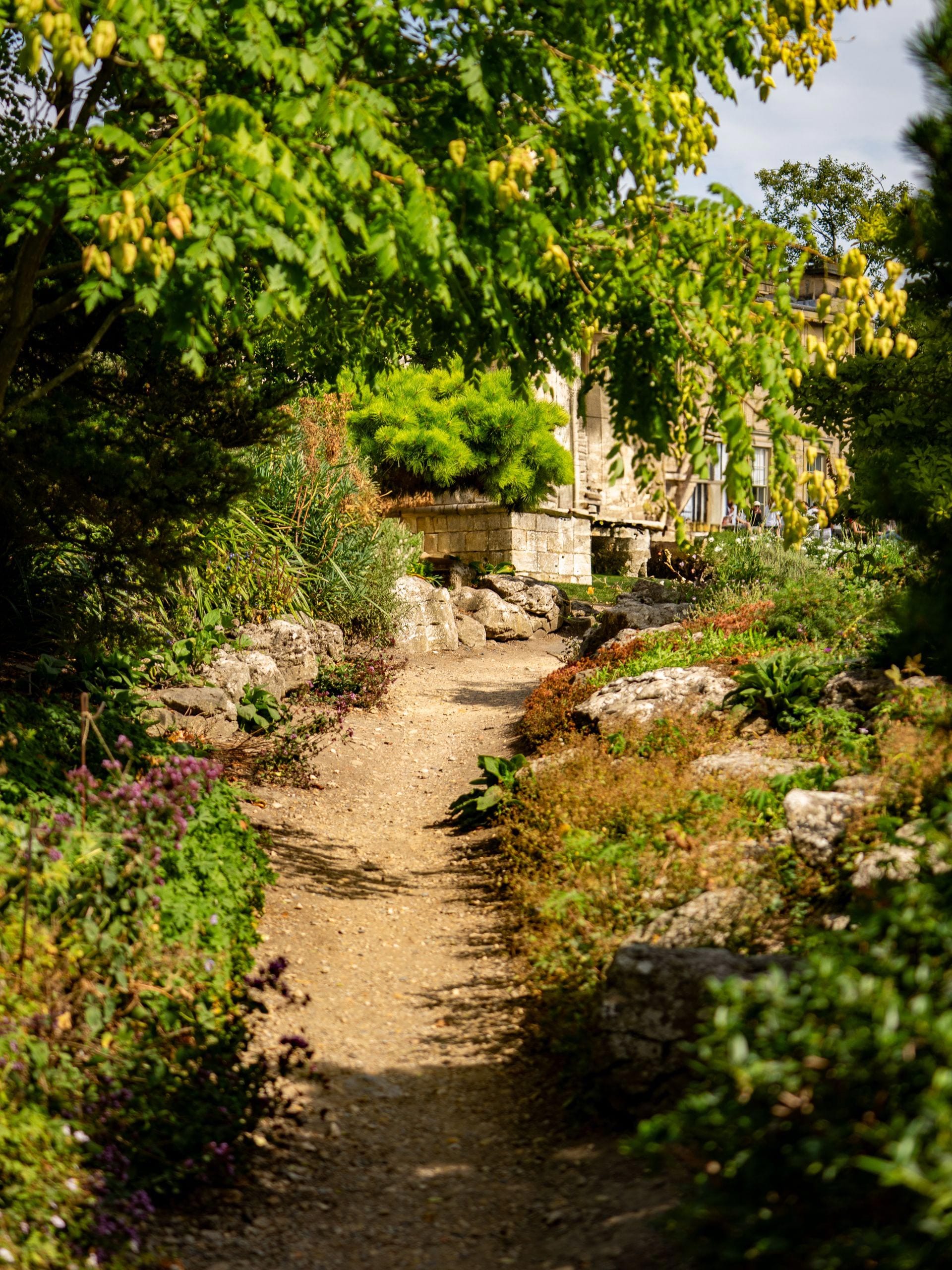
I have a border that is designed for summer. It is a border of roses and delphiniums and lavender, a border that is full of scent and colour. It is a border that feels like a celebration, a border that reminds me of the generosity of the natural world.
The Autumn Wardrobe
Autumn is the season of transition. The garden begins to wind down, the colours shift to gold, orange, russet, deep red. The textures become more varied, the seed heads and the fading leaves creating a different kind of beauty. It is a wardrobe that is more subdued than summer, but also more complex, richer in its range of tones.
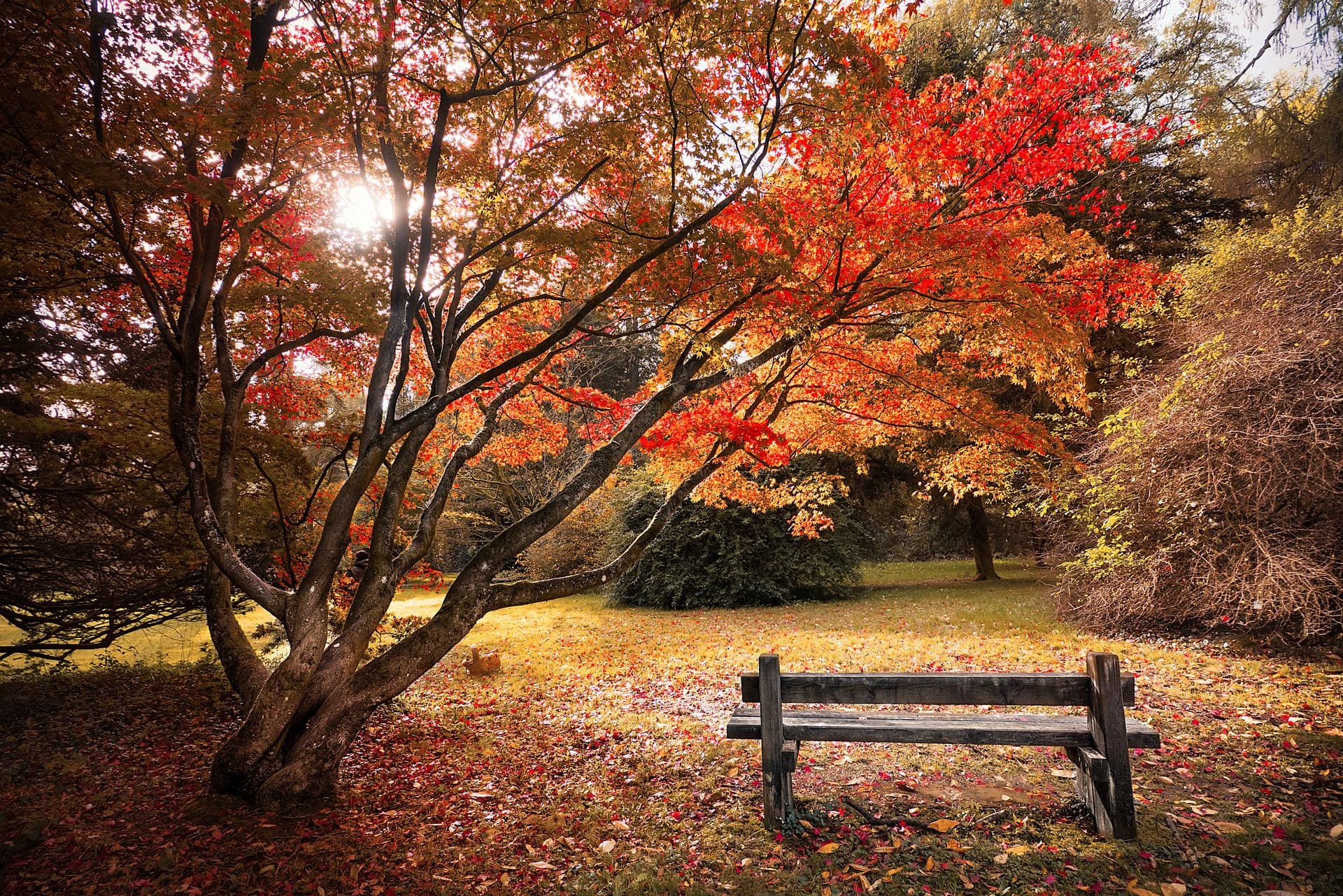
I have a border that is designed for autumn. It is a border of grasses and sedums and the last of the perennials. The colours are warm and deep, a palette that feels like comfort, like the end of a long season. It is a border that reminds me of the value of letting go.
The Winter Wardrobe
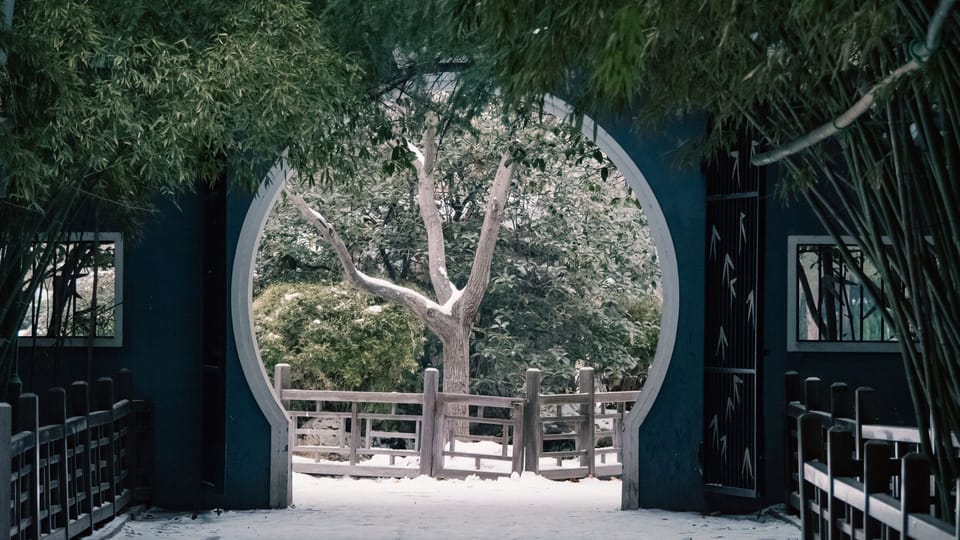
Winter is the season of structure. The leaves have fallen, the flowers have gone, the garden is reduced to its essential form. The palette is muted: brown, grey, black, the occasional flash of white. The textures are varied, the bare branches, the evergreen leaves, the frost on the ground. It is a wardrobe that is stripped back, a wardrobe that reveals the underlying form of the garden.
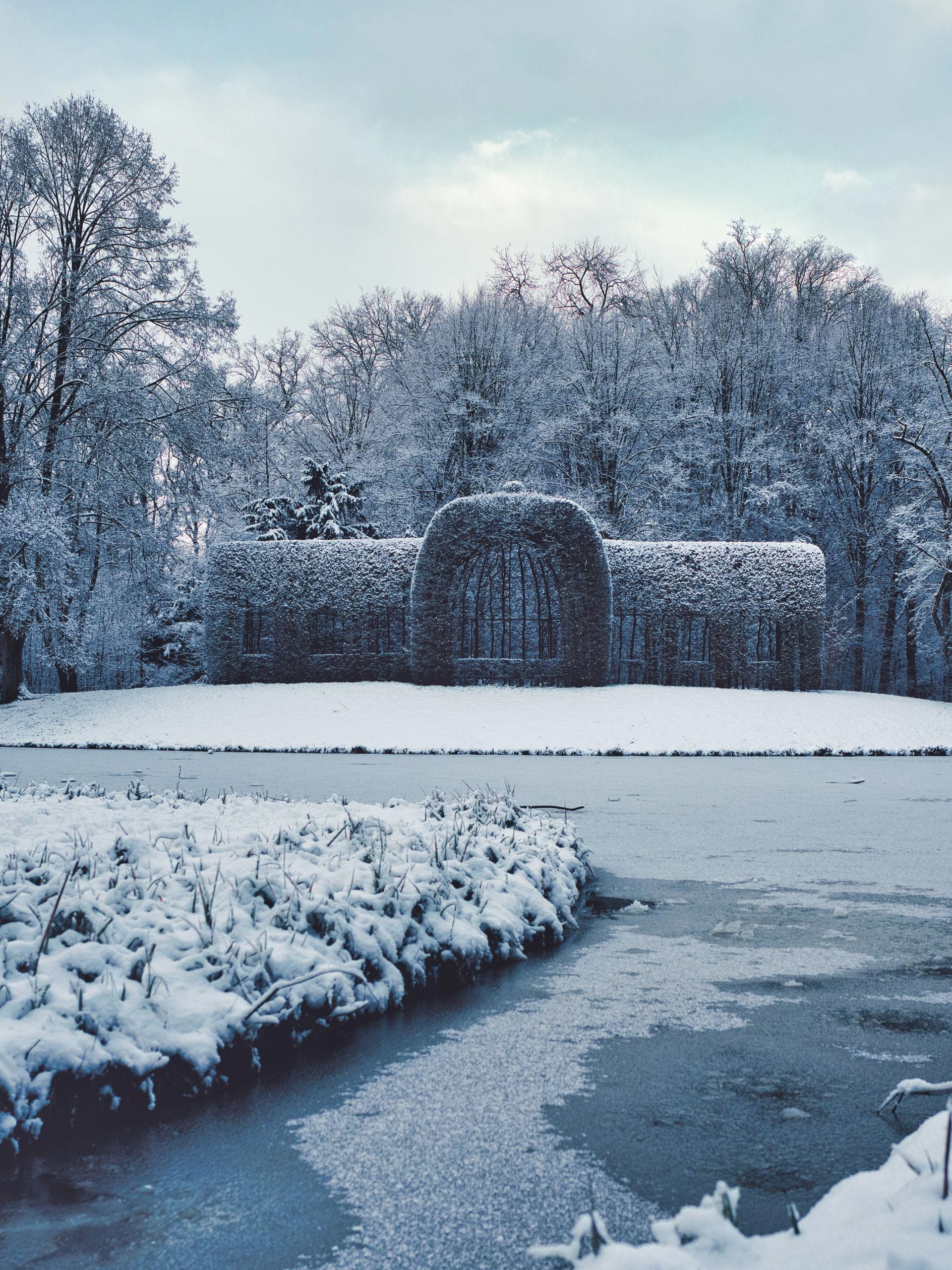
I have a border that is designed for winter. It is a border of evergreens and dogwoods, a border that has been planted for its structure, for its form, for its ability to hold the garden together when everything else has gone. It is a border that makes me appreciate the value of a strong skeleton, a border that reminds me that the garden is not just about flowers.
The Quality of Light
The light changes with the seasons, and the garden responds. In spring, the light is fresh and bright; in summer, it is strong and warm; in autumn, it is golden and soft; in winter, it is low and cool. The same plant can look entirely different in different seasons, depending on the quality of the light.
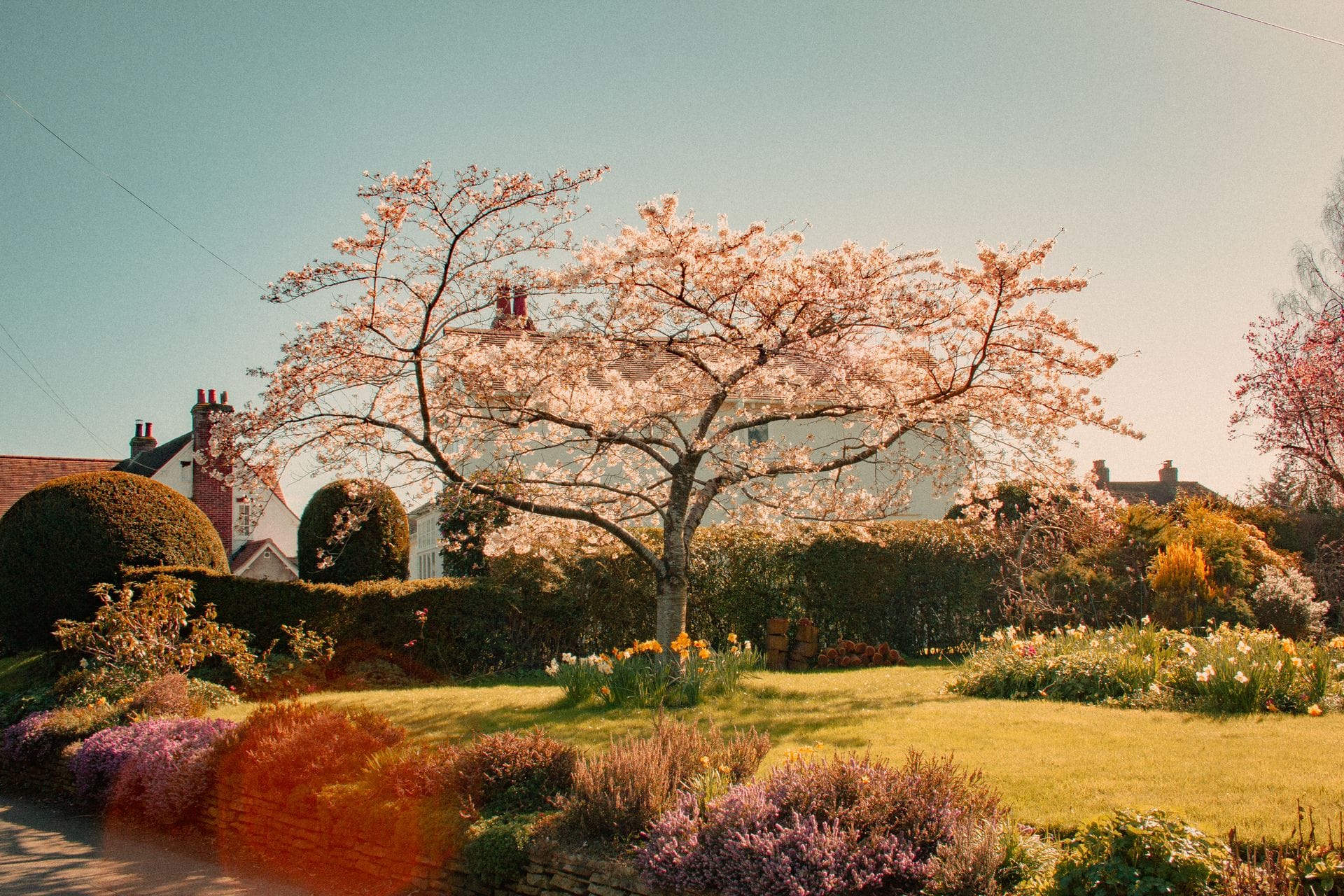
I have a garden that faces south, and I have learned to use the light to my advantage. I have placed the plants that look their best in strong light in the areas that receive the most sun, and the plants that prefer softer light in the areas that are shaded. It is a simple principle, but it has made a significant difference to how the garden looks.
A Living Wardrobe
In the end, a garden is a living wardrobe, a space that wears different colours and textures at different times of the year. It is a space that is always changing, always becoming, always revealing something new. A garden that is designed well is a garden that is dressed well, a garden that has been considered in relation to the seasons, a garden that is always in conversation with the world around it.