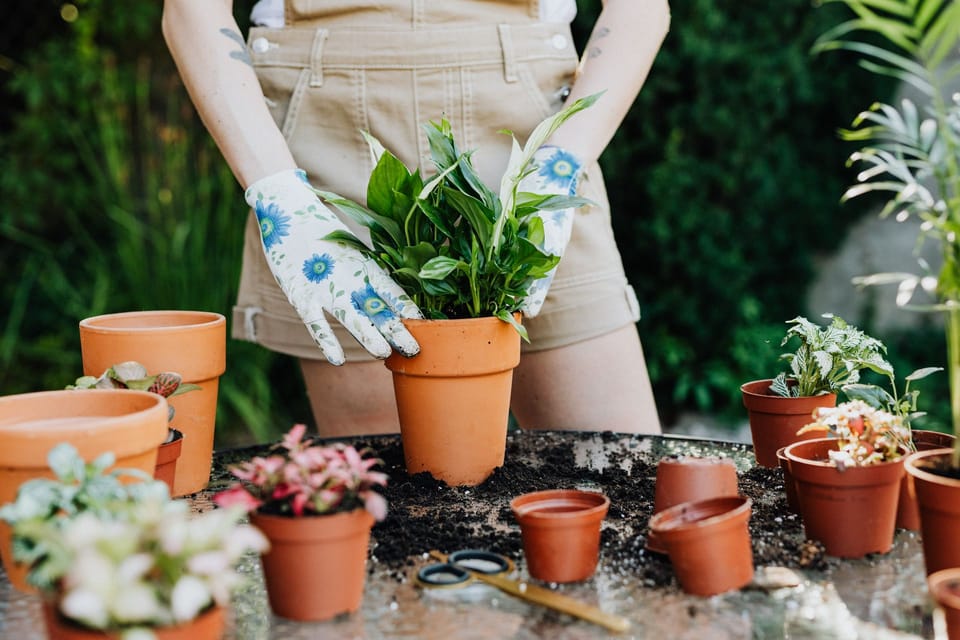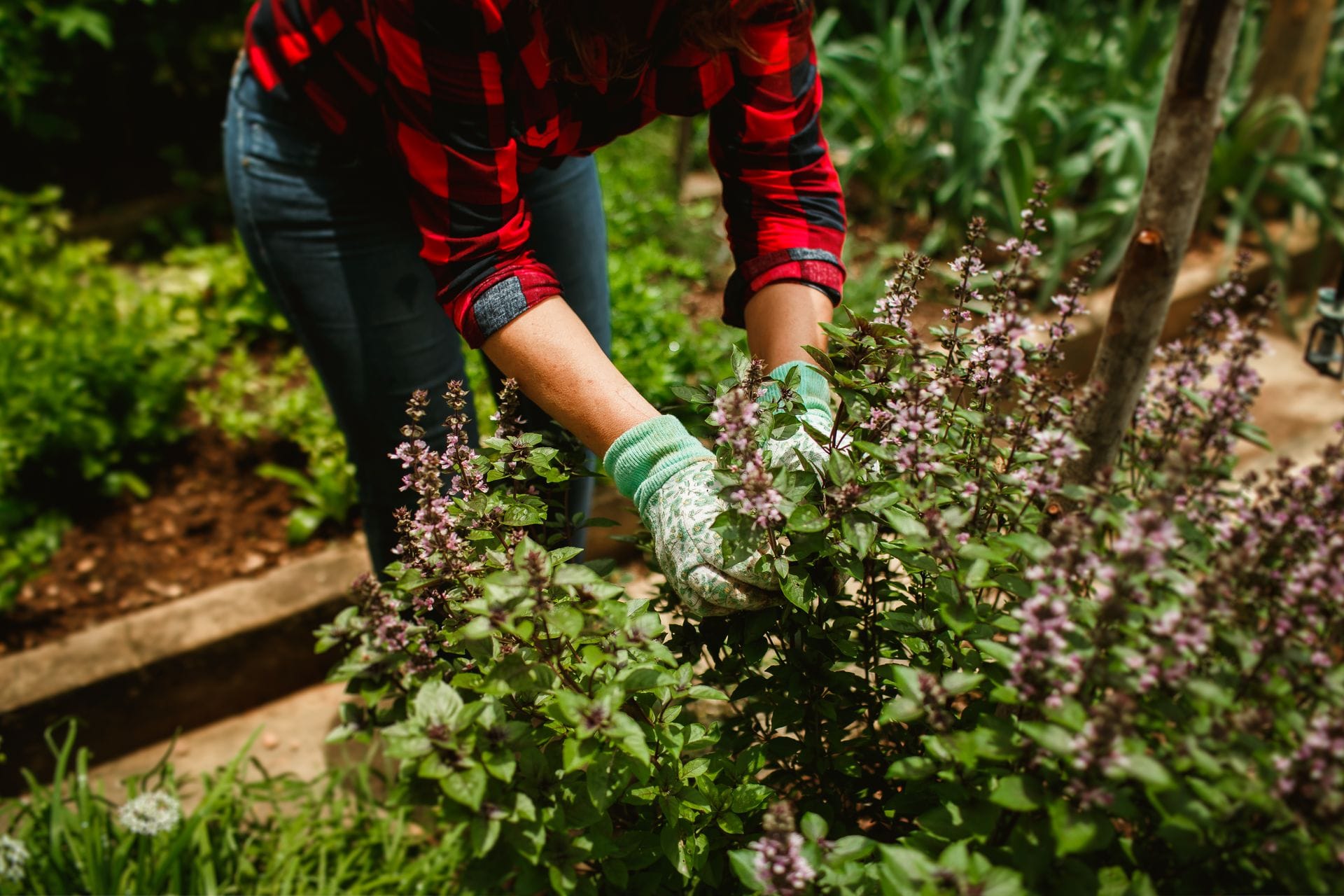
There is a particular quality to the clothes we wear when we garden. They are not the clothes we choose for their appearance. They are the clothes we choose for their function, for their comfort, for their willingness to be worn and washed and worn again. They are not designed to impress. They are designed to work.
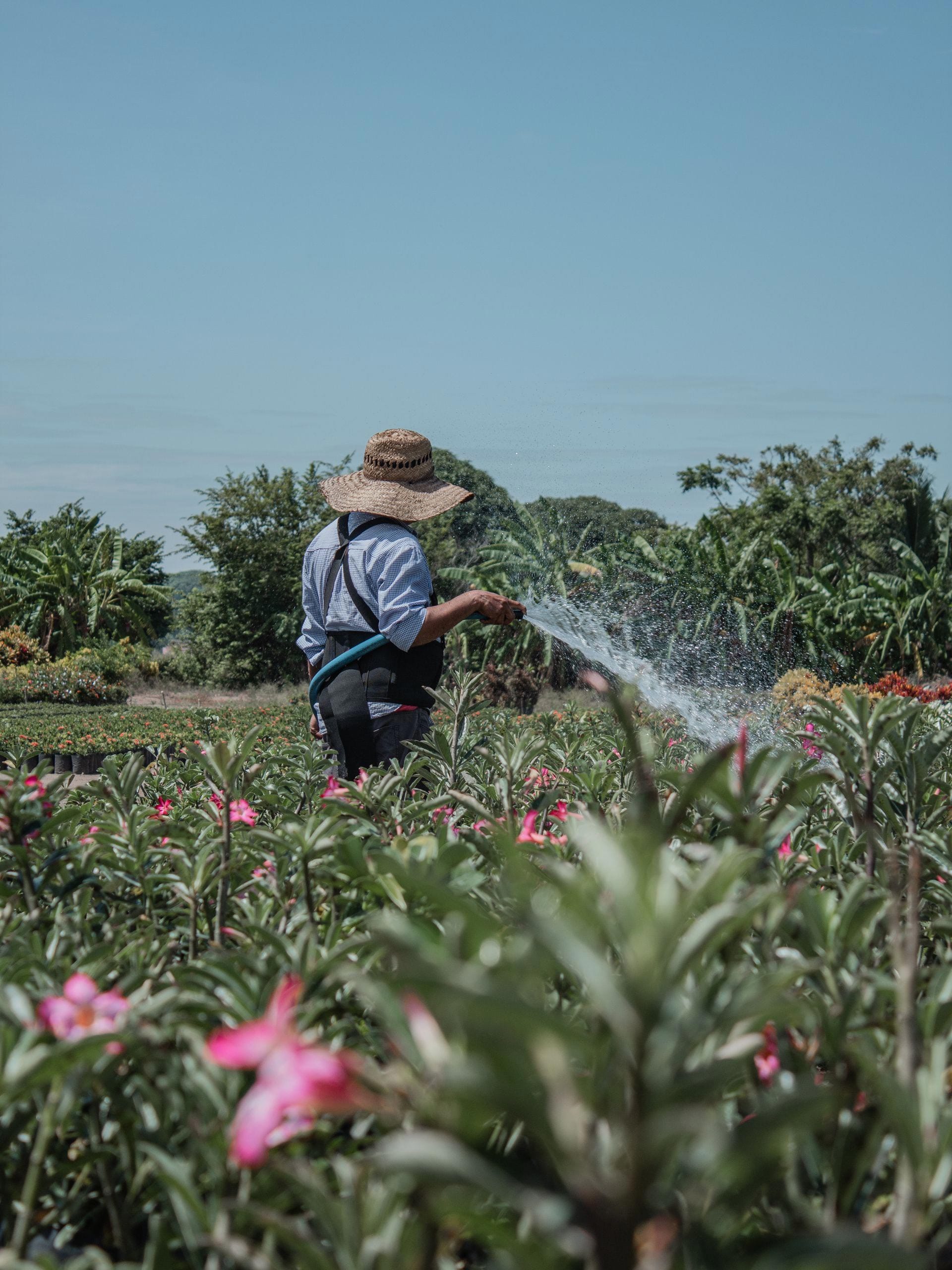
I have a pair of gardening trousers that I have worn for years. They are stained with soil, faded by the sun, frayed at the edges. They are not beautiful in any conventional sense. But they are beautiful in another way. They hold the record of the work I have done, the seasons I have tended, the hours I have spent in the garden. They are not just trousers. They are evidence of a life lived in relationship with the earth.
It took me a long time to see the beauty in these clothes. I used to think of them as a necessity, the clothes I wore when I did not care about how I looked. But I have come to see them differently. They are not a compromise. They are an expression, a way of being present in the garden, a way of honouring the work that is done there.
The Patina of the Gardener
The clothes of the gardener acquire a patina over time. They are marked by the seasons, by the weather, by the work of the hands. A pair of trousers becomes softer with wear. A jacket becomes more comfortable, more familiar, more like a second skin. The patina is not a flaw. It is a quality, a record of the time spent in the garden.
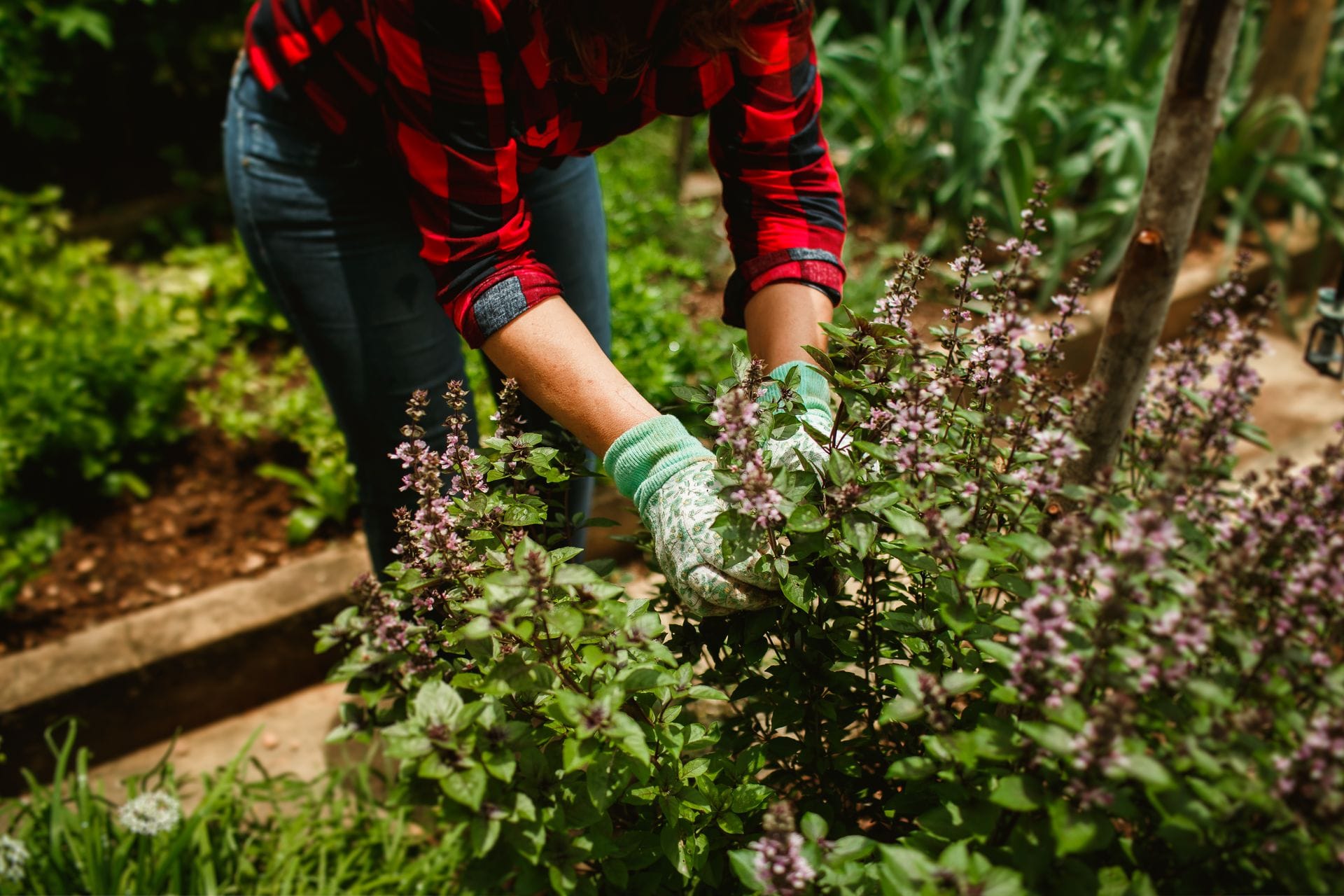
I spoke to a gardener who has been working the same plot for over thirty years. She told me that her favourite jacket is one that she has worn every season for two decades. It is not a beautiful jacket, not the kind that attracts attention. But it is a jacket that has become part of her, a jacket that has accompanied her through the years, a jacket that holds the memory of the work she has done.
The clothes we garden in are a record of the life we have lived. The marks on them are not imperfections. They are a history, a testimony to the work we have done and the seasons we have tended.
The Materials That Work
The materials of the gardener's wardrobe are chosen for their function, for their ability to withstand the demands of the work. A heavy cotton, a waxed jacket, a sturdy pair of boots. These are not materials that are chosen for their appearance. They are chosen for their durability, for their ability to protect, for their willingness to be worn.
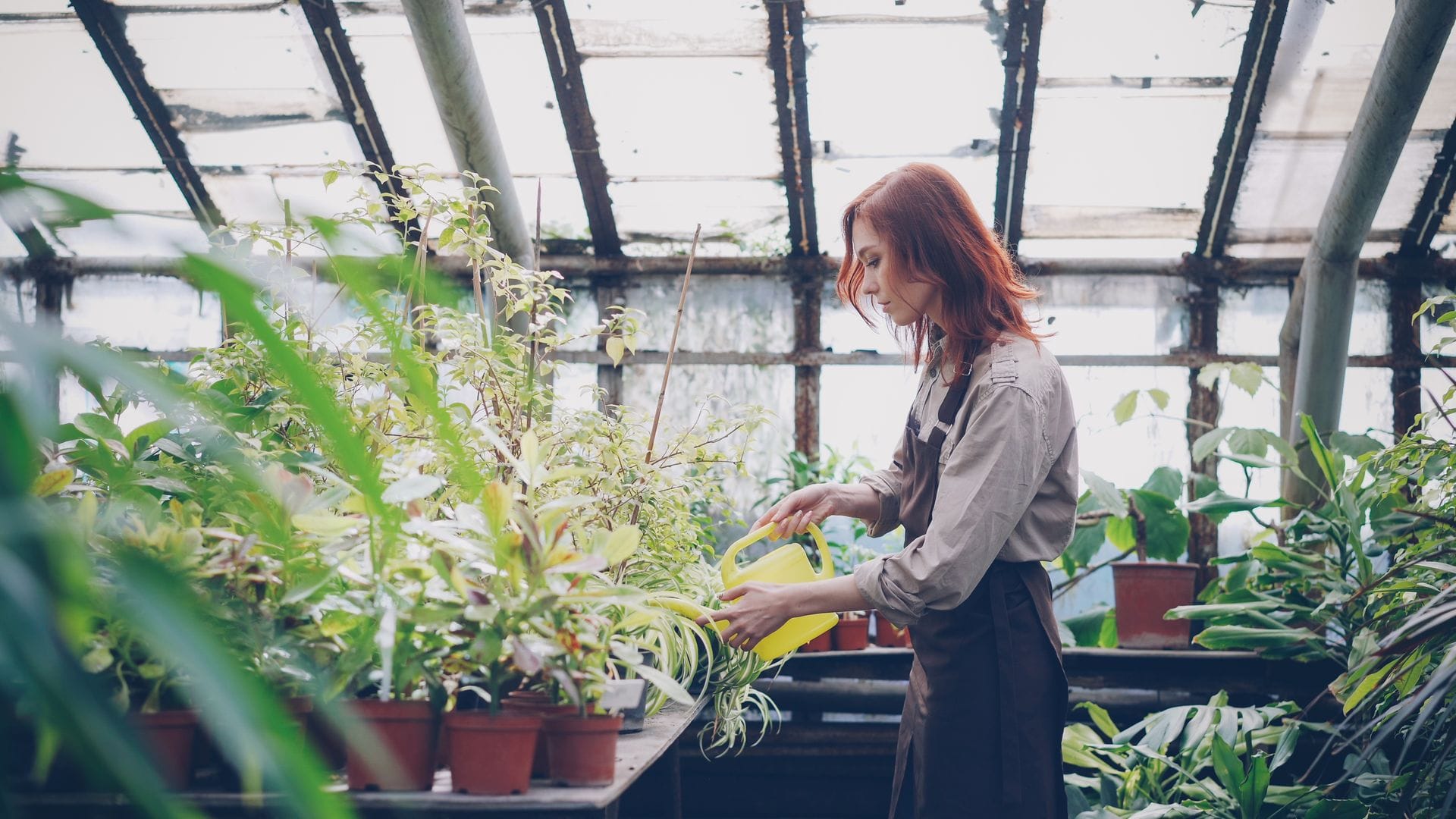
I have a pair of leather boots that I have worn for years. They are scuffed and worn, the soles are thin, the leather is cracked. But they are the most comfortable boots I own, the most reliable, the most familiar. They are a presence in my life, a constant that accompanies me through the seasons.
The Colours of the Earth
The colours of the gardener's wardrobe are the colours of the earth. Brown, green, khaki, grey. These are not colours that are chosen for their fashionability. They are colours that blend, that disappear, that allow the garden to be the focus. The gardener's wardrobe is a wardrobe of humility, a wardrobe that does not demand attention, a wardrobe that allows the work to speak for itself.
I have noticed that the colours I choose for my gardening clothes are not the colours I choose for other clothes. They are quieter, more subdued, less demanding. They are colours that feel appropriate to the work, colours that do not compete with the plants, colours that allow the garden to be the centre of attention. The colours of the earth are also the colours of the garden, the colours of the soil, the colours of the leaves, the colours of the sky. They are colours that connect us to the landscape.
The Jacket That Endures
There is a jacket that I reach for when I go into the garden. It is not a beautiful jacket, not the kind that would attract attention. But it is a jacket that has become part of my practice, a jacket that I have worn through many seasons, a jacket that holds the memory of the work I have done. The jacket is a presence in my life, a constant that accompanies me into the garden.
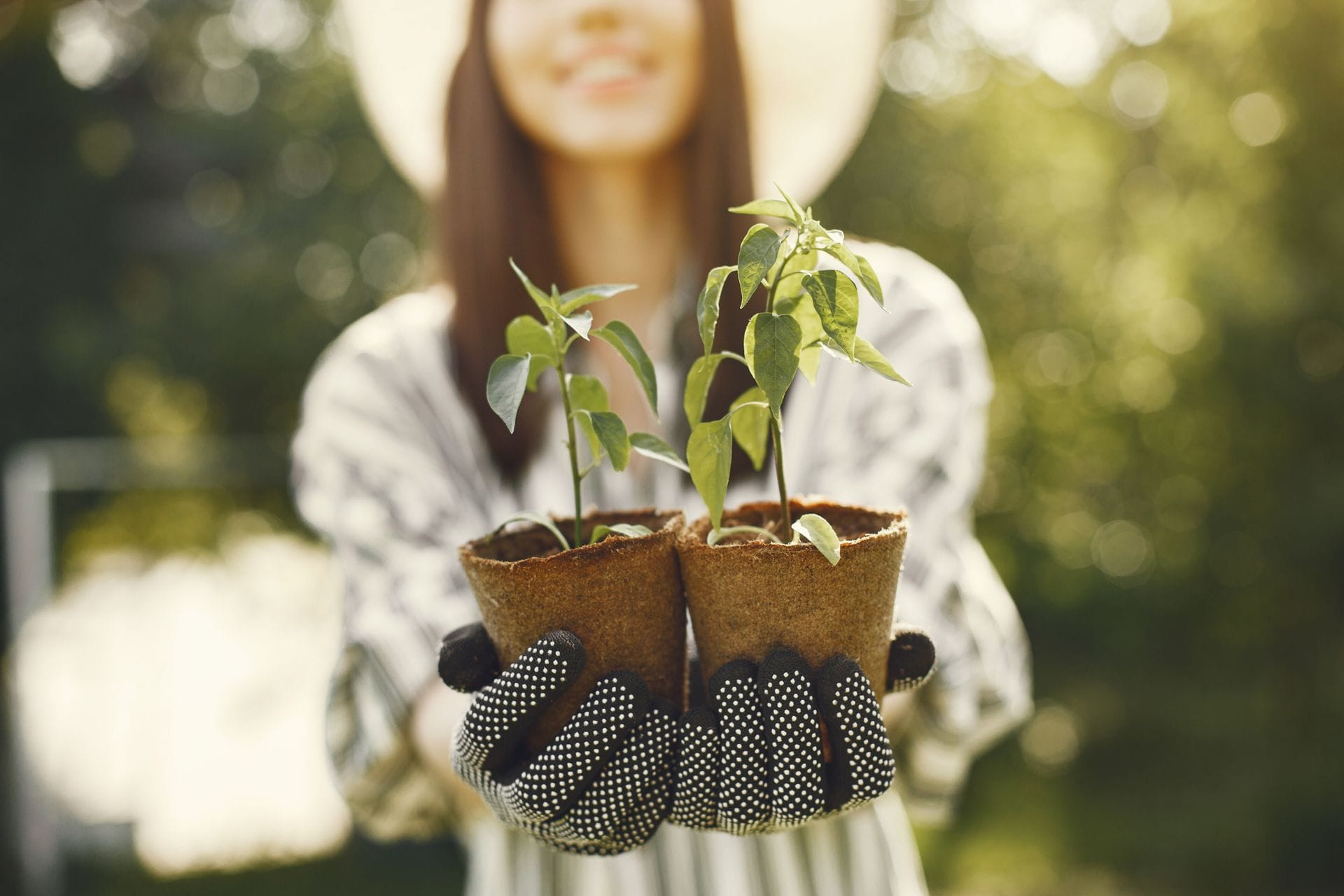
I will not replace it, not until it is beyond repair. It is not just a jacket. It is a record of the time I have spent in the garden, a connection to the work I have done, a reminder of the seasons I have tended. It is a part of my life, a quiet presence that holds a deep and unspoken history.
The Apron That Cares
A friend once gave me a canvas apron. It is the kind of apron that is designed for the garden, with a pocket for a trowel, a loop for a pair of secateurs. It is not a beautiful apron, not the kind that would appear in a magazine. But it is the most practical piece of clothing I own, the most useful, the most used. It is a presence in my life, a constant companion, a quiet affirmation that the work of the garden matters. It holds the tools of the trade, holds the evidence of the work, holds the history of the hands that have worn it.
The Gardener's Hands
The hands of the gardener are also marked by the work. The skin is rough, the nails are stained, the fingers are calloused. These are not signs of neglect. They are signs of attention, of presence, of a life lived in relationship with the earth.
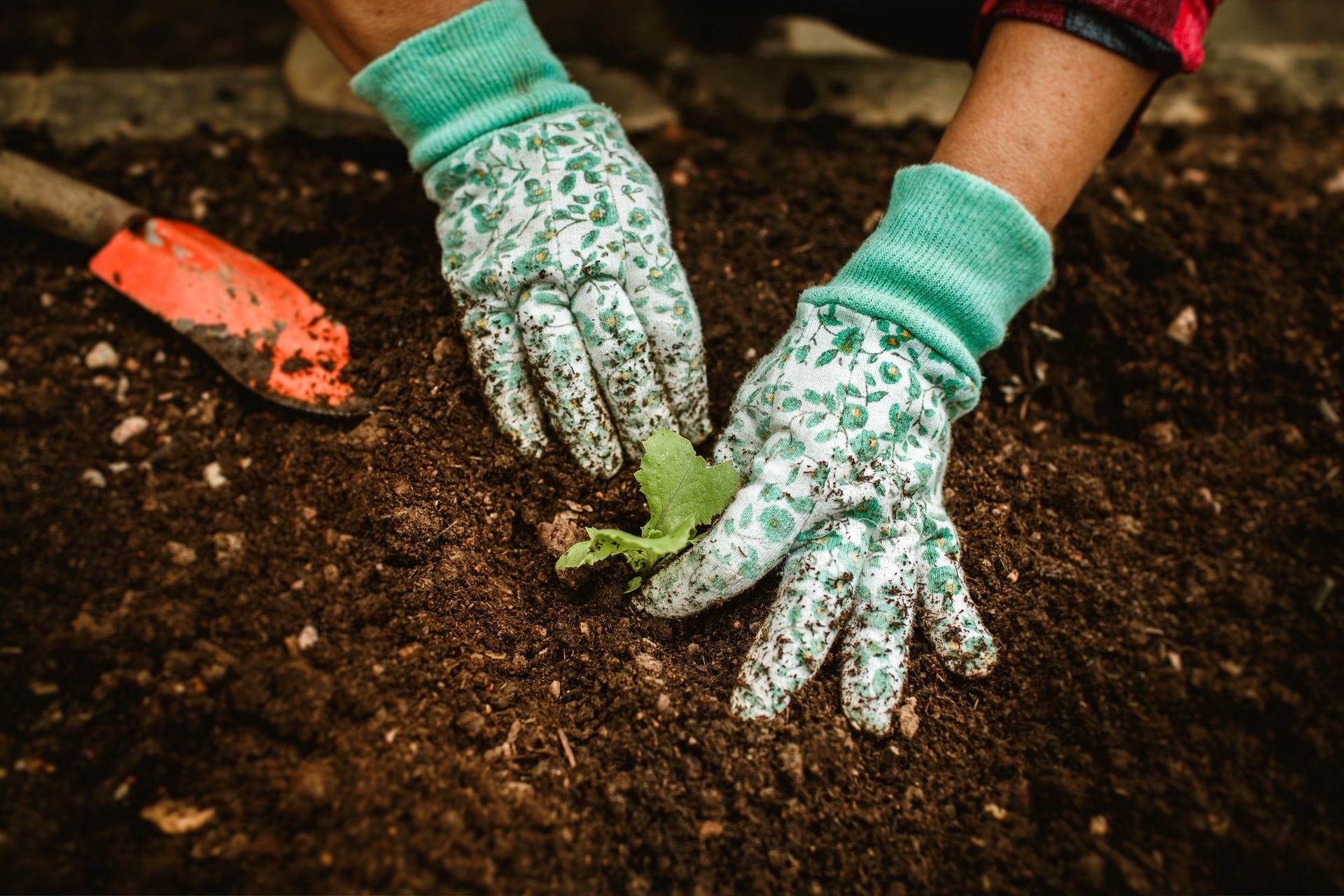
They are not beautiful hands, not in the conventional sense. But they are the hands that have tended the garden, and that is a beauty that cannot be replicated.
A Wardrobe of Presence
In the end, the gardener's wardrobe is not a wardrobe of appearance. It is a wardrobe of presence, of a life lived in relationship with the earth. The clothes we garden in are not clothes we choose for how they look. They are clothes we choose for how they work, for their ability to support the work of the hands. They are not a compromise. They are an expression, a way of being present in the garden, a way of honouring the work that is done there. And they hold the evidence of a life lived in the soil, in the sun, in the rain. They are a record of the work, a history of the seasons, a testimony to the life that has been lived. And that is a beauty that no fashion can replicate.