There is a particular satisfaction in walking into the garden and picking what you will eat for dinner. The lettuce, still wet with dew. The tomatoes, warm from the sun. The herbs, fragrant and fresh. It is not just about the food. It is about the connection, the sense that the meal has come from the earth, that you have participated in its growth, that you are part of a cycle that is both ancient and immediate.
I did not always garden. I used to buy my vegetables from the supermarket, wrapped in plastic, transported from somewhere else. They were convenient, but they tasted of nothing. It was only when I started growing my own that I understood what I had been missing. The flavour of a tomato that has been picked at its peak, a bean that has been harvested just before cooking, a herb that has been cut moments before it is used. These are not just ingredients. They are a different kind of food, a food that has a history, a food that has a connection to the earth.

The Taste of the Soil
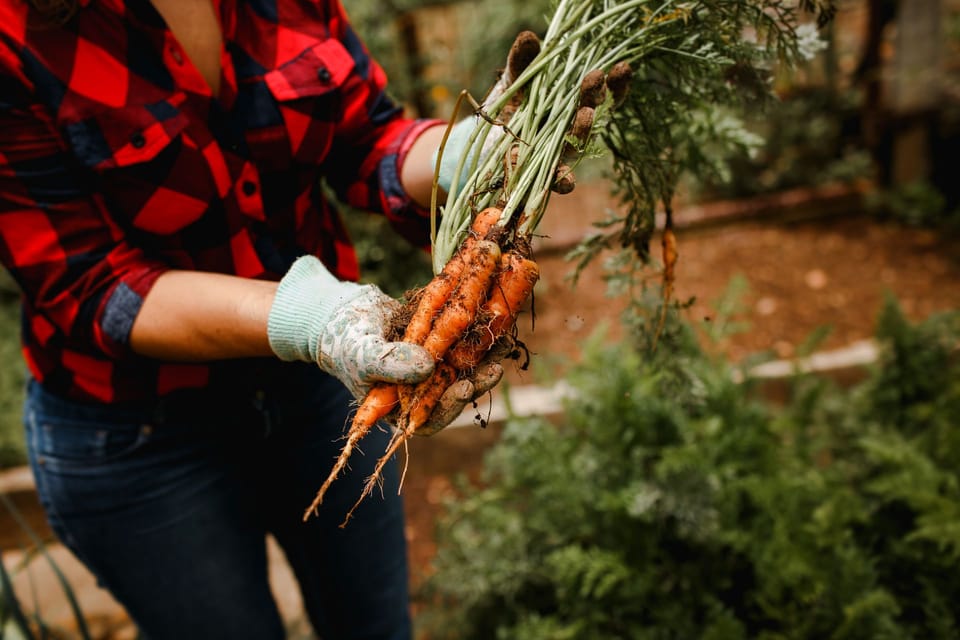
I have learned that the taste of a vegetable is the taste of the soil. A carrot grown in good soil is sweet and earthy. A carrot grown in poor soil is bland and woody. The soil is not just a medium. It is the source of the flavour, the foundation of the taste.

I have a vegetable patch that I have been tending for years. I have added compost, rotated crops, paid attention to the condition of the soil. The vegetables I grow are not always perfect, but they are always full of flavour. They taste of the earth, of the season, of the care that has gone into growing them.
The best meals are the ones that start in the garden. The ingredients do not need to be complicated. They just need to be fresh. The flavour is already there. The cooking is simply a way of revealing it.
The Joy of the First Harvest
There is a particular pleasure in the first harvest of the season. The first asparagus, the first broad beans, the first tomatoes. These are not just vegetables. They are markers of the year, reminders that the seasons are turning, that the cycle is continuing. I look forward to these arrivals, savour them, allow them to bring their own flavour to the meal.

I remember the first time I harvested a tomato from my own garden. It was a small tomato, not particularly impressive. But it was my tomato, grown from a seed, nurtured through the season, picked at its peak. It was the best tomato I had ever tasted. Not because it was exceptional, but because it had a history, a connection, a story.
The Seasonality of the Garden
A kitchen garden teaches you to eat with the seasons. You cannot grow tomatoes in winter. You cannot grow asparagus in autumn. You wait. The waiting is not a denial. It is an anticipation, a way of being present with the year, of allowing each season to arrive in its own time.

I have learned to plan my meals around what is available. In summer, I eat tomatoes and beans and courgettes. In autumn, I eat pumpkins and squash and the last of the greens. In winter, I eat roots and stored vegetables. In spring, I eat asparagus and broad beans and the first of the new growth. The rhythm of the garden dictates the rhythm of the kitchen, and the rhythm of the kitchen dictates the rhythm of the year.
The Gift of the Garden
A kitchen garden is a gift. It is a gift to the cook, who can work with the freshest ingredients. It is a gift to the eater, who can taste the flavour of the earth. It is a gift to the gardener, who can participate in the cycle of growth. I have a friend who grows her own vegetables. She often sends me home with a bag of something from her garden. It is a simple gift, but it is a generous one, a gift of time and care and attention.
A Kitchen Garden for Everyone
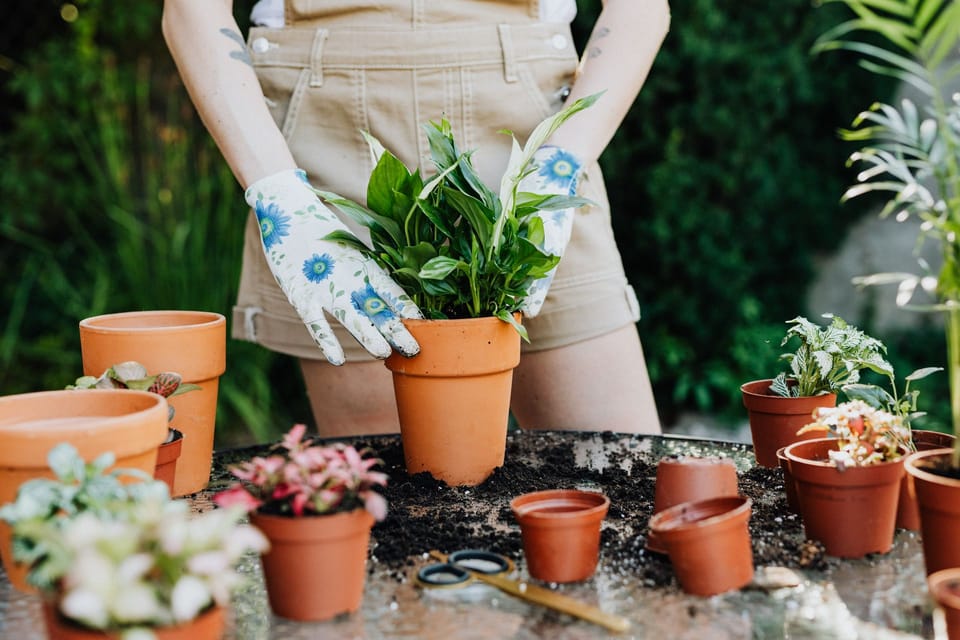
You do not need a large garden to grow your own vegetables. A few pots on a balcony, a window box, a shared plot. A kitchen garden is not about the size. It is about the attention, the willingness to participate in the cycle of growth. The most satisfying gardens are not the ones that are the largest but the ones that are the most cared for.

I have a friend who grows vegetables on a small balcony. She has a few pots, a couple of grow bags, a small herb garden. She grows tomatoes and chillies and herbs. It is not a large garden, not a garden that would impress anyone. But it is her garden, and it produces some of the best tomatoes I have ever eaten.
A Connection to the Earth
In the end, the kitchen garden is not just about food. It is about connection, about being present with the earth, about participating in the cycle of growth. A vegetable that has been grown in your own garden is not just an ingredient. It is a story, a connection, a way of being present with the world.
I have a kitchen garden that I tend with care. It is not a large garden, not a garden that would impress anyone. But it is my garden, and it produces food that is full of flavour, food that has a history, food that has a connection to the earth. And that is a gift that no supermarket can offer.