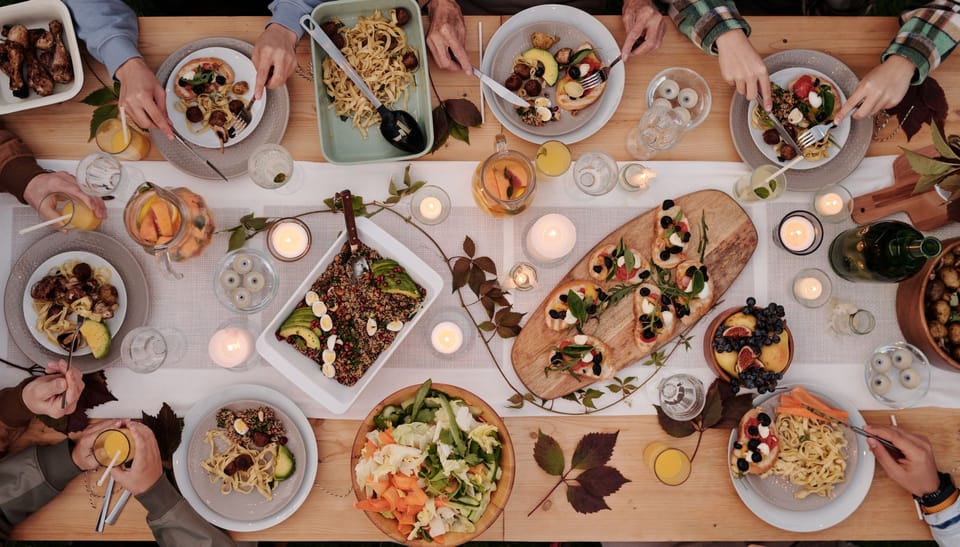
I used to believe that a dinner party had to be perfect. The food had to be flawless, the table had to be beautiful, the conversation had to be sparkling. I would spend days planning, hours cooking, and the result was always the same: exhaustion. I would sit down at the table, the candles lit, the wine poured, and feel nothing but relief that it was over. The perfection I was chasing had become a burden, a weight that was making the experience less enjoyable for me and, I suspect, for everyone else.
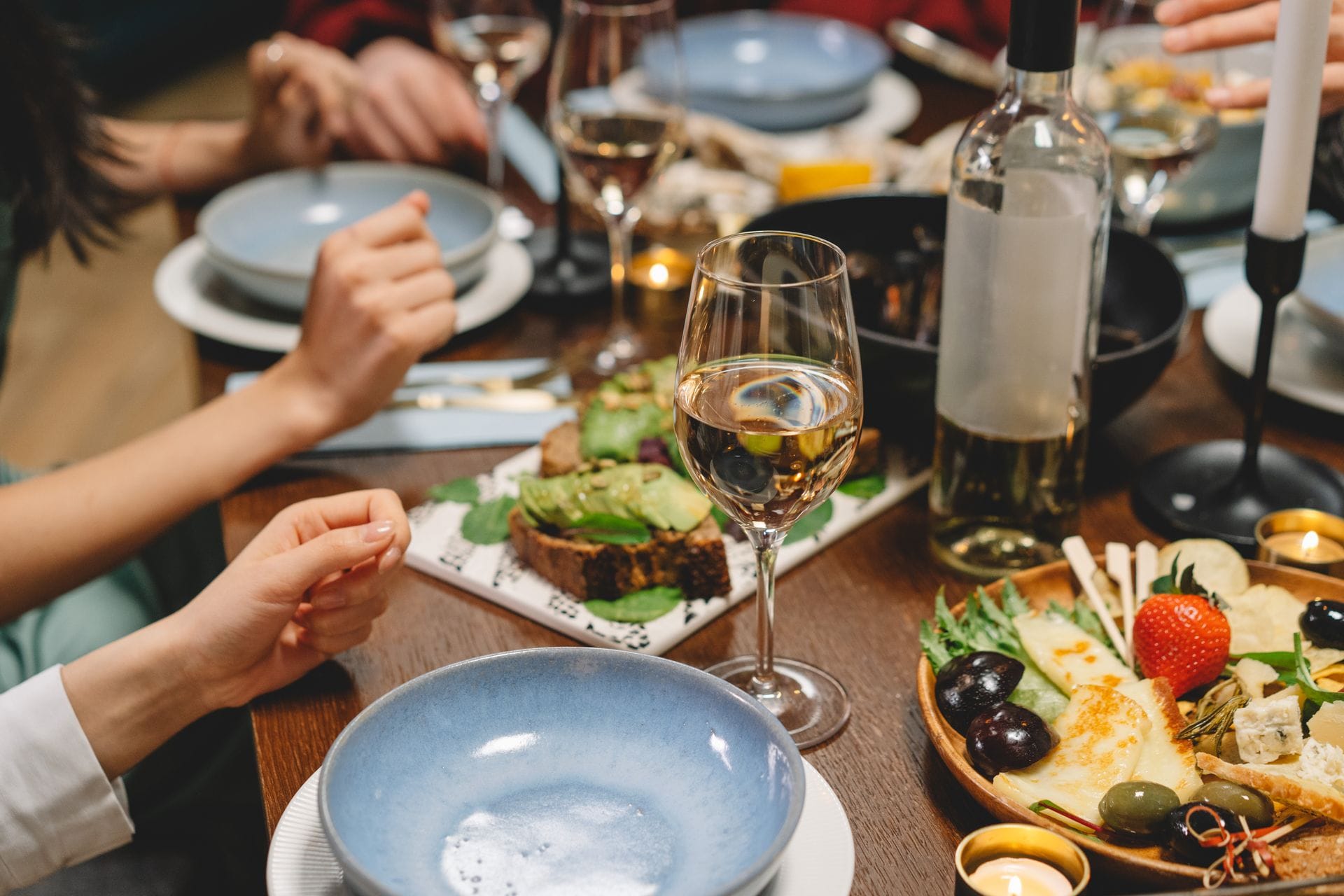
It took a particular dinner party to change my approach. A friend had invited me over for a simple meal. There was no elaborate menu, no special occasion, no attempt to impress. She had made a pasta dish, a simple salad, and a fruit tart. The table was set with mismatched plates, the candles were dripping, and the conversation was easy. I left feeling not tired but replenished. It taught me something important: that the dinner party is not about the perfection of the food or the table. It is about the gathering itself, the act of sharing a meal with people you care about.
The Menu as a Guide
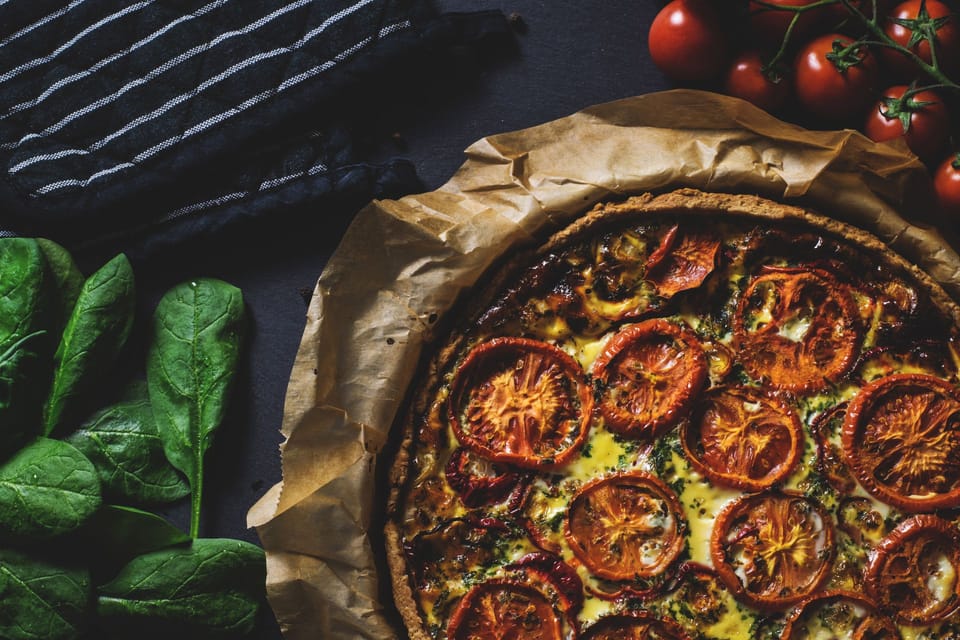
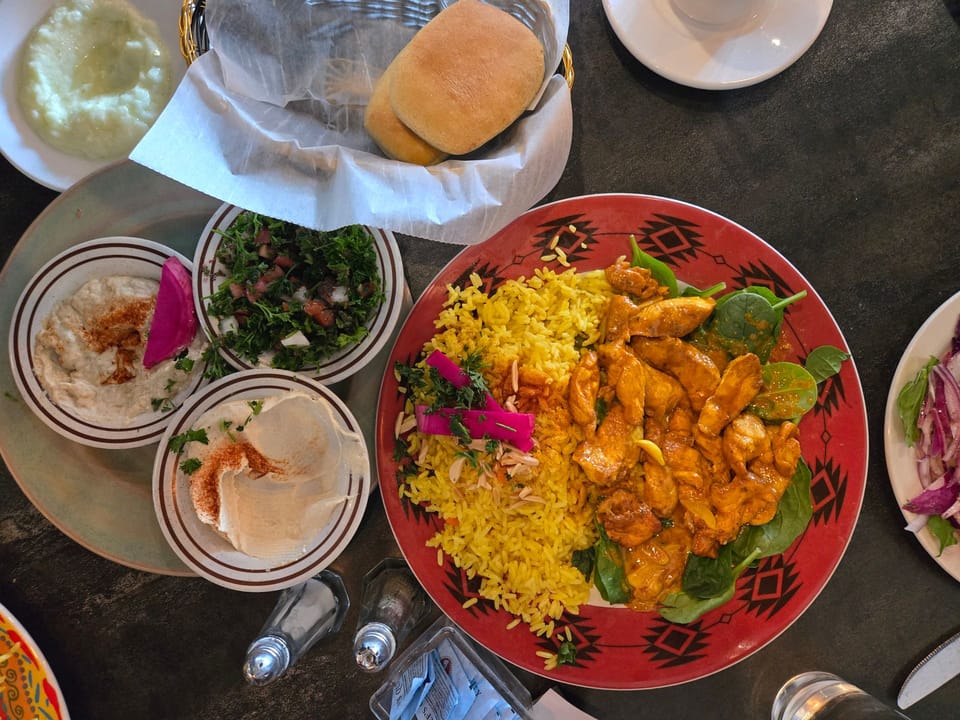
The food does not need to be elaborate. It does not need to be a recipe you have never tried, a dish that requires hours of preparation, a menu that is more about impressing than feeding. The best dinner parties are the ones where the food is simple, where the cook is not stressed, where the conversation can flow. A dish that you have made before, that you know works, that you can prepare ahead of time, is a better choice than a dish that requires last-minute attention.
I have learned to plan menus that are simple, that can be made ahead, that do not require me to spend the evening in the kitchen. A roast, a stew, a dish that can be prepared in advance and reheated. These are the dishes that allow the cook to be present, to be part of the conversation, to enjoy the meal as much as the guests. The menu is not the point. The gathering is the point.
The Table as a Stage
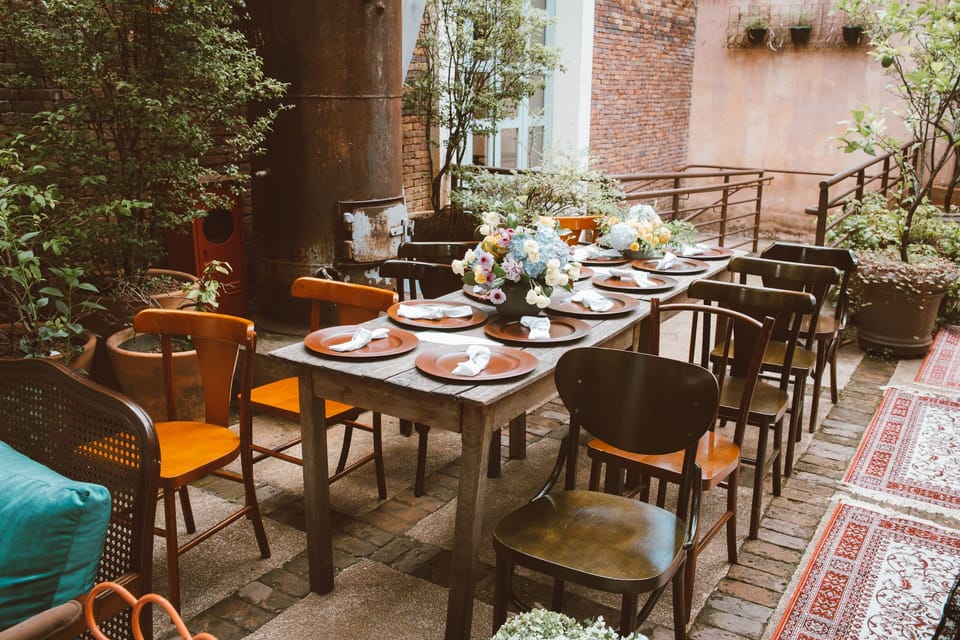
The table is also a stage. It is a space where the meal unfolds, where the conversation happens, where the connections are made. A table that is set with care, that is not crowded, that has room for the food and the plates and the glasses, invites ease. A table that is too full, too elaborate, too precious, can feel intimidating.
I have learned to set a table that is simple. A few flowers, a candle, a napkin. The food is the center, the table is the frame. The table should be a place that invites connection, a space that does not demand attention but supports the gathering. The plates do not have to match, the glasses do not have to be crystal. The table is not about the objects but about the people.
The Rhythm of the Meal
A dinner party has a rhythm. The initial gathering, the drinks, the appetizers. The main course, the conversation, the laughter. The dessert, the coffee, the lingering. The rhythm is not something that is planned. It is something that emerges, a flow that is supported by the setting, the food, the company. A good host is someone who does not try to control the rhythm but to support it. A good host is someone who lets the conversation take its own course, who does not intervene too much, who is present and attentive without being controlling.
I have learned to let the rhythm of the meal unfold. I do not try to manage the conversation. I do not try to fill the silences. I am present, I listen, I contribute when it feels natural. The rhythm of the meal is a collaboration between the host and the guests, a dance that cannot be choreographed.
The Value of Imperfection
The most memorable dinner parties are often the ones where something goes wrong. The dish that was slightly over-salted. The sauce that did not thicken. The conversation that took an unexpected turn. These are not failures. They are the texture of the evening, the things that make the meal memorable. A dinner party that is too perfect is a dinner party that is forgettable. A dinner party that has imperfections has character.
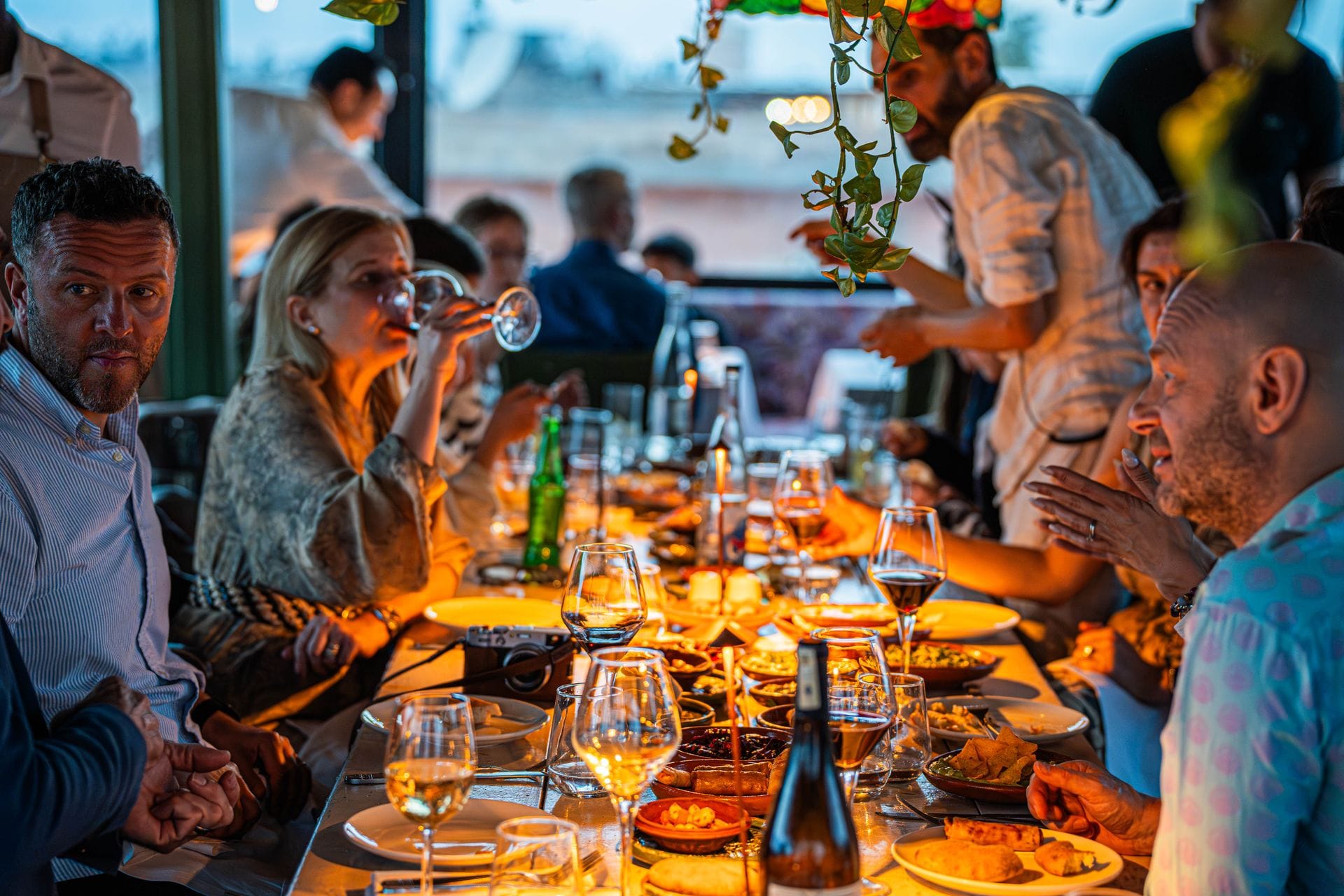
I have learned to embrace imperfection. I do not apologize for the food. I do not worry about the details. I accept the imperfections and allow them to be part of the evening. The guests do not remember the slightly overcooked meat. They remember the conversation, the laughter, the connection. The imperfections are what make the meal human.
The Gift of the Dinner Party
In the end, a dinner party is a gift. It is a gift of time, of attention, of presence. It is a way of saying that the people at the table matter, that they are worth the effort. The food is the medium, but the connection is the purpose. A dinner party is a practice of generosity, an act of trust in the willingness of others to connect.
The gift of the dinner party is not in the food or the table but in the gathering itself, the act of being present with others, of sharing a meal, of creating a moment that will be remembered. And that is a gift that cannot be replaced.